Salvia Farinacea ‘Blue Bedder’ (Mealy Cup Sage)
Salvia farinacea ‘Blue Bedder’, commonly known as Mealy Cup Sage, is a striking plant known for its long-lasting, vibrant blue flowers and its ability to.
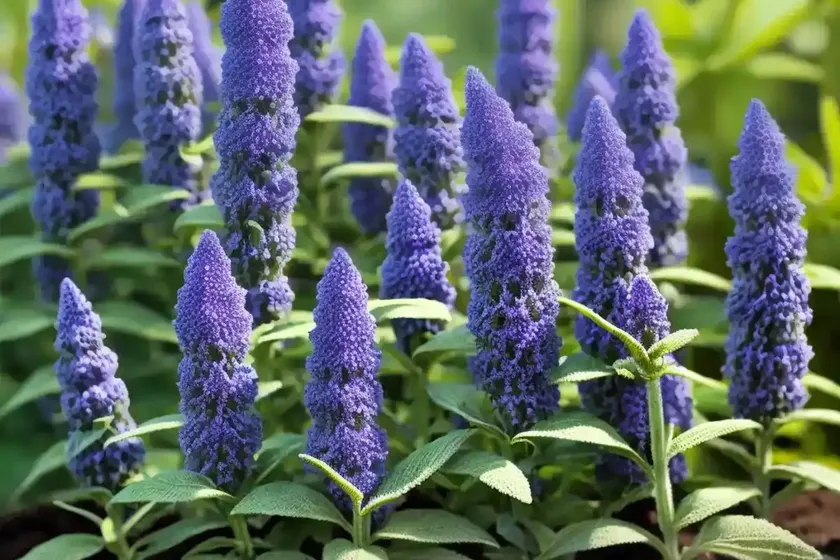
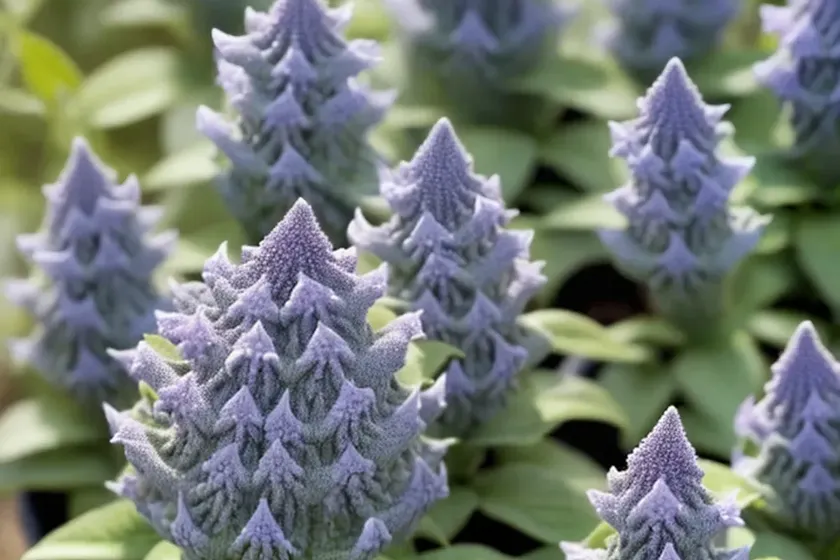
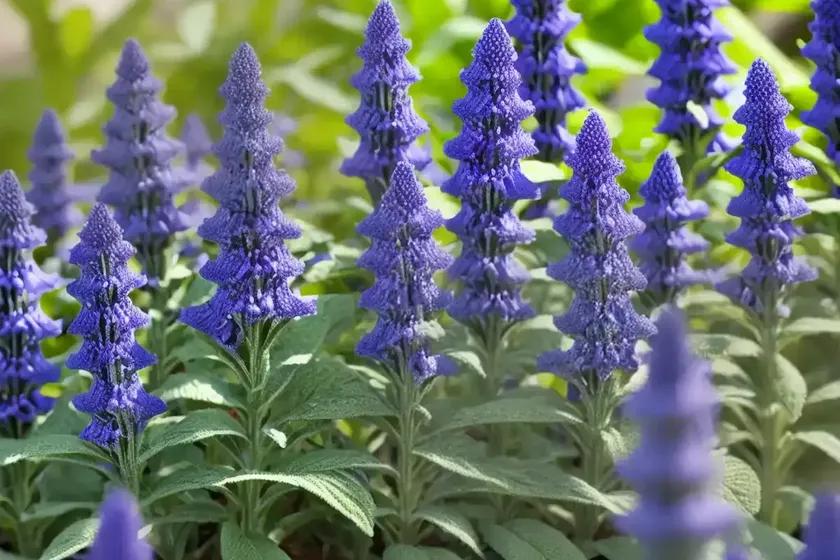
Salvia farinacea ‘Blue Bedder’, commonly known as Mealy Cup Sage, is a striking plant known for its long-lasting, vibrant blue flowers and its ability to attract pollinators such as bees and butterflies. This hardy perennial is a valuable addition to gardens and landscapes, offering both visual appeal and ecological benefits. In this comprehensive guide, we will delve into the various aspects of cultivating and caring for Salvia farinacea ‘Blue Bedder’, exploring its cultural requirements, uses, propagation methods, common diseases and pests, as well as interesting facts and folklore associated with this remarkable plant.
What is Salvia farinacea ‘Blue Bedder’ (Mealy Cup Sage)?
Salvia farinacea ‘Blue Bedder’ is a member of the Lamiaceae family, which includes a diverse range of aromatic herbs and ornamental plants. It is native to Texas and Mexico and is widely cultivated for its stunning spikes of deep blue flowers. The name “farinacea” is derived from the Latin word “farina,” meaning “flour,” and references the mealy texture of the plant’s leaves.
This perennial herb typically grows to a height of 18-24 inches with a spread of 12-18 inches, forming a compact, bushy mound of foliage. The lance-shaped leaves are gray-green and emit a pleasant fragrance when crushed. From late spring to fall, Salvia farinacea ‘Blue Bedder’ produces slender, densely packed flower spikes adorned with tubular, two-lipped blossoms, creating a mesmerizing display of color in the garden.
Key Takeaways – Salvia farinacea ‘Blue Bedder’
Before we dive into the specifics of caring for Salvia farinacea ‘Blue Bedder’, let’s highlight some key takeaways about this remarkable plant:
-
Flowers: The plant is prized for its striking blue flowers, which bloom from late spring to fall, attracting pollinators and providing visual interest.
-
Ecological Value: Mealy Cup Sage is a magnet for bees, butterflies, and hummingbirds, contributing to the biodiversity and health of garden ecosystems.
-
Cultural Versatility: It can be used in a variety of settings, including flower beds, rock gardens, borders, and containers, due to its adaptability and aesthetic appeal.
-
Low Maintenance: With minimal maintenance requirements and excellent drought tolerance, Salvia farinacea ‘Blue Bedder’ is an ideal choice for both novice and experienced gardeners.
With these key points in mind, let’s explore the detailed cultural requirements, uses, and propagation techniques for Salvia farinacea ‘Blue Bedder’.
Culture
Water
Salvia farinacea ‘Blue Bedder’ thrives in well-drained soil and is remarkably drought-tolerant once established. When first planted, ensure that the soil is kept consistently moist to aid in the establishment of roots. Afterward, water the plant deeply but infrequently to promote deep root growth and overall resilience. During periods of extended drought or high temperatures, occasional supplemental watering can help maintain the plant’s vigor and blooming performance. It is important to strike a balance, as overwatering can lead to root rot and other issues.
Sunlight
This resilient plant prefers full sun, thriving in bright, direct sunlight for the majority of the day. Adequate sunlight is essential for robust growth, abundant flowering, and the development of compact, sturdy foliage. In partial shade, flowering may be reduced, and the plant may exhibit leggy growth. Therefore, when selecting a planting location, prioritize sites with optimal sun exposure to ensure the best performance from Salvia farinacea ‘Blue Bedder’.
Fertilizer
Salvia farinacea ‘Blue Bedder’ does not demand heavy fertilization and generally thrives in average to poor soil conditions. Prior to planting, amending the soil with organic matter or a balanced, slow-release fertilizer can provide a nutrient boost. However, excessive fertilization can lead to excessive vegetative growth at the expense of flowering. If necessary, apply a balanced fertilizer sparingly in early spring, avoiding high-nitrogen formulations that can stimulate excessive leafy growth.
Soil
This plant is adaptable to a wide range of soil types, provided that the soil is well-drained and does not become waterlogged. A slightly acidic to neutral pH range (6.0-7.5) is ideal for optimum growth and flowering. Heavy, clay-based soils can be amended with organic matter such as compost or peat moss to improve drainage and create a more favorable rooting environment for Salvia farinacea ‘Blue Bedder’.
Pruning
Pruning is an important aspect of maintaining the appearance and vigor of Salvia farinacea ‘Blue Bedder’. Regular deadheading, or the removal of spent flowers, can promote continual blooming and prevent the plant from expending energy on seed production. Additionally, light pruning in early spring can help shape the plant, remove any winter damage, and encourage the development of new growth. When performing pruning activities, ensure you do not excessively cut into old wood, as this can hinder the plant’s regenerative capacity.
Uses
Landscape Ornamental
Salvia farinacea ‘Blue Bedder’ is a versatile ornamental plant suitable for various landscape applications, owing to its captivating blooms, compact growth habit, and ecological benefits. Its striking blue flowers add an enchanting touch to flower beds, borders, and rock gardens, providing a pop of color that complements a wide range of companion plants. Additionally, its low-maintenance nature and adaptability to different soil types make it a desirable choice for homeowners seeking a visually appealing yet undemanding plant for their gardens.
Pollinator Attraction
One of the most significant contributions of Salvia farinacea ‘Blue Bedder’ to the garden is its ability to attract and support pollinators. The nectar-rich flowers act as potent attractants for bees, butterflies, and hummingbirds, enhancing the biodiversity and ecological balance of the surrounding environment. By incorporating this plant into the landscape, gardeners can play a role in supporting pollinator populations and contributing to the broader conservation of these essential creatures.
Cut Flowers
The striking, long-lasting flower spikes of Salvia farinacea ‘Blue Bedder’ can serve as an excellent source of cut flowers for floral arrangements and indoor décor. When harvested at the peak of their blooming period, the flowers can add a vibrant and eye-catching element to bouquets, enhancing the visual appeal of floral compositions. As a result, gardeners can enjoy the aesthetic beauty of Mealy Cup Sage not only in the garden but also indoors, extending the pleasure of its blooms beyond the outdoor space.
Xeriscaping
Given its exceptional drought tolerance and minimal water requirements, Salvia farinacea ‘Blue Bedder’ is a valuable component of xeriscape and water-efficient landscaping schemes. In regions with arid or semi-arid climates, where water conservation is paramount, this plant can thrive and contribute to visually pleasing, low-maintenance landscapes that are well-adapted to the local environmental conditions.
Propagation
Salvia farinacea ‘Blue Bedder’ can be propagated through several methods, including seed propagation, division, and softwood cuttings. Each technique offers its own advantages and may be preferred based on the gardener’s preferences and the availability of plant material.
Seed Propagation
Propagation from seeds is a straightforward and cost-effective method for producing a large number of new plants. To propagate Salvia farinacea ‘Blue Bedder’ from seeds, gather ripe seed heads from the plant and extract the seeds. Sow the seeds in well-draining, sterile seed-starting mix, lightly covering them with a thin layer of soil. Maintain consistent moisture and provide warmth to encourage germination, ensuring that the young seedlings receive ample light as they grow. Once the seedlings have developed several sets of true leaves, they can be transplanted into individual containers or into the garden bed.
Division
In mature specimens of Salvia farinacea ‘Blue Bedder’, clumps of the plant may be divided to create new individuals. This division can be performed in early spring as new growth begins to emerge. Carefully dig up the clump, ensuring that the root system remains intact, and gently separate it into smaller sections, each containing a portion of the roots and stems. Replant the divisions in prepared soil, watering them thoroughly to encourage re-establishment. With adequate care, the divided sections will grow into independent plants, perpetuating the presence of Mealy Cup Sage in the garden.
Softwood Cuttings
Softwood cuttings offer another efficient means of propagating Salvia farinacea ‘Blue Bedder’, particularly for those seeking to replicate specific characteristics or traits of a favored individual. Select young, healthy shoots from the plant, ideally those that have not yet developed a woody texture. Trim the cuttings to a suitable length, remove the lower leaves, and dip the cut ends in rooting hormone to encourage the development of roots. Plant the cuttings in a well-draining rooting medium, ensuring consistent moisture and high humidity to support the establishment of root systems. After the cuttings have formed strong roots, they can be transplanted into larger containers or directly into the garden.
Popularity
Salvia farinacea ‘Blue Bedder’ has garnered widespread popularity among gardeners and landscapers for several compelling reasons, contributing to its status as a favored ornamental plant.
Aesthetic Appeal
The captivating, vibrant blue flowers of Salvia farinacea ‘Blue Bedder’ are a standout feature that never fails to captivate the eye. Their long-lasting nature and the profusion of blooms they produce contribute to a visually stunning display, adding a touch of elegance and allure to any garden or landscape. Whether used as a focal point in a flower bed or as part of a mixed planting scheme, this plant invariably draws attention and admiration.
Ease of Cultivation
The low-maintenance nature of Salvia farinacea ‘Blue Bedder’ is a significant factor in its widespread appeal. Its minimal water and fertilizer requirements, coupled with its adaptability to various growing conditions, make it an attractive choice for gardeners seeking visually striking plants that are also undemanding and resilient. Its capacity to thrive in adverse soil types and endure periods of drought further enhances its desirability in garden settings.
Ecological Benefits
The plant’s role in attracting pollinators and contributing to the biodiversity of garden ecosystems is another compelling factor that has fueled its popularity. As gardeners and horticulturists place greater emphasis on creating sustainable, ecologically supportive landscapes, the inclusion of plants such as Salvia farinacea ‘Blue Bedder’ becomes increasingly significant. Its ability to nourish and sustain vital wildlife, such as bees and butterflies, aligns with the growing awareness of the importance of conserving and promoting biodiversity in urban and suburban environments.
Common Diseases
Salvia farinacea ‘Blue Bedder’ is generally resistant to many common plant diseases, owing to its robust nature and adaptability. However, certain environmental conditions or factors may predispose it to specific ailments, necessitating vigilance and appropriate cultural practices to prevent or manage potential issues.
Disease Diagnosis
Common diseases that may affect Salvia farinacea ‘Blue Bedder’ include:
-
Powdery Mildew: This fungal disease can manifest as a powdery, white coating on the foliage, often occurring in humid or poorly ventilated conditions. To prevent powdery mildew, ensure proper spacing between plants to promote airflow, avoid overhead watering, and consider the application of fungicidal sprays if symptoms arise.
-
Root Rot: Excessive moisture or waterlogged soil can lead to root rot, causing the plant to exhibit wilting, yellowing foliage, and stunted growth. To mitigate the risk of root rot, maintain well-draining soil conditions and refrain from overwatering, particularly during cool, wet periods.
-
Botrytis Blight: This fungal disease may be evident as gray mold on flowers or other plant parts, particularly when humidity levels are high or during extended periods of rainfall. To reduce the likelihood of botrytis blight, remove and dispose of affected plant material promptly, and avoid overcrowding and excessive humidity in the growing environment.
Common Pests
While relatively resistant to pest infestations, Salvia farinacea ‘Blue Bedder’ may occasionally encounter certain insects that can affect its growth and appearance. Vigilance and early intervention are essential in managing potential pest threats.
Common pests that may impact this plant include:
-
Aphids: These small, sap-sucking insects may congregate on new growth, causing distortion of leaves and the potential for the development of sooty mold. Regular monitoring and the use of insecticidal soaps or horticultural oils can help control aphid populations and prevent damage to the plant.
-
Spider Mites: These tiny arachnids can infest the undersides of leaves, causing stippling and discoloration. An increase in plant stress and dry conditions can predispose Mealy Cup Sage to spider mite infestations. Mitigate this risk by maintaining adequate moisture levels, ensuring proper plant nutrition, and using natural enemies such as predatory mites for biological control.
Botanist’s Tips
To ensure the successful cultivation and enjoyment of Salvia farinacea ‘Blue Bedder’, consider the following tips from experienced botanists and horticultural experts:
-
Provide Optimal Sunlight: Position the plant in a location that receives full sun for the majority of the day to promote vigorous growth and abundant flowering.
-
Practice Moderate Watering: Strike a balance in watering, ensuring that the soil remains consistently moist but not waterlogged, particularly during the establishment phase.
-
Monitor for Pest and Disease: Regularly inspect the plant for signs of pest activity or disease symptoms, intervening promptly to prevent escalation of issues.
-
Encourage Pollinators: Embrace the role of Salvia farinacea ‘Blue Bedder’ as a pollinator attractant and incorporate it into designs aimed at supporting beneficial wildlife.
-
Promote Air Circulation: Allow for adequate spacing between plants to facilitate air movement and reduce the risk of foliar diseases such as powdery mildew.
Fun Facts
Folklore and Historical Significance
Salvia farinacea ‘Blue Bedder’ has been associated with various cultural narratives and historical uses, adding an element of intrigue to its botanical identity. A few fun and fascinating facts include:
-
Medicinal Heritage: In traditional herbal medicine, Salvia species have been utilized for their purported medicinal properties, attributed to their aromatic oils and phytochemical constituents. In certain societies, they were employed in remedies for respiratory ailments, digestive complaints, and other conditions.
-
Sacred Symbolism: The genus Salvia has held symbolic importance in different cultures, with various species considered sacred or imbued with mystical attributes. It has been linked to themes of healing, protection, and purification in folklore and religious traditions.
-
Culinary Utilization: While not commonly recognized for culinary use, some Salvia species, including S. farinacea, have been employed in culinary practices and as flavoring agents, adding a dimension of versatility to their historical associations.
Links to External Resources
To augment your knowledge and appreciation of Salvia farinacea ‘Blue Bedder’, consider exploring the following external resources for additional insights, inspiration, and expert guidance:
-
The Salvia Society: A comprehensive repository of information on Salvia species, including cultivation tips, species profiles, and community forums for enthusiasts.
-
American Horticultural Society: The AHS offers valuable resources and publications on ornamental gardening, including features on Salvia farinacea cultivars and their horticultural significance.
-
Royal Horticultural Society: The RHS provides authoritative guidance on plant cultivation, pest and disease management, and horticultural best practices, serving as a reliable source for plant enthusiasts and professionals alike.
-
The Herb Society of America: With a focus on the diverse world of herbs and their uses, the HSA offers educational materials, publications, and events related to Salvia species and their cultural, culinary, and medicinal aspects.
By engaging with these reputable organizations and platforms, you can access a wealth of knowledge and expert perspectives on Salvia farinacea ‘Blue Bedder’, strengthening your ability to cultivate, appreciate, and celebrate this exceptional plant in your own gardening endeavors.
In conclusion, Salvia farinacea ‘Blue Bedder’ stands out as a compelling and multifaceted plant, offering an enchanting display of blue blossoms, ecological benefits, and cultural significance. Through attentive care and a deep understanding of its cultivation requirements, gardeners can welcome the beauty and vitality of Mealy Cup Sage into their outdoor spaces, enriching the landscape and nurturing vital connections with pollinators and the natural world.
Whether used to embellish a flower bed, enliven a pollinator garden, or enhance the tranquility of a xeriscape setting, the enduring allure of Salvia farinacea ‘Blue Bedder’ is a testament to its enduring appeal and enduring value in horticulture and ecological conservation. As you embark on your journey with this remarkable plant, may the knowledge and insights shared in this guide empower you to cultivate, savor, and celebrate the unique attributes of Mealy Cup Sage in your own gardening pursuits.
In crafting this detailed guide to Salvia farinacea ‘Blue Bedder’ (Mealy Cup Sage), a comprehensive exploration of its cultural requirements, uses, propagation, common diseases, pests, and engaging fun facts was presented. The guide aims to provide gardening enthusiasts and horticulturalists with valuable insights and practical advice for cultivating and appreciating this captivating plant, enriching their gardening experiences and ecological contributions.


