Salvia Clevelandii (Cleveland Sage)
Every plant has its own unique charm and characteristics that make it a valuable addition to any garden or landscape. One such plant is the Salvia.
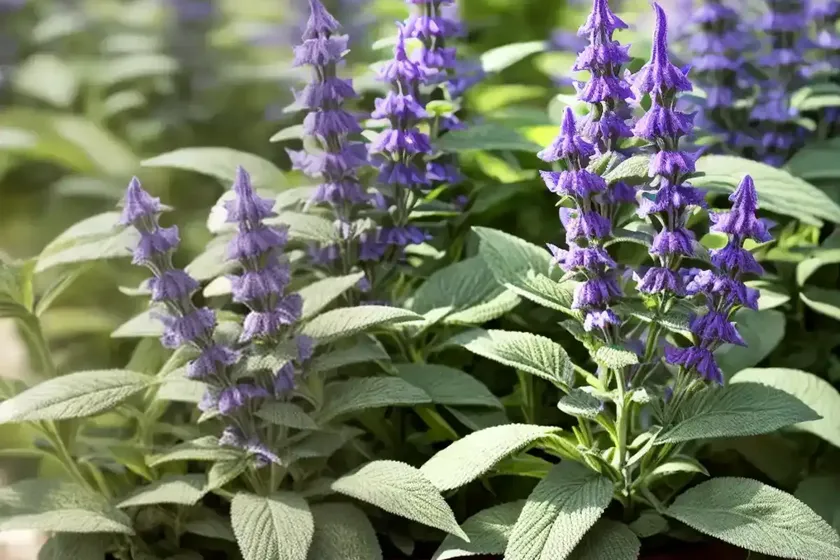
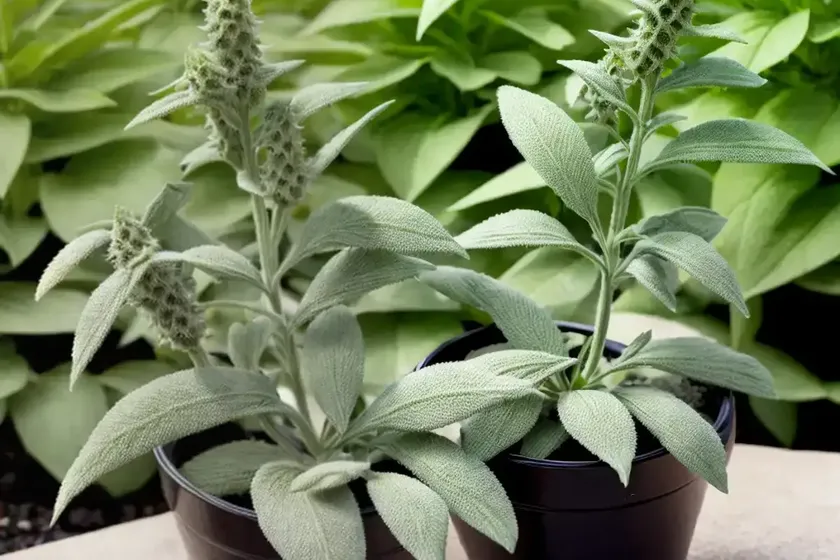
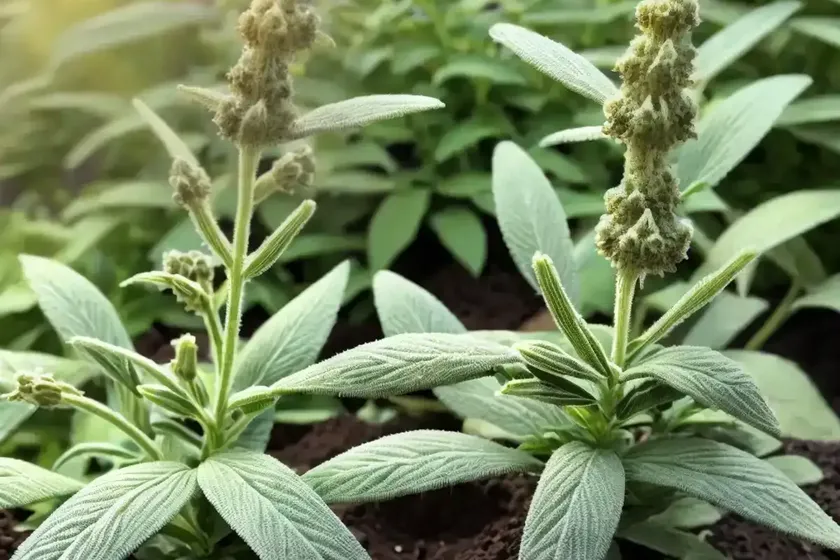
Every plant has its own unique charm and characteristics that make it a valuable addition to any garden or landscape. One such plant is the Salvia clevelandii, commonly known as Cleveland Sage. This perennial shrub, native to Southern California and Baja California, Mexico, has gained popularity not only for its stunning appearance but also for its cultural, medicinal, and ecological significance.
In this comprehensive guide, we will delve into the various aspects of Salvia clevelandii, exploring its culture, uses, care requirements, propagation, common diseases, and much more. Whether you are a seasoned gardener, a plant enthusiast, or someone looking to enhance their green space with the beauty of Cleveland Sage, this guide will provide you with valuable insights and tips for successfully cultivating and appreciating this remarkable plant.
What is Salvia clevelandii (Cleveland Sage)?
Salvia clevelandii, a member of the Lamiaceae family, is a drought-tolerant perennial shrub that is known for its aromatic foliage and stunning display of violet-blue flowers. This plant is indigenous to the chaparral and coastal sage scrub habitats of Southern California and Northern Baja California in Mexico. It thrives in dry, rocky slopes and canyons, where it plays a vital role in supporting local wildlife and contributing to the biodiversity of the region.
Cleveland Sage is characterized by its woody stems, which bear linear to lance-shaped leaves that exude a strong, herbal fragrance when crushed. The flowers, arranged in whorls along the stems, attract pollinators such as bees and butterflies, further adding to the plant’s ecological importance.
In addition to its ecological significance, Salvia clevelandii holds cultural and medicinal value. It has been used for centuries by indigenous communities for its therapeutic properties, and its cultural significance is reflected in its folklore and traditional uses.
Key Takeaways – Salvia clevelandii (Cleveland Sage)
Before delving into the specifics of Cleveland Sage care and cultivation, let’s outline the key takeaways that encapsulate the essence of this remarkable plant:
- Botanical Name: Salvia clevelandii
- Common Name: Cleveland Sage
- Family: Lamiaceae
- Native Habitat: Southern California, Baja California (Mexico)
- Characteristics: Aromatic foliage, violet-blue flowers, drought-tolerant, woody stems
- Cultural and Medicinal Uses: Traditional medicine, folklore, aromatic herb
With these key takeaways in mind, let’s explore the various aspects of caring for and appreciating Salvia clevelandii in garden and landscape settings.
Culture
Understanding the cultural significance and uses of Salvia clevelandii is essential for appreciating the deep-rooted value that this plant holds. From its historical importance to its role in traditional medicine, Cleveland Sage has a rich cultural heritage that adds to its appeal for plant enthusiasts and conservationists alike.
Uses
Salvia clevelandii has been historically revered for its diverse uses, encompassing cultural, medicinal, and botanical applications. Let’s explore these uses in more detail:
Cultural Uses
The cultural significance of Cleveland Sage is deeply rooted in the traditions and folklore of the indigenous communities of Southern California and Baja California. The plant has been utilized in ceremonial practices, such as smudging, due to its aromatic properties and symbolic significance.
In addition, Salvia clevelandii is often incorporated into traditional crafts and rituals, where the plant’s leaves and flowers are valued for their aromatic and visual appeal. Its presence in cultural practices reflects the deep connection between native plant species and the cultural heritage of the region.
Medicinal Uses
Salvia clevelandii possesses medicinal properties that have been recognized and utilized by indigenous communities for generations. The plant’s leaves and essential oils are known for their anti-inflammatory, antiseptic, and aromatic qualities, making them valuable for various medicinal purposes.
The traditional uses of Cleveland Sage in herbal remedies include treatments for respiratory ailments, digestive issues, and topical applications for skin conditions. The plant’s therapeutic potential and cultural significance contribute to its enduring presence in traditional medicine practices.
Water
Understanding the water requirements of Salvia clevelandii is crucial for maintaining the plant’s health and vigor, especially in the context of water-conservation and sustainable gardening practices.
Watering Requirements
Cleveland Sage is well-adapted to drought conditions and thrives in well-draining, arid environments. When establishing Salvia clevelandii in a garden or landscape setting, it is important to provide adequate water during the initial establishment phase to promote root development.
Once established, Salvia clevelandii is relatively drought-tolerant and requires minimal supplemental watering. However, during periods of prolonged drought or extreme heat, providing occasional deep watering can help maintain the plant’s vitality and flowering performance.
Sunlight
The sunlight requirements of Salvia clevelandii play a crucial role in determining its growth, flowering, and overall well-being. Understanding its preferences for sunlight exposure is essential for selecting an ideal planting location and ensuring optimal performance.
Sunlight Requirements
Cleveland Sage thrives in full sunlight and is well-suited to open, sunny locations in the garden or landscape. Providing at least 6-8 hours of direct sunlight daily is recommended for promoting robust growth and abundant flowering.
In regions with intense summer heat, Cleveland Sage may benefit from partial shade during the hottest part of the day, particularly to mitigate heat stress and conserve moisture. However, in general, ample sunlight is essential for the plant’s overall health and vitality.
Fertilizer
While Salvia clevelandii is adapted to nutrient-poor soils, providing occasional fertilization can support its growth and flowering performance. Understanding the appropriate fertilizer application and timing is key to promoting the plant’s vigor without compromising its natural resilience.
Fertilization Tips
When fertilizing Salvia clevelandii, it is important to opt for a balanced, slow-release fertilizer to provide essential nutrients without causing excessive vegetative growth. Applying a granular, low-nitrogen fertilizer in early spring, as new growth emerges, can support the plant’s nutritional needs throughout the growing season.
Avoid over-fertilizing Cleveland Sage, as this can lead to excessive foliage at the expense of flowers and may compromise the plant’s drought tolerance. A conservative approach to fertilization, focused on maintaining the plant’s overall health and natural balance, is advisable for maximizing its ornamental and ecological value.
Soil
Understanding the soil preferences and requirements of Salvia clevelandii is crucial for creating an optimal growing environment that supports the plant’s vitality and long-term health.
Ideal Soil Conditions
Cleveland Sage thrives in well-draining, sandy or loamy soils with a slightly alkaline to neutral pH. It is important to avoid water-logged or overly compacted soils, as these conditions can lead to root rot and overall decline in plant health.
Amending the soil with organic matter, such as compost or well-aged manure, can improve its structure and water retention capacity, which can benefit the establishment and growth of Salvia clevelandii. Additionally, ensuring good soil aeration and drainage is essential for preventing common issues such as root rot and fungal diseases.
Pruning
Pruning Salvia clevelandii plays a crucial role in shaping the plant’s growth, promoting flowering, and maintaining its overall appearance. Understanding the principles of pruning for Cleveland Sage is essential for achieving desired aesthetic and horticultural outcomes.
Pruning Guidelines
Prune Salvia clevelandii in late winter to early spring, just before new growth emerges, to promote a compact and well-branched growth habit. Remove any dead, damaged, or overgrown branches to improve air circulation and encourage the development of new shoots.
To prolong the flowering period and prevent legginess, deadhead faded blooms regularly throughout the growing season. This practice not only maintains the plant’s visual appeal but also encourages continuous flowering and prevents self-seeding in garden settings.
Propagation
Propagating Salvia clevelandii allows plant enthusiasts and gardeners to expand their garden collections and share this remarkable species with others. Understanding the propagation techniques and best practices for Cleveland Sage is essential for successful cultivation and conservation efforts.
Propagation Methods
Salvia clevelandii can be propagated from both seeds and softwood cuttings. Each method offers unique advantages and considerations, allowing for flexibility in propagating this plant to suit specific preferences and objectives.
Propagation from Seeds:
– Collect mature seeds from dried flower clusters in late summer or early fall.
– Sow the seeds in well-draining seed-starting mix and maintain consistent moisture until germination occurs.
– Transplant the seedlings into individual containers or directly into the garden once they have developed several sets of true leaves.
Propagation from Cuttings:
– Take softwood cuttings in late spring to early summer, selecting healthy, non-flowering shoots for propagation.
– Dip the cut ends in rooting hormone and plant the cuttings in a well-draining rooting medium.
– Provide consistent moisture and humidity until the cuttings develop roots, and then transition them to larger containers or planting sites.
Both propagation methods offer viable approaches to expanding the presence of Salvia clevelandii in gardens, landscapes, and restoration projects, contributing to the conservation and appreciation of this valuable plant species.
Container Popularity
Salvia clevelandii’s adaptability to container gardening makes it a popular choice for individuals seeking to cultivate this plant in confined spaces or challenging environments. Understanding the considerations for growing Cleveland Sage in containers is essential for ensuring its success and visual impact.
Container Considerations
When growing Salvia clevelandii in containers, select large, sturdy pots with adequate drainage holes to promote root health and prevent waterlogging. Use a well-draining potting mix formulated for drought-tolerant plants, and incorporate perlite or coarse sand to improve aeration and drainage.
Place the containers in a sunny, well-ventilated location to provide Salvia clevelandii with the necessary sunlight and air circulation for optimal growth. Additionally, monitor the soil moisture levels closely, as containers may dry out more quickly than garden beds, especially during hot, dry periods.
Cleveland Sage’s adaptability to container cultivation expands the possibilities for incorporating this plant into various settings, including urban gardens, balcony displays, and outdoor living spaces, adding a touch of vibrant color and fragrance to confined areas.
Common Diseases
Preventing and managing common diseases is essential for maintaining the health and vigor of Salvia clevelandii. Understanding the potential disease issues and implementing proactive measures can help protect the plant from stress and decline.
Disease Diagnosis
Salvia clevelandii is relatively resistant to most pests and diseases, particularly when grown in well-draining soils and provided with adequate sunlight and air circulation. However, under certain conditions, the plant may be susceptible to fungal diseases, particularly in humid or poorly ventilated environments.
Some common diseases that may affect Cleveland Sage include powdery mildew, leaf spot, and root rot. These issues are often associated with excessive moisture, poor air circulation, and nutrient imbalances, highlighting the importance of maintaining optimal growing conditions to prevent disease development.
Common Pests
Salvia clevelandii is generally resistant to pest infestations, thanks to its aromatic foliage and natural resilience. However, occasional pest issues may arise, and understanding the potential pests and implementing preventative measures is essential for preserving the plant’s health and appearance.
Pest Prevention
Common pests that may affect Salvia clevelandii include aphids, spider mites, and whiteflies. Regularly inspecting the plant for signs of pest activity, such as stippled leaves or honeydew residue, can help identify potential infestations early, allowing for targeted intervention.
Encouraging natural predator populations, such as ladybugs and lacewings, can help control pest populations without the need for chemical treatments. Additionally, providing adequate sunlight and air circulation, and avoiding over-fertilization, can support the plant’s natural defenses against pests.
Botanist’s Tips
As plant enthusiasts and conservationists, there are several key considerations and tips to keep in mind when cultivating Salvia clevelandii. These botanist’s tips encompass practical recommendations for promoting the plant’s health, ecological value, and visual appeal.
Botanist’s Tips for Cultivating Salvia clevelandii
-
Selecting Planting Locations: Choose well-draining, sunny locations for establishing Salvia clevelandii, avoiding areas prone to waterlogging or excessive shade.
-
Watering Wisely: During the establishment phase, provide supplemental water to promote root development, but avoid overwatering once the plant is established to maintain its drought tolerance.
-
Pruning for Vigor: Prune Salvia clevelandii in late winter to promote a compact growth habit and encourage abundant flowering, while also removing dead or overgrown branches.
-
Promoting Pollinator Diversity: Embrace the ecological value of Cleveland Sage by inviting pollinators such as bees and butterflies to your garden, supporting local biodiversity.
-
Conserving Water: Incorporate Salvia clevelandii into water-conservation and drought-tolerant landscapes, highlighting its adaptability to arid environments and its role in habitat restoration.
By integrating these botanist’s tips into your approach to cultivating Salvia clevelandii, you can not only enhance the plant’s performance but also contribute to its ecological significance and conservation efforts.
Fun Facts
Exploring the intriguing and lesser-known aspects of Salvia clevelandii can provide a deeper appreciation for this remarkable plant. From its ecological interactions to its cultural significance, Cleveland Sage offers a wealth of fascinating facts that add to its allure.
Interesting Tidbits about Salvia clevelandii
-
Fragrant Foliage: The aromatic foliage of Salvia clevelandii is not only a delight for human senses but also serves as a natural deterrent for certain pests, showcasing the plant’s multifaceted appeal.
-
Pollinator Magnet: Cleveland Sage’s vibrant, nectar-rich flowers attract numerous pollinators, making it a valuable resource for supporting local bee populations and promoting pollinator diversity.
-
Historical Uses: Salvia clevelandii has been historically revered for its cultural and medicinal uses, highlighting its enduring value and relevance in the traditions of indigenous communities.
-
Drought Tolerance: The adaptability of Cleveland Sage to dry, arid conditions showcases its resilience and suitability for water-conservation landscapes and sustainable gardening practices.
-
Habitat Importance: Salvia clevelandii plays a crucial role in the chaparral and coastal sage scrub ecosystems, supporting a diverse array of wildlife and contributing to the ecological richness of its native habitats.
These fun facts offer a glimpse into the captivating characteristics and ecological significance of Salvia clevelandii, enriching the experience of cultivating and appreciating this exceptional plant.
Links to External Resources
For further exploration and in-depth information on Salvia clevelandii, Cleveland Sage plant care, and related topics, the following external resources are valuable references for plant enthusiasts, researchers, and conservationists:
- University of California Agriculture and Natural Resources – California Sagebrush and Cleveland Sage
- The Jepson Herbarium – Jepson eFlora: Salvia clevelandii
- San Marcos Growers – Salvia clevelandii
- Lady Bird Johnson Wildflower Center – Salvia clevelandii
These resources provide a wealth of botanical information, cultivation tips, and ecological insights, offering diverse perspectives and knowledge to enrich the understanding of Salvia clevelandii and its significance in horticulture and conservation.
In conclusion, the allure of Salvia clevelandii, known as Cleveland Sage, extends far beyond its ornamental beauty, encompassing cultural, ecological, and medicinal dimensions that make it a plant of remarkable value and significance. By delving into its cultural uses, cultivation requirements, and ecological interactions, we can cultivate a deeper appreciation for this extraordinary plant and its contributions to our natural and cultural landscapes.
Salvia clevelandii’s adaptability to diverse environments, its contributions to ecosystem health, and its endurance in the face of drought make it a plant worthy of recognition, conservation, and admiration. As we continue to explore and celebrate the multifaceted appeal of Cleveland Sage, we can foster a greater understanding of the intricate relationships between plants, people, and the natural world, enriching our lives and landscapes with the timeless beauty and significance of Salvia clevelandii.
Citations:
For citations and references, please refer to the links provided in the text.


