White Basswood (Tilia Americana Var. Heterophylla)
The White Basswood, scientifically known as Tilia americana var. heterophylla, is a captivating tree species that has garnered significant attention from.
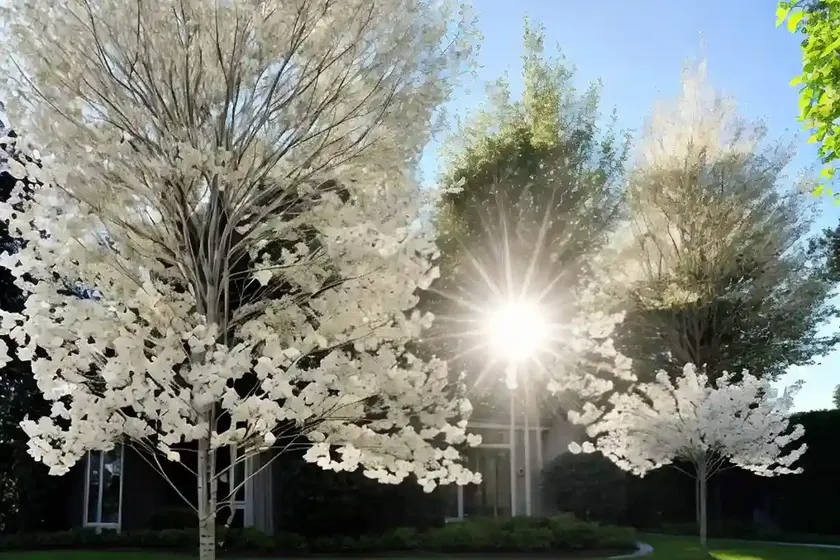
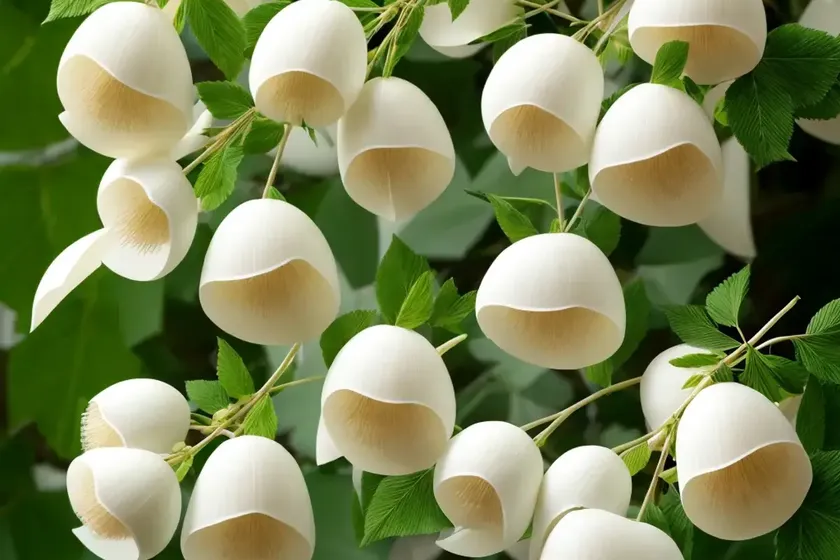
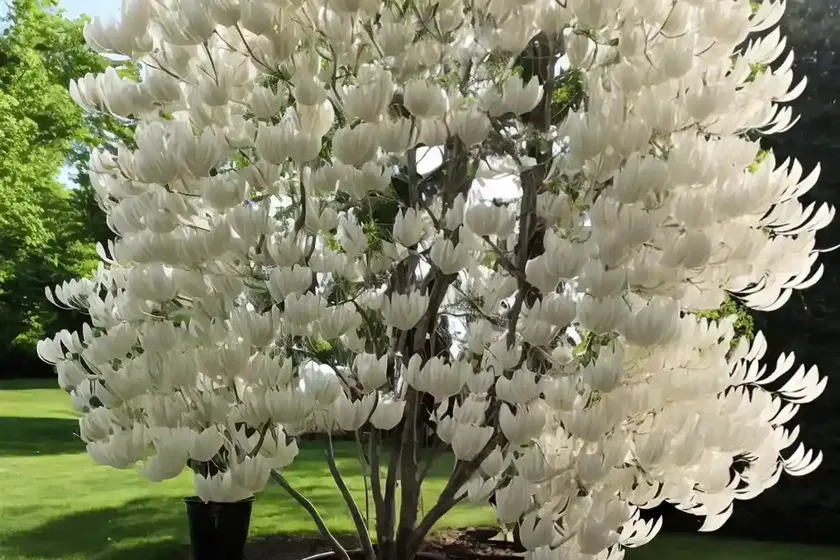
The White Basswood, scientifically known as Tilia americana var. heterophylla, is a captivating tree species that has garnered significant attention from botanists, horticulturists, and nature enthusiasts. This deciduous tree, belonging to the Tiliaceae family, is native to North America and is celebrated for its ecological, cultural, and horticultural significance. Its impressive characteristics, ecosystem value, and practical uses make it a remarkable subject of study and admiration.
In this comprehensive exploration of the White Basswood, we will delve into its cultural symbolism, ecological role, habitat characteristics, growth requirements, conservation status, and much more. By covering its key features, growth conditions, uses, and interactions with the environment, we aim to provide valuable insights into the world of Tilia americana var. heterophylla and highlight its importance in various spheres.
Key Takeaways – White Basswood (Tilia Americana var. Heterophylla)
Before we embark on our journey to unravel the intricacies of the White Basswood, let’s skim through the key takeaways that will guide our exploration and understanding of this remarkable tree:
-
Beneficial Uses and Significance: Understanding the important and diverse uses of the White Basswood, including its cultural, ecological, and economic significance.
-
Habitat and Ecological Role: Exploring the natural habitat, ecological interactions, and the tree’s role in supporting wildlife and ecosystems.
-
Growth and Conservation: Learning about the growth requirements, conservation status, and the conservation efforts targeted at preserving the White Basswood.
-
Cultural and Symbolic Significance: Unraveling the cultural symbolism, traditional uses, and the tree’s impact on human heritage and traditions.
-
Propagation and Management: Discussing the propagation methods, pruning, pest and disease management, and the tree’s adaptability.
As we progress, each of these aspects will be meticulously dissected to offer a comprehensive and insightful overview of the White Basswood and its intricate relationship with the natural world and human societies.
What is the White Basswood (Tilia Americana var. Heterophylla)?
The Tilia americana var. heterophylla, commonly known as White Basswood, represents a distinct variety within the Tilia americana species. It is a deciduous tree known for its large, heart-shaped leaves, fragrant pale-yellow flowers, and its utility in various cultural and commercial applications. The White Basswood is native to the eastern and central regions of North America, thriving in a range of habitats from moist woodlands to river valleys.
Tilia Americana var. Heterophylla Features
-
Foliage: The White Basswood showcases large, alternate leaves with a heart-shaped base and a pointed tip. The surface of the leaves is dark green in color, while the underside is a lighter shade of green. This distinctive foliage contributes to the tree’s aesthetic appeal.
-
Flowers: In early summer, the tree bears clusters of small, fragrant, pale-yellow flowers. These blossoms are a significant source of nectar, attracting various pollinators and benefitting from their ecological interactions.
-
Height: White Basswood trees are known for their impressive heights, with mature specimens often reaching 60 to 80 feet. This notable stature adds to their visual impact in the landscape.
-
Bark: The bark of the White Basswood is gray and relatively smooth, developing distinctive ridges and furrows as the tree matures. This bark texture adds to the tree’s visual and tactile allure.
-
Fruits: After the flowering season, the tree produces small, round, nut-like fruits, each containing a single seed. These fruits are an important food source for certain wildlife species.
White Basswood Tree Facts
-
The White Basswood, while native to North America, has also been introduced and cultivated in various regions across the globe, reflecting its adaptability and horticultural appeal.
-
The wood of the White Basswood is valued for its lightness, fine texture, and ease of carving, making it a favored material for woodcarvings, musical instruments, and beehives.
-
The tree is frequented by a range of pollinators, including bees and butterflies, owing to the copious nectar produced by its flowers.
-
White Basswood leaves are a preferred food source for the larvae of certain moth species, highlighting the tree’s ecological role in supporting biodiversity.
The remarkable features and facts associated with the White Basswood serve as a testament to its ecological value, cultural significance, and practical utility. Understanding these characteristics is crucial in comprehending the holistic impact of the tree within its natural habitat and beyond.
Importance of White Basswood
The White Basswood holds multifaceted importance, spanning ecological, cultural, and economic domains. Its significance is manifested in its various applications and contributions to ecosystems, human traditions, and sustainable practices.
Ecological Importance
-
Wildlife Support: The White Basswood serves as a valuable food source for a diverse array of wildlife, including birds, small mammals, and insects. Its nectar-rich flowers attract pollinators, fostering essential ecological interactions.
-
Biodiversity Enhancement: By providing shelter, food, and nesting sites, the tree contributes to the overall biodiversity of its native habitats, supporting the existence and wellbeing of numerous species.
-
Ecosystem Stability: As a component of forest ecosystems, the White Basswood plays a role in maintaining ecological balance and supporting the resilience of natural environments.
Cultural and Heritage Significance
-
Traditional Uses: The tree has been historically utilized for various purposes, from crafting tools and utensils to creating herbal remedies, showcasing its enduring presence in human traditions and practices.
-
Symbolism: In several cultures, the White Basswood is revered for its symbolism of strength, resilience, and interconnectedness with nature, carrying profound meanings in folklore and belief systems.
Economic and Practical Applications
-
Wood Crafting: The lightweight and workable nature of White Basswood wood has made it a prized material for woodcarvings, sculpting, and the construction of specialty items.
-
Horticulture: The tree is cherished for its ornamental value, frequently used in landscaping and urban forestry projects to enhance green spaces and promote biodiversity.
Understanding the manifold importance of the White Basswood sheds light on its relevance as a natural resource, an ecological contributor, and a bearer of cultural and historical significance, accentuating its value in various spheres of human and natural existence.
Tilia Americana var. Heterophylla Uses
The diverse uses of the White Basswood span a wide spectrum, encompassing ecological, commercial, and traditional applications that underscore the versatility and practicality of the tree.
Ecological Uses
-
Wildlife Habitat: The White Basswood provides food, shelter, and nesting sites, fostering diverse wildlife species and contributing to the overall stability of forest ecosystems.
-
Pollinator Support: The tree’s abundant nectar serves as a vital food source for pollinators, including bees and butterflies, thereby promoting pollination and biodiversity conservation.
Commercial and Practical Applications
-
Woodworking: The light, fine-textured wood of the White Basswood is highly sought after for carving, sculpting, and manufacturing wooden products such as toys, tool handles, and intricate crafts.
-
Horticulture: As an ornamental tree, the White Basswood is used in urban landscaping, public parks, and residential gardens to enhance aesthetic appeal and provide environmental benefits.
-
Medicinal Extracts: Traditionally, various parts of the White Basswood have been used in herbal medicine, with extracts from the bark, leaves, and flowers believed to possess therapeutic properties.
Cultural Significance
-
Symbolic Representations: The White Basswood holds symbolic meaning in cultural narratives and traditional beliefs, often representing resilience, harmony, and the interconnectedness of life.
-
Ceremonial Uses: In certain cultural practices, the tree and its parts are utilized in ceremonies, rituals, or artisanal traditions, underscoring its enduring relevance in heritage and customs.
The utilization of the White Basswood in these diverse spheres emphasizes its adaptability, sustainability, and value to both natural ecosystems and human societies.
White Basswood Tree Description
A detailed description of the White Basswood encompasses its physical attributes, growth patterns, and distinguishing features that collectively define the tree’s character and appeal.
Tree Morphology
The White Basswood is characterized by the following distinct features:
-
Leaves: The leaves are large, heart-shaped, and have serrated edges. They are dark green in color with paler undersides, lending the tree a lush and vibrant appearance.
-
Flowers: The fragrant, pale-yellow flowers are small and arranged in clusters. They bloom in abundance during the early summer period, adding a touch of elegance to the tree.
-
Bark: The bark of the White Basswood starts off with a smooth texture, eventually developing distinctive ridges and furrows as the tree matures, creating a visually appealing and tactilely interesting bark surface.
-
Fruits: Small nut-like fruits, containing a single seed each, follow the flowering season. These fruits serve as a food source for wildlife and contribute to the tree’s ecological relationships.
Growth Pattern
-
Height and Spread: Mature White Basswood trees can attain impressive heights, often reaching between 60 to 80 feet, with a rounded and spreading crown that adds to their visual impact.
-
Rate of Growth: The tree has a moderate growth rate, thriving in well-suited environments and gradually developing into majestic specimens over several years.
-
Lifespan: Given the right conditions, the White Basswood can live for several decades, with instances of longevity adding to its historical and ecological significance within landscapes.
Environmental Requirements
-
Soil: The White Basswood prefers moist, well-drained soils, though it demonstrates adaptability to a range of soil types, including loamy and clayey substrates.
-
Sunlight: While it flourishes in full sunlight, the tree also exhibits tolerance to partial shade, making it adaptable to diverse light conditions in its habitat.
-
Water: Adequate moisture is crucial for the White Basswood, especially during its early growth stages, with regular watering contributing to its overall health and vigor.
-
Climate: The tree is known for its resilience in various climate zones, displaying adaptability to both temperate and relatively humid environments.
Landscape and Aesthetic Value
-
Aesthetic Appeal: The White Basswood’s large, heart-shaped leaves, fragrant flowers, and impressive stature make it an attractive choice for enhancing landscape aesthetics.
-
Urban Landscaping: The tree is frequently employed in urban forestry and landscaping projects, contributing to green spaces, streetscapes, and public parks with its visual and ecological benefits.
A comprehensive understanding of the White Basswood’s description encompasses its physical attributes, growth habits, and environmental preferences, shedding light on the tree’s role as a landscape feature, ecological contributor, and natural wonder.
Tilia Americana var. Heterophylla Characteristics
The White Basswood’s characteristics encompass a rich array of traits, spanning its ecological interactions, horticultural appeal, and enduring cultural symbolism that collectively define its identity and value.
Ecological Characteristics
-
Wildlife Interaction: The tree serves as a haven for diverse wildlife species, offering sustenance, nesting sites, and shelter, thereby enriching the ecological tapestry of its native habitats.
-
Pollinator Support: With its nectar-rich flowers, the White Basswood promotes pollinator activity, aiding in essential ecosystem services such as pollination and floral biodiversity.
-
Ecosystem Contribution: The tree’s role in supporting forest ecosystems, enhancing soil quality, and regulating microclimates underscores its broader ecological significance.
Horticultural Characteristics
-
Ornamental Appeal: The tree’s attractive foliage, fragrant flowers, and imposing height contribute to its desirability as an ornamental species for diverse landscaping and gardening projects.
-
Adaptability: White Basswood trees demonstrate adaptability to various soil types, light conditions, and climate zones, making them versatile and resilient choices in horticultural applications.
Cultural Characteristics
-
Symbolism and Tradition: Revered for its symbolic representations and traditional uses, the White Basswood carries cultural significance and heritage value in different societal contexts.
-
Artisanal Value: The tree’s wood and other parts hold artisanal and practical value, finding creative and utilitarian use in crafts, ceremonies, and various traditional practices.
By examining the diverse characteristics of the White Basswood, we gain a comprehensive understanding of its ecological, horticultural, and cultural dimensions, unveiling its significance in various systems and settings.
White Basswood Medicinal Properties and Traditional Uses
It is noteworthy that various parts of the White Basswood have been historically utilized for their purported medicinal properties, and the tree holds traditional significance in herbal practices and cultural folklore.
Medicinal Properties
-
Bark Extracts: Traditional medicine systems have used bark extracts from the White Basswood for their potential therapeutic properties, with applications aimed at addressing certain health concerns.
-
Leaf and Flower Infusions: Infusions or extracts made from the tree’s leaves and flowers have been ascribed with potential medicinal benefits in select herbal traditions.
Traditional Uses
-
Herbal Remedies: The White Basswood is associated with the preparation of herbal remedies aimed at addressing specific health issues, reflective of its historical role in traditional medicine practices.
-
Ceremonial and Ritualistic Uses: In certain cultural contexts, the tree’s parts, such as leaves, bark, or flowers, are incorporated into ceremonial or ritualistic practices, imparting symbolic and cultural significance.
While the modern scientific validation of these medicinal attributes is an ongoing area of research and exploration, the historical and cultural significance of the White Basswood in traditional medicine underscores its enduring relevance and contributions to human wellbeing and heritage.
Tilia Americana var. Heterophylla Habitat
The natural habitat of the White Basswood constitutes a pivotal aspect of its ecology and distribution, shaping its growth patterns and ecological interactions within specific environmental contexts.
Native Range
-
North American Distribution: The White Basswood is native to the eastern and central regions of North America, encompassing a range of states and provinces within the United States and Canada.
-
Woodland and Riparian Habitats: The tree thrives in moist woodlands, riparian areas, and along river valleys, displaying an affinity for well-drained, fertile soils in these habitats.
Ecosystem Associations
-
Forest Communities: White Basswood trees are integral components of various forest ecosystems, contributing to the structural diversity, species richness, and functional dynamics of these communities.
-
Riparian Corridors: Along riverbanks and watercourses, the tree’s presence supports the stability and biodiversity of riparian corridors, offering a range of ecological benefits.
Climate Adaptability
-
Temperate Regions: The tree exhibits adaptability to temperate climate zones, displaying resilience to seasonal variations and moderate climatic extremes.
-
Relative Humidity: The White Basswood adapts to relatively humid environments, showcasing its capacity to thrive in diverse moisture conditions.
Understanding the native habitat of the White Basswood provides insights into its ecological niche, distribution patterns, and associations with specific environmental contexts, enhancing our comprehension of its place within natural landscapes.
White Basswood Tree Care and Growth
Caring for White Basswood trees necessitates attention to key growth requirements, maintenance practices, and strategies for ensuring the tree’s health, vigor, and longevity within diverse horticultural settings.
Growth Requirements
-
Soil: The tree thrives in moist, well-drained soils, preferring loamy or fertile substrates, and benefiting from organic matter amendments for optimal growth.
-
Sunlight: While the White Basswood appreciates full sunlight, it also tolerates partial shade, enabling its successful adaptation to varying light conditions in horticultural environments.
-
Watering: Adequate moisture, especially during the tree’s establishment phase, is crucial for promoting healthy growth and supporting the development of robust root systems.
-
Pruning: Regular pruning, aimed at removing dead or diseased branches and shaping the tree’s form, contributes to its structural integrity and aesthetic appeal.
Fertilization and Nutrient Management
-
Nutrient Requirements: White Basswood trees benefit from balanced fertilization, with applications of appropriate fertilizers supporting their nutritional needs and promoting growth.
-
Environmental Stress Management: Assessing and addressing environmental stresses such as drought, compacted soil, or nutrient deficiencies is essential for ensuring the tree’s overall health and vitality.
Pest and Disease Management
-
Pest Identification: Regular monitoring for common pests, such as aphids or caterpillars, helps in early pest detection and the implementation of targeted control measures.
-
Disease Prevention: Mitigating the risk of diseases, such as powdery mildew or leaf spots, involves adopting preventive practices and maintaining overall tree vigor.
Understanding and implementing these care and growth strategies are instrumental in fostering the health and longevity of White Basswood trees, ensuring their optimal performance and contribution to landscapes and green spaces.
White Basswood Tree Pruning
Pruning White Basswood trees is an essential aspect of their maintenance, enabling the enhancement of their aesthetics, structural integrity, and overall health within horticultural and urban settings.
Timing and Frequency
-
Early Pruning: Pruning young White Basswood trees, focusing on reshaping their form and removing competing branches, contributes to their long-term structure and development.
-
Regular Maintenance: Ongoing pruning, aimed at removing deadwood, managing dense growth, and promoting air circulation, is crucial for maintaining tree health and managing its size.
Techniques and Best Practices
-
Deadwood Removal: Pruning out dead, damaged, or diseased branches supports the tree’s vitality and reduces the risk of disease spread within the crown.
-
Thinning and Shaping: Thinning the crown and shaping the tree’s form through selective branch removal contributes to its aesthetic appeal and long-term structural strength.
Professional Assistance
-
Arborist Consultation: In cases of complex pruning needs or large-scale tree management, consulting with certified arborists ensures the application of appropriate pruning techniques and practices.
-
Safety Considerations: Engaging professional tree care services for pruning activities helps ensure safety, precision, and adherence to best industry practices.
Pruning White Basswood trees in alignment with these best practices and considerations contributes to their overall health, appearance, and longevity, reinforcing their value in urban and horticultural environments.
White Basswood Tree Propagation Methods
The propagation of White Basswood trees involves various techniques that enable the production of new trees, offering opportunities for horticultural propagation and conservation efforts.
Seed Propagation
-
Seed Collection: Gathering mature seeds from White Basswood trees enables their use in controlled propagation and the establishment of new seedlings.
-
Seed Treatment: Stratifying seeds or subjecting them to appropriate pre-treatments enhances their germination viability and enables successful propagation.
Vegetative Propagation
-
Cuttings: Rooting stem cuttings from selected White Basswood specimens allows for the cloning of specific genetic traits and the efficient production of new rooted plants.
-
Grafting: Utilizing specific grafting techniques facilitates the propagation of desired cultivars and the conservation of genetic diversity within the tree species.
Nursery Practices
-
Propagation Facilities: Operating propagation facilities that adhere to industry best practices enables the successful production and nurturing of White Basswood seedlings and rooted cuttings.
-
Conservation Considerations: Incorporating White Basswood propagation into conservation and restoration programs supports the preservation of the species and its genetic diversity.
Implementing these propagation methods supports the sustainable production and conservation of White Basswood trees, contributing to their availability, genetic diversity,


