Autumn Sage (Salvia Greggii ‘Wild Thing’)
Salvia greggii, commonly known as autumn sage, is a flowering perennial plant that belongs to the mint family, Lamiaceae. It is native to Texas and Mexico.
Introduction
What is the Autumn Sage Plant?
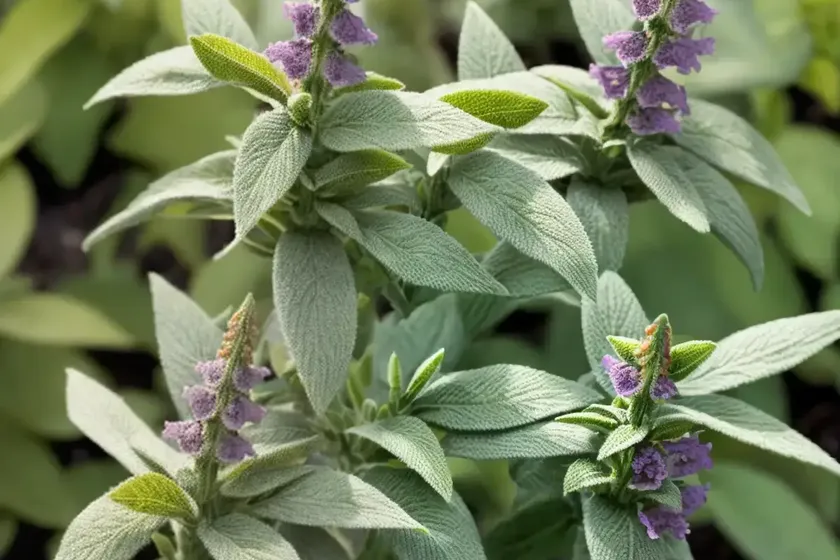
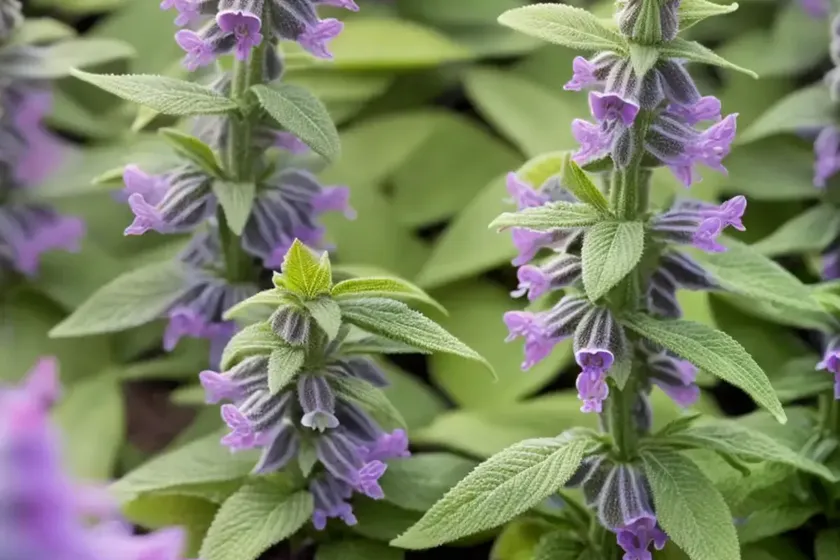
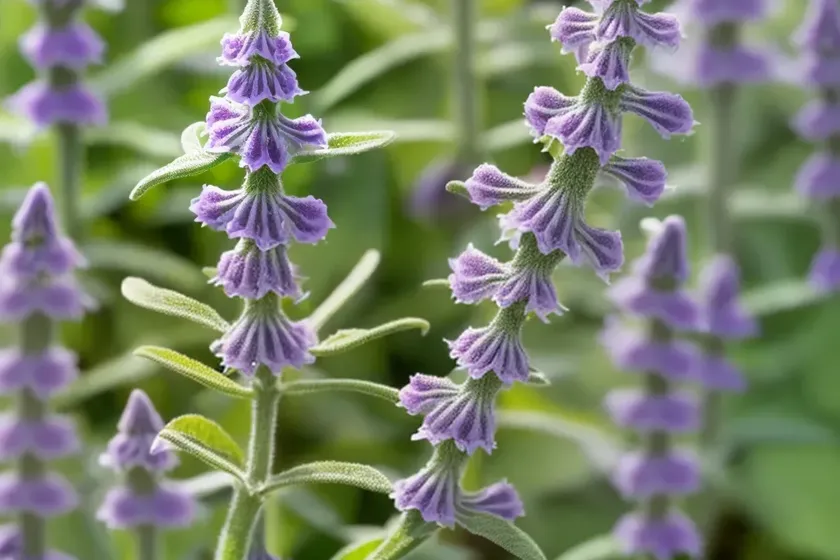
Salvia greggii, commonly known as autumn sage, is a flowering perennial plant that belongs to the mint family, Lamiaceae. It is native to Texas and Mexico and is well-adapted to arid and semi-arid climates. The specific cultivar, ‘Wild Thing’, is a delightful and vibrant variation of the species, known for its stunning flower display and low maintenance requirements. In this comprehensive guide, we will explore the key characteristics and requirements of the autumn sage ‘Wild Thing’, encompassing its culture, uses, care, and propagation.
Key Takeaways – Autumn Sage (Salvia greggii ‘Wild Thing’)
- Autumn sage (Salvia greggii ‘Wild Thing’) is a vibrant cultivar of the Salvia greggii species, prized for its stunning flowers and easy care.
- Its culture involves specific considerations related to water, sunlight, fertilizer, soil, and pruning.
- The plant is versatile and can be utilized in various landscaping designs, while its notable drought tolerance makes it suitable for water-wise gardens.
- The ‘Wild Thing’ cultivar exhibits lush foliage and attracts pollinators, enhancing the overall biodiversity of gardens.
Culture
Uses
-
Landscaping: The ‘Wild Thing’ cultivar of Salvia greggii is a popular choice for landscaping due to its profuse flowering and low maintenance requirements. It adds vibrant color to garden beds, borders, and containers, making it an excellent choice for enhancing visual appeal.
-
Pollinator Attraction: The abundance of flowers on the ‘Wild Thing’ sage makes it a valuable asset for attracting pollinators such as bees, butterflies, and hummingbirds. Its nectar-rich blooms provide sustenance for these beneficial insects, contributing to the overall health of the garden ecosystem.
Water
The autumn sage ‘Wild Thing’ exhibits remarkable drought tolerance, making it suitable for xeriscaping and water-wise gardening. While it can withstand periods of dryness, especially once established, regular watering is still essential, particularly during the initial stages of growth and flowering. Adequate moisture helps maintain the plant’s vitality and encourages prolific blooming.
Sunlight
Salvia greggii ‘Wild Thing’ thrives in full sunlight and requires at least six to eight hours of direct sunlight per day to flourish. When provided with the ideal amount of sunlight, the plant produces an abundance of colorful blooms and maintains a compact and vigorous growth habit.
Fertilizer
The ‘Wild Thing’ sage appreciates well-draining, nutrient-rich soil. Incorporating a balanced, slow-release fertilizer in the spring, as new growth emerges, can further promote the plant’s overall health and flowering performance. However, it’s essential to avoid excessive fertilization, as this can lead to excessive foliage growth at the expense of flowers.
Soil
The autumn sage ‘Wild Thing’ thrives in well-drained soil with a slightly acidic to neutral pH. Amending the soil with organic matter, such as compost, helps enhance its structure and fertility. Consistent moisture retention, without waterlogging, is crucial for supporting the plant’s growth and blooming potential.
Pruning
Pruning plays a vital role in maintaining the compact and tidy appearance of Salvia greggii ‘Wild Thing’. Regular deadheading, which involves the removal of spent flowers, encourages continuous blooming and prevents the plant from diverting energy into seed production. Additionally, light pruning in early spring can help rejuvenate the plant and stimulate new growth.
Propagation
The autumn sage ‘Wild Thing’ can be propagated through several methods, including stem cuttings and division. Both approaches are effective in generating new plants with identical characteristics to the parent plant. Propagation via stem cuttings involves selecting healthy, non-flowering shoots and rooting them in a well-draining growing medium. Division, on the other hand, entails dividing the plant’s root mass into smaller sections, each containing viable roots and shoots.
Container Popularity
Salvia greggii ‘Wild Thing’ is well-suited for container gardening, offering a compact growth habit and a profusion of colorful blooms. When cultivated in containers, it adds a dynamic focal point to patios, decks, and outdoor living spaces. The plant’s versatility and low maintenance needs make it an attractive choice for container gardening enthusiasts seeking a splash of vibrant color.
Container Common Diseases
The ‘Wild Thing’ cultivar of Salvia greggii is relatively resilient to common diseases, owing to its robust constitution and excellent air circulation. However, certain environmental conditions, such as excessive moisture or poor drainage, can predispose the plant to issues like root rot and powdery mildew. Regular monitoring and addressing potential risk factors, such as overwatering, can effectively safeguard the plant’s health.
Disease Diagnosis
Common Pests
While the ‘Wild Thing’ sage is generally resistant to pests, it may occasionally encounter infestations from spider mites, aphids, or whiteflies. These pests can cause damage to the plant by feeding on its foliage and disrupting its overall vigor. Implementing natural and organic pest control methods, such as spraying with neem oil or introducing beneficial insects, can help mitigate pest populations while preserving the plant’s health.
Botanist’s Tips
- Choosing a well-drained planting site is critical for the success of Salvia greggii ‘Wild Thing’, as it helps prevent waterlogging and root rot.
- Deadheading: Regular deadheading promotes prolonged flowering and prevents the plant from expending energy on seed production, resulting in a more abundant and sustained bloom display.
- Overwintering: In regions with harsh winters, providing a protective layer of mulch around the base of the plant helps insulate the roots and safeguard it from extreme low temperatures.
Fun Facts
- The ‘Wild Thing’ cultivar of Salvia greggii was selected for its striking, deep pink flowers and its vigorous growth habit, making it a standout addition to gardens and landscapes.
- Autumn sage is known for its aromatic foliage, which emits a pleasant fragrance when brushed or crushed, adding an olfactory element to its ornamental appeal.
Links to External Resources
In conclusion, Salvia greggii ‘Wild Thing’ is an exceptional plant cherished for its vibrant blooms, low maintenance requirements, and versatility in landscape and container settings. By adhering to its specific cultural needs and implementing proactive care measures, gardeners can enjoy a stunning display of flowers and contribute to the flourishing biodiversity of their outdoor spaces. Whether used in a pollinator garden, mixed border, or container arrangement, the ‘Wild Thing’ sage is sure to captivate with its striking presence and enduring charm.


