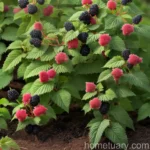
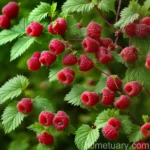
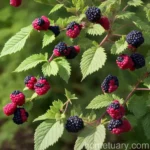
Rubus occidentalis ‘Jewel’ (Summer Bearing Raspberry)
Introduction
Raspberry plants are among the most popular and rewarding fruits to grow in home gardens. Known for their delicious fruit and easy cultivation, the summer-bearing raspberry ‘Rubus occidentalis ‘Jewel’ is a delightful addition to any garden. In this comprehensive guide, we will explore every aspect of the ‘Jewel’ raspberry plant, from its culture and uses to its diseases and pests. Whether you are a seasoned gardener or a beginner, this article will provide you with the knowledge and tips needed to successfully grow and enjoy this wonderful plant.
What is Rubus occidentalis ‘Jewel’?
The Rubus occidentalis ‘Jewel’, commonly known as the ‘Jewel’ raspberry, is a summer-bearing raspberry plant. It belongs to the Rubus genus, which includes blackberries, dewberries, and other raspberries. This cultivar is renowned for its large, tart-sweet fruits and vigorous growth. The ‘Jewel’ raspberry is an excellent choice for home gardens and commercial production due to its high yield and disease resistance.
Key Takeaways – Rubus occidentalis ‘Jewel’ (Summer Bearing Raspberry)
Before delving into the specifics of growing and caring for the ‘Jewel’ raspberry plant, let’s take a look at some key takeaways:
- Scientific Name: Rubus occidentalis ‘Jewel’
- Type: Summer bearing raspberry
- Fruit: Large, tart-sweet raspberries
- Growth Habit: Vigorous and erect
- Disease Resistance: High
- Suitable for: Home gardens and commercial production
Now that we have an overview of the ‘Jewel’ raspberry, let’s explore the various aspects of its cultivation and care.
Culture
Cultivating the ‘Jewel’ raspberry plant involves several key factors, including water, sunlight, fertilizer, soil, and pruning. Understanding the specific cultural requirements of this plant is essential for ensuring its healthy growth and bountiful fruit production.
Uses
The ‘Jewel’ raspberry plant has numerous uses, making it a valuable addition to any garden. Some of its primary uses include:
- Fresh Consumption: The delicious, tart-sweet fruits are perfect for fresh consumption, adding a burst of flavor to salads, desserts, and snacks.
- Jams and Preserves: The high pectin content in raspberries makes them ideal for making flavorful jams, jellies, and preserves.
- Baking: Raspberries are a popular ingredient in a wide range of baked goods, including pies, tarts, muffins, and cakes.
- Freezing: The fruits can be frozen for long-term storage, allowing for enjoyment throughout the year.
Water
Proper watering is crucial for the growth and fruiting of the ‘Jewel’ raspberry plant. While raspberries are relatively drought-tolerant, consistent moisture is essential, particularly during fruit development. The following guidelines can help in ensuring adequate water supply:
- Establishment: Newly planted raspberry canes require regular watering to help them establish a strong root system. Provide approximately 1-2 inches of water per week, depending on weather conditions.
- Fruiting Season: During the fruiting season, raspberries need consistent moisture to support the development of plump, juicy fruits. Monitor the soil moisture and increase watering as needed, particularly during dry spells.
- Mulching: Applying a layer of organic mulch around raspberry plants can help retain soil moisture and reduce water evaporation.
Sunlight
Raspberries thrive in full sun, requiring at least 6-8 hours of direct sunlight per day. When selecting a site for planting ‘Jewel’ raspberry, ensure that it receives ample sunlight to promote robust growth and abundant fruiting. In regions with extremely hot summers, some afternoon shade can be beneficial to prevent stress on the plants.
Fertilizer
Fertilizing raspberry plants is essential for providing the nutrients necessary for healthy growth and fruit production. A balanced fertilizer with equal parts of nitrogen, phosphorus, and potassium (e.g., 10-10-10) is suitable for raspberries. Here are some fertilizer application tips:
- Spring Application: Apply a balanced fertilizer in early spring before new growth begins. Follow the recommended application rates based on the fertilizer type and the size of the raspberry patch.
- Mid-Season Feeding: If the plants show signs of nutrient deficiency, a mid-season application of fertilizer can be beneficial. Ensure that the fertilizer is watered in thoroughly after application to prevent root burn.
Soil
Raspberry plants thrive in well-drained, loamy soil with a slightly acidic to neutral pH (pH 5.5-6.5). Before planting ‘Jewel’ raspberries, consider the following soil preparation steps:
- Soil Testing: Conduct a soil test to determine the soil’s pH and nutrient levels. Amend the soil as needed to achieve the optimal conditions for raspberry cultivation.
- Organic Matter: Incorporate organic matter such as compost or well-rotted manure into the soil to improve its structure and fertility.
- Drainage: Ensure that the planting site has good drainage to prevent waterlogging, which can lead to root rot and other issues.
Pruning
Pruning raspberry plants is essential for maintaining plant vigor, controlling growth, and maximizing fruit production. The ‘Jewel’ raspberry, being a summer-bearing variety, requires specific pruning practices to ensure optimal yields. Here are the key pruning considerations:
- Removal of Spent Canes: After the fruiting season, remove the canes that have borne fruit to make room for new growth. These canes can be identified by their grayish color and lack of vigor.
- Training New Canes: Select and train the strongest, healthiest canes for the next year’s fruit production. Prune the new canes to the desired height to encourage lateral branching and facilitate harvesting.
Propagation
Propagating ‘Jewel’ raspberries allows for an increase in plant numbers and the establishment of new raspberry patches. Several propagation methods can be employed, each with its own set of advantages and considerations.
Companion Planting
Companion planting involves growing ‘Jewel’ raspberries alongside other plants that can benefit each other in various ways, such as pest control, pollination, and resource utilization. Some suitable companion plants for raspberries include:
- Herbs: Herbs like basil, thyme, and dill can attract beneficial insects and provide natural pest control.
- Flowers: Planting flowers such as marigolds and calendula can enhance pollination and attract pollinators to the raspberry patch.
Winter Care
Proper winter care is essential for protecting ‘Jewel’ raspberry plants from cold temperatures and ensuring their vigor and productivity in the following growing season. Here are some winter care tips for raspberry plants:
- Mulching: Apply a layer of organic mulch around the base of raspberry canes to insulate the soil and protect the roots from extreme temperature fluctuations.
- Pruning: Before winter sets in, prune any damaged or weak canes to promote healthy growth in the upcoming season.
- Protection from Pests: Inspect the raspberry patch for signs of pest infestation and take necessary measures to control pest populations before winter.
Popularity
The ‘Jewel’ raspberry variety has gained popularity among gardeners and commercial growers for several reasons, including its exceptional fruit quality, disease resistance, and ease of cultivation. The following factors contribute to the widespread popularity of this raspberry cultivar:
- High Yield: ‘Jewel’ raspberries are known for their high yield of large, flavorful fruits, making them a favorite among those who seek bountiful harvests.
- Disease Resistance: This cultivar exhibits resistance to certain common raspberry diseases, reducing the need for stringent disease management practices.
- Adaptability: ‘Jewel’ raspberries can adapt to a wide range of climates and growing conditions, allowing them to thrive in diverse regions.
- Ease of Maintenance: The vigorous growth and relatively low maintenance requirements make ‘Jewel’ raspberries a convenient choice for both home gardeners and commercial producers.
Common Diseases and Pests
Despite their overall hardiness, ‘Jewel’ raspberries are susceptible to certain diseases and pests that can affect plant health and fruit quality. Understanding these potential issues is crucial for implementing effective management strategies.
Disease Diagnosis
Several common raspberry diseases can affect the ‘Jewel’ raspberry plant, with symptoms ranging from leaf discoloration to fruit rot. It is essential to be able to identify these diseases accurately to initiate timely intervention. Some common raspberry diseases include:
- Anthracnose: Identified by sunken lesions on berries and canes, as well as wilting and dieback.
- Powdery Mildew: Characterized by powdery white growth on leaves and shoots, often leading to leaf distortion and reduced photosynthesis.
- Botrytis Fruit Rot: Results in gray mold on berries, often occurring under humid and wet conditions.
Common Pests
In addition to diseases, raspberry plants can be affected by various pests, including insects and mites. Common raspberry pests include:
- Japanese Beetles: These beetles can skeletonize raspberry leaves and cause significant damage to the plant if left uncontrolled.
- Raspberry Cane Borer: The larvae of this insect bore into raspberry canes, causing wilting and dieback.
Botanist’s Tips
As a botanist specializing in raspberry cultivation, I have gathered valuable tips and insights to help growers successfully care for and enjoy the ‘Jewel’ raspberry plant. Here are some essential tips for cultivating this wonderful fruit:
- Site Selection: Choose a planting site with well-drained soil, ample sunlight, and good air circulation to promote healthy raspberry growth.
- Pruning Techniques: Master the art of pruning raspberries to maintain plant vigor, manage growth, and ensure optimal fruit production.
- Disease Monitoring: Regularly inspect raspberry plants for signs of diseases and pests, and take proactive measures to prevent or manage any issues.
Fun Facts
To further appreciate the allure of the ‘Jewel’ raspberry plant, here are some fun facts about raspberries and their cultivation:
- Ancient History: Raspberries have been enjoyed by humans for thousands of years, with evidence of their consumption dating back to prehistoric times.
- Pollination: Raspberries are generally pollinated by bees, and planting pollinator-friendly flowers nearby can enhance pollination and fruit set.
- Color Variations: Raspberries are not only red but can also be black, purple, or yellow, adding visual diversity to the garden.
Links to External Resources
To deepen your knowledge of ‘Jewel’ raspberries and their cultivation, consider exploring the following resources:
- Raspberry Planting and Harvesting Guide
- Raspberry Diseases and Pests Management
- Pruning Raspberries for Maximum Yield
- Companion Planting for Raspberry Health
- Winter Care for Raspberry Plants
- Raspberry Production Guide
In conclusion, the Rubus occidentalis ‘Jewel’ (Summer Bearing Raspberry) presents a delightful opportunity for growers to experience the joy of cultivating a bountiful and delicious fruit. By understanding and implementing the cultural practices, disease management, and other essential aspects of raspberry cultivation, you can enjoy a productive and rewarding raspberry patch in your own garden. Whether you are a raspberry enthusiast or new to raspberry growing, the ‘Jewel’ raspberry offers a delightful and fruitful journey for any gardener.
Remember to share your experiences with ‘Jewel’ raspberries and stay connected with the gardening community to exchange valuable insights and tips for successful raspberry cultivation.
Happy Growing!