Rubus deliciosus (Delicious Raspberry): A Complete Plant Care Guide
Raspberries are not only delicious fruits but also a joy to grow. The satisfaction of cultivating your own fresh, plump raspberries is incomparable. In this comprehensive guide, we will unravel the mysteries of growing Rubus deliciosus, commonly known as the Delicious Raspberry.
What is Rubus deliciosus (Delicious Raspberry)?
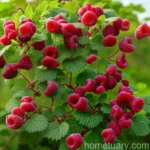
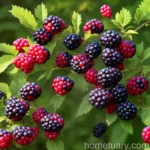
Rubus deliciosus is a species of raspberry native to North America. It belongs to the Rosaceae family and is known for its delectable, sweet fruits. The plant is a deciduous shrub and is characterized by prickly, biennial stems, known as canes, which bear the delectable red or black fruits in summer.
Key Takeaways – Rubus deliciosus (Delicious Raspberry)
Before delving into the details of cultivating Rubus deliciosus, let’s take a quick look at the key takeaways:
- Cultivation: Understanding the best practices for growing Rubus deliciosus.
- Varieties: Exploring the different varieties of Delicious Raspberry.
- Growing Tips: Essential tips for cultivating healthy, productive plants.
- Health Benefits: Discovering the nutritional and health benefits of Rubus deliciosus.
- Care Guide: A comprehensive guide for the care and maintenance of Delicious Raspberry plants.
- Soil Requirements: Identifying the best soil conditions for optimal growth.
- Container Gardening: Tips for growing Rubus deliciosus in containers.
- Pruning Techniques: Understanding the importance of pruning and the best techniques to employ.
- Diseases and Pests: Recognizing common diseases and pests that affect Rubus deliciosus.
- Sunlight Needs: Exploring the significance of sunlight for healthy plant growth.
Now, let’s explore each of these aspects in detail to gain a comprehensive understanding of nurturing Rubus deliciosus.
Cultivation of Rubus deliciosus
Culture
Rubus deliciosus thrives in moderate to cool climates and prefers well-drained, slightly acidic soil. The optimal temperature for its growth ranges from 15 to 25°C (59 to 77°F). It’s crucial to provide the plant with adequate sunlight and moisture for vigorous growth and bountiful fruiting.
Uses
The uses of Rubus deliciosus extend beyond its tantalizing fruits. Besides being a wonderful addition to culinary delights, the plant has traditional medicinal uses. The leaves and fruits of Rubus deliciosus have been used in herbal remedies for their astringent properties, aiding in the treatment of diarrhea and other gastrointestinal disorders.
Water
Proper irrigation is essential for the growth and fruiting of Rubus deliciosus. The plant requires consistent moisture, especially during the fruiting season. However, it’s important to avoid waterlogging, which can lead to root rot. A well-regulated watering schedule is key to ensuring healthy and productive plants.
Sunlight
Rubus deliciosus demands ample sunlight for photosynthesis and fruit development. A minimum of 6 hours of direct sunlight is recommended for optimal growth and fruiting. Insufficient sunlight can result in leggy growth and poor fruit production.
Fertilizer
Fertilizing Rubus deliciosus is crucial for providing essential nutrients for robust growth and fruiting. A balanced, organic fertilizer applied in spring can promote healthy cane development and fruit set. Additionally, incorporating compost into the soil can enhance its fertility and structure, benefiting the overall health of the plants.
Soil
The ideal soil for Rubus deliciosus is well-drained loam with a slightly acidic to neutral pH ranging from 5.5 to 6.5. It’s important to ensure good soil aeration and moisture retention to support the growth of healthy root systems. Regular soil testing can aid in monitoring and adjusting the pH and fertility levels to meet the plant’s requirements.
Pruning
Pruning plays a significant role in maintaining the health and productivity of Rubus deliciosus. It involves the removal of spent canes, diseased or damaged wood, and thinning to facilitate adequate airflow and light penetration. Pruning also encourages the development of strong, new canes, which are essential for future fruiting.
Propagation
Rubus deliciosus can be propagated through various methods such as tip layering, division, and hardwood cuttings. These techniques enable the multiplication of the plants, thereby expanding your raspberry patch or garden.
Container Gardening
Growing Rubus deliciosus in containers is an excellent option for gardeners with limited space. Selecting large containers with adequate drainage and using quality potting mix can support the growth of healthy raspberry plants on patios, balconies, or other urban settings.
Popularity of Rubus deliciosus
The popularity of Rubus deliciosus is no surprise given its delightful fruits and relatively easy cultivation. Gardeners and fruit enthusiasts value the plant for its delectable berries and its ornamental appeal. Its versatility for fresh consumption, jams, and baked goods enhances its desirability as a garden plant.
Common Diseases
Rubus deliciosus is susceptible to various diseases, including anthracnose, cane blight, and phytophthora root rot. Recognizing the symptoms and employing appropriate control measures are crucial for minimizing the impact of these diseases and preserving plant health.
Disease Diagnosis
Diagnosing diseases in Rubus deliciosus involves careful observation of symptoms such as leaf spots, wilting canes, or fruit rot. Seeking assistance from local agricultural extension services or plant pathology experts can aid in accurate disease diagnosis and the implementation of effective management strategies.
Common Pests
Pests such as aphids, spider mites, and raspberry fruitworms can pose significant challenges to Rubus deliciosus. Regular scouting and the use of integrated pest management techniques are vital for mitigating pest infestations and protecting the plants from damage.
Botanist’s Tips for Rubus deliciosus
To ensure the successful cultivation of Rubus deliciosus, consider the following botanist’s tips:
- Select well-drained soil with good fertility for optimal growth.
- Provide adequate spacing between plants to facilitate air circulation and reduce disease pressure.
- Incorporate organic matter into the soil to enhance its structure and nutrient content.
- Implement a trellising system to support the canes and facilitate ease of maintenance and harvesting.
- Monitor the plants regularly for signs of diseases, pests, and nutrient deficiencies, and take timely corrective actions.
Fun Facts about Rubus deliciosus
As we explore the intriguing world of Rubus deliciosus, let’s unravel some fun facts about this captivating plant:
- The cultivated raspberry, Rubus idaeus, is believed to be a hybrid of Rubus strigosus and Rubus occidentalis, making it a close relative of Rubus deliciosus.
- Raspberries are not only available in red and black varieties but also in delightful golden and purple hues, adding an enchanting array of colors to the garden and the plate.
- A raspberry is not a true berry but an aggregate fruit, comprising numerous smaller fruits, or drupelets, tightly clustered together.
- Rubus deliciosus is an excellent attractant for pollinators such as bees and butterflies, benefiting the overall health and biodiversity of the garden ecosystem.
Links to External Resources
As we conclude our exploration of Rubus deliciosus, I recommend diving deeper into the world of raspberry cultivation and horticulture through the following external resources:
- The American Raspberry & Blackberry Association (ARBA)
- University of California Division of Agriculture and Natural Resources – Raspberry and Blackberry Information
- National Garden Bureau – Raspberry Cultivation Guide
- Royal Horticultural Society – Growing Raspberries
In conclusion, Rubus deliciosus, the Delicious Raspberry, captivates gardeners and fruit enthusiasts with its flavorful fruits and enchanting presence in the garden. By understanding its specific cultural requirements, employing effective management practices, and savoring its delightful harvest, one can embark on an inspiring journey of cultivating this delectable and rewarding plant.
As you embark on your raspberry cultivation journey, remember to savor the process, celebrate the bountiful harvests, and share the joy of Rubus deliciosus with fellow enthusiasts and nature’s discerning visitors.
Happy Raspberry Growing!
Remember – Great plants start with the right care.
References
- “Raspberries – EDIS” – University of Florida IFAS Extension
- “Growing Raspberries in Your Home Garden” – Penn State Extension
- “Raspberry and Blackberry Culture for the Home Garden” – University of Missouri Extension
- “Raspberries and Blackberries for the Home Garden” – UMass Extension: Center for Agriculture, Food, and the Environment