Plant Profile: Blackberry (Rubus ‘Illini Hardy’)
Blackberries are sweet, dark-colored, and nutrient-rich fruits that are beloved by many. The Rubus genus encompasses a wide variety of blackberry plants, and one such notable cultivar is the ‘Illini Hardy.’ In this comprehensive plant profile, we will delve into the ins and outs of growing and caring for the Blackberry (Rubus ‘Illini Hardy’). We will cover various aspects including its culture, uses, water requirements, sunlight needs, fertilizer application, soil preferences, pruning techniques, propagation methods, disease and pest management, along with some fascinating fun facts and expert tips.
What is Blackberry (Rubus ‘Illini Hardy’)?
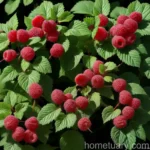
Blackberry (Rubus ‘Illini Hardy’) is a hardy deciduous shrub that belongs to the Rosaceae family. This thorny shrub is renowned for its delicious, dark-purple berries and its ability to thrive in diverse climatic conditions. The ‘Illini Hardy’ cultivar is particularly valued for its adaptability, cold hardiness, and delectable fruits, making it a popular choice among home gardeners and commercial growers alike.
Table of Contents
- Introduction to Blackberry (Rubus ‘Illini Hardy’)
- Culture of Blackberry (Rubus ‘Illini Hardy’)
- Uses of Blackberry (Rubus ‘Illini Hardy’)
- Water Requirements
- Sunlight Needs
- Fertilizer Application
- Soil Preferences
- Pruning Techniques
- Propagation Methods
- Container Gardening
- Popularity
- Common Diseases
- Disease Diagnosis
- Common Pests
- Botanist’s Tips
- Fun Facts
- Links to External Resources
Culture of Blackberry (Rubus ‘Illini Hardy’)
Blackberry (Rubus ‘Illini Hardy’) is relatively easy to cultivate and maintain. Understanding its ideal cultural requirements is essential for ensuring its optimal growth and productivity.
-
Hardiness: This blackberry cultivar boasts exceptional hardiness and can thrive in USDA hardiness zones 4 to 8. It is particularly well-suited for cooler climates, making it a valuable addition to gardens in regions with harsh winters.
-
Growth Habit: The ‘Illini Hardy’ cultivar exhibits an upright and arching growth habit, typically reaching heights of 4 to 5 feet with a similar spread. Proper support and trellising are often necessary to accommodate its sprawling nature and enhance fruit accessibility.
-
Fruiting Season: Blackberry (Rubus ‘Illini Hardy’) typically produces fruits in mid to late summer, providing a bountiful harvest of delectable berries.
Uses of Blackberry (Rubus ‘Illini Hardy’)
The uses of blackberries extend beyond their delectable taste. They have been utilized in various culinary, medicinal, and ornamental applications. The vibrant fruits of the ‘Illini Hardy’ cultivar can be enjoyed fresh, or incorporated into an array of delectable treats including pies, jams, jellies, and desserts. Furthermore, blackberries are rich in antioxidants, vitamins, and dietary fiber, rendering them not only a delicious addition to meals but also a nutritious one.
Water Requirements
Proper watering is crucial for the health and productivity of Blackberry (Rubus ‘Illini Hardy’). Understanding its water needs and implementing suitable irrigation practices are integral components of successful blackberry cultivation.
-
Watering Frequency: Blackberries generally require sufficient moisture, especially during the fruit development stage. Regular watering is essential, particularly during dry spells, to ensure consistent fruit production and prevent stress-induced issues.
-
Watering Methods: Utilizing drip irrigation or soaker hoses is advisable to deliver water directly to the root zone while minimizing foliage wetness. This helps in reducing the risk of fungal diseases and ensures efficient water utilization.
-
Soil Moisture: It is imperative to maintain evenly moist but not waterlogged soil conditions, particularly during the flowering and fruiting periods. Mulching around the base of the plant can aid in moisture retention and inhibit weed growth.
Sunlight Needs
Adequate sunlight is pivotal for the growth, fruiting, and overall vigor of Blackberry (Rubus ‘Illini Hardy’). Understanding its sunlight preferences allows for strategic garden planning and optimal plant placement.
-
Sun Exposure: The ‘Illini Hardy’ cultivar thrives in full sun, necessitating a minimum of 6 to 8 hours of direct sunlight daily. Ample sunlight is conducive to robust growth, flowering, and the development of sweet, flavorful fruits.
-
Shade Tolerance: While blackberries appreciate abundant sunlight, they exhibit some tolerance to partial shade. However, reduced sunlight can potentially compromise fruit production and quality, underscoring the significance of prioritizing sunny locations for planting.
Fertilizer Application
Supplying essential nutrients through appropriate fertilization is essential for nurturing healthy, productive Blackberry (Rubus ‘Illini Hardy’). Understanding its fertilizer requirements and adopting a well-informed fertilization regimen can significantly impact plant growth and fruit yield.
-
Fertilizer Type: Utilizing a balanced, slow-release fertilizer with a formulation such as 10-10-10 or 20-20-20 is beneficial for providing the necessary nutrients without promoting excessive vegetative growth at the expense of fruiting.
-
Fertilization Schedule: Applying fertilizer in early spring prior to the initiation of new growth is advantageous. Additionally, a light application during the fruiting season can support the development of plump, flavorful berries.
-
Soil Amendments: Conducting soil tests to assess nutrient levels and pH can inform targeted fertilization and aid in addressing specific deficiencies. Organic amendments such as compost or well-aged manure can enhance soil fertility and structure, bolstering overall plant health.
Soil Preferences
Optimal soil conditions are pivotal for the success of Blackberry (Rubus ‘Illini Hardy’). Understanding its soil preferences and implementing suitable soil management practices are instrumental in promoting vigorous growth and bountiful fruiting.
-
Soil Type: Well-draining, loamy soils with a slightly acidic to neutral pH range of 5.5 to 6.5 are well-suited for blackberries. Avoiding waterlogged or compacted soils is crucial to prevent root suffocation and promote healthy root development.
-
Soil Moisture: While blackberries necessitate consistent soil moisture, excessively soggy conditions can precipitate root rot and other moisture-related issues. Ensuring adequate drainage and employing raised beds in poorly draining soil can mitigate waterlogging concerns.
-
Soil Enrichment: Amending the soil with organic matter, such as compost or leaf mold, contributes to improved fertility, moisture retention, and soil structure. This is particularly beneficial for enhancing the growth and productivity of Blackberry (Rubus ‘Illini Hardy).
Pruning Techniques
Pruning is a fundamental element of blackberry maintenance, exerting a substantial influence on plant vigor, fruit quality, and ease of cultivation. Employing appropriate pruning techniques is pivotal for maximizing productivity and minimizing disease incidence.
-
Pruning Timing: Conducting routine pruning during the dormant season, typically in late winter to early spring, is recommended. Removing spent canes and conducting corrective pruning during this time promotes new growth and abundant fruiting.
-
Cane Management: Blackberries produce biennial canes, with one-year-old canes bearing fruit and two-year-old canes subsequently dying off. Pruning out spent canes post-harvest facilitates airflow, reduces disease pressure, and encourages the development of new canes.
-
Thinning and Training: Thinning excessive canes and training the remaining canes along trellises or support structures optimizes sunlight exposure, minimizes crowding, and facilitates ease of maintenance and harvesting.
Propagation Methods
Blackberry (Rubus ‘Illini Hardy’) can be propagated through various techniques, including division, tip layering, and stem cuttings. Understanding these propagation methods allows for the expansion of blackberry plantings and the perpetuation of favored cultivars.
-
Division: Propagating blackberries by division involves separating the rhizomes and root masses of established plants to generate new, genetically identical individuals. This technique is typically carried out during the dormant season to coincide with pruning activities.
-
Tip Layering: Tip layering entails encouraging the flexible tips of blackberry canes to make contact with the soil, where they can develop adventitious roots and form independent plants. Once rooted, the new plants can be severed from the parent plant and transplanted.
-
Stem Cuttings: Utilizing semi-hardwood stem cuttings taken from healthy, disease-free parent plants is an effective means of generating new blackberry plants. The cuttings are rooted in a suitable growing medium under controlled conditions to facilitate the establishment of new root systems.
Container Gardening
Cultivating blackberries in containers presents a space-saving and flexible alternative for individuals with limited garden space. The ‘Illini Hardy’ cultivar, with its compact growth habit and adaptability, is well-suited for container gardening under the appropriate conditions.
-
Container Selection: Opt for large, sturdy containers with ample drainage holes to accommodate the robust root system and support the substantial growth of Blackberry (Rubus ‘Illini Hardy’). Additionally, containers with casters can facilitate mobility and seasonal adjustment of sunlight exposure.
-
Growing Medium: Employ a well-draining potting mix with the addition of organic matter to provide the necessary nutrients and moisture retention. Regular monitoring of soil moisture and periodic fertilization can contribute to the health and productivity of container-grown blackberries.
-
Sunlight and Watering: Positioning containers in areas with full sun exposure and implementing diligent watering practices are essential for ensuring the vigor and fruitfulness of blackberries in a containerized setting.
Popularity
The ‘Illini Hardy’ blackberry cultivar has garnered significant popularity among home gardeners and commercial growers due to its distinctive attributes and reliable performance. Its adaptability, cold hardiness, and flavorful fruits make it a sought-after choice for individuals seeking a rewarding and low-maintenance fruit-bearing plant.
Common Diseases
Blackberries are susceptible to a range of diseases that can impede their growth and compromise fruit yield. Familiarity with these common diseases and proactive disease management approaches is crucial for safeguarding the health and vitality of Blackberry (Rubus ‘Illini Hardy’).
-
Anthracnose: This fungal disease manifests as small, sunken lesions on the fruits, often leading to premature fruit drop and reduced quality. Employing fungicidal sprays and ensuring proper air circulation can aid in mitigating anthracnose incidence.
-
Powdery Mildew: Powdery mildew appears as a white, powdery coating on the foliage, ultimately diminishing photosynthetic efficiency and weakening the plant. Applying horticultural oils or neem oil can help in suppressing powdery mildew and preserving plant vigor.
-
Root Rot: Prolonged soil waterlogging or poorly draining conditions can predispose blackberries to root rot, resulting in wilting, stunted growth, and eventual plant decline. Maintaining well-draining soil and avoiding excessive irrigation are vital for preventing root rot.
Disease Diagnosis
Accurate diagnosis of diseases is pivotal for implementing targeted management strategies and preventing the spread of pathogens. Understanding the symptoms and causal agents of common blackberry diseases facilitates prompt intervention and the preservation of plant health.
-
Symptoms: Disease symptoms such as leaf spots, canker formations, fruit lesions, and wilting should be carefully observed and documented. Additionally, changes in plant vigor, foliage discoloration, and abnormal growth patterns may indicate underlying disease issues.
-
Pathogen Identification: Identifying the specific pathogens responsible for disease manifestation, whether fungal, bacterial, or viral, enables the selection of appropriate control measures and disease-resistant cultivars for future plantings.
-
Professional Consultation: Seeking guidance from plant health professionals, such as certified arborists or agricultural extension specialists, can assist in accurate disease diagnosis and the formulation of effective management plans.
Common Pests
A myriad of pests can afflict Blackberry (Rubus ‘Illini Hardy’), ranging from sap-sucking insects to fruit borers. Vigilance, early detection, and integrated pest management practices are imperative for mitigating pest damage and preserving plant vitality.
-
Aphids: Aphids are common pests that colonize the undersides of foliage, excreting honeydew and causing leaf curling and distortion. Promptly rinsing aphids off with a strong stream of water or employing insecticidal soaps can help in managing aphid populations.
-
Spider Mites: These minuscule pests puncture leaf cells to feed, resulting in stippling, webbing, and general decline of plant vigor. Regularly hosing down the foliage and applying miticidal sprays can aid in controlling spider mite infestations.
-
Japanese Beetles: The foliage and fruits of blackberries are susceptible to feeding damage by Japanese beetles, leading to skeletonized leaves and compromised fruit quality. Utilizing pheromone traps and handpicking beetles can assist in reducing their impact.
Botanist’s Tips
Armed with botanical insights and practical wisdom, the following tips can aid in optimizing the growth and productivity of Blackberry (Rubus ‘Illini Hardy’):
-
Pollination Enhancement: Encouraging native pollinators, such as bees and butterflies, to frequent the garden via the inclusion of diverse nectar-rich plants can augment blackberry pollination and subsequent fruit set.
-
Pruning Best Practices: Employing sanitized pruning tools and making clean, angled cuts when pruning blackberry canes minimizes the risk of introducing pathogens and promotes rapid wound healing.
-
Mulching Benefits: Applying a layer of organic mulch around blackberry plants aids in moisture retention, weed suppression, and soil temperature moderation, fostering optimal growing conditions.
-
Disease Monitoring: Regular surveillance for disease symptoms and signs of pest activity enables timely intervention and the mitigation of potential infestations or pathogen spread.
-
Winter Protection: Shielding blackberry canes from severe winter weather with the use of row covers, mulch, or burlap can safeguard them from cold injury and promote spring regrowth.
Fun Facts
Delve into the intriguing world of Blackberry (Rubus ‘Illini Hardy’) with these captivating fun facts:
- Blackberries are classified as aggregate fruits, comprising numerous smaller drupelets clustered together. This distinctive structure contributes to their unique texture and taste.
- The immense popularity of blackberries has spurred the development of diverse cultivars, ranging from thornless varieties to those tailored for specific culinary applications.
- The blackberry plant has a rich history, featuring in folklore, medicinal practices, and culinary traditions across various cultures throughout the ages.
Links to External Resources
Elevate your knowledge of Blackberry (Rubus ‘Illini Hardy’) and its cultivation by exploring these valuable external resources:
- University of Illinois Extension: Growing Blackberries
- The Ohio State University: Growing Blackberries in Ohio
- Missouri Botanical Garden: Rubus ‘Illini Hardy’
- North Carolina State University: Blackberry and Raspberry Information
With an in-depth understanding of the culture, uses, water and sunlight requirements, fertilizer application, soil preferences, pruning techniques, propagation methods, common diseases and pests, expert tips, and fun facts, you are now well-equipped to embark on a rewarding journey of cultivating the resilient and delicious Blackberry (Rubus ‘Illini Hardy’). By integrating this knowledge with your passion for gardening, you can foster thriving blackberry plants and relish the sweet fruits of your labor. Happy gardening!