All About Spiraea x vanhouttei (Vanhoutte Spirea)
Introduction
Spiraea x vanhouttei, commonly known as Vanhoutte Spirea, is a deciduous flowering shrub that belongs to the family Rosaceae. It is immensely popular among gardeners and landscapers due to its beautiful cascading branches adorned with an abundance of small white flowers. This plant has been appreciated for its ornamental beauty for over a century and continues to be a beloved choice for various landscaping projects.
What is Spiraea x vanhouttei (Vanhoutte Spirea)?
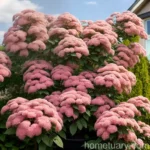
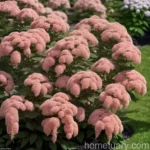
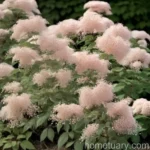
Spiraea x vanhouttei is a hybrid of two Spiraea species, Spiraea cantoniensis and Spiraea trilobata. This crossbreeding resulted in a stunning shrub that possesses the best characteristics of both parent plants. The Vanhoutte Spirea is renowned for its graceful arching branches, delicate foliage, and clusters of white flowers that envelop the plant in spring.
Plant Description
Before delving into the detailed care and maintenance of Spiraea x vanhouttei, let’s gain a comprehensive understanding of its characteristics.
Key Takeaways – Spiraea x vanhouttei (Vanhoutte Spirea)
- Scientific Name: Spiraea x vanhouttei
- Common Name: Vanhoutte Spirea
- Family: Rosaceae
- Type: Deciduous shrub
- Height: 5-8 feet (1.5-2.4 meters)
- Spread: 7-10 feet (2.1-3 meters)
- USDA Hardiness Zones: 3-8
- Flowering: Clusters of small white flowers in spring
- Foliage: Green leaves with a fine texture
- Growth Habit: Graceful, arching branches

Culture
Successfully cultivating Spiraea x vanhouttei requires an understanding of its cultural requirements. Let’s explore the various aspects of its care and maintenance.
Uses
Vanhoutte Spirea finds versatile usage in landscaping due to its ornamental features. Its graceful form, vibrant flowers, and tolerance to various environmental conditions make it suitable for various purposes, including:
– Mixed Borders and Beds: The shrub’s elegant structure and abundant blooms make it an excellent addition to mixed borders and beds, where it can be complemented by other perennial plants.
– Foundation Planting: Due to its moderate height and appealing appearance, it is often used for foundation planting around buildings and structures.
– Erosion Control: Its spreading nature and ability to tolerate various soil types make it useful for erosion control on slopes and embankments.
Water
Proper watering is crucial for the health and vigor of Spiraea x vanhouttei. Here are some essential points to consider regarding its water requirements:
– Established Plants: Once established, Vanhoutte Spirea exhibits good drought tolerance. However, regular watering is essential during prolonged dry spells, especially in newly planted specimens.
– Watering Frequency: Water deeply when the topsoil feels dry to the touch, particularly during the plant’s active growth period, which is typically in spring and early summer.
– Overwatering: Avoid overwatering, as excessively moist soil can lead to root rot and other detrimental conditions.
– Mulching: Applying a layer of organic mulch around the base of the plant helps retain soil moisture and mitigates the need for frequent watering.
Sunlight
Adequate sunlight is vital for ensuring the prolific flowering and overall health of Spiraea x vanhouttei:
– Ideal Exposure: Vanhoutte Spirea thrives in full sun to partial shade. A minimum of 6 hours of direct sunlight per day is recommended for the best flowering and growth.
– Shade Tolerance: While it prefers full sun, it can tolerate partial shade, especially in regions with intense summer heat.
Fertilizer
Proper fertilization contributes to the plant’s vigor and flowering performance. Here’s a comprehensive guide to fertilizing Spiraea x vanhouttei:
– Timing: Apply a balanced, slow-release fertilizer in early spring as new growth emerges. A second application in early summer can further promote growth and flowering.
– Amount: Follow the manufacturer’s instructions for the appropriate amount of fertilizer based on the size and age of the plant.
– Application Method: Spread the fertilizer evenly around the base of the plant, avoiding direct contact with the stems.
Soil
Understanding the soil preferences of Spiraea x vanhouttei is essential for creating an optimal growing environment:
– Soil Type: Well-draining, loamy soil is ideal for Vanhoutte Spirea. It can tolerate a range of soil pH levels, but a slightly acidic to neutral pH is preferred.
– Soil Amendments: Incorporating organic matter such as compost or well-rotted manure into the soil at the time of planting enhances soil structure and fertility.
– Soil Moisture: While the plant prefers well-draining soil, it also requires consistent moisture, especially during the initial establishment phase.
Pruning
Proper pruning is essential for maintaining the shape, size, and flowering potential of Spiraea x vanhouttei. Here’s a detailed overview of its pruning requirements:
When to Prune
The timing of pruning plays a crucial role in promoting healthy growth and abundant flowering:
– Pruning Schedule: The best time to prune Vanhoutte Spirea is immediately after the flowering period, typically in late spring or early summer. This allows ample time for new growth to develop and set flower buds for the following year.
Pruning Techniques
Knowing the correct pruning techniques is vital for achieving the desired results while preserving the plant’s natural form:
– Deadheading: Removing spent flower clusters immediately after flowering encourages the development of new shoots and promotes a tidy appearance.
– Thinning: Periodic thinning of old, woody stems can rejuvenate the plant and improve air circulation within the canopy.
– Shaping: Light pruning to shape the shrub should be done selectively to maintain its graceful arching form.
Propagation
Propagating Spiraea x vanhouttei allows for the expansion of its presence in the landscape and offers an opportunity to share the plant with other enthusiasts. Here’s a basic guide to propagating Vanhoutte Spirea:
Common Methods
- Softwood Cuttings: Propagation from softwood cuttings taken in early summer can yield new plants with minimal effort. Select healthy, non-flowering shoots and root them in a moist, well-draining rooting medium.
- Division: Mature Vanhoutte Spirea specimens can be divided into smaller sections during the plant’s dormant season, typically in late winter or early spring. Each division should have a viable root system and sufficient foliage for successful establishment.
Container Popularity
Spiraea x vanhouttei is well-suited for container cultivation, allowing it to thrive in various settings, including:
- Patios and Decks: Placing potted Vanhoutte Spirea on patios and decks adds a touch of elegance and natural beauty to outdoor living spaces.
- Balconies: In urban or apartment settings, container-grown Vanhoutte Spirea can bring a refreshing green element to balconies and rooftop gardens.
- Seasonal Displays: Utilizing containers provides the flexibility to create seasonal displays with Vanhoutte Spirea by incorporating complementary flowering plants for a dynamic visual effect.
Common Diseases
While generally resistant to many diseases, Spiraea x vanhouttei can occasionally be affected by specific issues. Understanding common diseases and their management is essential for maintaining plant health.
Disease Diagnosis
Being able to identify potential diseases early is crucial for implementing appropriate control measures:
– Powdery Mildew: A common fungal disease that appears as a powdery white coating on the leaves. Good air circulation and proper spacing can help prevent this issue.
– Leaf Spot: Circular, dark spots on the leaves can indicate a fungal or bacterial infection. Pruning away affected foliage and promoting overall plant health can reduce the risk of leaf spot.
Common Pests
Spiraea x vanhouttei is generally resistant to pest infestations, but occasional pest issues may arise. Understanding common pests and their management is essential for preserving the plant’s vitality.
Common Pests
- Aphids: Soft-bodied insects that can cluster on young shoot tips and the undersides of leaves. Rinsing the plant with a strong stream of water can dislodge aphids. Biological control with natural predators such as ladybugs can also be effective.
- Caterpillars: Some species of caterpillars may feed on the foliage of Vanhoutte Spirea. Handpicking and the use of botanical insecticides can help manage caterpillar infestations.
Botanist’s Tips
Here are some expert tips for successfully growing and enjoying Spiraea x vanhouttei:
– Companion Planting: Pair Vanhoutte Spirea with spring-blooming bulbs such as daffodils and tulips to create a dynamic floral display in the garden.
– Naturalizing: Allowing Vanhoutte Spirea to naturalize in wooded or semi-wooded areas can create visually appealing, low-maintenance landscapes that enhance biodiversity.
Fun Facts
- In some regions, the graceful arching branches of Spiraea x vanhouttei are used in floral arrangements and crafts due to their natural elegance and versatility.
- Vanhoutte Spirea cultivars with varying flower color and leaf characteristics provide options for incorporating diverse visual elements in the landscape.
Links to External Resources
To further expand your knowledge on Spiraea x vanhouttei and elevate your gardening expertise, explore the following external resources:
– Royal Horticultural Society – Spiraea x vanhouttei
– Missouri Botanical Garden – Vanhoutte Spirea
In conclusion, Spiraea x vanhouttei, or Vanhoutte Spirea, is a captivating ornamental shrub that offers an array of aesthetic and practical benefits to gardeners and landscapers. By understanding its cultural requirements, from watering and sunlight to pruning and propagation, enthusiasts can foster thriving specimens and unleash the full potential of this remarkable plant in diverse settings. Whether adorning mixed borders, container gardens, or naturalized landscapes, the enduring beauty of Vanhoutte Spirea continues to charm and fascinate plant lovers around the world.
Sources
– GardenersPath – All About Spiraea x vanhouttei
– The Spruce – Vanhoutte Spirea Plant Profile