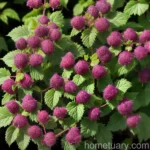
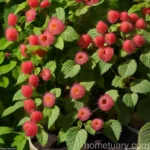
The World of Raspberry (Rubus idaeus ‘Aureus’)
Raspberry plants are admired for their delectable fruits, but they are also valued for their aesthetic appeal and versatility in landscaping. This article delves into the magnificent world of Rubus idaeus ‘Aureus,’ commonly known as the raspberry plant, providing insights into its culture, uses, care requirements, common diseases, and more.
What is Raspberry (Rubus idaeus ‘Aureus’)
Raspberry (Rubus idaeus ‘Aureus’) is a beautiful deciduous shrub known for its golden foliage, edible fruits, and ornamental value, making it a favorite among gardening enthusiasts. This variety is a cultivar of Rubus idaeus, a species of flowering plant in the rose family Rosaceae, native to Europe and northern Asia.
Key Takeaways – Raspberry (Rubus idaeus ‘Aureus’)
- Scientific Name: Rubus idaeus ‘Aureus’
- Common Names: Golden Raspberry, Yellow Raspberry
- Plant Type: Deciduous shrub
- Uses: Ornamental, Edible fruits
- Cultivation: Fruit-bearing plant
- Maintenance: Pruning, Propagation, Disease and Pest Control
- Notable Features: Golden foliage, Berry-bearing, Attractive to pollinators
Now, let’s explore the captivating world of raspberry (Rubus idaeus ‘Aureus’) in detail.
Culture
Raspberry (Rubus idaeus ‘Aureus’) is a versatile plant that can thrive in a variety of settings, including home gardens, urban landscapes, and commercial orchards.
Uses
The uses of Raspberry (Rubus idaeus ‘Aureus’) extend beyond its delicious fruits. Here are some common applications:
- Ornamental Use: The golden foliage of the ‘Aureus’ variety adds visual interest to gardens and landscapes, making it a popular choice for ornamental planting.
- Edible Fruits: Raspberry fruits are rich in antioxidants, vitamins, and fiber. They are commonly used in jams, jellies, desserts, and fresh consumption.
Water
Raspberry (Rubus idaeus ‘Aureus’) has moderate water requirements. Adequate watering is essential, especially during the fruiting season and periods of drought. Inadequate moisture can lead to fruit drop and reduced fruit quality.
- Watering Guidelines:
- Established Plants: Water deeply and infrequently to encourage deep root growth. Provide 1-2 inches of water per week, depending on soil moisture levels and weather conditions.
- Fruiting Stage: Increase water supply during fruit development to support plump, juicy berries.
Sunlight
Proper sunlight exposure is crucial for the growth and fruit production of Raspberry (Rubus idaeus ‘Aureus’). This variety thrives in full sun to partial shade, preferring at least 6 hours of direct sunlight daily.
- Sunlight Requirements:
- Full Sun: Ideal for maximum fruit production and vibrant foliage.
- Partial Shade: Tolerated, especially in regions with intense summer heat.
Fertilizer
To optimize growth and fruiting, Raspberry (Rubus idaeus ‘Aureus’) benefits from balanced fertilization.
- Fertilization Recommendations:
- Early Spring: Apply a balanced, slow-release fertilizer to promote healthy foliage and flower bud development.
- Fruit Development: Use a fertilizer with a higher potassium content to support fruit formation and ripening.
- Organic Amendments: Incorporate well-rotted compost or aged manure to improve soil fertility and structure.
Soil
The soil requirements for Raspberry (Rubus idaeus ‘Aureus’) are crucial for its overall health and productivity.
- Ideal Soil Conditions:
- Well-Drained: Ensure good drainage to prevent waterlogging and root rot.
- Moisture-Retentive: Maintain adequate soil moisture levels, especially during hot and dry periods.
- pH Level: Aim for a slightly acidic to neutral pH (6.0-6.8) for optimal nutrient uptake.
Pruning
Pruning raspberry plants is essential for maintaining plant health, controlling growth, and maximizing fruit production. Proper pruning encourages the development of strong, fruit-bearing canes and removes diseased or unproductive growth.
Pruning Techniques
- Annual Pruning: Conduct annual pruning during the plant’s dormant season, typically in late winter or early spring.
- Cane Selection: Identify and retain vigorous, productive canes while removing weak, damaged, or excessively crowded ones.
- Pruning Height: Trim canes to a manageable height, typically around 4–5 feet, to facilitate easy maintenance, harvest, and airflow.
Propagation
Raspberry (Rubus idaeus ‘Aureus’) can be propagated through various methods, including division, cuttings, and suckers, allowing for the expansion of plantings and the introduction of new cultivars.
Propagation Methods
- Division: Divide established plants during the dormant season, ensuring that each division has ample roots and healthy growth points.
- Cuttings: Collect and root semi-hardwood cuttings in a well-draining medium to produce new plants with traits identical to the parent plant.
- Suckers: Harvest and relocate vigorous suckers emerging from the plant’s base to establish new raspberry plants.
Container Popularity
The compact size and ornamental value of Raspberry (Rubus idaeus ‘Aureus’) make it well-suited for container gardening, allowing enthusiasts with limited space to enjoy its beauty and harvest fresh fruits.
Container Cultivation Tips
- Container Selection: Choose a large, sturdy container with adequate drainage holes to accommodate the plant’s root system and provide room for growth.
- Growing Medium: Use a well-draining potting mix formulated for perennial plants to ensure optimal root health and moisture management.
- Fertilization: Regularly feed container-grown raspberries with a balanced fertilizer, adjusting the dosage according to plant size and growth stage.
Common Diseases
Raspberry (Rubus idaeus ‘Aureus’) is susceptible to certain diseases that can impact plant vigor and fruit quality if left unmanaged.
Disease Diagnosis
- Common Diseases: Anthracnose, Phytophthora root rot, Botrytis fruit rot, Rust, and fungal leaf spot diseases are among the primary concerns for raspberry plants.
- Symptoms: Leaf discoloration, wilting, fruit rot, and canker formation are indicative of various diseases.
- Preventive Measures: Proper sanitation, moisture management, and disease-resistant cultivars can mitigate the risk of infections.
Common Pests
Insect pests can affect the growth and productivity of raspberry plants, necessitating vigilance and proactive pest management strategies.
- Pest Identification: Keep an eye out for common pests such as raspberry beetles, aphids, spider mites, and Japanese beetles that can feed on leaves, flowers, or fruits.
- Integrated Pest Management: Implement cultural, biological, and selective chemical control methods to minimize pest damage while safeguarding beneficial insects and pollinators.
Botanist’s Tips
As a botanist, I have the following tips for enthusiasts cultivating Raspberry (Rubus idaeus ‘Aureus’):
- Soil Testing: Conduct regular soil tests to monitor nutrient levels and pH, making necessary adjustments to create an optimal growing environment.
- Pollinator Support: Encourage pollinator activity by planting nectar-rich flowers in the vicinity to enhance fruit set and maximize yields.
- Seasonal Maintenance: Stay proactive with routine care tasks such as pruning, mulching, and weeding to uphold the plant’s vigor and health.
Fun Facts
Raspberry (Rubus idaeus ‘Aureus’) is a noteworthy plant with several interesting attributes:
- The bright golden foliage of ‘Aureus’ adds a striking visual element to the landscape, especially when complemented by its delectable fruits.
- Raspberries are not true berries; they are classified as aggregate fruits composed of numerous individual drupelets.
- As members of the rose family, raspberry plants are distant relatives of popular ornamental flowers such as roses, hawthorns, and spireas.
Links to External Resources
For further information on the cultivation, care, and utilization of Raspberry (Rubus idaeus ‘Aureus’), please refer to the following external resources:
- University of Maryland Extension – Raspberry Planting, Care, Pruning and Harvesting
- The Ohio State University – Raspberry Diseases and Their Control
- University of California – Integrated Pest Management for Raspberries
- Royal Horticultural Society – Growing Raspberries
In conclusion, Raspberry (Rubus idaeus ‘Aureus’) stands as a remarkable plant that seamlessly blends ornamental beauty with delectable fruits, making it a cherished addition to diverse landscapes and garden settings. With attentive care and a basic understanding of its cultural needs, enthusiasts can enjoy the bountiful harvests and aesthetic allure offered by this captivating cultivar.