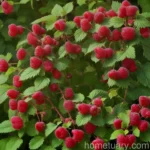
All About Rubus fruticosus ‘Natchez’ (Blackberry)
Introduction to Blackberries
Blackberries belong to the genus Rubus, which consists of plants in the Rosaceae family. The genus includes both perennial and biennial plants, most of which are known for their edible fruit. Rubus fruticosus ‘Natchez,’ commonly known as the Natchez blackberry, is an exceptional variety appreciated for its large, flavorful berries and relatively thornless canes. In this extensive guide, we will explore the culture, uses, care, diseases, and pests associated with Rubus fruticosus ‘Natchez,’ providing important insights for gardeners and horticulturists.
Key Takeaways – Rubus fruticosus ‘Natchez’ (Blackberry)
Before delving into the details, let’s highlight the key takeaways about the Natchez blackberry:
- Cultivar Name: Rubus fruticosus ‘Natchez’
- Watering Needs: Consistent moisture during fruit development
- Sunlight Requirements: Full sun
- Fertilization: Regular feeding with a balanced fertilizer
- Soil Preference: Well-draining, slightly acidic soil
- Pruning: Annual pruning to remove old canes and promote new growth
- Propagation: Primarily through tip layering or root cuttings
- Container Cultivation: Suitable for container growth with proper support
- Popularity: Widely known for its large, flavorful berries and relatively thornless canes
Now, let’s dive deeper into the details of all these aspects concerning Rubus fruticosus ‘Natchez.’
What is Rubus fruticosus ‘Natchez’?
Rubus fruticosus ‘Natchez’ is a cultivar of blackberry that is cherished for its medium to large, sweet, and juicy berries. This erect, thornless blackberry plant produces abundant fruit and is suitable for home gardens and commercial production alike. It is a self-pollinating variety, meaning it does not require multiple plants for fruit set. The Natchez blackberry typically reaches a height of 4-6 feet and spreads about 3-4 feet, making it relatively compact compared to other blackberry cultivars.
Culture of Rubus fruticosus ‘Natchez’
Uses
The uses of Rubus fruticosus ‘Natchez’ are diverse, ranging from fresh consumption to culinary applications. Some common uses include:
- Fresh consumption
- Baking and cooking
- Jams and preserves
- Juices and smoothies
- Desserts
Water
Proper watering is crucial for the healthy growth and fruit production of Rubus fruticosus ‘Natchez.’ While established plants are relatively drought-tolerant, consistent moisture is essential during fruit development, especially in the absence of regular rainfall. The soil should be kept evenly moist but not waterlogged to support the plant’s fruiting capabilities.
Sunlight
Like most fruit-bearing plants, Rubus fruticosus ‘Natchez’ thrives in full sun. It requires a minimum of 6-8 hours of direct sunlight daily to ensure optimal growth and fruit production. Ensuring adequate sunlight exposure is paramount for maximizing the plant’s productivity and fruit quality.
Fertilizer
Proper fertilization is essential for supporting the growth and fruiting of Rubus fruticosus ‘Natchez.’ A balanced fertilizer with an N-P-K ratio of 10-10-10 or similar, applied in early spring and again after the fruiting season, can provide the necessary nutrients for robust growth and bountiful harvests. Additionally, organic matter can be incorporated into the soil to enhance its fertility and structure.
Soil
Rubus fruticosus ‘Natchez’ thrives in well-draining, slightly acidic soil with a pH range of 5.5-6.5. Amending the soil with compost or well-rotted manure can improve its texture and fertility, creating an optimal growing environment for the blackberry plants.
Pruning Rubus fruticosus ‘Natchez’
Annual pruning is a vital aspect of blackberry care and is essential for maintaining plant health, vigor, and fruitfulness. Proper pruning helps manage the growth of the canes, promotes air circulation, and facilitates the production of strong, new canes for the subsequent season.
Propagation of Rubus fruticosus ‘Natchez’
Rubus fruticosus ‘Natchez’ can be propagated through various methods, including tip layering and root cuttings. These methods can be employed to expand plantings or replace older plants in the garden. Proper techniques and timing are crucial for successful propagation.
Container Cultivation
While Rubus fruticosus ‘Natchez’ is typically grown in traditional garden settings, it can also thrive in containers with appropriate support systems. Container cultivation allows gardeners with limited space to enjoy the benefits of growing blackberries and provides an opportunity to closely monitor and manage the plant’s growing conditions.
Popularity of Rubus fruticosus ‘Natchez’
Rubus fruticosus ‘Natchez’ has gained popularity among gardeners, horticulturists, and commercial growers due to its outstanding attributes, including:
- Large, sweet berries
- Thornless canes
- Vigorous growth
- Reliable fruiting
The combination of these desirable traits has made the Natchez blackberry a sought-after cultivar for home gardens, orchards, and commercial berry farms.
Common Diseases and Pests of Rubus fruticosus ‘Natchez’
Disease Diagnosis
Blackberries, including Rubus fruticosus ‘Natchez,’ are susceptible to various diseases that can impact plant health and fruit production. Common diseases that may affect blackberries include:
- Anthracnose
- Botrytis fruit rot
- Orange rust
- Powdery mildew
- Septoria leaf spot
Effective disease diagnosis and timely intervention are crucial for managing and preventing the spread of these conditions within the blackberry plants.
Common Pests
Blackberry plants, including Rubus fruticosus ‘Natchez,’ can be targeted by several pests, such as:
- Spider mites
- Aphids
- Japanese beetles
- Raspberry fruitworms
- Cane borers
Monitoring for pest presence and implementing appropriate control measures are essential for protecting the plants from damage and preserving their productivity.
Botanist’s Tips for Growing Rubus fruticosus ‘Natchez’
- Maintaining proper spacing between plants is essential for adequate air circulation and disease prevention.
- Regularly monitoring soil moisture and providing supplemental irrigation during dry periods can promote optimal fruit development.
- Applying a layer of mulch around the base of the plants can help conserve soil moisture, suppress weeds, and moderate soil temperatures.
Fun Facts about Rubus fruticosus ‘Natchez’
- The Natchez blackberry is named after the city of Natchez in Mississippi, USA.
- Blackberries, including the Natchez variety, are known for their high levels of antioxidants and beneficial nutrients.
Links to External Resources
For further information on Rubus fruticosus ‘Natchez’ and blackberry cultivation, here are some valuable resources:
- University of California Agriculture and Natural Resources – Blackberries
- Texas A&M AgriLife Extension – Growing Blackberries in Texas
- North Carolina State University – Growing Blackberries in North Carolina
- Royal Horticultural Society – Growing Blackberries
In conclusion, Rubus fruticosus ‘Natchez,’ or the Natchez blackberry, is a valuable addition to home gardens and commercial fruit production endeavors. By understanding its cultural requirements, care practices, and potential challenges, gardeners and horticulturists can successfully cultivate this exceptional blackberry cultivar and enjoy its delicious fruits for years to come.
Keywords: Blackberry varieties, Natchez blackberry, Rubus fruticosus, Natchez blackberry plant, Blackberry cultivation, Growing Rubus fruticosus ‘Natchez’, Natchez blackberry care, Blackberry tips, Natchez blackberry pruning, Rubus fruticosus ‘Natchez’ berries, Blackberry plant diseases, Natchez blackberry pests, Blackberry gardening, Rubus fruticosus ‘Natchez’ characteristics, Natchez blackberry propagation, Blackberry pests and diseases, Natchez blackberry planting, Rubus fruticosus ‘Natchez’ varieties, Blackberry plant care, Natchez blackberry harvest, Blackberry plant pruning, Natchez blackberry growth, Rubus fruticosus ‘Natchez’ cultivation, Natchez blackberry health, Blackberry growing tips, Natchez blackberry production, Blackberry propagation methods, Rubus fruticosus ‘Natchez’ characteristics, Natchez blackberry pruning techniques, Blackberry plant pests, Natchez blackberry disease prevention, Blackberry gardening tips, Rubus fruticosus ‘Natchez’ maintenance, Natchez blackberry flowering, Blackberry plant nutrition, Natchez blackberry sun requirements, Blackberry support systems, Rubus fruticosus ‘Natchez’ climate requirements, Natchez blackberry trellising, Blackberry plant spacing, Natchez blackberry pollination, Blackberry plant fertilization, Rubus fruticosus ‘Natchez’ growing conditions, Natchez blackberry winter care, Blackberry plant water requirements, Natchez blackberry wildlife interactions, Blackberry plant training techniques, Natchez blackberry disease resistance, Rubus fruticosus ‘Natchez’ fruiting season, Natchez blackberry soil preferences