Rubus Idaeus ‘Heritage’ (Everbearing Raspberry)
Raspberries are delicious and versatile fruits that can be enjoyed in various ways, from fresh eating to jams, jellies, and baking. Among the many.
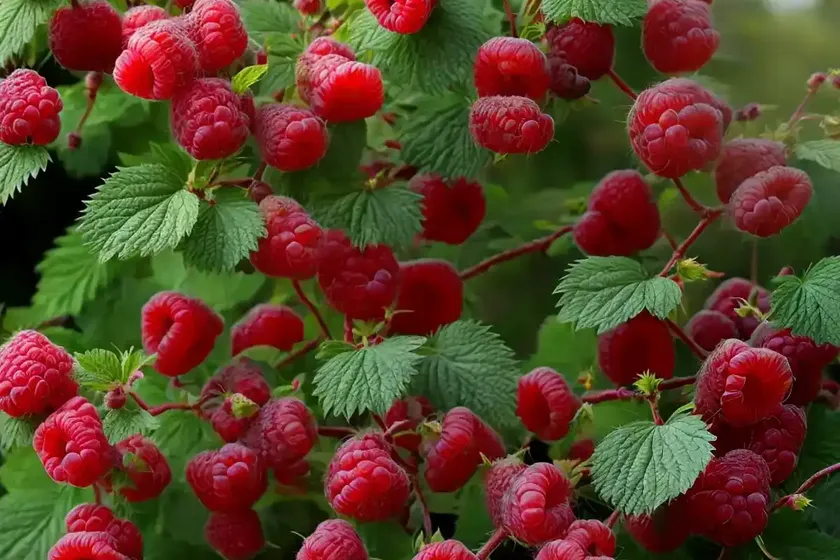
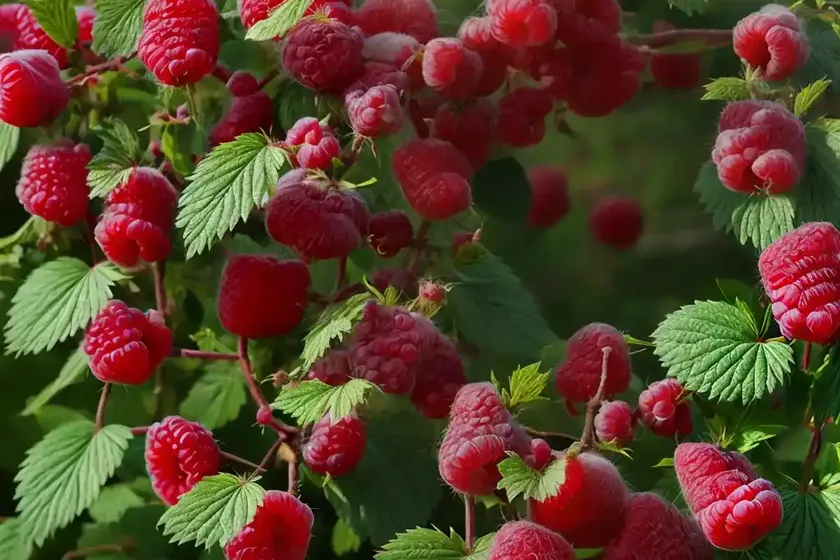
Raspberries are delicious and versatile fruits that can be enjoyed in various ways, from fresh eating to jams, jellies, and baking. Among the many raspberry varieties available, Rubus idaeus ‘Heritage’, also known as the Everbearing Raspberry, stands out for its exceptional flavor, productivity, and versatility. In this comprehensive guide, we will delve into the world of Rubus idaeus ‘Heritage’, exploring its characteristics, cultivation, care, and much more.
What is Rubus idaeus ‘Heritage’?
Rubus idaeus, commonly known as the raspberry plant, is a deciduous perennial shrub belonging to the Rosaceae family. ‘Heritage’ is a cultivar of Rubus idaeus, prized for its everbearing nature, which means it produces two crops each year: one in mid-summer and another in fall.
This raspberry variety is known for its vigorous growth, making it an excellent choice for home gardeners and commercial growers alike. The fruit of ‘Heritage’ raspberries is typically large, firm, and exceptionally flavorful, making it a favorite among raspberry enthusiasts.
Key Takeaways – Rubus idaeus ‘Heritage’ (Everbearing Raspberry)
Before we delve into the specifics of growing and caring for Rubus idaeus ‘Heritage’, let’s explore some key takeaways about this exceptional raspberry variety:
- Two crops per year: ‘Heritage’ raspberries produce fruit in mid-summer and fall.
- Exceptional flavor: The fruit is large, firm, and delicious, making it perfect for fresh eating, preserves, and baking.
- Vigorous growth: ‘Heritage’ raspberries are known for their robust growth habits, making them productive and resilient.
- Versatile uses: The berries can be enjoyed fresh, used in cooking and baking, or preserved as jams and jellies.
Now that we have a general understanding of Rubus idaeus ‘Heritage’, let’s explore the specific cultural requirements and care tips to ensure the successful cultivation of this remarkable raspberry variety.
Culture
Water
Raspberries, including Rubus idaeus ‘Heritage’, require consistent moisture to thrive. Adequate water supply is crucial, especially during the fruiting season and dry periods. It is recommended to provide the equivalent of 1 to 1.5 inches of water per week, either through rainfall or irrigation. A drip irrigation system is particularly beneficial for raspberries, as it delivers water directly to the root zone, minimizing moisture-related diseases and promoting even growth.
Sunlight
Full sun is essential for the optimal growth and fruit production of ‘Heritage’ raspberries. Choose a planting location that receives at least 6 to 8 hours of direct sunlight daily. Insufficient sunlight can lead to reduced fruiting and increased susceptibility to diseases. When selecting a site for planting, ensure that it offers ample sunlight throughout the day, especially during the fruiting season.
Fertilizer
Proper fertilization is crucial for the healthy growth and productivity of Rubus idaeus ‘Heritage’. Before planting, it is advisable to conduct a soil test to determine the specific nutrient requirements of the site. Raspberries generally benefit from a balanced fertilizer with an NPK ratio of 10-10-10 or a similar formulation. Apply the fertilizer in early spring before the new growth emerges, taking care to follow the recommended application rates for raspberries. Additionally, organic amendments such as compost and well-rotted manure can be incorporated into the soil to improve its fertility and structure.
Soil
Raspberries thrive in well-draining, slightly acidic soils with a pH range of 5.5 to 6.5. The soil should be rich in organic matter and offer good drainage to prevent waterlogging, which can lead to root rot and other diseases. Prior to planting ‘Heritage’ raspberries, prepare the soil by incorporating organic matter and ensuring proper drainage. Raised beds can be beneficial for growing raspberries, especially in areas with heavy or poorly draining soils.
Pruning
Proper pruning is essential for maintaining the health, vigor, and productivity of Rubus idaeus ‘Heritage’. Pruning should be carried out annually to remove old, diseased, or non-productive canes and to encourage the growth of new, fruit-bearing canes. In late winter to early spring, before the onset of new growth, prune out the oldest canes at ground level, leaving behind the healthiest and most vigorous ones. Additionally, remove any damaged or weak canes and thin out the remaining canes to promote better air circulation and light penetration. Pruning is also an opportune time to remove any suckers or unwanted growth to maintain the desired shape and size of the raspberry patch.
Propagation
Rubus idaeus ‘Heritage’ can be propagated through several methods, including division, tip layering, and hardwood cuttings. Division involves separating the root mass of established plants and replanting the divisions to create new raspberry plants. Tip layering, on the other hand, entails bending a young, flexible cane to the ground and covering a portion of it with soil to promote the formation of roots. Once rooted, the new plant can be separated from the parent cane and transplanted. Hardwood cuttings are another effective means of propagation, particularly in late winter when dormant canes are harvested, cut into sections, and planted in prepared beds or containers to develop new roots and shoots.
Container Popularity
While Rubus idaeus ‘Heritage’ is commonly grown in traditional garden settings, it is also well-suited to container cultivation. Growing raspberries in containers can be an excellent option for individuals with limited garden space or those seeking to control the growth and spread of the plants. When growing ‘Heritage’ raspberries in containers, it is essential to select a large, sturdy container with ample drainage holes to prevent waterlogging. Use a high-quality, well-draining potting mix and ensure that the container receives adequate sunlight and water. Container-grown raspberries may require more frequent watering and fertilization compared to their garden-grown counterparts, but they can be a rewarding addition to patios, balconies, and other outdoor spaces.
Common Diseases
Despite their vigor and resilience, Rubus idaeus ‘Heritage’ can be susceptible to certain diseases that can affect their growth and productivity. Common raspberry diseases include:
- Anthracnose: This fungal disease can lead to the formation of sunken lesions on the fruit and canes, ultimately reducing fruit quality and yield.
- Botrytis fruit rot: Also known as gray mold, this disease causes the decay of ripe fruit, often leading to a fuzzy gray mold on the berries.
- Powdery mildew: A fungal infection that manifests as a powdery white coating on the leaves and can affect the overall health of the plant.
Preventing and managing these diseases involves a combination of cultural practices, such as proper spacing, pruning, and sanitation, as well as the use of disease-resistant cultivars and, if necessary, targeted fungicidal treatments. Regular monitoring of the plants for signs of disease is essential for early intervention and control.
Disease Diagnosis
Diagnosing raspberry diseases involves careful observation of the plants, including the foliage, canes, and fruit. Look for symptoms such as leaf discoloration, wilting, spots, or lesions, as well as abnormal growth patterns. Proper diagnosis often requires the expertise of a plant pathologist or experienced horticulturist who can identify the specific disease and recommend appropriate management strategies. Additionally, local agricultural extension services and university horticultural programs can provide valuable resources for diagnosing and treating raspberry diseases.
Common Pests
In addition to diseases, Rubus idaeus ‘Heritage’ can also be susceptible to various pests that can impact the health and productivity of the plants. Common raspberry pests include:
- Japanese beetles: These voracious pests can defoliate raspberry plants, leading to reduced vigor and fruit production.
- Spider mites: These tiny pests can cause stippling and discoloration of the leaves, impacting photosynthesis and overall plant health.
- Raspberry fruitworm: The larvae of this pest can feed on developing berries, causing damage and reducing the quality of the fruit.
Controlling and managing raspberry pests often involves a multi-faceted approach, including biological controls, such as beneficial insects, targeted pesticide applications, and cultural practices to minimize pest populations. Regular scouting and monitoring for signs of pest activity can aid in early detection and intervention to prevent widespread damage.
Botanist’s Tips
Fun Facts
- Raspberries are not only delicious; they are also packed with nutritional benefits, including being high in fiber, antioxidants, and vitamins.
- Rubus idaeus ‘Heritage’ is classified as an everbearing raspberry, meaning it can produce two distinct crops each year, providing an extended harvest season for raspberry enthusiasts.
- Raspberries belong to the same family as roses, known as Rosaceae, and share certain characteristics with their floral counterparts.
Links to External Resources
For further information on the cultivation, care, and enjoyment of Rubus idaeus ‘Heritage’ raspberries, the following external resources are recommended:
References
- University Extension Services. (n.d.). Retrieved from https://www.extension.org/
- Plant Pathology Resources. (n.d.). Retrieved from https://www.plantmanagementnetwork.org/
- Raspberry Cultivation Guides. (n.d.). Retrieved from https://www.raspberry.org/


