Prunus ‘Asano’ (Japanese Flowering Cherry) Care Guide
In this comprehensive guide, we will explore all aspects of caring for Prunus ‘Asano’ (Japanese Flowering Cherry). This beautiful and elegant tree is prized for its stunning display of blossoms, making it a popular choice for gardens, parks, and landscapes. We will delve into its culture, uses, water, sunlight, fertilizer, soil preferences, pruning techniques, propagation methods, container gardening, diseases, pests, and share botanist’s tips and fun facts. Whether you’re a seasoned gardener or a novice plant enthusiast, this guide will provide you with the knowledge and insights to successfully nurture Prunus ‘Asano’ in your outdoor space.
What is Prunus ‘Asano’ (Japanese Flowering Cherry)?
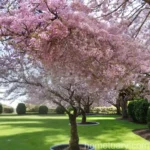
Prunus ‘Asano’, commonly known as Japanese Flowering Cherry, is a stunning ornamental tree that belongs to the Prunus genus within the Rosaceae family. Originating from Japan, this deciduous tree is renowned for its spectacular display of pink blossoms, which cover the branches in spring, creating a breathtaking floral spectacle. Its vibrant floral show, coupled with its graceful form and cultural significance, has made it a beloved tree in gardens worldwide.
The Prunus genus encompasses a wide range of species, including ornamental cherries, flowering almonds, and several fruit-bearing trees such as plums, cherries, and apricots. Among these species, Prunus ‘Asano’ stands out for its ornamental value and exceptional beauty.
Key Takeaways – Prunus ‘Asano’ (Japanese Flowering Cherry)
Before delving into the specific care requirements for Prunus ‘Asano’, let’s begin by highlighting the key takeaways in a concise manner.
Culture
- Botanical Name: Prunus ‘Asano’
- Common Name: Japanese Flowering Cherry
- Family: Rosaceae
- Origin: Japan
- Type: Ornamental deciduous tree
- Flowering Season: Spring
Uses
- Landscape Ornamental: Adds beauty and elegance to gardens, parks, and landscapes
- Cultural Significance: Celebrated in Japanese culture and festivals
Water
- Requirements: Regular watering, especially during the establishment phase and dry periods
Sunlight
- Exposure: Full sun to partial shade
- Preference: Thrives in full sun with adequate moisture
Fertilizer
- Needs: Regular fertilization during the growing season for optimal growth and flowering
Soil
- Preferences: Well-draining, fertile soil with a slightly acidic pH
- Tolerance: Adaptable to various soil types
Pruning
- Techniques: Annual pruning to shape the tree and remove dead or diseased branches
- Schedule: Best performed after flowering in early summer
Propagation
- Methods: From seeds or softwood cuttings
- Timing: Softwood cuttings in early summer
Container
- Suitability: Can be grown in containers, requiring appropriate care and maintenance
Popularity
- Appeal: Highly prized for its stunning spring blossoms
- Cultural Significance: Treasured in Japanese gardens and beyond
Common Diseases
- Issues: Susceptible to fungal diseases, including cherry blossom blight
- Prevention: Proper sanitation and care practices to minimize disease risk
Disease Diagnosis
- Signs: Blossom discoloration, leaf spots, wilting
Common Pests
- Pests: Aphids, scale insects, caterpillars
- Control: Regular inspection and targeted pest control measures
Botanist’s Tips
- Care Insights: Regular pruning and fertilization for healthy growth and abundant blossoms
- Maintenance: Monitor for pests and diseases, ensuring prompt intervention if needed
Fun Facts
- Cultural Symbolism: Associated with beauty, renewal, and the transience of life in Japanese culture
- Cherry Blossom Festivals: Celebrated in Japan and embraced globally for their enchanting beauty
Links to External Resources
To delve deeper into specific aspects of Prunus ‘Asano’ care, refer to the following external resources:
– Cherry Blossom Festival in Japan – National Geographic
– Guidelines for Pruning Flowering Cherry Trees – Royal Horticultural Society
– Diseases and Pests of Flowering Cherries – University of California Statewide Integrated Pest Management Program
Now, let’s delve into the specific care requirements for nurturing Prunus ‘Asano’ and ensuring its health and vitality in your outdoor space.
Prunus ‘Asano’ (Japanese Flowering Cherry) Care Guide
Water
Prunus ‘Asano’, like other ornamental cherry trees, has specific water requirements to support its growth and flowering. Proper watering is critical, particularly during the establishment phase and dry periods. Here are some essential guidelines to ensure adequate watering for your Japanese Flowering Cherry:
- Establishment Phase: Newly planted trees require regular watering to facilitate root establishment and sustained growth. Ensure that the root zone remains consistently moist but not waterlogged. As a general rule, water deeply once or twice a week, depending on weather conditions.
- Mature Trees: Established Prunus ‘Asano’ trees benefit from regular watering, especially during periods of drought or heat stress. Deep, infrequent watering is preferable over frequent shallow watering to encourage deep root growth and drought tolerance.
Watering Tips:
– Use a soaker hose or drip irrigation system to deliver water directly to the root zone, minimizing water loss through evaporation.
– Monitor soil moisture levels regularly, particularly during hot and dry weather, and adjust your watering schedule accordingly.
– Apply a layer of organic mulch around the base of the tree to retain soil moisture and regulate soil temperature.
– Avoid excessive watering that leads to waterlogging, as it can compromise root health and trigger fungal diseases.
Sunlight
The sunlight exposure of Prunus ‘Asano’ significantly influences its growth, vigor, and flowering potential. Japanese Flowering Cherry trees thrive in full sun, benefiting from direct sunlight for the majority of the day. Adequate sunlight exposure is crucial for the tree’s photosynthetic processes and the production of energy for growth and flowering.
Sunlight Preferences:
– Full Sun: Ideally, position your Prunus ‘Asano’ tree in a location that receives full sun, defined as a minimum of six to eight hours of direct sunlight daily.
– Partial Shade: While the tree prefers full sun, it can tolerate partial shade, especially in hot climates where some protection from intense afternoon sun may be beneficial.
Sunlight Tips:
– Choose a planting site that maximizes sunlight exposure, particularly during the spring when the tree is in full bloom.
– Regularly assess the tree’s sunlight exposure, especially if nearby vegetation or structures cast shade on the tree, potentially reducing its access to sunlight.
Fertilizer
To support the vigorous growth and abundant flowering of Prunus ‘Asano’, regular fertilization with a balanced commercial fertilizer is recommended. The fertilization regimen should be tailored to the tree’s specific needs and timed to coincide with its active growth phases.
Fertilizer Recommendations:
– During the early spring, apply a complete, balanced fertilizer with an NPK ratio of 10-10-10 or a similar formulation designed for flowering trees.
– Repeat the application in late spring or early summer to sustain the tree’s nutrient requirements during the peak growing season.
– Avoid excessive application of nitrogen, as it can promote lush foliage at the expense of flower production.
Fertilizer Application:
– Follow the manufacturer’s recommendations regarding dosage and application guidelines for the specific fertilizer product.
– Apply the fertilizer evenly within the tree’s drip line, distributing it across the root zone to ensure uniform nutrient uptake.
– Water the tree thoroughly after fertilization to facilitate the incorporation of nutrients into the soil.
Soil
The soil preferences of Prunus ‘Asano’ influence its overall health, growth, and flowering performance. While this resilient tree can adapt to various soil types, it thrives in well-draining, fertile soil with a slightly acidic pH. Proper soil management is essential to create an optimal growing environment for the Japanese Flowering Cherry.
Soil Preferences:
– Well-Draining Soil: Ensure that the soil has good drainage to prevent waterlogging, which can lead to root rot and other moisture-related issues.
– Fertile Soil: Amend the soil with organic matter, such as compost or well-rotted manure, to enhance its fertility and structure.
– pH Level: Aim for a slightly acidic soil pH range of 6.0 to 6.5, conducive to the tree’s nutrient absorption and overall health.
Soil Preparation Tips:
– Conduct a soil test to assess the pH and nutrient levels of the planting site, allowing you to make informed soil amendments based on the test results.
– Incorporate organic matter into the soil during planting and periodically apply mulch to enrich the soil and improve its moisture retention capacity.
– Monitor the soil’s moisture levels and drainage characteristics, making adjustments as needed to maintain optimal soil conditions for the tree’s well-being.
Pruning
Pruning plays a crucial role in shaping the form of Prunus ‘Asano’, promoting its structural integrity, and enhancing its flowering potential. Annual pruning is recommended to maintain the tree’s health, remove dead or diseased wood, and manage its overall appearance.
Pruning Techniques:
– Remove Dead or Diseased Wood: Inspect the tree regularly and promptly prune any dead, damaged, or diseased branches to prevent the spread of pathogens and maintain tree vigor.
– Thinning: Thinning the canopy of the tree can improve air circulation and light penetration, promoting healthier growth and reducing the risk of disease.
– Shaping: Prune selectively to shape the tree and maintain its graceful form, removing any crossing or overcrowded branches to create an open, balanced canopy.
Pruning Schedule:
– Post-Flowering Pruning: Schedule the tree’s annual pruning session after the spring flowering period, typically in early summer. This timing minimizes the disruption of the flowering display and allows for the removal of spent blossoms.
Propagation
The propagation of Prunus ‘Asano’ can be achieved through both seeds and softwood cuttings, offering the opportunity to propagate new trees and expand your collection of these exquisite ornamental cherries. While propagation from seeds is possible, softwood cuttings are a more reliable method to produce true-to-type offspring.
Propagation Methods:
– Softwood Cuttings: Select healthy, young shoots in early summer, ideally around June, and prepare them for propagation by following established softwood cutting techniques. Provide appropriate care and conditions to encourage the cuttings to root and establish.
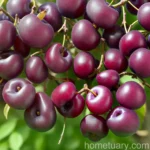
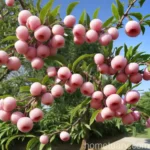
– Seeds: Collect ripe seeds from the tree’s fruit and follow established seed propagation protocols to germinate and nurture new seedlings.
Propagation Tips:
– Ensure that the propagation medium for softwood cuttings is well-draining and provides the optimal conditions for rooting, such as consistent moisture and moderate humidity.
– Monitor the progress of propagated cuttings and seedlings, providing attentive care to support their establishment and growth until they are ready for transplanting.
Container Gardening
The adaptability of Prunus ‘Asano’ to container cultivation makes it an attractive option for gardeners with limited space or those who wish to showcase the tree on patios, balconies, or in urban settings. When grown in containers, the tree’s care regimen should be adjusted to accommodate its unique growing conditions.
Container Requirements:
– Choose a large, sturdy container with adequate drainage holes to support the tree’s root system and facilitate proper drainage.
– Use a high-quality, well-draining potting mix formulated for woody ornamental trees, ensuring that it provides the necessary nutrients and aeration for healthy root development.
Container Care:
– Regularly monitor the soil moisture levels, particularly during hot and dry weather, to ensure that the tree’s roots remain adequately hydrated.
– Provide supplemental fertilization, as container-grown trees may deplete nutrients more rapidly than those planted in the ground, and adjust the fertilization schedule to support the tree’s growth and flowering needs.
Popularity
Prunus ‘Asano’ enjoys widespread popularity due to its captivating floral display, graceful form, and cultural significance. In addition to its ornamental appeal in gardens, parks, and landscapes, the Japanese Flowering Cherry holds cultural symbolism and is celebrated in various traditions and festivals.
Appeal:
– The tree’s striking spring blossoms, which cover the branches in a profusion of pink flowers, make it a highly sought-after ornamental tree for enhancing landscape beauty and visual impact.
– Its elegant form, with a spreading canopy and an open, airy structure, adds character and charm to outdoor spaces, making it a favored choice among gardeners and landscape designers.
Cultural Significance:
– Prunus ‘Asano’ holds cultural significance, particularly in Japanese culture, where cherry blossoms symbolize beauty, renewal, and the fleeting nature of life. The annual cherry blossom season, known as “Hanami,” is celebrated with gatherings, festivities, and contemplation of the ephemeral beauty of the blossoms.
Common Diseases
Prunus ‘Asano’, like other flowering cherries, is susceptible to certain diseases, particularly those caused by fungal pathogens. Being aware of common diseases and their symptoms is essential for implementing proactive disease management and prevention strategies.
Disease Risks:
– Cherry Blossom Blight: This fungal disease can affect the blossoms, leading to discoloration, wilting, and premature flower drop. It is caused by fungal pathogens that thrive in moist, humid conditions, posing a risk to the tree’s floral display.
Prevention Measures:
– Sanitation: Regularly remove and dispose of fallen blossoms and affected plant debris to minimize the presence of disease-causing spores and reduce the risk of infection.
– Pruning: Maintain the tree’s structure through annual pruning to promote air circulation and light penetration, discouraging the development of fungal diseases.
Disease Diagnosis
Diagnosing potential diseases affecting Prunus ‘Asano’ requires a keen eye for identifying symptoms such as abnormal discoloration, wilting, and physical changes in the blossoms and foliage. Early detection and accurate diagnosis are instrumental in implementing timely intervention measures to mitigate disease impact.
Signs of Disease:
– Blossom Discoloration: Look for abnormal discoloration or spotting on the blossoms, which may signal the presence of fungal diseases affecting the flowers.
– Leaf Spots: Check for the development of irregular spots or lesions on the leaves, indicating potential fungal or bacterial infections that can compromise the tree’s health.
Diagnostic Steps:
– Regularly inspect the tree for any signs of disease or distress, focusing on the blossoms, foliage, and overall tree health.
– Consult with a qualified horticulturist or plant pathologist if you observe concerning symptoms, seeking expert guidance to accurately diagnose and address potential disease issues.
Common Pests
Prunus ‘Asano’ may encounter various pest challenges, including aphids, scale insects, and caterpillars. Regular monitoring and proactive pest control practices are crucial for preserving the tree’s health and minimizing pest-related damage.
Pest Management:
– Inspection: Regularly inspect the tree, paying close attention to the undersides of leaves and new growth, where pests may congregate and feed.
– Integrated Pest Management (IPM): Implement an IPM approach, combining cultural, mechanical, and targeted chemical control measures to effectively manage pests while minimizing environmental impact.
Pest Control Measures:
– Use insecticidal soaps or horticultural oils to manage soft-bodied pests such as aphids and scale insects, applying these products according to the manufacturer’s guidelines.
– Monitor caterpillar activity and implement control measures if necessary, focusing on the early stages of infestation to reduce pest populations and protect the tree’s foliage.
Botanist’s Tips
Drawing on botanical insights and practical experience, here are some valuable tips to support the health, vitality, and aesthetic appeal of Prunus ‘Asano’ in your outdoor space.
Care Insights:
– Regular pruning and thinning promote healthy growth, improve air circulation, and maintain the tree’s graceful form, enhancing its visual appeal and reducing the risk of disease.
– Provide consistent moisture and avoid water stress, particularly during the flowering season, to support the tree’s flowering potential and overall health.
Maintenance:
– Monitor the tree for signs of pests and diseases, promptly addressing any issues to prevent their escalation and preserve the tree’s vigor.
– As the tree matures, consider periodic rejuvenation pruning to rejuvenate aging branches and sustain its vitality and longevity.
Fun Facts
Explore the captivating allure and cultural significance of Prunus ‘Asano’ with these fascinating fun facts:
Cultural Symbolism:
– In Japanese culture, cherry blossoms symbolize the transient beauty of life, embodying themes of renewal, impermanence, and appreciation of nature’s ephemeral wonders.
– Cherry blossom viewing, known as Hanami, is an annual tradition in Japan, where people gather to admire the blossoms’ beauty and contemplate their symbolic significance, fostering a deep appreciation for nature’s fleeting treasures.
Cherry Blossom Festivals:
– Cherry blossom festivals are celebrated worldwide, embracing the enchanting beauty and symbolic significance of the blossoms. These festivals feature cultural events, art displays, and community gatherings that honor the cherished tradition of admiring and reveling in the visual splendor of cherry blossoms.
With this introduction to Prunus ‘Asano’ and its key care requirements, you are well-equipped to nurture and appreciate the beauty of this captivating Japanese Flowering Cherry. Whether you are drawn to its ornamental allure, cultural symbolism, or environmental impact, cultivating Prunus ‘Asano’ offers a gratifying horticultural experience that celebrates nature’s seasonal splendor and the enduring tradition of cherry blossom appreciation.
For further reading on Prunus ‘Asano’ care and Japanese Flowering Cherry varieties, consider exploring the following resources:
– Cherry Blossom Festival in Japan – National Geographic
– Guidelines for Pruning Flowering Cherry Trees – Royal Horticultural Society
– Diseases and Pests of Flowering Cherries – University of California Statewide Integrated Pest Management Program