The Everbearing Raspberry ‘Anne’
Raspberries are delightful fruits that entice both humans and wildlife with their sweet yet tangy flavor. Among the various cultivars, Rubus idaeus ‘Anne’ stands out as an everbearing raspberry variety known for its exceptional taste and continuous fruit production. In this comprehensive guide, we will delve into the world of Rubus idaeus ‘Anne’ and explore its cultural requirements, uses, care tips, and everything else you need to know to cultivate this delectable fruit successfully.
What is Rubus idaeus ‘Anne’?
Rubus idaeus ‘Anne’, commonly referred to as the Everbearing Raspberry ‘Anne’, is a cultivar of the red raspberry (Rubus idaeus) species. It is classified as an everbearing or fall-bearing raspberry, which means it produces fruit on new canes in the fall in addition to the traditional summer crop. ‘Anne’ is highly favored by gardeners for its exceptional flavor, productivity, and disease resistance.
Plant Profile
Scientific Name: Rubus idaeus ‘Anne’
Common Names: Everbearing Raspberry ‘Anne’
Plant Type: Perennial fruit-bearing shrub
USDA Hardiness Zones: 4-9
Mature Plant Height: 4-5 feet
Mature Plant Width: 2-3 feet
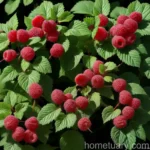
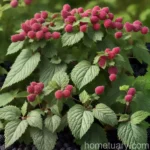
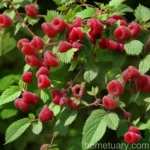
Fruit Color: Red
Fruit Flavor: Sweet and tangy
Fruiting Season: Summer and fall
Key Takeaways – Rubus idaeus ‘Anne’ (Everbearing Raspberry)
Before we dig deeper into the specifics of growing the Everbearing Raspberry ‘Anne’, let’s summarize the key takeaways of this remarkable fruit-bearing shrub.
- Growth Habit: A perennial shrub that produces fruit on new canes in the fall.
- Fruit Flavor: Delivers sweet and tangy berries suitable for fresh consumption, baking, and preserving.
- Hardiness Zones: Suited for USDA Hardiness Zones 4-9, making it adaptable to various climate conditions.
- Cultural Requirements: Requires well-drained soil, adequate sunlight, and regular pruning for optimum growth and fruit production.
Now, let’s delve into the detailed cultural requirements for successfully cultivating Rubus idaeus ‘Anne’.
Culture
Cultivating Rubus idaeus ‘Anne’ requires attention to various factors, including water, sunlight, fertilizer, soil, pruning, and propagation techniques. Let’s explore each of these cultural elements in detail.
Water
Proper watering is crucial for the health and productivity of Rubus idaeus ‘Anne’. The shrub typically requires consistent moisture, especially during the fruiting season, to support berry development. However, it’s equally important to ensure that the soil is well-drained to prevent waterlogging, which can lead to root rot and other issues.
Watering Tips:
- Regular Monitoring: Keep a close eye on soil moisture levels, especially during hot and dry periods.
- Deep Watering: Provide deep, thorough watering to encourage healthy root development.
- Mulching: Apply a layer of organic mulch around the base of the shrub to retain soil moisture and regulate temperature.
Sunlight
Like most fruit-bearing plants, Rubus idaeus ‘Anne’ thrives in full sunlight. Adequate sun exposure is essential for robust growth, flowering, and fruit production. When selecting a planting site for ‘Anne’ raspberries, it’s essential to prioritize locations with at least 6-8 hours of direct sunlight daily.
Sunlight Requirements:
- Optimal Exposure: Choose a planting location with full sun exposure to promote healthy and vigorous growth.
- Sun Protection: During exceptionally hot summers, provide some protection from intense midday sun to prevent stress on the plant.
Fertilizer
Proper nutrition plays a crucial role in the overall health and productivity of Rubus idaeus ‘Anne’. While raspberries are relatively low-maintenance compared to some fruit crops, they benefit from periodic fertilization to support robust growth and fruit development.
Fertilization Guidelines:
- Soil Testing: Conduct a soil test to assess nutrient levels and pH, and adjust fertilization accordingly.
- Balanced Fertilizer: Apply a balanced fertilizer in early spring as new growth emerges, following the manufacturer’s recommendations.
- Organic Amendments: Consider the use of organic amendments such as compost or well-rotted manure to enrich the soil and provide slow-release nutrients.
Soil
The soil composition directly impacts the health and productivity of Rubus idaeus ‘Anne’. Well-drained, fertile soil with a slightly acidic to neutral pH is ideal for growing healthy raspberries. Additionally, incorporating organic matter into the soil can improve its structure and fertility, creating a favorable environment for the plants.
Soil Preferences:
- Well-Drained Soil: Ensure proper drainage to prevent waterlogging and root rot.
- Soil pH: Aim for a pH range of 5.5-6.5 for optimal nutrient uptake and overall plant health.
- Organic Matter: Work organic matter into the soil, enhancing its texture and nutrient content.
Pruning
Pruning is an essential task in raspberry cultivation, contributing to plant vigor, disease management, and fruit production. For everbearing varieties like ‘Anne’, understanding the pruning principles for both the summer and fall crops is crucial for maximizing yield and maintaining a healthy plant structure.
Pruning Recommendations:
- Annual Pruning: Prune established canes that have already fruited, as well as any weak or diseased canes, to encourage new growth.
- Fall Pruning: In late winter or early spring, assess the canes and selectively prune to promote strong, productive new growth.
- Training Canes: Utilize a trellis system to train and support the canes, allowing for efficient harvesting and disease prevention.
Propagation
While propagated raspberry plants are commonly obtained from nurseries, gardeners can also propagate Rubus idaeus ‘Anne’ through various methods such as division, tip layering, and hardwood cuttings. Understanding the fundamentals of each propagation technique enables gardeners to expand their raspberry patch and share plants with others.
Propagation Methods:
- Tip Layering: Encourage tip layering, a natural propagation method where the tips of the canes root and form new plants.
- Division: Divide established raspberry clumps to create new plants, ensuring that each division has adequate roots and canes for successful establishment.
- Hardwood Cuttings: Harvest and propagate hardwood cuttings during the dormant season, providing favorable conditions for rooting and new growth.
Uses
Aside from being a delightful addition to home gardens, Rubus idaeus ‘Anne’ serves several practical and culinary purposes. Understanding the diverse uses of ‘Anne’ raspberries provides a broader appreciation for this versatile fruit and its impact on both the garden and the kitchen.
Culinary Uses
‘Anne’ raspberries are prized for their excellent flavor and versatility in the kitchen. With their sweet yet slightly tart profile, these berries are ideal for various culinary applications, including:
- Fresh Consumption: Enjoy ‘Anne’ raspberries fresh as a delectable snack or as part of fruit salads and desserts.
- Baking: Incorporate raspberries into pies, tarts, muffins, and other baked goods for a burst of vibrant flavor.
- Preserving: Make jams, jellies, and preserves using ‘Anne’ raspberries to capture and preserve their delightful taste for future enjoyment.
Landscape Uses
In addition to their culinary value, ‘Anne’ raspberries can contribute to landscape aesthetics, especially in edible and ornamental garden designs. The attractive foliage, delicate white flowers, and vibrant red berries of ‘Anne’ raspberries can enhance various aspects of the landscape:
- Edible Landscaping: Integrate ‘Anne’ raspberries into edible landscapes, where productive plants blend seamlessly with ornamental elements.
- Container Gardening: Cultivate ‘Anne’ raspberries in containers on patios, decks, or balconies, adding both visual interest and tasty rewards to small outdoor spaces.
- Wildlife Attraction: The berries attract birds and beneficial wildlife, providing food and habitat within the garden ecosystem.
Wildlife Attraction
Beyond human consumption, ‘Anne’ raspberries play a role in attracting and nourishing wildlife within the garden environment. The fruit-bearing shrub acts as a valuable food source for birds, insects, and other creatures, contributing to the overall biodiversity of the landscape.
- Birds: The berries are eagerly consumed by various bird species, attracting them to the garden and providing a natural food source.
- Beneficial Insects: The flowers and foliage of ‘Anne’ raspberries can support beneficial insect populations, contributing to pollination and ecological balance.
Common Diseases
Raspberries, including the everbearing variety ‘Anne’, are susceptible to certain diseases that can impact plant health and fruit production. Recognizing and understanding these common diseases is essential for proactive management and maintaining the overall vigor of the raspberry plants.
Disease Diagnosis
When cultivating Rubus idaeus ‘Anne’, it’s important to be vigilant for signs of common raspberry diseases, including:
- Anthracnose: Notable symptoms include brown or purple lesions on canes and fruit, potentially leading to reduced yield.
- Botrytis Fruit Rot: Identified by gray mold on berries, often occurring in wet or humid conditions conducive to fungal growth.
- Powdery Mildew: Recognized by the presence of white, powdery patches on leaves and canes, indicating a fungal infection.
- Yellow Rust: Characterized by yellow-orange pustules on the undersides of leaves, signaling an infection that can affect plant vigor.
Disease Prevention
Implementing proactive measures can help prevent and manage common raspberry diseases, preserving the health and productivity of ‘Anne’ raspberries. Key strategies for disease prevention include:
- Cultural Practices: Maintain good air circulation, proper spacing, and sanitation to minimize favorable conditions for disease development.
- Fungicide Applications: When necessary, apply appropriate fungicides following label instructions to control specific fungal infections.
- Resistant Varieties: Consider selecting disease-resistant raspberry varieties, including ‘Anne’, to reduce susceptibility to certain pathogens.
Common Pests
In addition to diseases, raspberries, including Rubus idaeus ‘Anne’, can fall victim to various pests that may jeopardize plant health and diminish fruit quality. Understanding the nature of these common pests is essential for implementing effective control measures and preserving the vitality of the raspberry plants.
Pest Identification
Some of the primary pests that can affect ‘Anne’ raspberries include:
- Japanese Beetles: Notable for their voracious feeding on foliage and potential to cause significant damage to raspberry plants.
- Raspberry Fruitworm: The larvae of this pest feed on developing berries, potentially leading to reduced fruit yield if left unmanaged.
- Spider Mites: These tiny arachnids can infest raspberry foliage, causing discoloration and stippling as they feed on plant juices.
- Raspberry Crown Borer: The larvae of this insect tunnel into the crowns and canes of raspberry plants, resulting in weakened growth and potential plant mortality.
Pest Control
Effectively managing common raspberry pests requires a multifaceted approach encompassing various control methods and vigilant monitoring of plant health.
- Physical Removal: Handpick and remove pests such as Japanese beetles from raspberry plants, especially during the early stages of infestation.
- Cultural Practices: Encourage natural predators and beneficial insects that can help control pest populations, promoting a balanced garden ecosystem.
- Insecticidal Treatments: When pest populations reach damaging levels, consider targeted insecticidal treatments following label instructions and safety precautions.
Botanist’s Tips
For aspiring and seasoned gardeners alike, it’s valuable to glean insights and tips from botanists and experts in the field of plant cultivation. Here are some specialized recommendations for successfully growing and caring for Rubus idaeus ‘Anne’.
Best Practices for ‘Anne’ Everbearing Raspberry
- Mulch Application: Apply organic mulch around ‘Anne’ raspberry plants to conserve soil moisture, suppress weeds, and regulate temperature.
- Support Systems: Install trellises or support structures to guide and contain raspberry canes, promoting efficient growth and ease of harvest.
- Seasonal Maintenance: Adhere to a regular maintenance schedule that includes pruning, fertilizing, and pest management to support healthy plant development.
‘Anne’ Raspberry Care Guide
- Pruning Timing: Schedule annual pruning during the dormant season, aiming to remove older canes to encourage fresh growth and fruiting.
- Watering Practices: Provide consistent moisture, especially during periods of active growth and fruit development, while avoiding waterlogged conditions.
- Soil Amendments: Amend the soil with organic matter and adjust pH as needed to create a favorable growing environment for ‘Anne’ raspberries.
Growing Tips for ‘Anne’ Everbearing Raspberry
- Sunlight Requirements: Select planting sites with ample sunlight to ensure robust growth and abundant fruit production throughout the season.
- Fruit Harvesting: Regularly harvest ripe fruit to encourage further flowering and fruiting, while preventing overripening and potential pest attraction.
- Disease Monitoring: Monitor plants for any signs of disease or pest infestation, promptly addressing issues to prevent further spread and damage.
Fun Facts
Exploring the world of Rubus idaeus ‘Anne’ wouldn’t be complete without uncovering some intriguing and lesser-known facts about this everbearing raspberry variety.
Did You Know?
- Floral Beauty: ‘Anne’ raspberries produce delicate white flowers before yielding their vibrant red fruits, adding an ornamental touch to the garden.
- Bountiful Harvest: When properly cared for, ‘Anne’ raspberries can provide a continuous supply of delectable berries, allowing for multiple harvests in a single growing season.
- Wildlife Interactions: The berries of ‘Anne’ raspberries attract various birds, adding both visual and ecological appeal to the garden landscape.
Links to External Resources
To further expand your knowledge and expertise in growing Rubus idaeus ‘Anne’ raspberries, consider exploring the following external resources:
Educational Websites
- University of Maryland Extension: Growing Raspberries
- Cornell Fruit – Raspberries
- Oregon State University: Raspberry Cultivars
Gardening Communities and Forums
Botanical Gardens and Arboretums
Recipe Collections
Conclusion
The Everbearing Raspberry ‘Anne’, with its delightful flavor, continuous fruiting, and diverse uses, has secured its place as a cherished addition to gardens and landscapes. By adhering to the cultural recommendations, embracing best practices, and incorporating expert tips, gardeners can cultivate robust and productive ‘Anne’ raspberry plants, yielding bountiful harvests and adding beauty to their outdoor spaces. From the allure of the delicate white flowers to the joy of harvesting ripe berries, the journey of growing Rubus idaeus ‘Anne’ is a rewarding endeavor for both novice and seasoned horticulturists.
The detailed guide provides insights into the cultivation of the Everbearing Raspberry ‘Anne’, encompassing its cultural requirements, uses, care tips, disease management, and pest control. By delving into various aspects of growing Rubus idaeus ‘Anne’, gardeners can gain a comprehensive understanding of this remarkable fruit-bearing shrub.