Prunus ‘Amanogawa’ (Japanese Flowering Cherry): The Quintessential Beauty of the East
Introduction to Prunus ‘Amanogawa’ (Japanese Flowering Cherry)
The Japanese flowering cherry trees, scientifically known as Prunus, are one of the most iconic and revered trees in the world. Among the myriad varieties of this enchanting species, Prunus ‘Amanogawa’ stands out as a particularly exquisite and distinctive cultivar. Renowned for its captivating beauty and rich cultural symbolism, this ornamental tree has captivated the hearts of people around the globe.
In this comprehensive guide, we will delve into the enchanting realm of Prunus ‘Amanogawa’, exploring its cultural significance, growth characteristics, and the nuanced care it demands. Whether you are a seasoned horticulturist or an aspiring gardening enthusiast, this article will equip you with essential insights into fostering the resplendent Prunus ‘Amanogawa’, also known as Japanese Flowering Cherry, within your own garden landscape.
Key Takeaways – Prunus ‘Amanogawa’ (Japanese Flowering Cherry)
Before delving into the cultural and botanical nuances of Prunus ‘Amanogawa’, let’s first outline some key takeaways that will provide a bird’s-eye view of what we will cover in this comprehensive guide.
Prunus ‘Amanogawa’ (Japanese Flowering Cherry) – Key Takeaways
- Plant Name: Prunus ‘Amanogawa’ (Japanese Flowering Cherry)
- Popularity: Revered for its captivating beauty and rich cultural symbolism
- Traits: Elegant, columnar growth habit; captivating blooms
- Growth: Moderate growth rate, with an upright, narrow form
- Pruning: Minimal pruning requirements, mainly for shaping and maintenance
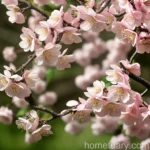
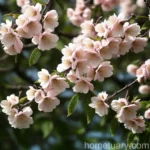
- Characteristics: Rich pink flower buds opening to delicate pale pink blooms
- Size: Typically reaches a height of 20-25 feet, with a spread of 15 feet
- Disease Resistance: Susceptible to certain diseases, requiring diligent monitoring
- Landscape Design: Prized for creating vertical interest and elegant focal points
- Blooming Season: Enthralling display of blooms in spring, signaling the arrival of new beginnings
- Sunlight Requirements: Flourishes in full sun to partial shade conditions
- Soil Preferences: Thrives in well-drained, slightly acidic soils
- Water Needs: Moderate watering needs, particularly during its formative years
- Fertilizer Needs: Minimal fertilization requirements, with a focus on balanced nutrients
- Propagation: Can be propagated through softwood cuttings and grafting
- Container Gardening: Suitable for container cultivation, provided adequate growing conditions
- Common Pests: Prone to attacks by certain insect pests, necessitating proactive pest control measures
- Common Diseases: Vulnerable to various fungal and bacterial diseases, requiring vigilant care practices
- Fun Facts: Holds rich cultural significance in Japanese traditions and folklore
With these key takeaways in mind, let’s embark on a captivating journey to unravel the allure and complexities of Prunus ‘Amanogawa’.
Culture
The Cultural Significance of Prunus ‘Amanogawa’ in Japanese Traditions
The cultural significance of Prunus ‘Amanogawa’ holds a profound place in Japanese traditions, where the blooming of cherry blossoms is celebrated with fervor and reverence. Known as sakura in Japanese, cherry blossoms symbolize the fleeting nature of life, beauty, and the essence of transience. The annual phenomenon of cherry blossom viewing, or hanami, is a centuries-old tradition that brings together people from all walks of life to relish the ephemeral beauty of these delicate blooms.
Prunus ‘Amanogawa’ with its striking slender form and enchanting pink blossoms epitomizes the essence of Japanese aesthetic sensibilities, embodying the sublime balance between strength and delicacy. These trees often find their place in varied artistic expressions, ranging from poetry and paintings to traditional crafts, thereby symbolizing resilience, fleeting beauty, and the timeless allure of nature.
The ethereal charm of Prunus ‘Amanogawa’ transcends geographical boundaries, enchanting individuals worldwide with its captivating beauty and cultural significance. With its deep-rooted connections to Japanese traditions and artistic expressions, this ornamental cherry tree serves as a poignant reminder of the ephemeral yet eternal nature of existence.
Uses
The Versatile Applications of Prunus ‘Amanogawa’ in Landscape Design
In the realm of landscape design, Prunus ‘Amanogawa’ emerges as a versatile and invaluable asset, offering a myriad of applications to elevate the visual allure of diverse outdoor spaces. Let’s explore the various ways in which this exquisite ornamental tree can be incorporated into landscape compositions:
-
Vertical Accent: The elegant, columnar growth habit of Prunus ‘Amanogawa’ makes it a favored choice for creating vertical interest within landscapes. Whether framed against the backdrop of architectural structures or interspersed within mixed border plantings, the upright form of this cherry tree imparts a stately and refined appeal.
-
Focal Point: When positioned strategically, Prunus ‘Amanogawa’ serves as a captivating focal point, drawing attention and admiration with its enchanting blossoms and graceful silhouette. Planted alongside pathways, in courtyard gardens, or as standalone specimens, these trees exude timeless elegance and visual splendor.
-
Small Gardens and Urban Landscapes: Given its relatively moderate size and slender growth habit, Prunus ‘Amanogawa’ is particularly well-suited for small gardens and urban landscapes. Its compact nature allows for graceful integration into constrained outdoor spaces, where it can flourish without overwhelming the surrounding environment.
-
Symbolic Plantings: The profound symbolism associated with Prunus ‘Amanogawa’ makes it a poignant choice for symbolic plantings, especially in contemplative garden spaces, memorial gardens, or areas dedicated to honoring the ephemeral essence of life and nature’s enduring beauty.
-
Japanese Garden Designs: Within the context of Japanese garden designs, Prunus ‘Amanogawa’ harmoniously integrates with the principles of serenity, balance, and the celebration of natural beauty. Whether as part of a contemplative rock garden or nestled amid tranquil water features, these ornamental cherry trees epitomize the timeless allure of sakura within the Japanese garden aesthetic.
The versatile applications of Prunus ‘Amanogawa’ in landscape design underscore its intrinsic value as a cherished botanical specimen, capable of infusing outdoor spaces with grace, elegance, and profound cultural symbolism.
Water
Understanding the Water Needs of Prunus ‘Amanogawa’
The judicious management of water forms a pivotal aspect of nurturing Prunus ‘Amanogawa within diverse growing environments. By comprehending the distinctive water requirements of this ornamental cherry tree, horticulturists and gardening enthusiasts can optimize its growth and flowering potential. Let’s decipher the nuances of watering Prunus ‘Amanogawa’ to foster its vitality and resplendent blooms:
Water Requirements
-
Formative Years: During the initial establishment phase, Prunus ‘Amanogawa’ necessitates regular and consistent watering to facilitate the development of a robust root system. Adequate moisture is essential to support the tree’s vigor and ensure its resilience in the face of environmental stressors.
-
Established Trees: Once Prunus ‘Amanogawa’ has matured and established itself, it displays moderate water needs, typically relying on natural rainfall to meet a significant portion of its moisture requirements. However, during prolonged periods of drought or in regions characterized by infrequent rainfall, supplemental watering may be necessary to maintain optimal growth and flowering.
-
Watering Techniques: When irrigating Prunus ‘Amanogawa’, it is imperative to adopt watering techniques that promote deep root penetration and moisture retention. Deep, infrequent watering sessions encourage the development of a robust and resilient root system, enhancing the tree’s capacity to withstand fluctuating environmental conditions.
-
Soil Moisture Monitoring: Regular monitoring of soil moisture levels is instrumental in tailoring the watering regimen for Prunus ‘Amanogawa. By assessing soil moisture content and responding promptly to signs of water stress, horticulturists can refine their approach to watering, ensuring that the tree’s needs are consistently met.
-
Drainage Considerations: While Prunus ‘Amanogawa’ favors moderately moist growing conditions, it is imperative to prioritize well-drained soils to prevent waterlogging, which can compromise the tree’s health and vitality. Ensuring optimal soil drainage is pivotal to safeguarding against water-induced stress and root suffocation.
By instinctively cognizing the water demands of Prunus ‘Amanogawa and tailoring watering practices to align with its specific needs, horticulturists can nurture flourishing trees that bloom resplendently and thrive in their chosen environments.
Sunlight
Nurturing Prunus ‘Amanogawa’ in Optimal Sunlight Conditions
The sunlight requirements of Prunus ‘Amanogawa’ exert a profound influence on the tree’s growth, flowering potential, and overall vitality. By creating an environment that satisfies the tree’s need for adequate sunlight, horticulturists can encapsulate the essence of Prunus ‘Amanogawa’ in its resplendent form. Let’s explore the nuances of nurturing this ornamental cherry tree in optimal sunlight conditions:
Sunlight Preferences
-
Full Sun to Partial Shade: Prunus ‘Amanogawa’ thrives when situated in locations that receive ample sunlight, with exposure to full sun being particularly favorable. However, the tree also demonstrates adaptability to partial shade conditions, wherein it can flourish as long as it receives a minimum of four to six hours of direct sunlight daily.
-
Growing Environment: When selecting a site for planting Prunus ‘Amanogawa, it is imperative to prioritize locations that offer unobstructed access to sunlight, thereby enabling the tree to photosynthesize efficiently and expeditiously. South-facing or west-facing aspects are often ideal for maximizing solar exposure, promoting robust growth and abundant flowering.
-
Shade Considerations: In regions characterized by intense heat or prolonged periods of scorching sunlight, providing Prunus ‘Amanogawa with partial shade during the hottest hours of the day can mitigate the risk of leaf scorch and enhance the tree’s capacity to thrive in challenging environmental conditions.
-
Adaptation to Conditions: While Prunus ‘Amanogawa exhibits a preference for sunny locales, it showcases admirable adaptability to varied light conditions, allowing it to flourish in diverse landscapes and garden settings. Nonetheless, consistent access to adequate sunlight remains pivotal to engendering the tree’s vitality and blooming potential.
-
Seasonal Considerations: Throughout the seasons, the sunlight exposure received by Prunus ‘Amanogawa undergoes subtle variations, as canopy foliage and surrounding environmental elements transform. By accounting for these seasonal fluctuations and optimizing sunlight exposure, horticulturists can facilitate the tree’s holistic well-being and sustained growth.
By conscientiously orchestrating the tree’s placement and cultivation in alignment with its sunlight requisites, horticulturists can unleash the full splendor of Prunus ‘Amanogawa and bequeath it with the optimal conditions for abundant flowering and vitality.
Fertilizer
Nourishing Prunus ‘Amanogawa’ with Balanced Fertilization
The judicious application of fertilizers constitutes an integral facet of nurturing Prunus ‘Amanogawa’, serving as a means to fortify the tree’s growth, flowering potential, and overall robustness. By assimilating the principles of balanced fertilization, horticulturists can ensure that their Prunus ‘Amanogawa radiates with resplendence and vitality. Let’s delve into the nuances of nourishing this ornamental cherry tree with optimal fertilization practices:
Fertilizer Recommendations
-
Nutrient Demands: Prunus ‘Amanogawa’, akin to many ornamental trees, benefits from fertilization that encompasses a balanced blend of essential nutrients, including nitrogen, phosphorus, potassium, and trace elements. This comprehensive nutrient profile fortifies the tree’s resilience, promotes robust growth, and accentuates the vibrancy of its blooms.
-
Fertilization Schedule: Establishing a consistent fertilization schedule is pivotal to sustaining the vigor and vitality of Prunus ‘Amanogawa. Typically, fertilization sessions are conducted in early spring, prior to the initiation of new growth, and in late autumn as the tree transitions towards dormancy. These strategic time points optimize nutrient uptake and assimilation by the tree.
-
Fertilizer Composition: Selecting a well-balanced, slow-release fertilizer designed for ornamental trees and shrubs is pivotal when nourishing Prunus ‘Amanogawa. Evaluation of the nutrient composition, release rate, and longevity of the fertilizer aids in tailoring the application to meet the tree’s specific needs and evolutionary growth stages.
-
Application Techniques: Careful application of fertilizers around the root zone of Prunus ‘Amanogawa promotes efficient nutrient uptake and minimizes the risk of leaching and nutrient runoff. Directing the fertilization effort towards the zone of active root proliferation optimizes the tree’s capacity to harness and utilize the supplied nutrients.
-
Soil Amendments: The inclusion of organic soil amendments, such as well-rotted compost or aged manure, can augment the fertility of the growing medium around Prunus ‘Amanogawa and foster a wholesome environment that supports the tree’s sustained growth, flowering, and overall well-being.
By integrating these nuanced fertilization insights into their care regimen for Prunus ‘Amanogawa, horticulturists can empower the tree to unfurl its mesmerizing blooms and luxuriant foliage, while underpinning its vitality and resilience.
Soil
Unraveling the Soil Preferences of Prunus ‘Amanogawa’
The soil preferences of Prunus ‘Amanogawa have a profound bearing on the tree’s adaptability, growth, and flowering potential. By fathoming the nuanced requisites of the tree’s soil environment, horticulturists can orchestrate an optimal growing milieu that galvanizes the vitality and resplendence of Prunus ‘Amanogawa. Let’s unravel the intricate tapestry of soil preferences that imbue this ornamental cherry tree with vigor and vibrancy:
Soil Preferences
-
Well-Drained Soil: Prunus ‘Amanogawa thrives when situated in soils characterized by exceptional drainage properties. Adequate soil drainage curtails the risk of waterlogging, thereby safeguarding the tree’s root system against suffocation and root rot, while fostering an optimal balance of aeration and moisture retention.
-
Slightly Acidic pH: The ideal pH range for Prunus ‘Amanogawa hovers around 6.0 to 6.5, reflecting a slightly acidic soil milieu. This pH range promotes effective nutrient uptake, especially for pivotal elements such as iron and manganese, while optimizing the tree’s capacity to access essential minerals that underpin its well-being.
-
Adaptability to Soil Types: While Prunus ‘Amanogawa manifests a preference for well-drained, slightly acidic soils, it exhibits admirable adaptability to diverse soil types, encompassing loamy, sandy, or clay-based substrates. Nonetheless, prioritizing soils that align with the tree’s intrinsic preferences bolsters its capacity to flourish and bloom abundantly.
-
Soil Amendments: Incorporating organic soil amendments into the planting site of Prunus ‘Amanogawa, such as compost, peat moss, or well-rotted manure, enhances the soil structure, fertility, and moisture retention capacity. These amendments engender an environment that is conducive to sustained growth, blooming, and overall tree vitality.
-
Mulching Practices: The application of organic mulches, such as shredded bark or leaf mold, around the base of Prunus ‘Amanogawa, serves as a strategic tool to regulate soil moisture, insulate the root zone from temperature fluctuations, and suppress weed competition, thereby fostering the tree’s wholesome growth and well-being.
By honoring the subtle soil preferences of Prunus ‘Amanogawa and tailoring the planting site to meet its distinctive needs, horticulturists can fortify the tree’s capacity to thrive, bloom resplendently, and etch its timeless allure in the garden landscape.
Pruning
Unveiling the Art of Pruning Prunus ‘Amanogawa’ for Elegance and Vitality
Pruning Prunus ‘Amanogawa epitomizes an artful endeavor that shapes the tree’s growth, resilience, and aesthetic appeal, while fostering its vitality and long-term well-being. By discerning the nuances of pruning this ornamental cherry tree, horticulturists can elevate its elegance and fortitude, orchestrating a spectacle that enlivens the garden landscape. Let’s embark on a journey to unveil the art of pruning Prunus ‘Amanogawa:
Pruning Considerations
-
Pruning Objectives: The art of pruning Prunus ‘Amanogawa is underpinned by a harmonious blend of aesthetic refinement and tree care essentials. Pruning endeavors typically encompass shaping the tree’s form, optimizing light penetration and air circulation, managing growth vigor, and invigorating the tree’s blooming potential.
-
Pruning Timeframe: Ordinarily, pruning Prunus ‘Amanogawa is conducted during the dormant season, in late winter to early spring, prior to the onset of new growth. This timeframe minimizes the risk of inadvertently stimulating regrowth and sets the stage for the tree to respond robustly to the pruning efforts.
-
Minimalistic Approach: Prunus ‘Amanogawa embodies a relatively minimalistic pruning regime, primarily oriented towards subtle formative pruning, framework enhancement, and selective branch management. Embracing a restrained approach to pruning obviates excessive interventions that may compromise the tree’s flowering potential and long-term structure.
-
Thinning Practices: Thinning out congested or crossing branches within the canopy of Prunus ‘Amanogawa augments light penetration and air circulation, fostering a wholesome growing environment that mitigates the risk of disease incidence and promotes the sustained vitality of the tree.
-
Removal of Weak Growth: Identifying and expurgating weak, dead, or diseased growth within the canopy of Prunus ‘Amanogawa fortifies the tree’s resilience, enhances its aesthetic allure, and optimizes resource allocation for robust flowering and sustained growth.
-
Structural Support: Occasionally, providing subtle structural support through strategic pruning can bestow Prunus ‘Amanogawa with an elegant form and stately silhouette, aligning with its intrinsic growth habit and blooming potential.
By orchestrating the art of pruning Prunus ‘Amanogawa with finesse and purposive intent, horticulturists can imbue the tree with graceful elegance, sustained vitality, and timeless allure, thereby underpin