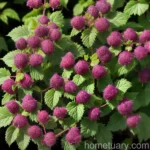
Rubus calycinoides (Creeping Raspberry): A Versatile and Low-Maintenance Groundcover
Groundcover plants play an essential role in landscaping by providing a carpet of foliage that suppresses weeds, conserves soil moisture, and adds visual appeal to gardens and outdoor spaces. Among the diverse array of groundcovers available, Rubus calycinoides, commonly known as Creeping Raspberry, stands out as an attractive and resilient option. This versatile plant belongs to the Raspberry family and is valued for its low maintenance requirements, adaptability to various growing conditions, and numerous practical and aesthetic uses in landscaping.
In this comprehensive guide, we will delve into the various aspects of Rubus calycinoides, including its cultural requirements, uses in landscaping, propagation methods, common pests and diseases, and essential maintenance practices. Whether you are an avid gardener, landscape professional, or simply a lover of plants, this article will provide valuable insights into harnessing the potential of Rubus calycinoides as a groundcover in diverse environmental settings.
Key Takeaways – Rubus calycinoides (Creeping Raspberry)
Before we delve into the in-depth aspects of Rubus calycinoides, let’s begin by summarizing the key features and attributes of this remarkable groundcover plant.
– Plant Name: Rubus calycinoides (Creeping Raspberry)
– Family: Rosaceae (Raspberry family)
– Common Names: Creeping Raspberry, Creeping Bramble
– Growth Habit: Low-growing, spreading, evergreen perennial
– Foliage: Glossy, dark green leaves with a distinct raspberry-like texture
– Flowers: Delicate white to pink blossoms in late spring to early summer
– Fruit: Small, edible red berries that resemble raspberries
– Versatility: Ideal for use as a groundcover, erosion control, border plant, and in rock gardens
– Low Maintenance: Well-suited for low-maintenance landscaping and requires minimal care
– Characteristics: Drought-tolerant, shade-tolerant, and adaptable to various soil types
– Uses: Weed-suppressing, erosion-controlling, and aesthetically pleasing groundcover
Rubus calycinoides embodies a combination of desirable characteristics that make it an attractive option for enhancing outdoor spaces. Its adaptability and resilience equip it to thrive in different environments, while its aesthetic appeal and practical attributes contribute to its popularity as a landscaping asset.
Culture
Uses
– Groundcover: Rubus calycinoides serves as an effective groundcover that fills in bare spaces and suppresses weed growth.
– Erosion Control: The spreading nature of the plant makes it well-suited for controlling soil erosion on slopes and embankments.
– Border Plant: Its low-growing habit and attractive foliage make it an ideal candidate for bordering flowerbeds and pathways.
– Rock Gardens: The low-maintenance requirements and visual texture of Rubus calycinoides make it a valuable addition to rock garden settings.
In addition to these common uses, the plant offers further versatility in landscaping applications, making it a valuable asset for outdoor design and maintenance efforts.
Water
Rubus calycinoides exhibits adaptability to different moisture conditions, making it suitable for cultivation in both dry and moderately moist environments. When establishing the plant, it is essential to provide regular watering to promote root establishment and initial growth. Once established, the plant displays a degree of drought tolerance, requiring minimal supplemental watering under normal environmental conditions.
Watering Guidelines:
- Establishment Phase: Water deeply 2-3 times a week to facilitate root establishment.
- Established Plants: Provide occasional watering during prolonged dry spells, aiming for deep infiltration to maintain soil moisture.
Balancing the plant’s water requirements is crucial for promoting optimal growth and ensuring its ability to withstand periods of limited water availability.
Sunlight
Light Requirements:
Rubus calycinoides exhibits versatility in its light requirements, adapting to variations in sun exposure. While the plant thrives in partial to full shade, it also demonstrates a degree of tolerance to dappled sunlight and filtered light conditions. This adaptability makes it suitable for deployment in shaded areas where many other groundcovers may struggle to thrive.
Sunlight Guidelines:
- Partial Shade: Ideal for locations with limited direct sunlight, such as under tree canopies or alongside buildings.
- Full Shade: Well-suited for areas with minimal direct sunlight, including north-facing borders and shaded garden beds.
Understanding the plant’s capacity to thrive in diverse light conditions empowers gardeners and landscapers to leverage its adaptability in various outdoor settings.
Fertilizer
Rubus calycinoides showcases modest fertilizer requirements, with an inclination towards organic and balanced formulations. While the plant exhibits resilience to nutrient-poor soils, supplementing with a well-balanced fertilizer can promote healthy growth and enhance its visual appeal. Incorporating organic matter into the soil during planting and providing occasional fertilizer applications during the growing season can contribute to the plant’s vigor and robustness.
Fertilization Recommendations:
- Organic Matter: Incorporate compost or well-rotted manure into the soil during planting to enrich the growing medium.
- Balanced Fertilizer: Apply a balanced, slow-release fertilizer in early spring to support growth and development.
By adhering to appropriate fertilization practices, gardeners can optimize the performance of Rubus calycinoides in landscaping and garden settings.
Soil
Rubus calycinoides exhibits adaptability to a range of soil types, provided they offer adequate drainage and aeration. While the plant demonstrates tolerance to sandy, loamy, and clay soils, it thrives in well-draining, slightly acidic to neutral soils. Prioritizing soil preparation during planting and ensuring proper drainage conditions enable the plant to establish robust root systems and thrive in diverse soil environments.
Soil Requirements:
- Drainage: Ensure well-draining soil or amend heavy soils with organic matter to improve drainage.
- pH Level: Aim for slightly acidic to neutral soil conditions with a pH range of 5.5-7.0 for optimal growth.
Addressing soil requirements pertinent to Rubus calycinoides creates a foundation for successful establishment and long-term vitality in garden and landscape applications.
Pruning
Pruning plays a crucial role in managing the growth and aesthetic appeal of Rubus calycinoides while ensuring its health and vigor. The plant’s moderate growth rate and spreading nature benefit from periodic pruning, which helps maintain its desired shape, control excessive growth, and rejuvenate established plantings.
Pruning Guidelines:
- Spring Pruning: Conduct light pruning in early spring to remove damaged or congested growth.
- Thinning: Periodically thin out older growth to promote air circulation and minimize overcrowding.
- Limiting Spread: Trim back excessive runners to contain the plant within the desired area.
Implementing strategic pruning practices empowers gardeners to shape and manage Rubus calycinoides effectively, contributing to its visual appeal and long-term performance in landscaping settings.
Propagation
Natural Spreading:
Rubus calycinoides exhibits natural spreading tendencies through its creeping stems, known as stolons, which enable the plant to propagate and colonize new areas autonomously. Leveraging this natural propagation mechanism, gardeners can establish new plantings by allowing the creeping stems to root along their path, creating contiguous coverage over time.
Division:
In addition to natural spreading, the plant can be propagated through division, where established clumps are carefully separated into smaller sections for replanting. This method enables the efficient multiplication of Rubus calycinoides and facilitates the establishment of new plantings in desired locations.
Propagation Tips:
- Creeping Stems: Encourage natural propagation by allowing creeping stems to root and form new plant clusters.
- Division: Divide established clumps in early spring to propagate the plant and expand its coverage.
By harnessing the natural propagation tendencies of Rubus calycinoides and incorporating division techniques, gardeners can amplify the presence of this groundcover in their landscapes and outdoor environments.
Container Popularity
Container Gardening:
While Rubus calycinoides is primarily valued as a groundcover, its suitability for container gardening should not be overlooked. The plant’s low-maintenance nature and attractive foliage make it a compelling choice for container plantings, where it can serve as a cascading, evergreen feature in outdoor potted arrangements.
Benefits of Container Planting:
- Visual Appeal: Adds texture and greenery to outdoor container displays, offering year-round foliage interest.
- Versatility: Suitable for hanging baskets, mixed planters, and container borders, enhancing the visual diversity of outdoor spaces.
- Low Maintenance: Thrives in container settings with minimal care, making it an attractive option for busy gardeners.
Incorporating Rubus calycinoides into container gardening endeavors presents an opportunity to explore its adaptability in diverse gardening contexts and create striking visual displays in outdoor settings.
Container Common Diseases
Disease Susceptibility:
While Rubus calycinoides exhibits resilience to many common diseases and pests, it may be vulnerable to specific issues in certain environmental conditions. Understanding the potential diseases that can affect the plant equips gardeners with the knowledge to implement preventive measures and timely interventions when necessary.
Common Diseases in Containers:
- Root Rot: Prolonged waterlogged conditions can lead to root rot, affecting the plant’s overall health and vitality.
- Fungal Issues: Humid and poorly ventilated container environments may create favorable conditions for fungal diseases such as powdery mildew and leaf spot.
Vigilant monitoring and proactive measures can help mitigate the risk of diseases in container-grown Rubus calycinoides, safeguarding its well-being and performance in outdoor settings.
Disease diagnosis
Symptoms and Identification:
Root Rot:
- Wilting foliage, especially during periods of water stress
- Yellowing and browning of leaves, often starting at the base
- Stunted growth and decline in overall plant vigor
Fungal Diseases:
- White powdery patches on foliage (indicative of powdery mildew)
- Dark spots or lesions on leaves (symptomatic of leaf spot diseases)
By familiarizing themselves with the symptoms and visual cues associated with common diseases, gardeners can promptly identify and address potential issues affecting Rubus calycinoides in container settings.
Common pests
Rubus calycinoides is generally resistant to many pests due to its vigorous growth and natural defense mechanisms. However, occasional pest infestations may occur, necessitating monitoring and targeted intervention to maintain the plant’s health and vitality.
Potential Pests:
- Spider Mites: These minuscule pests may infest the foliage, causing stippling and discoloration of leaves.
- Aphids: Infestations of aphids may occur, particularly on tender new growth, leading to distortion and discoloration of leaves.
Implementing regular inspections and employing appropriate pest management strategies can mitigate the impact of potential pest issues and preserve the visual and functional attributes of Rubus calycinoides in container settings.
Botanist’s tips
Planting Considerations:
- Spacing: Allow ample room for the plant’s natural spread, considering its creeping and trailing growth habits.
- Maintenance: Incorporate the plant into areas where it can thrive without posing maintenance challenges, especially regarding containment and spread control.
- Aesthetic Pairings: Explore companion plantings that complement the appearance and growth habits of Rubus calycinoides, creating visually harmonious landscapes.
By integrating these insightful tips into planting and maintenance practices, gardeners can optimize the performance and aesthetic impact of Rubus calycinoides in various outdoor settings.
Fun facts
- Rubus calycinoides is a native of East Asia, where it thrives in the forest understorey and woodland edges.
- The plant’s distinct raspberry-like leaves contribute to its common name, Creeping Raspberry, serving as a visual reminder of its relationship to the raspberry family.
- In addition to its ornamental and practical uses, Rubus calycinoides also produces small, edible berries that are enjoyed by wildlife and can be consumed by humans in moderation.
Unearthing these intriguing facets of Rubus calycinoides adds depth to the appreciation of this groundcover plant and underscores its multifaceted attributes beyond its visual appeal.
Links to External Resources
For further information on Rubus calycinoides and related topics, the following resources provide valuable insights and practical guidance:
- Royal Horticultural Society – Rubus calycinoides
- University of Florida IFAS Extension – Groundcovers for Central Florida
- North Carolina State University Extension – Ground Covers
- Missouri Botanical Garden – Plant Finder: Rubus calycinoides
These resources offer comprehensive insights into the cultivation, maintenance, and uses of Rubus calycinoides, enriching the knowledge base of both amateur and seasoned horticultural enthusiasts.
In conclusion, Rubus calycinoides stands out as a versatile and low-maintenance groundcover plant that embodies a blend of aesthetic, practical, and ecological benefits. Its adaptability to various growing conditions, resilience to common pests and diseases, and diverse uses in landscaping underscore its significance as a valuable asset in outdoor environments. By embracing the insights and recommendations provided in this guide, gardeners and landscape professionals can harness the potential of Rubus calycinoides to enrich their outdoor spaces and create visually captivating, functional landscapes enhanced by the allure of this exceptional groundcover.