The Fascinating World of Rosemary (Salvia rosmarinus ‘Well-Sweep Golden’)
Introduction
Welcome to the wonderful world of rosemary (Salvia rosmarinus ‘Well-Sweep Golden’). This versatile herb, with its fragrant needle-like leaves and delicate flowers, has been cherished for centuries for its culinary, medicinal, and ornamental uses. In this comprehensive guide, we will explore the various facets of this remarkable plant, from its cultural requirements to its common uses, and from propagation techniques to its popularity in containers. Whether you are a seasoned gardener, a plant enthusiast, or simply someone intrigued by the natural world, there’s something in store for everyone.
What is Rosemary?
Rosemary, scientifically known as Salvia rosmarinus ‘Well-Sweep Golden’, is a perennial evergreen shrub that belongs to the family Lamiaceae. It is native to the Mediterranean region, where it thrives in the warm, sunny climate. This aromatic herb is characterized by its woody stems, needle-like leaves, and small, blue flowers that adorn the plant in the spring and summer months.
Key Takeaways
Rosemary Plant
- Rosemary (Salvia rosmarinus ‘Well-Sweep Golden’) is a perennial evergreen shrub with a rich history of cultural, culinary, and medicinal uses.
- It belongs to the family Lamiaceae and is native to the Mediterranean region.
Culture
Cultivating rosemary can be a rewarding experience for gardeners of all levels. To successfully grow and maintain this plant, it’s essential to consider its specific cultural requirements.
Uses
The uses of rosemary are diverse and encompass culinary, medicinal, and ornamental applications.
Culinary Uses
- The aromatic leaves of rosemary are a popular culinary herb, adding flavor to a wide range of dishes, including roasted meats, vegetables, and infused oils.
- It is a key ingredient in traditional Mediterranean cuisine and is celebrated for its robust, pine-like fragrance and earthy undertones.
Medicinal Properties
- Rosemary has a rich history of medicinal use, with potential benefits for digestion, memory, and overall cognitive function.
- It is also valued for its antioxidant and anti-inflammatory properties.
Ornamental Value
- In addition to its practical uses, rosemary serves as an attractive ornamental plant, often utilized in landscaping, container gardening, and as a fragrant addition to flower arrangements.
Water
Rosemary thrives in well-draining soil and prefers slightly drier conditions. Overwatering can lead to root rot, so it’s crucial to water the plant sparingly, allowing the soil to partially dry out between waterings.
Sunlight
As a Mediterranean plant, rosemary requires ample sunlight to flourish. It should be planted in a location that receives at least 6-8 hours of direct sunlight daily.
Fertilizer
Rosemary is not a heavy feeder and generally thrives in nutrient-poor soil. However, an occasional application of a balanced fertilizer in the spring can promote healthy growth.
Soil
Well-draining, sandy soil is ideal for rosemary. It does not tolerate waterlogged conditions, so it’s important to ensure that the soil drains effectively.
Pruning
Regular pruning helps maintain the shape of the plant and promotes bushier growth. It’s best to prune rosemary in the spring, just before new growth appears.
Propagation
Rosemary can be propagated from cuttings with relative ease. This method allows for the creation of new plants from established ones, enabling gardeners to expand the presence of rosemary in their gardens or share it with others.
Container Popularity
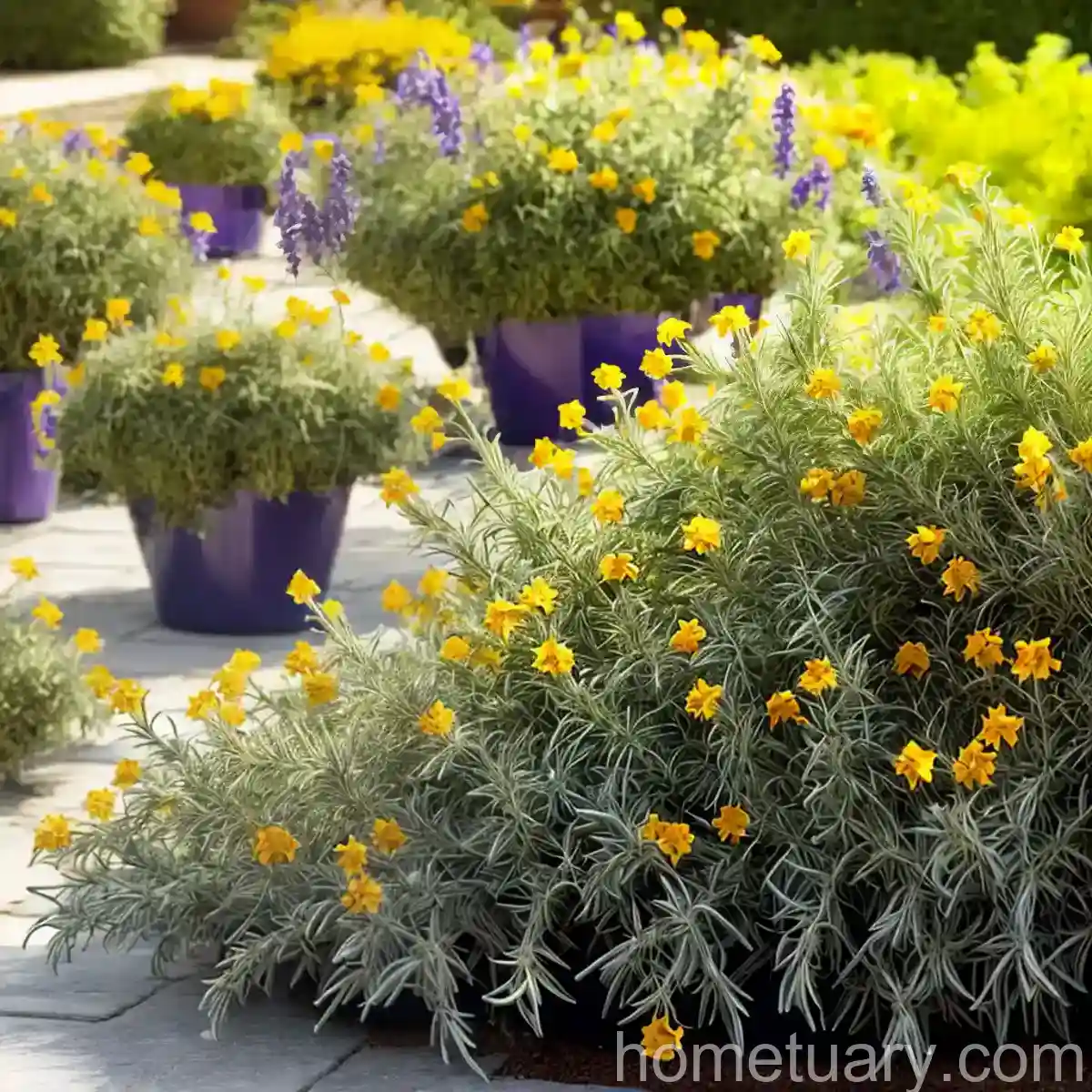
Due to its adaptability and compact growth habit, rosemary is a popular choice for container gardening. It thrives in containers, making it an excellent option for those with limited garden space or for those who wish to have fresh herbs within easy reach.
Common Diseases
Rosemary is generally resistant to many common plant diseases, but it can occasionally be affected by issues such as powdery mildew or root rot, particularly in overly moist conditions.
Disease Diagnosis
Common signs of disease in rosemary include wilting leaves, discoloration, and the presence of powdery white residue on the foliage. Prompt action, such as adjusting watering practices or providing better air circulation, is essential in managing these issues.
Common Pests
While generally resilient, rosemary can attract certain pests such as aphids, spider mites, and whiteflies. Regular monitoring and the use of natural predators or insecticidal soaps can help keep these pests at bay.
Botanist’s Tips
From a botanical perspective, rosemary embodies a fascinating blend of sensory delights and ecological significance. Here are some intriguing insights into this vibrant herb:
- The botanical name Salvia rosmarinus reflects its association with the genus Salvia, which encompasses a diverse group of aromatic plants known for their culinary and medicinal value.
- The specific epithet ‘rosmarinus’ alludes to its resemblance to the rose, while ‘Well-Sweep Golden’ pertains to the golden-hued foliage of this particular cultivar.
- As an evergreen perennial, rosemary brings year-round beauty and utility to gardens and landscapes, enriching the environment and providing sustenance for pollinators.
- The essential oil derived from rosemary is prized for its invigorating aroma and is used in various aromatherapy and wellness applications.
- Rosemary has historical and cultural significance, featuring prominently in folklore, traditional medicine, and culinary traditions across diverse cultures.
Fun Facts
Delving into the realm of rosemary reveals an abundance of captivating and lesser-known facts that shed light on the intricate nature of this remarkable plant:
- In ancient Greece, rosemary was associated with memory and remembrance, leading to its use in various rituals and ceremonies.
- The fragrant properties of rosemary have made it a sought-after ingredient in perfumery and aromatic products for centuries.
- Rosemary-infused oils and extracts have been integrated into skincare and hair care formulations, owing to their purported nourishing and revitalizing properties.
- Rosemary’s resilience in challenging environmental conditions has earned it a reputation as a symbol of strength and endurance in folklore and cultural traditions.
- Contemporary research continues to explore the potential health benefits of rosemary, examining its antioxidant, anti-inflammatory, and neuroprotective properties in greater detail.
Links to External Resources
To further expand your knowledge and appreciation of rosemary, the following external resources offer valuable insights and practical guidance:
- Royal Horticultural Society – Growing Rosemary
- University of Maryland Medical Center – Rosemary
- American Society for the Prevention of Cruelty to Animals – Rosemary
- United States Department of Agriculture – Rosemary Production
- National Center for Biotechnology Information – Aromatherapy and Wellness
In conclusion, the rosemary (Salvia rosmarinus ‘Well-Sweep Golden’) plant embodies a rich tapestry of cultural heritage, ecological significance, and practical utility. Its versatile nature and enduring appeal continue to captivate plant enthusiasts, herbalists, and gardeners around the world. By understanding and embracing the unique attributes of rosemary, we can unlock a world of sensory delights, wellness benefits, and horticultural joys, enriching our lives and the natural world at large. Whether enjoyed in the kitchen, in the garden, or in the realm of holistic wellness, rosemary leaves an indelible and fragrant mark on the human experience.