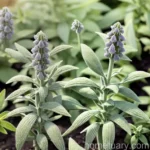
Gentian Sage (Salvia patens ‘Patio Dark Blue’)
Gentian sage, commonly known as Salvia patens ‘Patio Dark Blue’, is a stunning herbaceous perennial plant that belongs to the Lamiaceae family. This beautiful plant is renowned for its striking dark blue flowers and its ability to thrive in gardens and landscapes, adding an exquisite touch of color and elegance. In this comprehensive guide, we will delve into the various facets of this plant, including its culture, uses, cultivation, maintenance, and much more.
What is Gentian Sage?
Gentian sage, scientifically known as Salvia patens ‘Patio Dark Blue’, is a species of flowering plant in the mint family, Lamiaceae. This stunning herbaceous perennial is native to Mexico, where it thrives in its natural habitat with its vibrant and bold blue flowers, creating a spectacular visual display in the wild.
Key Takeaways – Gentian Sage
Before we delve into the detailed aspects of gentian sage, let’s take a quick look at some key takeaways about this remarkable plant:
- Botanical Name: Salvia patens ‘Patio Dark Blue’
- Common Name: Gentian Sage
- Family: Lamiaceae (Mint family)
- Hardiness Zone: 8-10
- Plant Type: Herbaceous Perennial
- Flower Color: Dark Blue
- Sunlight: Full sun to partial shade
- Watering: Moderate
- Soil Type: Well-draining, fertile soil
- Height: 18-24 inches
- Uses: Ornamental, landscaping, pollinator attractant
With these key takeaways in mind, let’s explore the culture, uses, and cultivation of gentian sage in greater detail.
Culture
Uses
Gentian sage, with its captivating dark blue flowers and ornamental foliage, is primarily cultivated for ornamental purposes. Its striking appearance makes it a perfect choice for landscaping, garden borders, and mixed perennial beds. Additionally, its nectar-rich blooms are highly attractive to pollinators, making it a valuable addition to wildlife-friendly gardens and habitats.
Water
Gentian sage plants thrive in moderately moist soil, and although they are somewhat drought-tolerant once established, consistent watering is essential, especially during periods of prolonged dryness. It is crucial to strike a balance in watering, ensuring that the soil remains evenly moist but not waterlogged. During hot summer months, regular watering is necessary to support healthy growth and flowering.
Sunlight
When it comes to sunlight requirements, gentian sage flourishes in full sun to partial shade. Providing the plant with adequate sunlight is crucial for promoting robust growth and blooming. In regions with intense summer heat, providing some afternoon shade can be beneficial to prevent the plant from wilting or becoming stressed.
Fertilizer
Gentian sage benefits from a balanced, all-purpose fertilizer applied in spring as new growth emerges. A slow-release granular fertilizer or a water-soluble fertilizer can be used, following the manufacturer’s instructions for application rates. Fertilizing once at the beginning of the growing season can help provide the plant with essential nutrients for healthy development and prolific flowering.
Soil
The ideal soil for gentian sage is well-draining and fertile, with a slightly acidic to neutral pH. Amending the soil with organic matter, such as compost or well-rotted manure, can enhance its texture and fertility, creating an optimal growing medium for the plant. Ensuring good drainage is crucial to prevent waterlogging, which can be detrimental to the plant’s health.
Pruning
Proper pruning is essential to maintain the compact and tidy growth habit of gentian sage. Deadheading spent flowers not only encourages prolonged blooming but also prevents the plant from self-seeding excessively. In late fall or early spring, a light pruning to remove any overly leggy or damaged growth can promote a bushier and more vigorous plant in the upcoming growing season.
Propagation
Gentian sage can be propagated through stem cuttings or division. Stem cuttings can be taken from healthy, non-flowering shoots and rooted in a well-draining growing medium. Division, typically done in early spring, involves separating the plant into smaller clumps, each with its own root system, and replanting them in suitable locations or containers.
Container Popularity
Gentian sage is a popular choice for container gardening due to its compact growth habit and striking visual appeal. When grown in containers, it can be showcased on patios, balconies, or porches, adding a touch of elegance to outdoor spaces. Additionally, the portability of containers allows for greater flexibility in creating eye-catching floral arrangements and garden compositions.
Common Diseases
While gentian sage is relatively resistant to most diseases, it can be susceptible to certain issues under unfavorable growing conditions. Some common diseases that may affect gentian sage include:
- Powdery Mildew: This fungal disease can manifest as a powdery white coating on the plant’s leaves, typically caused by high humidity and poor air circulation. Adequate spacing between plants and maintaining good air circulation can help prevent powdery mildew.
- Root Rot: Overly wet and poorly drained soil can lead to root rot, causing the plant’s roots to decay. To prevent this, it is crucial to ensure proper soil drainage and water the plant judiciously, allowing the top layer of soil to dry out between waterings.
- Leaf Spot: Leaf spot diseases can cause unsightly spotting and browning of the plant’s foliage. Avoiding overhead watering and ensuring good air circulation can help minimize the risk of leaf spot diseases.
Disease Diagnosis
Diagnosing plant diseases accurately is essential for implementing effective management strategies. When observing potential disease symptoms on gentian sage, it is important to consider the plant’s growing conditions, recent weather patterns, and any changes in its environment. Additionally, seeking guidance from local horticultural extension offices or plant disease clinics can aid in identifying and addressing specific diseases affecting gentian sage.
Common Pests
Gentian sage is relatively resistant to most pests, but it may occasionally encounter infestations from certain common garden pests. Some of the pests that may pose a threat to gentian sage include:
- Aphids: These tiny, soft-bodied insects can cluster on the plant’s new growth, causing damage by piercing and sucking sap from the tender plant tissues. Regular monitoring and the introduction of natural predators, such as ladybugs or lacewings, can help manage aphid populations.
- Spider Mites: These minuscule pests can cause stippling and webbing on the undersides of the plant’s leaves, leading to reduced vigor and overall health. Spraying the plant with a strong stream of water or introducing predatory mites can help control spider mite infestations.
Botanist’s Tips
As a plant scientist, it is essential to equip fellow gardening enthusiasts with valuable tips for successfully cultivating and maintaining gentian sage. Here are some expert tips to enhance the growing experience with this remarkable plant:
- Mulching: Applying a layer of organic mulch around gentian sage plants can help conserve soil moisture, suppress weed growth, and regulate soil temperature, creating an optimal growing environment for the plant.
- Companion Planting: Pairing gentian sage with other pollinator-friendly plants, such as echinacea, lavender, and salvia, can enhance overall garden biodiversity, attract beneficial insects, and create visually appealing plant combinations.
- Winter Protection: In regions with cold winter temperatures, providing a layer of protective mulch or bringing potted gentian sage plants indoors can help safeguard them from potential winter damage.
Fun Facts
Adding an element of intrigue and fascination, here are some captivating fun facts about gentian sage:
- The dark blue flowers of gentian sage resemble the intense and mesmerizing hue of the gentian flower, inspiring its common name.
- Gentian sage is celebrated for its role in supporting essential pollinators, including bees, butterflies, and hummingbirds, contributing to the ecological balance of garden ecosystems.
Links to External Resources
For further exploration and in-depth information on gentian sage (Salvia patens ‘Patio Dark Blue’), you may find the following external resources valuable:
- The Royal Horticultural Society – Gentian Sage Species Profile
- University of Florida IFAS Extension – Salvia patens ‘Patio Dark Blue’ Plant Guide
- Missouri Botanical Garden – Gentian Sage Cultivation and Care
In conclusion, gentian sage (Salvia patens ‘Patio Dark Blue’) stands as a captivating and enchanting addition to gardens and landscapes, offering a delightful combination of aesthetic beauty and ecological significance. With proper cultivation and care, this exquisite herbaceous perennial can grace outdoor spaces with its striking presence and vibrant floral allure. Whether adorning garden borders, container gardens, or wildlife-friendly landscapes, gentian sage holds a special place in the world of ornamental plants, captivating the hearts of plant enthusiasts and pollinators alike.
Keywords
- Gentian sage plant
- Patio Dark Blue sage
- Salvia patens Patio Dark Blue
- Gentian sage flowers
- Salvia patens varieties
- Patio Dark Blue sage care
- Gentian sage cultivation
- Salvia patens types
- Patio Dark Blue sage characteristics
- Gentian sage planting tips
- Salvia patens ‘Patio Dark Blue’ features
- Patio Dark Blue sage growth habits
- Gentian sage species
- Salvia patens ‘Patio Dark Blue’ maintenance
- Patio Dark Blue sage landscape uses
- Gentian sage gardening
- Salvia patens ‘Patio Dark Blue’ benefits
- Patio Dark Blue sage planting guide
- Gentian sage medicinal properties
- Salvia patens ‘Patio Dark Blue’ care tips
- Patio Dark Blue sage propagation
- Gentian sage pruning techniques
- Salvia patens ‘Patio Dark Blue’ flowering period
- Patio Dark Blue sage container gardening
- Gentian sage soil requirements
- Salvia patens ‘Patio Dark Blue’ water needs
- Patio Dark Blue sage sunlight preferences
- Gentian sage pest control
- Salvia patens ‘Patio Dark Blue’ disease resistance
- Patio Dark Blue sage companion plants
- Gentian sage landscaping ideas
- Salvia patens ‘Patio Dark Blue’ pollinator attractant
- Patio Dark Blue sage winter care
- Gentian sage foliage color
- Salvia patens ‘Patio Dark Blue’ native habitat
- Patio Dark Blue sage pruning schedule
- Gentian sage container growing
- Salvia patens ‘Patio Dark Blue’ fertilization requirements
- Patio Dark Blue sage herbaceous perennial
- Gentian sage natural remedies
- Salvia patens ‘Patio Dark Blue’ hardiness zones
- Patio Dark Blue sage garden design
- Gentian sage landscape specimen
- Salvia patens ‘Patio Dark Blue’ wildlife-friendly plant
- Patio Dark Blue sage water conservation
- Gentian sage environmental benefits
- Salvia patens ‘Patio Dark Blue’ decorative plant
- Patio Dark Blue sage visual appeal
- Gentian sage drought tolerance
- Salvia patens ‘Patio Dark Blue’ ornamental foliage