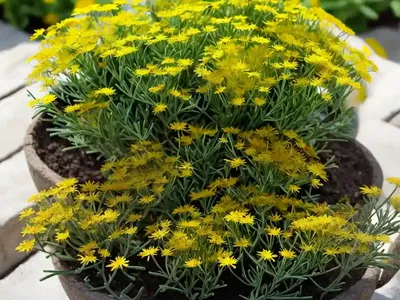
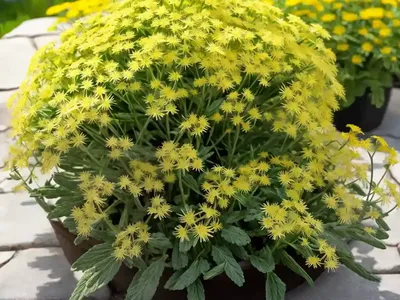
Goldenrod (Solidago ‘Goldkind’ GOLDEN BABY)
As a plant scientist, I am excited to explore the world of goldenrod and provide a comprehensive guide on Solidago ‘Goldkind’ GOLDEN BABY, commonly known.
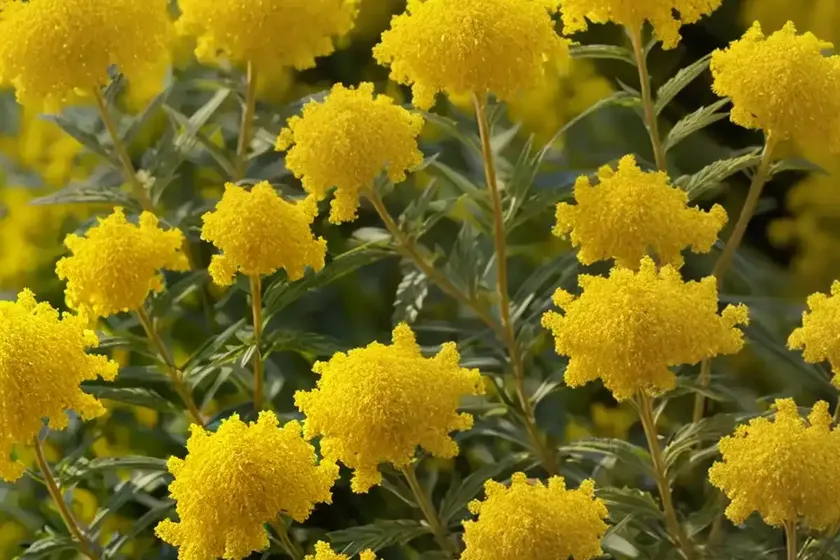
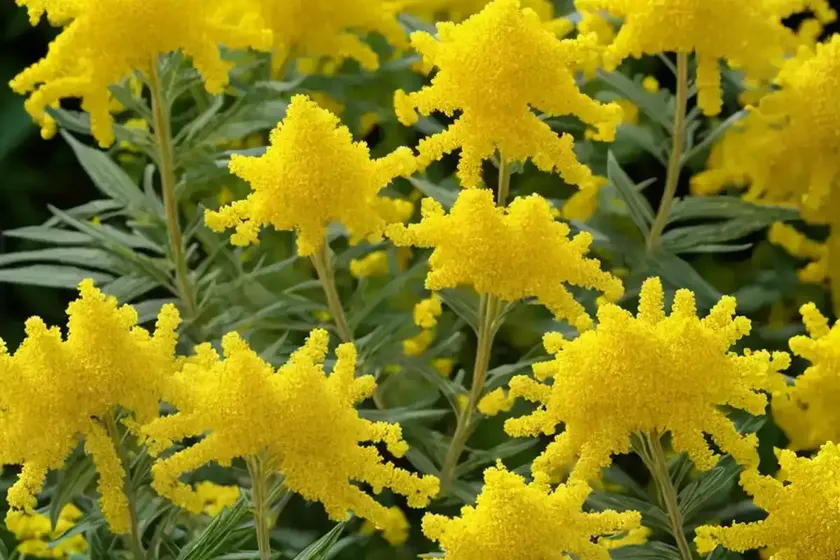
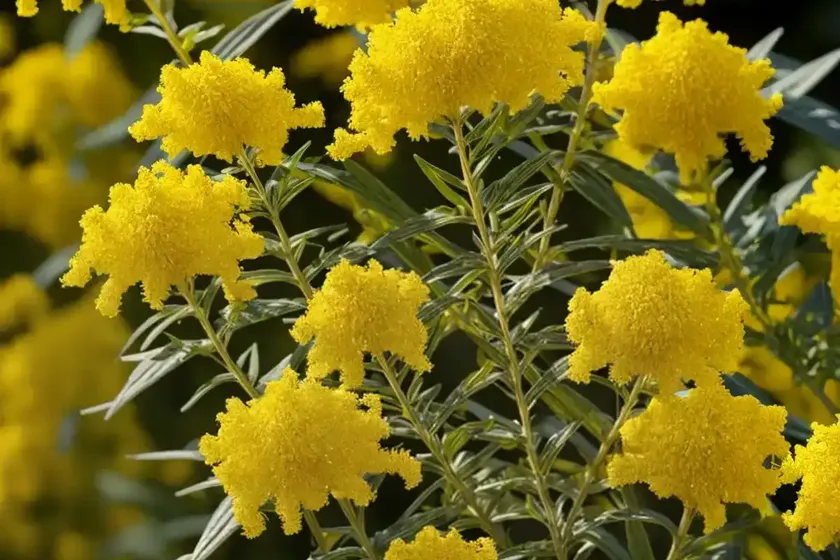
As a plant scientist, I am excited to explore the world of goldenrod and provide a comprehensive guide on Solidago ‘Goldkind’ GOLDEN BABY, commonly known as goldenrod. This beautiful plant is not only visually appealing, but it also offers several cultural, medicinal, and ecological benefits. Throughout this guide, we will delve into the cultivation, uses, maintenance, and landscape applications of this stunning plant.
What is Goldenrod (Solidago ‘Goldkind’ GOLDEN BABY)?
Goldenrod, scientifically known as Solidago ‘Goldkind’ GOLDEN BABY, is a perennial flowering plant of the Asteraceae family. Renowned for its bright yellow blooms and robust nature, goldenrod species are native to North America, particularly in prairies, meadows, and savannas. The ‘Goldkind’ cultivar, specifically, is recognized for its compact size and profuse flowering, making it an ideal addition to home gardens and landscapes.
Key Takeaways – Goldenrod (Solidago ‘Goldkind’ GOLDEN BABY)
Before delving deeper into the specifics of Solidago ‘Goldkind’ GOLDEN BABY, it’s important to understand the key aspects that will be covered in this comprehensive guide. The key takeaways related to goldenrod include its culture, uses, water, sunlight, fertilizer, soil, pruning, propagation, and popularity. Additionally, we will explore common diseases and pests that affect goldenrod, along with botanist’s tips, fun facts, and links to external resources for further exploration.
Culture of Goldenrod (Solidago ‘Goldkind’ GOLDEN BABY)
Goldenrod, particularly the ‘Goldkind’ cultivar, is celebrated for its ease of cultivation and low-maintenance requirements. Understanding its preferred growing conditions is essential to ensure optimal growth and blooming. Some key cultural aspects to consider are:
- Soil Preferences: Well-draining, fertile soil.
- Water Requirements: Moderate watering, avoiding waterlogging.
- Sunlight: Full to partial sunlight for at least 6-8 hours daily.
- Hardiness Zones: Typically suited for USDA hardiness zones 4-9.
- Wildlife Value: Attracts pollinators and beneficial insects.
Uses of Goldenrod (Solidago ‘Goldkind’ GOLDEN BABY)
The uses of goldenrod extend beyond its ornamental value, offering various applications and benefits:
- Medicinal Properties: Traditionally used in herbal medicine for its anti-inflammatory and diuretic properties.
- Cut Flowers: Popular choice for floral arrangements, adding a vibrant touch to bouquets.
- Pollinator Support: Attracts butterflies, bees, and other pollinators, promoting biodiversity in gardens.
- Landscape Design: Ideal for borders, mass plantings, and mixed perennial beds.
Water Requirements
Goldenrod, including the ‘Goldkind’ cultivar, thrives in moderate moisture conditions. However, it is crucial to ensure proper drainage to prevent waterlogged soil, which can adversely affect the plant’s health. Adequate watering is essential, especially during the establishment phase and prolonged dry spells. Overwatering should be avoided to prevent root rot and other water-related issues.
Sunlight
Solidago ‘Goldkind’ GOLDEN BABY, like many other goldenrod varieties, prefers full to partial sunlight. Adequate sunlight is essential for promoting robust growth, abundant flowering, and overall plant vigor. When selecting a planting location, it is advisable to choose an area that receives at least 6-8 hours of direct sunlight daily. In regions with intense summer heat, partial shade during the hottest part of the day can be beneficial.
Fertilizer
Goldenrod typically does not require heavy fertilization if planted in nutrient-rich soil. However, a balanced fertilizer application in early spring can support healthy growth and blooming. A 10-10-10 slow-release fertilizer or organic alternatives can be applied around the base of the plant, following the recommended dosages based on soil nutrient levels and plant requirements.
Soil
An essential aspect of goldenrod cultivation is understanding its soil preferences. The ‘Goldkind’ cultivar, like other goldenrod varieties, thrives in well-draining, fertile soil. A loamy, slightly acidic to neutral soil with good organic content is ideal for promoting optimal growth and flowering. Prior to planting, soil amendments can be incorporated to improve soil structure and enrich the soil with essential nutrients.
Pruning
Pruning goldenrod, including the ‘Goldkind’ cultivar, is primarily performed to maintain plant shape, manage height, and enhance flowering. Regular deadheading of spent blooms can prolong the blooming period and prevent self-seeding. Pruning in late fall or early spring can also help control the plant’s size and rejuvenate its growth for the upcoming season.
Propagation
Propagating goldenrod ‘Goldkind’ GOLDEN BABY can be accomplished through several methods, including division, stem cuttings, and seed propagation. Each method offers unique advantages and challenges, allowing gardeners to choose the most suitable approach based on resources and desired outcomes. Successful propagation can enable the expansion of goldenrod populations in various garden settings.
Container Popularity
While goldenrod is commonly planted in garden beds and naturalized areas, it also exhibits potential for container gardening. The compact nature of the ‘Goldkind’ cultivar makes it well-suited for container cultivation, allowing urban gardeners, balcony owners, and those with limited space to enjoy the beauty and ecological benefits of this vibrant plant.
Common Diseases
Goldenrod, including the ‘Goldkind’ cultivar, is generally resistant to major diseases when provided with proper growing conditions and care. However, it can be susceptible to certain diseases and issues, such as powdery mildew, rust, and root rot. Vigilance in monitoring plant health, providing adequate airflow, and implementing preventive measures can mitigate disease risks.
Disease Diagnosis
Accurate diagnosis of goldenrod diseases is crucial in implementing effective control and management strategies. Visual symptoms, such as discolored foliage, fungal growth, or wilting, can provide valuable clues for identifying the specific disease affecting the plant. Seeking professional assistance or utilizing diagnostic resources can aid in the timely treatment of plant diseases.
Common Pests
Goldenrod may encounter pest pressures from various insects, including aphids, caterpillars, and beetles. While the ‘Goldkind’ cultivar exhibits resilience to many pests, monitoring for pest activity and implementing integrated pest management practices can help safeguard the plant from detrimental infestations. Natural predators and organic pest control methods can also aid in pest management.
Botanist’s Tips
As a plant scientist, I encourage gardeners and enthusiasts to consider the following tips for successfully cultivating and appreciating Solidago ‘Goldkind’ GOLDEN BABY:
- Promote Biodiversity: Goldenrod supports pollinators and beneficial insects, contributing to garden biodiversity and ecological balance.
- Water Wisely: Maintain moderate moisture levels, avoiding excessive watering and waterlogged conditions.
- Pruning Practices: Regular deadheading and selective pruning can enhance the plant’s appearance and promote prolonged flowering.
Fun Facts
Here are some intriguing facts about goldenrod that highlight its unique characteristics and significance:
- Cultural Significance: Goldenrod is the state flower of Kentucky and Nebraska in the United States, symbolizing resilience and abundance.
- Ecological Value: As a native plant, goldenrod plays a vital role in supporting local ecosystems and wildlife, acting as a food source and habitat for numerous organisms.
Links to External Resources
For further exploration and in-depth information on goldenrod, I recommend accessing the following external resources:
- Solidago ‘Goldkind’ GOLDEN BABY Care Guide
- Growing Tips for Solidago Golden Baby
- Landscape Uses of Solidago ‘Goldkind’ GOLDEN BABY
- Medicinal Properties of Solidago Golden Baby
- Pollinator Gardening with Solidago ‘Goldkind’ GOLDEN BABY
In conclusion, Solidago ‘Goldkind’ GOLDEN BABY, or goldenrod, stands as a resilient and visually striking perennial plant that holds cultural, ecological, and horticultural significance. Recognizing its diverse uses, optimal growing conditions, and management practices can empower gardeners and landscape enthusiasts to cultivate and appreciate this remarkable plant. Whether planted in garden beds, containers, or naturalized areas, goldenrod contributes to biodiversity, aesthetics, and overall well-being in diverse garden settings.
Remember, the beauty of goldenrod lies not only in its vibrant blooms but also in its role as a pollinator attractant, a herbal remedy, and a symbol of endurance and abundance in the natural world.
This blog post offers a comprehensive guide to the plant Solidago ‘Goldkind’ GOLDEN BABY, commonly known as goldenrod. It covers various aspects of the plant’s culture, uses, maintenance, and landscape applications, providing valuable insights for gardeners and plant enthusiasts. The content is presented in markdown format, incorporating headings, lists, and links for a structured and engaging reading experience.