Meadow Sage (Salvia pratensis ‘Swan Lake’): A Complete Guide
Plants play a crucial role in our environment, providing us with food, medicine, and aesthetic allure. One such plant that holds a special place in the horticultural world is the Meadow Sage (Salvia pratensis ‘Swan Lake’). This stunning perennial is treasured for its vibrant flowers and its ability to thrive with minimal care. In this comprehensive guide, we will explore the key aspects of the Meadow Sage, from its cultivation requirements to its medicinal properties.

What is Meadow Sage (Salvia pratensis ‘Swan Lake’)?
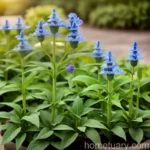
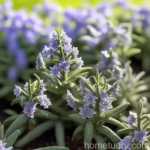
Meadow Sage, scientifically known as Salvia pratensis ‘Swan Lake’, is a variety of the popular Salvia pratensis species. It is a herbaceous perennial that belongs to the Lamiaceae family. This beautiful plant is native to Europe and is distinguished by its delicate, upright stems and strikingly colored flowers.
Key Takeaways – Meadow Sage (Salvia pratensis ‘Swan Lake’)
Before delving into the detailed aspects of Meadow Sage (Salvia pratensis ‘Swan Lake’), let’s highlight some key takeaways about this plant.
- Common Name: Meadow Sage, Swan Lake Sage
- Scientific Name: Salvia pratensis ‘Swan Lake’
- Plant Type: Perennial
- Special Features: Vibrant flowers, low maintenance, wildlife attraction
- Ideal Uses: Landscaping, cut flowers, medicinal properties
Now that we have a brief overview, let’s explore the various facets of this exquisite plant.
Culture
Understanding the cultural requirements of Meadow Sage is essential for successfully cultivating and maintaining this plant. From water and sunlight to soil and fertilizer, all these factors significantly influence the growth and development of the Meadow Sage.
Uses
The Meadow Sage possesses several uses, ranging from its aesthetic appeal to its medicinal properties.
- Landscaping: Meadow Sage is often used in garden borders and naturalized settings due to its colorful blooms and low maintenance.
- Cut Flowers: The flowers of Meadow Sage are popular for floral arrangements and bouquets, adding a touch of elegance and natural beauty to indoor spaces.
- Medicinal Properties: Some varieties of Sage, including the Meadow Sage, are known for their medicinal properties. They can be used in herbal teas and remedies for various ailments.
Water
Proper water management is crucial for the healthy growth of Meadow Sage, and understanding its water requirements is essential.
- Watering Needs: Meadow Sage prefers well-drained soil and does not tolerate waterlogging. It thrives in moderately moist conditions and requires regular watering, especially during hot and dry periods.
- Drought Tolerance: Once established, Meadow Sage exhibits good drought tolerance, making it suitable for water-wise gardening and arid climates.
Sunlight
Sunlight is a vital factor that influences the growth and flowering of Meadow Sage.
- Sun Exposure: Meadow Sage thrives in full sun to partial shade. It requires at least 6 hours of sunlight daily to bloom profusely and maintain its compact growth habit.
- Sunlight Requirements: When grown in partial shade, the plant may exhibit reduced flowering and elongated growth, making adequate sunlight crucial for its overall health and vigor.
Fertilizer
Proper nutrition is essential for the optimal growth and development of Meadow Sage, and judicious use of fertilizers can enhance its overall performance.
- Fertilization Schedule: Meadow Sage generally does not require frequent fertilization. A balanced, slow-release fertilizer applied in spring can provide the necessary nutrients for robust growth and prolific flowering.
- Organic Amendments: Organic fertilizers, such as compost and well-rotted manure, can be beneficial for improving soil fertility and enhancing the long-term health of Meadow Sage.
Soil
The soil composition and quality play a significant role in providing a conducive growing environment for Meadow Sage.
- Soil Type: Meadow Sage thrives in well-drained, loamy soil with a slightly acidic to neutral pH. It detests waterlogged conditions and poorly aerated soils, making proper drainage a critical consideration.
- Soil Amendments: Incorporating organic matter into the soil, such as compost or leaf mold, can improve its structure and fertility, promoting healthier growth of Meadow Sage.
Pruning
Pruning is an essential maintenance practice that helps in shaping the plant, promoting flowering, and rejuvenating its growth.
- Deadheading: Regular deadheading of faded flowers can prolong the blooming period of Meadow Sage and prevent the plant from expending energy on seed production.
- End-of-Season Pruning: Trimming back the foliage and stems in late fall or early spring can rejuvenate the plant, remove any overwintered debris, and promote vigorous regrowth.
Propagation
Understanding the methods of propagating Meadow Sage is essential for expanding its presence in the garden or sharing its beauty with others.
- Division: Meadow Sage can be propagated through division, where the clumps of the plant are carefully separated and replanted in suitable locations.
- Seed Propagation: Collecting and sowing the seeds of Meadow Sage can be an effective means of propagation, allowing for the production of new plants with varying characteristics.
Container Popularity
The versatility of Meadow Sage makes it a popular choice for container gardening, adding a touch of natural beauty to patios, balconies, and outdoor living spaces.
- Container Selection: Choose spacious containers with adequate drainage holes to accommodate the root system of Meadow Sage and prevent waterlogging.
- Growing Medium: Well-draining potting mixes enriched with organic matter can provide an ideal growing medium for Meadow Sage in containers, promoting healthy growth and blooming.
Common Diseases
While Meadow Sage is relatively resistant to diseases, it can occasionally encounter certain issues that require prompt attention.
- Powdery Mildew: In humid and poorly ventilated conditions, Meadow Sage may be susceptible to powdery mildew, resulting in a white, powdery growth on the foliage. Proper air circulation and fungicidal treatments can help manage this issue.
- Root Rot: Overly wet and poorly drained soils can lead to root rot in Meadow Sage. Ensuring proper drainage and avoiding waterlogged conditions can prevent this from occurring.
Disease Diagnosis
Diagnosing and addressing diseases promptly can prevent their spread and minimize their impact on the overall health of Meadow Sage.
- Symptom Identification: Vigilantly inspect the foliage, stems, and flowers for any signs of discoloration, distortion, or abnormal growth, which can indicate the presence of diseases.
- Consultation: If unsure about the diagnosis or treatment of specific diseases affecting Meadow Sage, seeking advice from horticultural experts or local extension services can be beneficial.
Common Pests
Meadow Sage is relatively resistant to pests, but occasional infestations may occur, necessitating vigilance and timely intervention.
- Aphids: These small, sap-sucking insects can infest the tender shoots and buds of Meadow Sage, causing distortion and curling of the foliage. Insecticidal soaps or horticultural oils can help manage aphid populations.
- Spider Mites: In hot and dry conditions, spider mites can attack Meadow Sage, manifesting as tiny webbing and stippling on the foliage. Regular misting and the use of miticides can help control spider mite infestations.
Botanist’s Tips
As a plant scientist, I would like to share some expert tips for successfully growing and enjoying Meadow Sage in your garden.
- Companion Planting: Pair Meadow Sage with other sun-loving perennials and ornamental grasses, such as Echinacea, Rudbeckia, and Pennisetum, to create dynamic and visually appealing landscapes.
- Wildlife Attraction: The vibrant blooms of Meadow Sage attract pollinators, such as bees and butterflies, making it an excellent addition to wildlife-friendly gardens and habitats.
Fun Facts
Here are some intriguing and delightful facts about Meadow Sage that further enhance its appeal and allure.
- Natural Dye: The flowers of Meadow Sage contain pigments that can be used as a natural dye, imparting shades of blue and purple to fabric and other materials.
- Fragrance: Some varieties of Meadow Sage exhibit a pleasant and aromatic fragrance, adding to the sensory experience of growing and appreciating this remarkable plant.
Links to External Resources
For further information and resources on Meadow Sage (Salvia pratensis ‘Swan Lake’), I recommend exploring the following links:
- Royal Horticultural Society – Salvia Pratensis ‘Swan Lake’
- University of Maryland Extension – Growing Salvia
- Missouri Botanical Garden – Salvia pratensis
With its captivating flowers, low-maintenance nature, and diverse uses, Meadow Sage (Salvia pratensis ‘Swan Lake’) stands as a testament to the beauty and resilience of plant life. Whether adorning garden borders, attracting pollinators, or enriching natural ecosystems, this exquisite perennial continues to captivate the hearts and gardens of enthusiasts worldwide. As you embark on your horticultural journey with Meadow Sage, may its splendor and charm bring joy and inspiration to your green spaces.