The Wonderful World of Rosemary (Salvia rosmarinus ‘Renzels’ IRENE)
Introduction
Welcome to the world of rosemary (Salvia rosmarinus ‘Renzels’ IRENE)! This beautiful and fragrant herb is not only a delightful addition to any garden, but it also offers a multitude of uses that make it a favorite among gardeners and cooks alike. In this extensive guide, we will explore everything you need to know about the rosemary plant, from its culture and uses to its propagation and common diseases. Whether you’re an experienced gardener or a novice plant enthusiast, this comprehensive guide will provide you with all the essential information to successfully grow and care for rosemary.
What is Rosemary (Salvia rosmarinus ‘Renzels’ IRENE)?
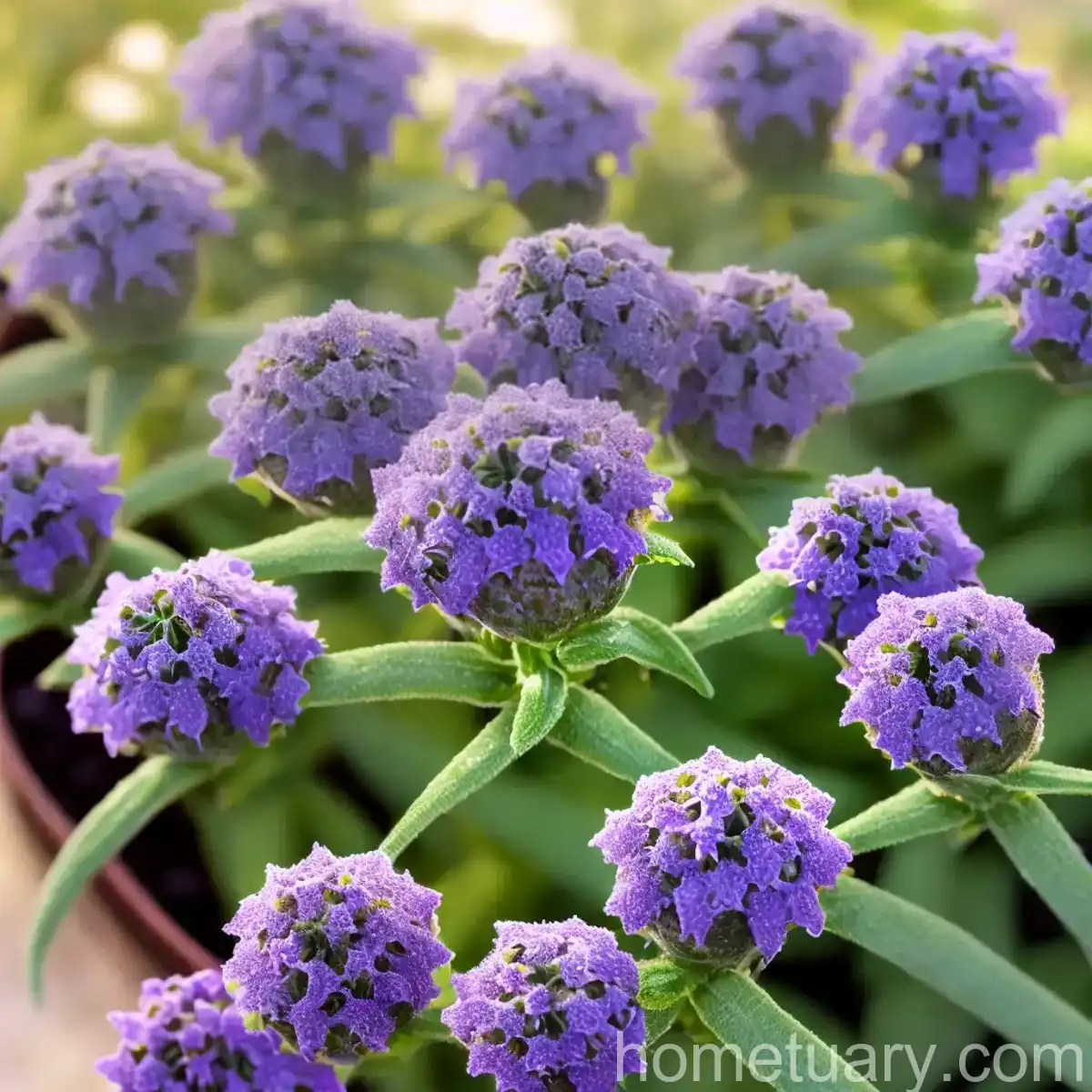
Salvia rosmarinus ‘Renzels’ IRENE, commonly known as rosemary, is a perennial herb with fragrant, evergreen, needle-like leaves and white, pink, purple, or blue flowers. Belonging to the mint family Lamiaceae, Rosemary is native to the Mediterranean region and has been cultivated for its culinary, aromatic, and medicinal properties for centuries. Rosemary is well-adapted to a wide range of growing conditions and is valued not only for its ornamental beauty but also for its versatility and resilience.
Key Takeaways – Rosemary (Salvia rosmarinus ‘Renzels’ IRENE)
Before delving deeper into the specific aspects of cultivating and caring for rosemary, let’s take a quick look at the key takeaways of this remarkable plant:
- Botanical Name: Salvia rosmarinus ‘Renzels’ IRENE
- Common Name: Rosemary
- Family: Lamiaceae
- Native Habitat: Mediterranean region
- Growth Habit: Evergreen perennial herb
Culture
Uses
The uses of rosemary extend far beyond its ornamental beauty. This versatile herb is celebrated for its culinary, aromatic, medicinal, and ornamental value.
Culinary Uses
Rosemary is commonly used in culinary applications, especially in Mediterranean cuisine. Its aromatic, needle-like leaves add a distinct and flavorful touch to a variety of dishes, including meats, sauces, soups, and marinades. In addition to its culinary uses, the plant is also used to infuse oils and vinegar, flavor butter, or to create aromatic herb mixes.
Medicinal and Aromatic Uses
The medicinal properties of rosemary have been known since ancient times. It is believed to have various health benefits, including antioxidant, anti-inflammatory, and memory-enhancing properties. Additionally, the aromatic qualities of rosemary contribute to its wide use in aromatherapy and as an ingredient in cosmetic and personal care products.
Ornamental Uses
In addition to its practical uses, rosemary is often grown for its ornamental value. Its attractive, needle-like foliage and delicate flowers make it an excellent choice for garden borders, herb gardens, or containers, adding fragrance and visual interest to any setting.
Water
The water requirements of rosemary are quite moderate once established, making it a suitable plant for arid and semi-arid climates. It is essential to maintain well-drained soils and not to overwater, as rosemary is susceptible to root rot in excessively wet conditions. When establishing rosemary, regular watering is necessary to encourage strong root development, but once established, the plant is relatively drought-tolerant.
Sunlight
Rosemary thrives in full sunlight and requires at least six to eight hours of direct sunlight each day for optimal growth and development. Insufficient sunlight can lead to leggy growth and decreased essential oil production, so it is essential to place rosemary in a sunny location to ensure its health and vitality.
Fertilizer
Rosemary is a relatively low-maintenance plant when it comes to fertilization. It generally thrives in nutrient-poor, well-drained soils, and excessive fertilization can lead to lush, weak growth. A light application of a balanced, slow-release fertilizer in the spring can suffice for maintaining the plant’s health and vitality, but be mindful not to over-fertilize.
Soil
Well-drained, sandy or loamy soils with a slightly acidic to neutral pH are ideal for growing rosemary. The plant is well-suited to dry, rocky, or poor soils and does not thrive in heavy or water-logged conditions. Amending the soil with organic matter can improve drainage and soil structure while providing some essential nutrients for the plant.
Pruning
Proper pruning is essential for maintaining the health, shape, and vigor of rosemary plants. Regular pruning helps to prevent the plant from becoming woody and encourages bushy, compact growth. Pruning can be carried out by removing the tips of the branches or by cutting back older, leggy growth to promote new, vigorous growth from the base of the plant. It is important to use sharp, clean pruning shears and to avoid cutting into the woody stems, as this can impede regrowth.
Propagation
Propagating rosemary can be achieved through various methods, including seed propagation, stem cuttings, and layering. Each method has its advantages and may be chosen based on the specific requirements and preferences of the gardener.
The following are the possible propagation methods for rosemary:
1. Seed Propagation: Although rosemary seeds can be slow to germinate, they can be sown in seed-starting trays or directly into prepared garden beds.
2. Stem Cuttings: Taking stem cuttings from healthy, established plants and rooting them in a well-draining medium is a reliable method of propagating rosemary.
3. Layering: This method involves bending a low, flexible stem to the ground, wounding the stem to encourage root development, and then covering it with soil to promote new plant formation.
Container Popularity
Rosemary is a popular herb for container gardening due to its compact growth habit, aromatic foliage, and culinary uses. Many gardeners choose to grow rosemary in containers, which allows them to easily control growing conditions, such as soil composition, moisture levels, and sun exposure. Additionally, container-grown rosemary can be moved indoors during the winter or in adverse weather conditions, allowing for year-round cultivation and enjoyment.
Common Diseases
While rosemary is a relatively resilient plant, it can be susceptible to certain diseases under unfavorable growing conditions. The following are some common diseases that may affect rosemary:
Disease Diagnosis
- Powdery Mildew: This fungal disease manifests as a white, powdery coating on the leaves and stems of the plant, leading to reduced vigor and vitality. It is often caused by high humidity and poor air circulation.
- Root Rot: Excessive soil moisture can lead to root rot, causing the plant to wilt, decline, and ultimately die. To prevent root rot, it is crucial to ensure proper drainage and avoid overwatering.
- Fungal Leaf Spot: This disease is characterized by the appearance of dark spots on the leaves, often surrounded by a yellow halo. It can be caused by various fungal pathogens and may lead to defoliation and reduced plant health.
Common Pests
Rosemary is generally resistant to most pests; however, there are a few common pests that may affect the plant under certain conditions:
- Spider Mites: These tiny pests can cause stippling and webbing on the undersides of the leaves, leading to reduced plant vigor and health. They often thrive in dry, dusty conditions and can be deterred by keeping the plant foliage clean and occasionally spraying with water to create a humid environment.
- Scale Insects: Scale insects can infest rosemary, appearing as small, stationary bumps on the stems and leaves. They can weaken the plant by feeding on its sap and excreting honeydew, leading to sooty mold growth. Control measures include physical removal and the introduction of natural predators.
Botanist’s Tips
Here are some key tips to successful rosemary cultivation and care:
-
Choose the Right Variety: There are numerous rosemary varieties available, each with its unique growth habit, flavor, and ornamental qualities. Select a variety that suits your cultivation goals, whether it’s culinary use, ornamental display, or aromatic qualities.
-
Provide Well-Drained Soil: Rosemary is highly intolerant of waterlogged conditions, so it is crucial to ensure that the soil is well-drained to prevent root rot and other moisture-related issues.
-
Harvest Lightly: When harvesting rosemary for culinary or aromatic use, it is best to refrain from over-harvesting to allow the plant to maintain its vitality and health. Selective pruning and harvesting will encourage bushy and vigorous growth.
-
Protect from Harsh Conditions: While rosemary is relatively resilient, it may suffer in extreme cold or overly wet conditions. Provide protection from harsh winter weather or excess moisture to ensure its health and longevity.
-
Regular Pruning: Regular pruning is essential for maintaining the compact, bushy growth habit of rosemary. It also helps promote new growth and discourages the plant from becoming woody.
Fun Facts
-
Symbolic Meaning: In ancient times, rosemary was associated with fidelity, remembrance, and love. It was often used in weddings, funerals, and other ceremonies as a symbol of remembrance and fidelity.
-
Fragrance Complement: The fragrant essential oil extracted from rosemary is used in perfumery and aromatherapy, thanks to its invigorating and uplifting scent.
- Traditional Medicine: Rosemary has a long history of use in traditional medicine for various ailments, from digestive issues to memory enhancement.
Links to External Resources
The following external resources can provide additional information and insights into rosemary cultivation, care, and uses:
- University of Maryland Extension: Growing Herbs – Rosemary
- Royal Horticultural Society: Rosemary
- University of Florida IFAS Extension: Rosemary Production Guide
In conclusion, rosemary (Salvia rosmarinus ‘Renzels’ IRENE) is a versatile and resilient herb that offers a myriad of culinary, aromatic, and ornamental benefits. By understanding its culture, uses, water, sunlight, fertilizer, soil, pruning, propagation, container popularity, common diseases, common pests, botanist’s tips, and fun facts, you’ll be well-equipped to cultivate and care for this remarkable plant. Whether you incorporate rosemary into your cooking, use it for its medicinal properties, or simply grow it for its beauty and fragrance, it is certain to enrich your gardening experience and bring joy to your home and garden.