Anise-Scented Sage (Salvia guaranitica) Care Guide
Anise-scented sage, scientifically known as Salvia guaranitica, is a stunning ornamental plant known for its aromatic foliage and beautiful flowers. It is a popular choice for gardens and landscapes due to its low maintenance requirements and aesthetic appeal. In this comprehensive care guide, we will explore the culture, uses, care tips, propagation, common diseases, and fun facts about anise-scented sage. Whether you are a seasoned gardener or a beginner plant enthusiast, this guide will provide you with valuable insights into cultivating and enjoying the beauty of Salvia guaranitica.
Plant Name: Anise-Scented Sage (Salvia guaranitica)
Before delving into the specifics, let’s take a closer look at the botanical profile of anise-scented sage and understand its characteristics.
| Botanical Name | Salvia guaranitica |
|---|---|
| Common Name | Anise-Scented Sage |
| Plant Type | Perennial |
| Mature Height | 2-4 feet |
| Mature Spread | 2-3 feet |
| Foliage | Aromatic, Green |
| Flowers | Blue, Purple |
| Hardiness Zone | 8-10 |
| Native Habitat | Brazil, Argentina |
| Sunlight | Full to Partial Sun |
| Watering | Moderate |
| Soil Type | Well-draining, Rich |
| Uses | Ornamental, Medicinal |
Now that we have an overview of the plant, let’s explore the key aspects of caring for anise-scented sage.
Key Takeaways – Anise-Scented Sage (Salvia guaranitica)
Culture
Cultivating anise-scented sage involves understanding its native habitat, growth habits, and environmental preferences. Here are the essential cultural aspects to consider:
- Native Habitat: Anise-scented sage is native to the subtropical regions of Brazil and Argentina, where it thrives in warm, humid conditions.
- Growth Habits: It is a perennial plant that forms clumps of aromatic foliage and produces stunning flower spikes.
- Environmental Preferences: Salvia guaranitica prefers well-draining, rich soil and thrives in areas with ample sunlight.
Uses
Anise-scented sage offers a range of practical and aesthetic uses, making it a versatile addition to gardens and landscapes.
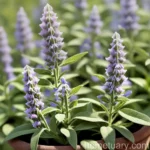
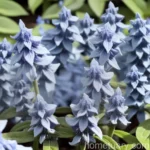
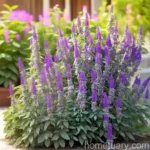
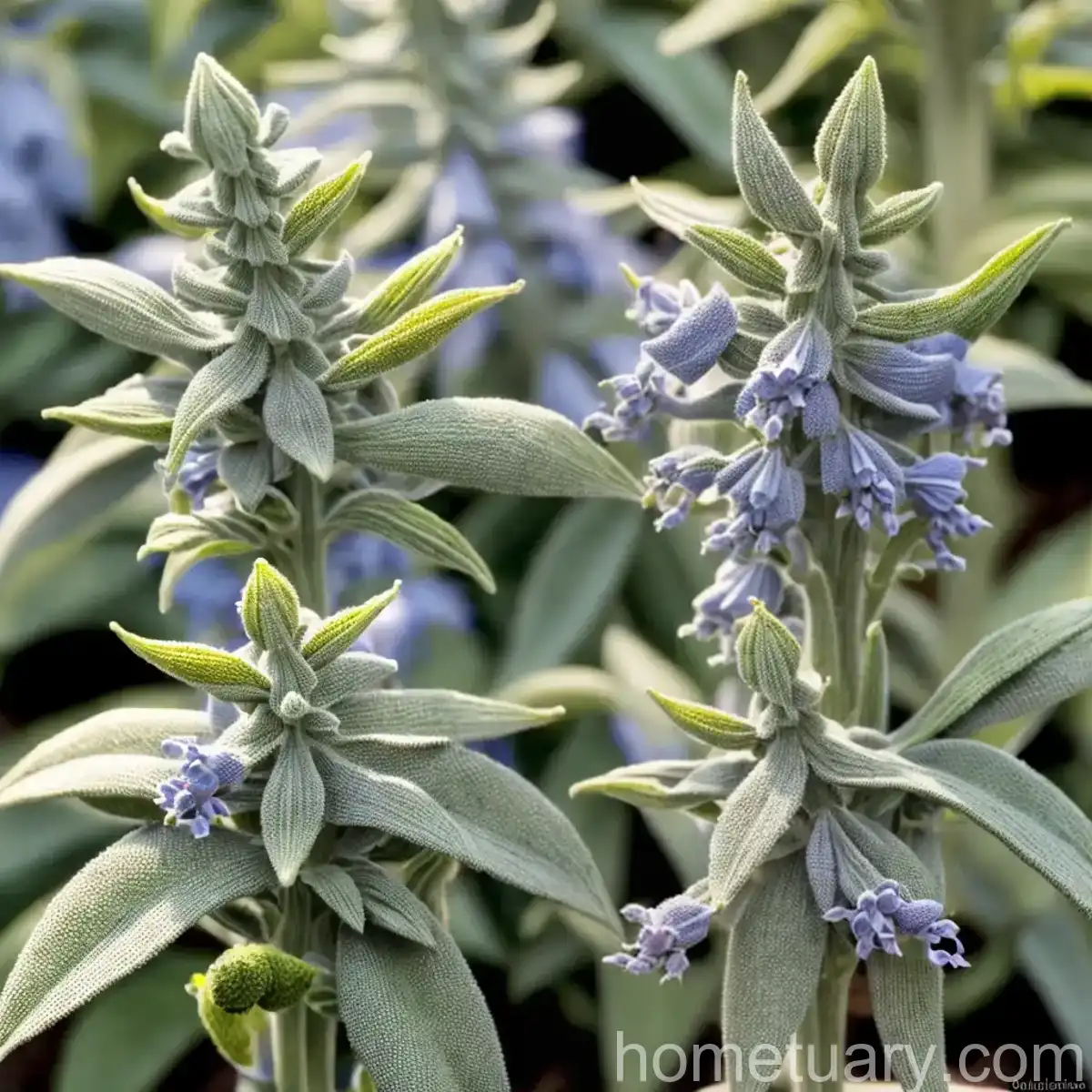
- Ornamental: The plant’s vibrant blue and purple flowers make it a popular choice for ornamental gardens, attracting pollinators and adding visual interest.
- Medicinal: In traditional medicine, anise-scented sage is known for its potential medicinal properties, particularly for respiratory and digestive health.
Now, let’s delve into the specific care requirements for cultivating healthy and vibrant anise-scented sage plants.
Water
Proper watering is crucial for the health and vigor of anise-scented sage plants. Here are the key considerations for watering this perennial:
- Watering Frequency: Salvia guaranitica thrives in moderately moist soil. Water the plant when the top inch of the soil feels dry, typically every 7-10 days depending on environmental conditions.
- Avoid Overwatering: While it appreciates consistent moisture, anise-scented sage is susceptible to root rot if the soil remains waterlogged.
Sunlight
Sunlight plays a pivotal role in the growth and flowering of anise-scented sage. Understanding its sunlight requirements is essential for ensuring optimal plant health.
- Sun Exposure: Plant anise-scented sage in a location that receives full to partial sunlight. Aim for at least 6 hours of direct sunlight per day for the best flowering and foliage development.
Fertilizer
Providing the right nutrients is essential for promoting healthy growth and prolific flowering in anise-scented sage. Consider the following fertilizer tips:
- Balanced Fertilizer: Use a balanced, all-purpose fertilizer with a 10-10-10 NPK ratio in the early spring to support the plant’s initial growth.
- Side-Dressing: Supplement the soil with a layer of organic compost or well-rotted manure around the base of the plant to nourish the soil and enhance nutrient availability.
Soil
Anise-scented sage thrives in well-draining, nutrient-rich soil. Understanding its soil preferences is key to ensuring robust growth and abundant flowering.
- Soil Type: Plant Salvia guaranitica in loamy, well-draining soil with a slightly acidic to neutral pH (6.0-7.0).
- Amendments: Incorporate organic matter such as compost or peat moss into the soil to improve its structure and fertility.
Pruning
Pruning is an important aspect of anise-scented sage care, contributing to plant shape, flowering, and overall health. Follow these pruning guidelines for optimal results:
- Deadheading: Regularly remove spent flowers to encourage continuous blooming throughout the growing season.
- Spring Pruning: In early spring, trim back any dead or damaged stems and prune the plant to shape it for the upcoming season.
Propagation
Propagating anise-scented sage allows you to expand your plant collection and share its beauty with others. Explore these propagation methods:
- Division: Divide mature clumps of anise-scented sage in the early spring, ensuring that each division has healthy roots and shoots.
- Softwood Cuttings: Take 4-6 inch long cuttings from the new growth in the spring or early summer, and root them in a well-draining potting mix.
Container Popularity
Anise-scented sage is well-suited for container gardening, offering a compact and visually appealing addition to outdoor and indoor spaces.
- Container Size: Select a container with sufficient depth and drainage holes to accommodate the plant’s root system and ensure proper moisture management.
- Placement: Place the container in a sunny location and monitor the soil moisture regularly, especially during hot weather.
Common Diseases
Like all plants, anise-scented sage is susceptible to certain diseases. Being aware of common ailments can help you take proactive measures to protect your plants.
- Powdery Mildew: Watch for signs of powdery white fungal growth on the foliage, particularly during periods of high humidity. Provide adequate air circulation and consider fungicidal treatments if necessary.
- Root Rot: Overwatering or poorly draining soil can lead to root rot. Ensure proper soil moisture levels and improve drainage if needed to prevent this fungal disease.
Disease Diagnosis
Diagnosing plant diseases can be challenging, but paying attention to key symptoms can aid in prompt and effective treatment.
- Foliage Discoloration: Yellowing, browning, or spotting on the foliage may indicate fungal infections or nutrient deficiencies.
- Stunted Growth: If the plant shows signs of stunted growth or wilting despite adequate watering, root-related diseases such as root rot should be considered.
Common Pests
Anise-scented sage is relatively resistant to pests, but certain insect species may occasionally pose a threat to its health.
- Aphids: These small, sap-sucking insects can cluster on the new growth of the plant, causing leaf distortion and weakening the plant. Use insecticidal soap or neem oil to manage aphid infestations.
- Spider Mites: Look out for fine webbing on the plant and visible mite colonies, which can cause stippling and discoloration of the foliage. Regularly misting the plant and applying horticultural oil can help control spider mite populations.
Botanist’s Tips
Botanists and horticulturists often have valuable insights into the care and cultivation of plants. Here are some expert tips specific to anise-scented sage:
- Pollinator Attraction: Leverage the plant’s attractive flowers to create pollinator-friendly gardens and support the local ecosystem.
- Mulching: Apply a layer of organic mulch around the base of the plant to conserve soil moisture, suppress weed growth, and insulate the roots.
Fun Facts
Learning about the unique and interesting aspects of anise-scented sage can enhance your appreciation for this remarkable plant. Here are some fun facts to captivate your interest:
- Aromatic Foliage: The leaves of anise-scented sage emit a pleasant anise-like fragrance when crushed or brushed against, adding sensory appeal to gardens.
- Wildlife Habitat: Beyond its visual beauty, Salvia guaranitica provides habitat and forage for butterflies, hummingbirds, and other beneficial wildlife.
Now that we have covered the essential aspects of anise-scented sage care, let’s explore additional resources and practical guidance for successfully growing and enjoying this captivating plant.
Links to External Resources
- Growing Anise-Scented Sage: Tips and Techniques
- Salvia guaranitica: A Guide to Cultivation and Maintenance
- Medicinal Uses of Anise-Scented Sage
In conclusion, anise-scented sage, or Salvia guaranitica, is a captivating and versatile plant that offers ornamental beauty and potential medicinal benefits. By understanding its cultural requirements, uses, and specific care tips, you can cultivate thriving anise-scented sage plants in your garden or landscape. Whether you are drawn to its aromatic foliage, vibrant flowers, or ecological contributions, anise-scented sage is a remarkable addition to any green space, enriching environments and captivating observers with its alluring presence.