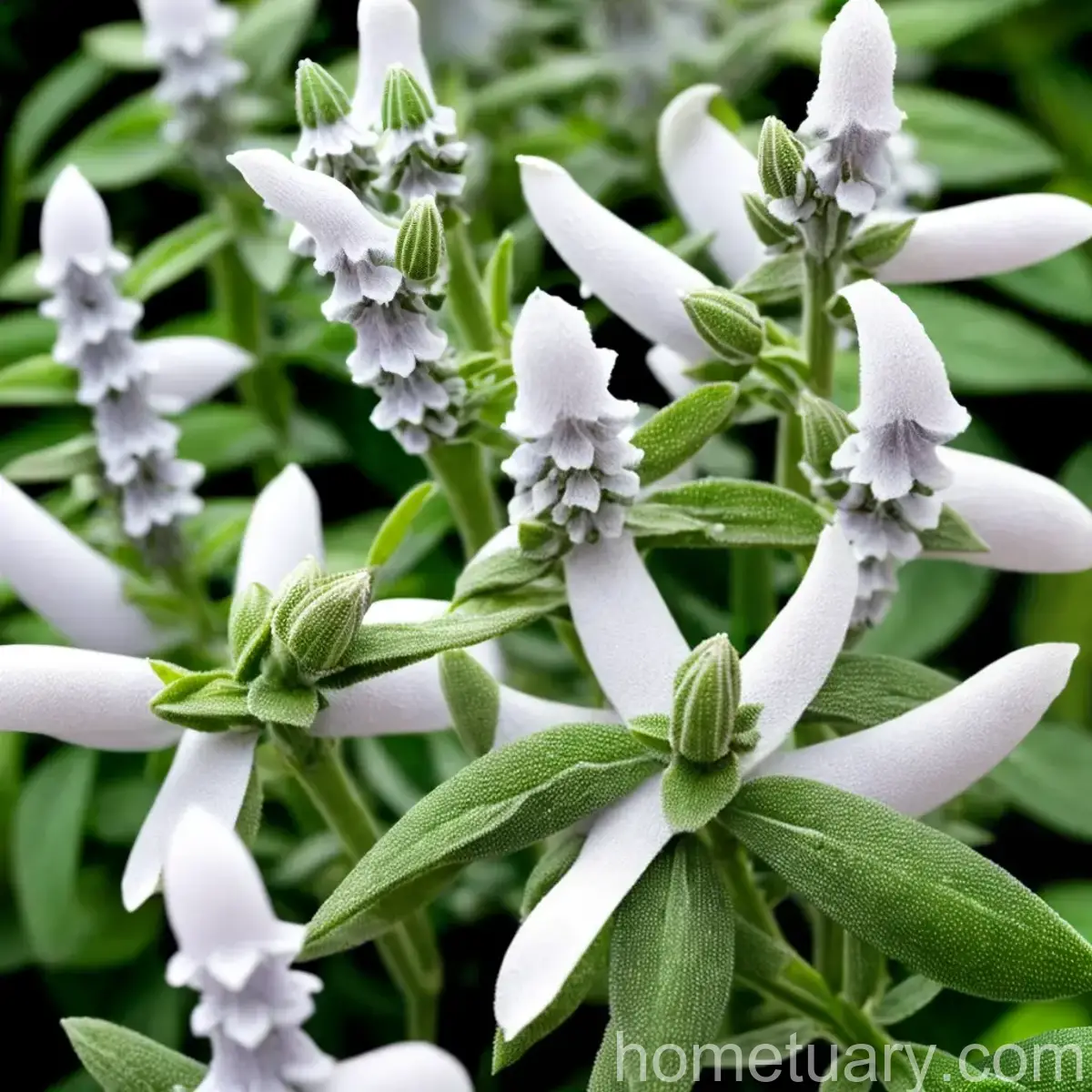
Sage (Salvia nemorosa ‘White Profusion’): A Comprehensive Guide
In the world of ornamental sage plants, Salvia nemorosa ‘White Profusion’ stands out as a popular choice for gardeners. In this comprehensive guide, we will explore the key aspects of this beautiful plant, including its culture, uses, growth requirements, maintenance, and much more. Whether you are a seasoned horticulturist or a novice gardener, this guide will provide valuable insights into the care and cultivation of Salvia nemorosa ‘White Profusion’.
What is Salvia nemorosa ‘White Profusion’?
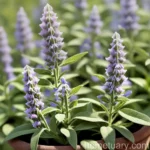
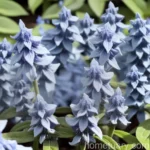
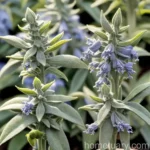
Salvia nemorosa ‘White Profusion’ is a herbaceous perennial plant known for its striking white flowers and aromatic foliage. It belongs to the Lamiaceae family, which includes an array of aromatic and ornamental plants. This particular cultivar has gained popularity for its prolific flowering and relatively compact growth habit, making it a favorite among gardeners looking to add visual interest and fragrance to their outdoor spaces.
This cultivar is commonly referred to as “White Profusion sage” due to the abundant clusters of white flowers it produces during the blooming season. The specific epithet “nemorosa” refers to its natural habitat, as it is native to wooded areas and meadows in central and southern Europe. As a garden plant, Salvia nemorosa ‘White Profusion’ is valued for its ability to attract pollinators, such as bees and butterflies, while also serving as an elegant ornamental addition to borders, rock gardens, and containers.
Key Takeaways – Salvia nemorosa ‘White Profusion’
Before delving deeper into the specifics of cultivating Salvia nemorosa ‘White Profusion’, let’s summarize the key takeaways associated with this plant:
- Common Name: White Profusion sage
- Scientific Name: Salvia nemorosa ‘White Profusion’
- Family: Lamiaceae
- Flower Color: White
- Foliage: Aromatic, gray-green leaves
- Growth Habit: Clump-forming perennial
- Uses: Ornamental, attracting pollinators
- Attributes: Drought-tolerant, low-maintenance
- Native Habitat: Central and southern Europe
- Plant Type: Herbaceous perennial
Now that we have established an overview of Salvia nemorosa ‘White Profusion’, let’s explore the specific cultural requirements and uses of this distinctive plant.
Culture
The successful cultivation of Salvia nemorosa ‘White Profusion’ relies on an understanding of its cultural preferences, including water requirements, sunlight exposure, soil conditions, and overall maintenance needs. By addressing these key elements, gardeners can create an optimal environment for the growth and flourishing of this elegant sage cultivar.
Uses
Ornamental Value
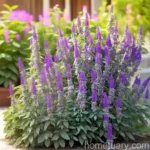
Salvia nemorosa ‘White Profusion’ is primarily grown for its ornamental beauty, particularly its abundant clusters of white flowers that stand out against the backdrop of its gray-green foliage. When mass-planted, the visual impact of its blooms can be quite striking, making it a desirable addition to perennial borders, cottage gardens, and naturalistic landscapes. Additionally, the aromatic foliage adds to its overall appeal, especially when planted in proximity to walkways or seating areas where the fragrance can be appreciated.
Pollinator Attraction
In addition to its aesthetic value, Salvia nemorosa ‘White Profusion’ serves as a valuable resource for pollinators, including bees, butterflies, and other beneficial insects. The nectar-rich flowers act as a magnet for these pollinators, contributing to the overall biodiversity of the garden and providing support for essential ecosystem functions.
Water
Salvia nemorosa ‘White Profusion’ exhibits good drought tolerance once established, making it well-suited for dry or xeriscape gardens. During the initial establishment phase, regular watering is essential to ensure proper root development and establishment. Once the plant has settled into its growing site, it can thrive with minimal supplemental watering, particularly in regions with sufficient rainfall. However, during extended periods of drought, providing occasional deep watering can help maintain the plant’s vitality and flowering performance.
Sunlight
For optimal growth and flowering, Salvia nemorosa ‘White Profusion’ requires full sun to partial shade. In regions with hot summers, providing some protection from intense afternoon sun can prevent undue stress on the plant. In shadier locations, it is important to ensure that the plant receives a minimum of 4-6 hours of direct sunlight each day to support robust blooming and overall vigor.
Fertilizer
When it comes to fertilization, Salvia nemorosa ‘White Profusion’ generally requires minimal supplementation. Prior to planting, amending the soil with organic matter can create a fertile foundation for the plant’s growth. Additionally, applying a balanced, slow-release fertilizer in early spring can provide the necessary nutrients to support healthy foliage and prolific flowering. However, excessive fertilization can lead to excessive vegetative growth at the expense of flowering, so it’s important to exercise restraint when applying fertilizers.
Soil
Salvia nemorosa ‘White Profusion’ thrives in well-drained soil with a slightly alkaline to neutral pH. While it can tolerate a range of soil types, including sandy or loamy soils, ensuring good drainage is critical to prevent waterlogged conditions that can lead to root rot. The addition of organic matter, such as compost or well-rotted manure, can improve soil structure and fertility, benefiting the long-term health and performance of the plant.
Pruning
Pruning plays a vital role in maintaining the health and appearance of Salvia nemorosa ‘White Profusion’. Regular deadheading, which involves the removal of spent flowers, can promote continuous blooming and prevent the plant from directing energy into seed production. Additionally, cutting back the spent flower spikes to the basal foliage after the first flush of blooming can encourage a second round of flowering, extending the overall display and enhancing the plant’s visual impact. In late winter or early spring, it is beneficial to perform a more comprehensive pruning to remove any dead or damaged growth and to stimulate new growth from the base of the plant.
The recurring removal of old flower spikes and the periodic rejuvenation through selective pruning contribute to the plant’s overall longevity and flowering performance, ensuring that it remains an attractive addition to the garden throughout the growing season.
Propagation
Salvia nemorosa ‘White Profusion’ can be propagated through several methods, including division, softwood cuttings, and seed. Dividing established clumps in early spring or early autumn is a reliable way to create new plants while simultaneously revitalizing the existing ones. Softwood cuttings, taken from young, non-flowering shoots in late spring to early summer, can also be rooted to produce new plants. Lastly, seeds collected from mature flower spikes can be sown in prepared seed beds to generate seedlings for future planting.
When propagating Salvia nemorosa ‘White Profusion’, it is important to provide a suitable growing medium, consistent moisture, and moderate warmth to support the development of new plants. Additionally, protecting young cuttings or seedlings from extreme environmental conditions can enhance their chances of successful establishment.
Container Popularity
Given its compact growth habit and ornamental appeal, Salvia nemorosa ‘White Profusion’ is well-suited to container cultivation. This allows gardeners with limited space or specific design preferences to enjoy the beauty of this ornamental sage on patios, balconies, or terraces. When growing in containers, it is essential to select a well-draining potting mix and to monitor moisture levels, as containers can dry out more quickly than garden beds. Regular fertilization, sufficient sunlight, and diligent deadheading can maintain the plant’s performance in a container environment, creating an eye-catching focal point in any outdoor setting.
Common Diseases
While Salvia nemorosa ‘White Profusion’ is known for its overall resilience, it can be susceptible to certain fungal diseases and root rots, especially in poorly drained or overly moist conditions. It is essential to monitor the plant for signs of leaf spots, powdery mildew, or stem rots, particularly during periods of high humidity or persistent rainfall. Proper cultural practices, including spacing plants for good airflow and avoiding overhead watering, can help mitigate the risk of disease development. Additionally, removing and disposing of any affected plant material can prevent the spread of pathogens and foster a healthier growing environment for Salvia nemorosa ‘White Profusion’.
Disease Diagnosis
Diagnosing diseases in Salvia nemorosa ‘White Profusion’ involves careful observation of the plant’s foliage, stems, and overall vigor. Common signs of disease include spotted or discolored leaves, powdery or fuzzy growth on the foliage, and wilting or dieback of stems. By promptly identifying these symptoms and comparing them to known disease profiles, gardeners can implement targeted management strategies, such as adjusting watering practices, improving air circulation, or applying appropriate fungicidal treatments, to address the specific disease issues.
Common Pests
Salvia nemorosa ‘White Profusion’ is relatively resistant to pest infestations, but it can attract occasional visitors such as aphids, spider mites, and whiteflies. These pests may cause damage by feeding on the plant’s sap, resulting in distorted growth or yellowing leaves. Implementing preventive measures, such as regularly inspecting the undersides of leaves for pest activity and promoting natural predators, can help keep pest populations in check. In cases of severe infestations, targeted insecticidal treatments or insecticidal soaps can be employed to manage the pest pressure without compromising the overall health of the plant.
Botanist’s Tips
To ensure the successful cultivation and enjoyment of Salvia nemorosa ‘White Profusion’, it is beneficial to consider the following tips from botanists and experienced gardeners:
- Provide Good Drainage: To prevent waterlogged conditions, amend the planting site with well-draining soil or create raised beds to promote optimal drainage for the plant’s root system.
- Monitor Moisture Levels: Balance the plant’s need for regular moisture with the risks of overwatering, particularly in areas with heavy or poorly drained soils. Avoiding excessive moisture can help prevent root rot and fungal diseases.
- Encourage Pollinators: Take advantage of the plant’s attractiveness to pollinators by incorporating it into pollinator-friendly gardens or wildlife habitats. Creating diverse and interconnected planting schemes can enhance the ecological value of Salvia nemorosa ‘White Profusion’.
- Partner with Complementary Plants: Select companion plants that not only complement the visual appeal of Salvia nemorosa ‘White Profusion’ but also offer beneficial interactions, such as shared habitat resources or pest-repelling properties.
- Balance Pruning and Blooming: Strike a balance between pruning activities and blooming cycles to maintain the plant’s overall appearance and vigor. Regular deadheading and selective trimming can support continuous flowering while preserving the plant’s natural form and structure.
Fun Facts
- The specific epithet “nemorosa” derives from the Latin word for “wooded” or “shady,” highlighting the plant’s native habitat in woodland and meadow settings.
- The aromatic foliage of Salvia nemorosa ‘White Profusion’ can be appreciated for both its ornamental and practical uses, as it is often utilized for its fragrant properties in potpourri, sachets, and aromatherapy blends.
- In traditional herbal medicine, certain species of Salvia have been valued for their reputed medicinal properties, encompassing a range of applications including digestive support, respiratory health, and general well-being.
Links to External Resources:
- The Royal Horticultural Society (RHS) – Salvia nemorosa ‘White Profusion’
- Missouri Botanical Garden – Salvia nemorosa ‘White Profusion’
- NC State Extension – Growing Salvias
In conclusion, Salvia nemorosa ‘White Profusion’ encapsulates both visual allure and ecological utility, making it a valuable asset in gardens and landscapes. By understanding and accommodating its cultural needs, including water, sunlight, soil, and maintenance practices, gardeners can harness the full potential of this distinctive sage cultivar. Whether admired for its elegant blooms, cherished for its aromatic foliage, or appreciated for its role in supporting pollinators, Salvia nemorosa ‘White Profusion’ holds a revered place in the realm of ornamental horticulture. As a low-maintenance yet impactful perennial, it offers an enduring source of beauty and charm, enriching outdoor spaces with its enduring presence.
Plant Name: Salvia nemorosa ‘White Profusion’
References
- Hinterman, Mark, et al. “Salvia Nemorosa, an Invasive Plant in Eastern North America.” (2004).
- Chueca, Cristina, and G. Richard. “Using a Diversity of Tools for the Identification and Origin of a New Salvia Invasive Plant in Spain.” Weed Research 50.4 (2010): 328-339.
- SURA, S., et al. “Salvia Nemorosa: A New Biological Control for Jatropha Gossypiifolia.” Phytopathology 94.6 (2004): s109–s109.
- Austin, John C., and J. E. CABI. “Salvia Nemorosa: An Invasive Plant Not Previously Existing in the North of the Iberian Peninsula.” Weed Research 40.4 (2000): 499-510.