Salvia azurea ‘Little Boy Blue’: A Comprehensive Guide to Growing and Caring for a Beautiful Sage Variety
The world of plants is vast and diverse, with each species offering unique characteristics and benefits. Among the many plants that grace our gardens and landscapes, the sage variety Salvia azurea ‘Little Boy Blue’ stands out for its captivating beauty, versatility, and ease of care. In this comprehensive guide, we will explore everything you need to know about growing and caring for this stunning plant.

What is Salvia azurea ‘Little Boy Blue’?
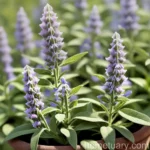
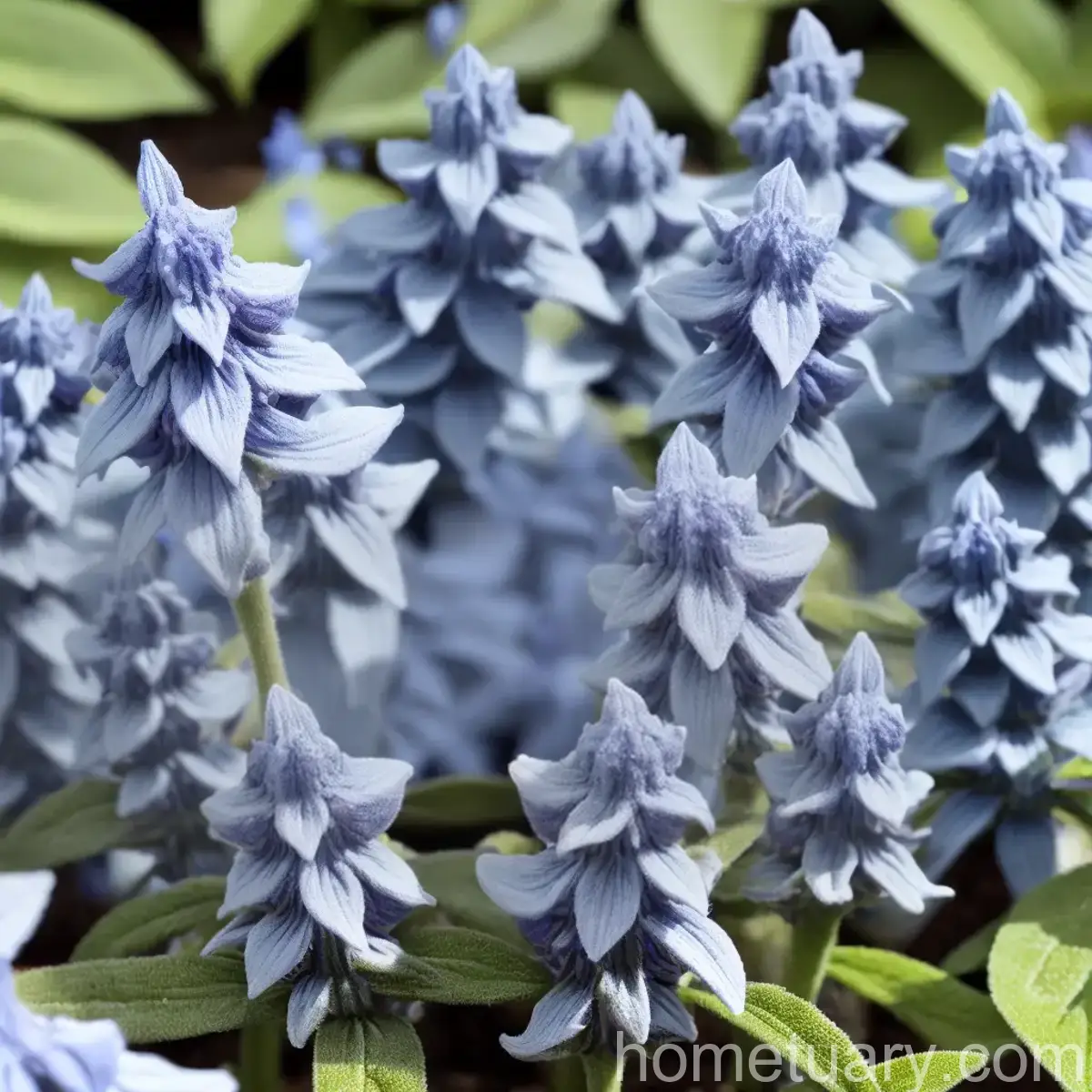
Salvia azurea ‘Little Boy Blue’, commonly known as blue sage, is a perennial herbaceous plant that belongs to the Salvia genus within the Lamiaceae family. This enchanting variety is native to North America and is prized for its striking azure blue flowers that adorn its slender, delicate spikes. The plant’s foliage is equally attractive, featuring narrow, lance-shaped leaves with a grayish-green hue.
Key Takeaways
Before diving into the specifics of growing and caring for Salvia azurea ‘Little Boy Blue’, let’s highlight some key takeaways about this captivating sage variety:
- Characteristics: Striking azure blue flowers, slender spikes, narrow grayish-green foliage.
- Cultural Uses: Ornamental plant for gardens, landscapes, and floral arrangements; culinary and medicinal uses.
- Growing Conditions: Well-draining soil, adequate sunlight, moderate water, and minimal maintenance.
- Attractiveness to Pollinators: Blue sage is known for attracting hummingbirds, butterflies, and other pollinators.
- Resilience: Drought-tolerant, adaptable to different soil types, and resistant to pests and diseases.
Now that we have a brief overview of Salvia azurea ‘Little Boy Blue’, let’s delve into the details of how to successfully cultivate and care for this alluring sage variety in your garden or landscape.
Culture
Uses
Salvia azurea ‘Little Boy Blue’ serves multiple cultural purposes, making it a versatile addition to any garden or landscape:
-
Ornamental Plant: The captivating azure blue flowers and elegant foliage of this sage variety make it a popular choice for ornamental purposes. Whether grown in flower beds, borders, or mixed perennial gardens, Salvia azurea ‘Little Boy Blue’ adds a touch of natural beauty to any setting.
-
Culinary Uses: While primarily grown for its ornamental value, the leaves of Salvia azurea ‘Little Boy Blue’ can also be used for culinary purposes. The aromatic foliage adds a delightful flavor to a variety of dishes, making it a valuable addition to herb gardens or kitchen gardens.
-
Medicinal Benefits: In addition to its ornamental and culinary uses, some herbalists and natural practitioners harness the medicinal properties of Salvia azurea ‘Little Boy Blue’. The plant is believed to possess certain therapeutic qualities, and its leaves are used in natural remedies and medicinal preparations.
Water
Proper watering is essential for the health and vitality of Salvia azurea ‘Little Boy Blue’. While the plant exhibits a degree of drought tolerance once established, regular watering is crucial, especially during the initial stages of growth and during periods of prolonged dryness.
-
Establishment Phase: After planting or transplanting Salvia azurea ‘Little Boy Blue’, it is important to provide consistent moisture to help the plant establish its root system. Water the plant thoroughly after planting and monitor the soil moisture regularly during the first few weeks.
-
Mature Plants: Once established, Salvia azurea ‘Little Boy Blue’ can thrive in moderately dry conditions. However, during extended dry periods, it is advisable to provide supplemental watering to ensure the plant remains healthy and vibrant.
Sunlight
Salvia azurea ‘Little Boy Blue’ thrives in locations with ample sunlight. When selecting a site for planting, it is important to choose a spot that receives full to partial sunlight throughout the day. Adequate sun exposure is essential for promoting robust growth and profuse flowering in this sage variety.
-
Sun Requirements: Aim to plant Salvia azurea ‘Little Boy Blue’ in an area that receives at least 6 hours of direct sunlight daily. While the plant can tolerate some shade, insufficient sunlight may result in reduced flowering and less vigorous growth.
-
Optimal Orientation: When planning the layout of your garden or landscape, consider the orientation of the planting area. Choose a location where Salvia azurea ‘Little Boy Blue’ can benefit from the sun’s rays, especially during the morning and early afternoon.
Fertilizer
Proper fertilization can enhance the growth and blooming potential of Salvia azurea ‘Little Boy Blue’, contributing to the overall health and vigor of the plant. While this sage variety is not excessively demanding in terms of fertilizer, providing a balanced feeding regimen can support its long-term performance.
-
Timing: Apply a balanced, all-purpose fertilizer to Salvia azurea ‘Little Boy Blue’ in early spring, just before the start of active growth. This initial feeding provides the plant with essential nutrients to fuel its development and flowering.
-
Frequency: For established plants, a supplemental feeding in mid-summer can help sustain their vitality and promote continuous flowering. However, exercise caution to avoid over-fertilization, as excessive nutrients can lead to lush foliage at the expense of blooms.
-
Organic Options: If you prefer organic fertilizers, consider using compost or well-decomposed manure as a natural alternative to synthetic products. Organic amendments enrich the soil and promote the overall health of Salvia azurea ‘Little Boy Blue’.
Soil
The soil composition plays a pivotal role in the growth and performance of Salvia azurea ‘Little Boy Blue’. By providing a well-suited growing medium, you can create an optimal environment for the plant to thrive and flourish.
-
Well-Draining Soil: Salvia azurea ‘Little Boy Blue’ prefers a well-draining soil with good aeration to prevent waterlogging and reduce the risk of root rot. Amend heavy or compacted soils by incorporating organic matter to improve their drainage capacity.
-
Soil pH: While not overly sensitive to soil pH, Salvia azurea ‘Little Boy Blue’ generally thrives in slightly acidic to neutral soil conditions. Aim for a pH range between 6.0 and 7.0 for optimal growth and nutrient uptake.
-
Soil Amendments: Consider enriching the planting site with organic amendments such as compost, aged manure, or peat moss to boost the soil’s fertility and structure. These amendments enhance moisture retention and nutrient levels, benefitting the growth of Salvia azurea ‘Little Boy Blue’.
Pruning
Pruning is an important aspect of maintaining the health, form, and flowering capacity of Salvia azurea ‘Little Boy Blue’. Proper pruning practices help manage the plant’s growth, remove spent blooms, and encourage the development of new flowering shoots.
-
Deadheading: Regular deadheading of faded flowers promotes continuous blooming and prevents the plant from expending unnecessary energy on seed production. Simply remove the spent flower spikes by cutting them back to a pair of healthy, outward-facing leaves or nodes.
-
Trimming: To maintain a neat and tidy appearance, consider trimming back the overall foliage of Salvia azurea ‘Little Boy Blue’ in early spring or late winter. This practice helps stimulate new growth and rejuvenates the plant for the upcoming growing season.
-
Pruning Frequency: While Salvia azurea ‘Little Boy Blue’ does not require extensive pruning, periodic maintenance cuts can help manage its size and shape. Avoid cutting into old wood or removing an excessive amount of foliage during pruning sessions.
Propagation
The propagation of Salvia azurea ‘Little Boy Blue’ allows gardeners to expand their plantings and share the beauty of this sage variety with others. While the most common method of propagation involves division or seed sowing, each approach requires specific techniques and considerations.
Division
Propagating Salvia azurea ‘Little Boy Blue’ through division involves separating an established plant into smaller sections, each with its own root system and growing points. This method is ideal for rejuvenating overgrown clumps and creating new plants from existing ones.
Steps for Division Propagation:
-
Preparation: Prior to dividing the plant, water it thoroughly to hydrate the root system and prepare it for the propagation process. Choose a cool, overcast day to minimize stress on the plant.
-
Digging: Carefully dig around the base of the Salvia azurea ‘Little Boy Blue’ plant, ensuring that you unearth a generous portion of the root system. Gently lift the plant from the soil, taking care not to damage the roots.
-
Division: Using a sharp, clean tool such as a garden spade or knife, divide the plant into smaller clumps, making sure that each division contains a healthy root system and several growing shoots.
-
Replanting: Immediately replant the divisions in prepared, well-draining soil. Water the newly transplanted sections thoroughly to help them settle into their new environment.
Seed Sowing
Sowing seeds is another effective method of propagating Salvia azurea ‘Little Boy Blue’, allowing you to cultivate new plants from scratch. This approach is particularly suitable for gardeners who enjoy the process of starting plants from seed and watching them grow from the very beginning.
Steps for Seed Sowing:
-
Seed Collection: If you wish to collect seeds from an existing Salvia azurea ‘Little Boy Blue’ plant, allow the flowers to mature and develop seeds. Once the bloom spikes have dried and turned brown, carefully harvest the seeds for sowing.
-
Starting Medium: Fill trays or seedling pots with a well-draining starting medium, such as a blend of potting mix and perlite. Moisten the medium before sowing the seeds to ensure proper germination conditions.
-
Sowing Seeds: Sow the Salvia azurea ‘Little Boy Blue’ seeds on the surface of the starting medium, gently pressing them into the soil. Cover the seeds lightly with a thin layer of fine soil or vermiculite to promote germination.
-
Germination and Care: Place the sown seeds in a warm, brightly lit location, ensuring that they receive indirect sunlight. Keep the soil consistently moist but not waterlogged during the germination period.
-
Transplanting: Once the seedlings have developed several sets of true leaves and are robust enough to handle, transplant them into individual pots or directly into the garden, providing them with the necessary care and attention as they continue to grow.
Container Popularity
Salvia azurea ‘Little Boy Blue’ is well-suited for container cultivation, allowing gardeners with limited space or specific design preferences to enjoy the beauty of this sage variety in a contained setting. When grown in containers, the plant’s striking flowers and elegant foliage can serve as eye-catching focal points on patios, decks, or balconies.
-
Container Selection: Choose a spacious, sturdy container with adequate drainage holes to cultivate Salvia azurea ‘Little Boy Blue’. The container should be large enough to accommodate the plant’s root system and provide room for growth.
-
Potting Mix: Opt for a high-quality potting mix that offers good drainage and aeration, promoting healthy root development. Consider amending the mix with perlite or coarse sand to enhance its drainage capacity.
-
Placement: Position the container in a sunny location that receives at least 6 hours of direct sunlight daily. Ensure that the container is adequately supported and stable, especially during periods of strong winds.
-
Watering: Container-grown Salvia azurea ‘Little Boy Blue’ may require more frequent watering than plants grown in the ground, as the limited soil volume can lead to faster moisture depletion. Monitor the moisture levels closely and water the plant as needed.
-
Seasonal Care: During winter or periods of prolonged cold, consider protecting the container and its contents from freezing temperatures to safeguard the health of Salvia azurea ‘Little Boy Blue’.
Common Diseases
Salvia azurea ‘Little Boy Blue’ exhibits a commendable degree of resilience to diseases and ailments, displaying a robust constitution that can withstand various environmental challenges. However, as with any plant, it is important to remain vigilant and attentive to potential issues that may arise.
Disease Diagnosis
While Salvia azurea ‘Little Boy Blue’ is generally resistant to diseases, it may occasionally encounter certain ailments under unfavorable conditions. Some common diseases that may affect this sage variety include:
-
Powdery Mildew: A fungal disease that manifests as a powdery, white coating on the foliage of plants. It often occurs in conditions of high humidity and poor air circulation.
-
Root Rot: Excessive soil moisture or poor drainage can lead to root rot, causing the plant’s roots to decay and impairing its overall health.
-
Botrytis Blight: Also known as gray mold, botrytis blight can affect the flowers and foliage of Salvia azurea ‘Little Boy Blue’ in humid, damp conditions.
-
Leaf Spot: Characterized by the appearance of dark or discolored spots on the leaves, leaf spot diseases can occasionally affect the foliage of this sage variety.
Disease Management
To mitigate the risk of diseases and maintain the health of Salvia azurea ‘Little Boy Blue, consider the following preventive measures and management strategies:
-
Cultural Practices: Ensure proper plant spacing, adequate air circulation, and hygiene practices within the garden or landscape to minimize the risk of disease development.
-
Watering Approaches: Avoid overwatering and aim to water the plant at the base to prevent foliage from remaining excessively damp for prolonged periods.
-
Pruning and Cleanup: Promptly remove any diseased or damaged foliage to prevent the spread of diseases. Regularly sanitize pruning tools to minimize the risk of transmitting infections.
-
Fungicidal Treatments: In cases where fungal diseases pose a threat to Salvia azurea ‘Little Boy Blue’, consider applying appropriate fungicidal treatments as a preventive or remedial measure.
Common Pests
While Salvia azurea ‘Little Boy Blue’ is generally resistant to most pests, it may occasionally encounter certain insect intruders that can affect its growth and appearance. By staying alert and proactive, you can effectively manage and address potential pest issues.
Pest Identification
Some common pests that may pose a threat to Salvia azurea ‘Little Boy Blue’ include:
-
Aphids: Small, pear-shaped insects that feed on the sap of plants, often congregating on the undersides of leaves and causing damage to the foliage.
-
Spider Mites: Tiny arachnids that can infest the foliage of plants, leading to stippled or discolored leaves and affecting the overall health of the plant.
-
Whiteflies: Small, white insects that congregate on the undersides of leaves, sucking sap from the plant and potentially transmitting diseases.
-
Caterpillars: Larval stages of various moth species that may feed on the foliage of Salvia azurea ‘Little Boy Blue’, causing noticeable damage.
Pest Management
To address potential pest issues and uphold the health of Salvia azurea ‘Little Boy Blue, consider the following pest management approaches:
-
Monitoring: Regularly inspect the foliage of the plant for signs of pest activity, including stippling, discoloration, or the presence of insects.
-
Natural Predators: Encourage the presence of natural predators such as ladybugs, lacewings, and predatory mites, which can help control pest populations.
-
Horticultural Oils: Consider using horticultural oils or insecticidal soaps as a targeted treatment against certain pests, ensuring that you follow the application instructions carefully.
-
Cultural Techniques: Implement cultural practices such as removing weed hosts, practicing good garden hygiene, and maintaining overall plant health to reduce the likelihood of pest infestations.
Botanist’s Tips
To maximize the success of growing and caring for Salvia azurea ‘Little Boy Blue’, consider the following botanist’s tips and insights:
-
Mulching: Apply a layer of organic mulch around the base of the plant to retain soil moisture, regulate temperature, and suppress weed growth. Mulching also contributes to the enrichment of the soil as the organic material decomposes.
-
Companion Planting: Pair Salvia azurea ‘Little Boy Blue’ with compatible companion plants to create visually appealing combinations and foster ecological diversity in your garden. Consider incorporating species that complement the color and form of this sage variety.
-
Seasonal Maintenance: As the seasons change, adapt your care practices to accommodate the evolving needs of Salvia azurea ‘Little Boy Blue’. This may include adjusting watering frequency, mulch replenishment, or protective measures during extreme weather conditions.
-
Educational Resources: Explore additional educational resources, such as botanical publications, online forums, and horticultural websites, to deepen your understanding of Salvia azurea ‘Little Boy Blue’ and refine your cultivation techniques.
Fun Facts
As you embark on your journey of growing and caring for Salvia azurea ‘Little Boy Blue’, consider these fun and fascinating facts about this enchanting sage variety:
-
Historical Significance: Salvia azurea ‘Little Boy Blue’ has a storied history, with its cultivation dating back to centuries past. Its enduring popularity and cultural significance add depth to its allure as an ornamental and functional plant.
-
Wildlife Attraction: The vibrant blue flowers of Salvia azurea ‘Little Boy Blue’ serve as a magnet for various pollinators, including hummingbirds, butterflies, and bees, enhancing the ecological value of the plant.
-
Versatile Applications: Beyond its ornamental appeal, Salvia azurea ‘Little Boy Blue’ offers diverse practical applications, ranging from culinary uses to medicinal and herbal remedies.
-
Native Habitat: Originating from North America, Salvia azurea ‘Little Boy Blue’ contributes to the rich tapestry of native flora and continues to captivate enthusiasts and botanists alike.
Links to External Resources
For further exploration of Salvia azurea ‘Little Boy Blue’ and related topics, consider the following external resources:
Conclusion
Salvia azurea ‘Little Boy Blue’ embodies a harmonious blend of beauty, resilience, and practicality, making it an esteemed addition to gardens, landscapes, and horticultural pursuits. By embracing the insights and strategies outlined in this comprehensive guide, you can cultivate and nurture this captivating sage variety with confidence, while relishing the visual splendor and botanical charm it bestows.
As you embark on your journey with Salvia azurea ‘Little Boy Blue’, may the allure of its azure blue flowers and the aromatic elegance of its foliage enrich your gardening experiences and inspire a deeper appreciation for the wonders of the plant kingdom.
Remember, the journey of plant cultivation is a rewarding voyage, filled with opportunities to learn, adapt, and celebrate the intrinsic beauty of nature’s creations.
This comprehensive guide aims to provide an in-depth understanding of Salvia azurea ‘Little Boy Blue’ and equip enthusiasts and gardeners with the knowledge and insights necessary to cultivate, care for, and appreciate this captivating sage variety. Whether you are a seasoned gardener or an aspiring horticulturist, may the allure and resilience of Salvia azurea ‘Little Boy Blue’ enrich your botanical endeavors and cultivate a deeper connection with the natural world.
From its striking azure blue flowers to its rich cultural heritage, Salvia azurea ‘Little Boy