Western Red Cedar (Thuja plicata): An In-depth Guide
As plant enthusiasts and scientists, we are constantly in awe of the remarkable diversity and beauty of the plant kingdom. One particular species that often captivates our attention is the Western Red Cedar, scientifically known as Thuja plicata. This magnificent coniferous tree possesses an array of unique characteristics, making it a fascinating subject for study and admiration. In this comprehensive guide, we will delve into the intricate details of Western Red Cedar, exploring its growth habits, care tips, characteristics, and much more.
What is Western Red Cedar (Thuja plicata)
Thuja plicata, commonly referred to as Western Red Cedar, is a species of coniferous tree belonging to the Cupressaceae family. This tree is native to the western part of North America, specifically the coastal regions from southeastern Alaska to northern California. It is renowned for its exceptional height, longevity, and the durability of its timber. Western Red Cedar stands as one of the most prominent and iconic tree species in the Pacific Northwest, where it holds significant cultural, ecological, and economic value.
Key Takeaways – Western Red Cedar (Thuja plicata)
Before we dive into the detailed aspects of Western Red Cedar’s cultivation and maintenance, let’s briefly outline the main takeaways associated with this exceptional species:
- Growth Habits: Western Red Cedar exhibits rapid growth under favorable conditions, eventually reaching towering heights.
- Care Tips: Proper watering, suitable soil, and adequate sunlight are crucial for maintaining the health and vigor of Western Red Cedar.
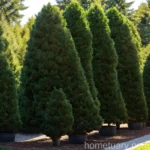
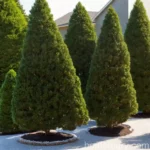
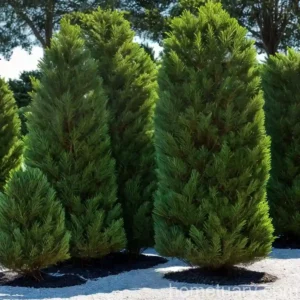
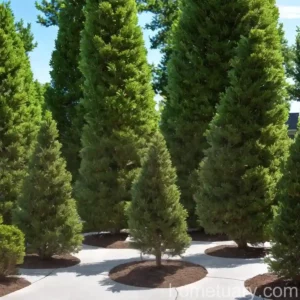
- Characteristics: Its scale-like foliage, reddish-brown bark, and conical form contribute to its distinctive appearance.
- Planting Guide: Understanding the optimal conditions for planting and establishing Western Red Cedar is essential for its long-term success.
- Maintenance: Regular pruning, disease monitoring, and nutrient management are integral parts of maintaining Western Red Cedar’s well-being.
- Landscaping Ideas: This species offers valuable landscaping benefits, including windbreak properties, shade tolerance, and ornamental features.
- Diseases and Pests: Awareness of potential diseases and pests is vital for implementing preventive measures and early intervention.
- Soil Requirements: Western Red Cedar thrives in well-drained, acidic soils with good fertility.
- Propagation Methods: From seed propagation to cutting techniques, there are various methods for propagating Western Red Cedar.
- Varieties: Numerous cultivars and varieties of Western Red Cedar exist, each with its unique characteristics and uses.
With these key points in mind, let’s embark on an in-depth exploration of Western Red Cedar, uncovering the intricacies of its culture, uses, maintenance, and more.
Culture
Understanding the cultural requirements of Western Red Cedar is fundamental to its successful growth and development. From its preferred climate to its ecological significance, delving into the cultural aspects sheds light on the broader context of this remarkable species.
Natural Range and Climate Preferences
Western Red Cedar’s natural range spans from southeastern Alaska through British Columbia to northern California. Within this region, it thrives in the coastal areas and lower elevations, often associating with other coniferous species such as Douglas-fir and Western Hemlock. This species exhibits a preference for cool, moist climates, and it is well-suited to the maritime influences prevalent along the west coast of North America. Adequate rainfall and moderate temperatures characterize the optimal climate for Western Red Cedar’s growth.
Ecological Value and Wildlife Habitat
The ecological significance of Western Red Cedar extends beyond its striking presence in the landscape. This species plays a vital role in supporting diverse ecosystems, providing habitat and sustenance for various wildlife species. Its dense foliage and substantial size offer valuable shelter for birds, small mammals, and other organisms. Moreover, its decay-resistant wood contributes to the longevity of fallen trees, enriching the forest floor and fostering a dynamic and diverse microhabitat. Additionally, the foliage and seeds of Western Red Cedar serve as a food source for wildlife, further enhancing its ecological value.
Timber Uses and Forest Ecology
The timber of Western Red Cedar is highly esteemed for its durability, workability, and resistance to decay. Historically, indigenous communities and early settlers utilized the wood for a multitude of purposes, including crafting canoes, constructing shelters, and carving tools and ceremonial objects. Today, Western Red Cedar continues to be prized for its timber, featuring prominently in the production of siding, roofing materials, outdoor furniture, and specialty items such as cedar chests and carvings. Its aesthetic appeal, coupled with its natural resistance to weathering and insects, positions Western Red Cedar as a preferred choice for a broad range of construction and woodworking applications.
In forest ecology, Western Red Cedar contributes to the structural and functional diversity of coniferous stands. Its ability to regenerate and establish in various ecological conditions adds resilience and complexity to forest ecosystems. Through its participation in nutrient cycling, soil stabilization, and habitat provision, Western Red Cedar exerts a profound influence on the ecological dynamics of the forests it inhabits.
Uses
The utilitarian and cultural uses of Western Red Cedar are extensive, reflecting its versatile nature and the cultural significance it holds for various communities. From traditional craftsmanship to contemporary applications, this species continues to inspire and serve a multitude of purposes.
Traditional and Indigenous Uses
For numerous indigenous peoples of the Pacific Northwest, Western Red Cedar holds profound cultural and spiritual significance. Its abundance and diverse attributes have long established it as a central resource for traditional practices and material culture. The utilization of Western Red Cedar spans an array of applications, encompassing the construction of longhouses, carving of totem poles and masks, weaving of baskets and clothing, and fabrication of tools and transportation implements. The pliancy, strength, and natural resistance of Western Red Cedar’s wood and bark render it indispensable for materializing the artistic, practical, and ceremonial expressions of indigenous cultures.
Contemporary Applications
In contemporary society, Western Red Cedar continues to be highly sought after for its exceptional properties and aesthetic appeal. Its timber, renowned for its fine grain and natural preservative qualities, is extensively utilized in outdoor construction and architectural elements. Siding, decking, fencing, and garden structures exemplify the enduring popularity of Western Red Cedar in residential and commercial settings. Additionally, the distinctive aroma and visual allure of the wood contribute to its desirability for crafting indoor furniture, paneling, and decorative items. Furthermore, the essential oils derived from Western Red Cedar have found applications in fragrances, cosmetics, and therapeutic products, owing to their aromatic and medicinal properties.
Water
Adequate water availability is crucial for the vitality and vigor of Western Red Cedar, especially during its establishment phase and periods of prolonged drought. Understanding its water requirements and implementing appropriate watering practices are essential for promoting its growth and resilience.
Watering Requirements and Techniques
During the initial phase of planting, Western Red Cedar necessitates consistent and sufficient moisture to facilitate root establishment and early growth. In regions characterized by dry summers, supplemental irrigation may be necessary to sustain the tree’s health and mitigate the impact of drought stress. Mulching the base of the tree with organic materials can aid in moisture retention, temperature regulation, and weed suppression. Regular monitoring of soil moisture levels and adjustments to the watering regimen based on seasonal conditions contribute to the optimal hydration of Western Red Cedar.
Avoiding Waterlogging and Drainage Considerations
While ensuring an adequate water supply is crucial, preventing waterlogging and promoting proper drainage are equally important for the health of Western Red Cedar. Excessive water accumulation around the root zone can lead to oxygen deprivation and root rot, jeopardizing the tree’s well-being. Selecting well-drained planting sites, amending compacted or clayey soils with organic matter, and employing proper grading and irrigation practices are effective strategies for managing waterlogging and promoting healthy root development.
Sunlight
The exposure to sunlight significantly influences the growth, form, and physiological processes of Western Red Cedar. Understanding its sunlight requirements and optimizing its exposure are essential for maximizing its potential and longevity.
Sunlight Preferences and Tolerance
Western Red Cedar displays a preference for partial to full sunlight, particularly during its juvenile stages and rapid growth phase. While it can tolerate some shade, ample sunlight promotes robust development and the production of dense foliage. In regions with intense summer heat, providing some protection from direct midday sun may be beneficial, especially for young trees susceptible to sunscald and heat stress. Balance and moderation in sunlight exposure are essential considerations for maintaining the health and vitality of Western Red Cedar across varied climatic and environmental conditions.
Ensuring Adequate Light Penetration
In densely planted or shaded settings, facilitating sufficient light penetration to Western Red Cedar can be achieved through selective thinning of surrounding trees and vegetation. This practice enhances air circulation, reduces competition for resources, and optimizes the quality of available light. Tailoring the landscape to accommodate Western Red Cedar’s sunlight requirements contributes to its overall vigor and aesthetic appeal.
Fertilizer
While Western Red Cedar is known for its adaptability to nutrient-poor soils, providing supplemental fertilization under specific circumstances can enhance its growth and resilience. Understanding the principles of fertilization and its potential impact on Western Red Cedar is essential for informed and judicious application.
Nutrient Requirements and Soil Fertility
Western Red Cedar exhibits a preference for acidic soils with good fertility, characterized by a balanced pH and adequate organic matter. In nutrient-deficient or highly disturbed sites, the application of a balanced, slow-release fertilizer can support the tree’s establishment and sustained growth. Incorporating organic amendments such as compost or well-rotted manure during planting or as topdressing can enhance soil fertility and microbiological activity, fostering a conducive environment for Western Red Cedar’s root development.
Selecting Appropriate Fertilizer Formulations
When considering supplemental fertilization for Western Red Cedar, choosing a fertilizer formulation with a moderate nitrogen content and a balanced combination of essential macro and micronutrients is advisable. Avoiding excessive nitrogen application, particularly in concentrated forms, minimizes the risk of stimulating excessive foliar growth and vulnerability to pests and diseases. Targeted and conservative use of fertilizers aligns with the sustainable management of Western Red Cedar and the preservation of soil and water quality.
Soil
The soil composition and texture profoundly influence Western Red Cedar’s growth, root development, and overall well-being. A conscientious approach to soil preparation, amendment, and maintenance can significantly impact the species’ longevity and ecological contributions.
Soil Type and pH Tolerance
Western Red Cedar thrives in well-drained, loamy soils with good moisture retention and a slightly acidic to moderately acidic pH range. The species exhibits a distinct aversion to waterlogged and compacted soils, necessitating attention to drainage and soil structure. Testing the soil’s pH and composition prior to planting aids in assessing its suitability for accommodating Western Red Cedar and informs the implementation of targeted soil amendments to optimize its growing conditions.
Organic Matter and Microbial Activity
The incorporation of organic matter, such as leaf mold, compost, or peat, enriches the soil with essential nutrients, improves water retention, and fosters beneficial microbial activity. These enhancements are particularly beneficial for soils with poor fertility or low organic content, facilitating the development of a conducive rhizosphere environment for Western Red Cedar. Implementing sustainable soil management practices aligned with organic principles strengthens the health and resilience of the tree and contributes to the restoration and conservation of natural ecosystems.
Pruning
Pruning is an integral component of Western Red Cedar’s maintenance and the realization of its aesthetic and functional potential. Adhering to proper pruning techniques and timing is imperative for promoting structural integrity, mitigating potential hazards, and enhancing the tree’s overall form and health.
Pruning Objectives and Considerations
Pruning initiatives for Western Red Cedar encompass multiple objectives, including the removal of dead or diseased branches, correction of structural flaws, and management of growth density. As an evergreen species, Western Red Cedar is amenable to both formative pruning during its early years and selective pruning in later stages to maintain its vigor and geometrical balance. Meticulous attention to the tree’s natural branching patterns, growth habits, and potential for wind resistance informs strategic pruning decisions that align with the species’ long-term health and aesthetic appeal.
Pruning Techniques and Seasonality
Utilizing sharp and sanitized pruning tools, such as hand pruners and pruning saws, ensures clean and precise cuts while minimizing the risk of transmitting diseases. Pruning during the dormant season, preferably in late winter to early spring, facilitates rapid wound healing and minimizes stress on the tree. Carrying out selective and conservative pruning actions oriented towards the removal of damaged or congested branches promotes air circulation, light penetration, and the overall resilience of Western Red Cedar.
Propagation
The propagation of Western Red Cedar encompasses various techniques, from seed sowing to vegetative methods, each offering distinct advantages and considerations. Understanding the principles of propagation and selecting suitable approaches are essential for fostering genetic diversity, conserving rare varieties, and establishing new cohorts of this esteemed species.
Seed Propagation and Germination
The propagation of Western Red Cedar via seeds offers a natural and cost-effective means of generating diverse genetic stocks. Collecting mature cones from healthy parent trees, extracting the seeds, and employing stratification techniques to mimic natural germination conditions are fundamental steps in the seed propagation process. The utilization of well-drained, sterile propagation media and consistent moisture management contribute to successful germination and the development of robust seedlings, facilitating the establishment of new populations or the augmentation of existing stands.
Cutting and Grafting Methods
Vegetative propagation techniques, such as softwood or hardwood cuttings and grafting, enable the replication of specific cultivars or the preservation of unique genetic traits. The selection of vigorous and disease-free donor plants, precise execution of cutting or grafting procedures, and diligent care during the establishment phase under controlled environmental conditions are critical for the successful propagation of Western Red Cedar. These methods offer opportunities for discreetly conserving exceptional genetic lineages, enhancing varietal diversity, and supporting the continued adaptation of Western Red Cedar to changing environmental conditions.
Container Popularity
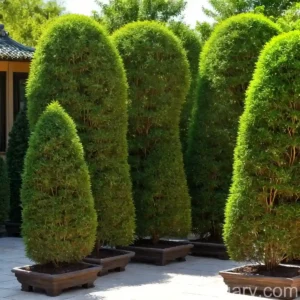
The cultivation of Western Red Cedar in containers presents an attractive and versatile option for incorporating this iconic species into various outdoor and indoor settings. Harnessing the benefits of container gardening allows for enhanced portability, space utilization, and adaptability to diverse environmental constraints.
Container Selection and Preparation
Choosing appropriately sized and well-drained containers with adequate depth and volume is essential for accommodating the sustained growth and root development of Western Red Cedar. Prioritizing containers constructed from durable and breathable materials, such as wood or high-density polyethylene, facilitates temperature regulation and prevents waterlogging and root confinement. Incorporating a balanced and well-aerated potting mix tailored to acidic soil preferences ensures the provision of a supportive growing medium for the tree.
Maintenance and Care Considerations
Caring for container-grown Western Red Cedar entails attentive monitoring of soil moisture, nutrient supplementation, and response to environmental conditions. Regular irrigation, particularly during hot and dry periods, supports the tree’s hydration and minimizes stress associated with container planting. Implementing a balanced fertilization regimen aligned with the tree’s growth phase and the nutritional properties of the potting mix promotes steady growth and vibrant foliage. Moreover, periodically evaluating root health, potentially repotting as necessary, and considering overwintering strategies contribute to the long-term well-being of Western Red Cedar in container culture.
Common Diseases
As with any plant species, Western Red Cedar is susceptible to certain diseases that can impact its health and aesthetic appeal. Familiarizing ourselves with common diseases and their diagnostic indications empowers us to implement preventive measures and timely interventions, safeguarding the vitality of this esteemed species.
Cedar Rust Diseases
Various species of rust fungi, including Gymnosporangium spp., Melampsora spp., and Chrysomyxa spp., can afflict Western Red Cedar, manifesting as conspicuous rust-colored lesions on its foliage and stems. These diseases, often transmitted from alternate hosts such as junipers or other conifers, pose risks to the tree’s photosynthetic capacity and overall vigor. Implementing proper sanitation measures, selecting resistant cultivars, and monitoring potential sources of infection in the surrounding landscape contribute to the management of cedar rust diseases.
Canker Diseases and Dieback
Canker-causing pathogens, particularly Seiridium cardinale and Botryosphaeria spp., can incite the development of sunken lesions, dieback, and potentially lethal infections in Western Red Cedar. Identifying and promptly removing affected branches, promoting optimal tree vigor through cultural care practices, and avoiding injury to the tree can mitigate the impact of canker diseases. Ensuring sufficient air circulation, preventive pruning, and judicious irrigation are integral components of a holistic approach to managing canker diseases and reducing their incidence.
Needle Blights and Foliar Diseases
Needle blights caused by fungal pathogens, such as Phyllosticta juniperovora and Kabatina thujae, can provoke discoloration, browning, and defoliation of Western Red Cedar’s foliage, compromising its aesthetic and ecological functions. Attentive monitoring of foliage health, removal of affected plant debris, and adjusting irrigation and pruning practices to promote the tree’s resilience contribute to preemptive measures against needle blights and their associated repercussions. Implementing integrated pest and disease management techniques aligned with sustainable horticultural principles is conducive to mitigating needle blight and other foliar diseases.
Disease Diagnosis
Accurately diagnosing diseases afflicting Western Red Cedar involves keen observation of symptomatic manifestations, pathogen identification, and consideration of environmental and management factors contributing to the tree’s health status. The integration of these diagnostic elements delineates a comprehensive and informed approach to disease diagnosis and facilitates the formulation of effective remedial strategies.
Symptomatic Indicators: Recognizing disease-associated symptoms, such as discoloration, lesions, dieback, or cankers, on Western Red Cedar’s foliage, stems, or bark, is fundamental to initiating disease diagnosis. Distinguishing between specific symptoms and their progression aids in narrowing down potential causal agents and underlying physiological disturbances.
Pathogen Identification: Identifying the precise pathogens responsible for inflicting diseases on Western Red Cedar involves microscopic examination, culturing, and molecular techniques to discern the characteristics and genetic profiles of the causative agents. Collaborating with diagnostic laboratories and botanical experts supports accurate pathogen identification and the formulation of targeted management strategies.
Environmental and Management Factors: Considering environmental stressors, soil conditions, and horticultural practices relevant to the tree’s growing environment illuminates the interplay of predisposing factors and disease incidence. Assessing the impacts of moisture, sunlight, nutrient availability, and potential interactions with neighboring vegetation aids in contextualizing disease diagnosis and devising holistic solutions.
Common Pests
Western Red Cedar confronts a range of pest pressures that can compromise its growth, vitality, and ornamental appeal. Identifying common pests and understanding their life cycles, feeding habits, and susceptible stages empowers us to implement integrated pest management strategies tailored to the needs of this distinguished species.
Cedar Bark Beetles
Cedar bark beetles, including the Western cedar bark beetle (Phloeosinus) and the red turpentine beetle (Dendroctonus valens), infest weakened or injured Western Red Cedar, tunneling through the bark and disrupting the tree’s vascular functions. Implementing cultural care practices to fortify the tree’s resilience, promptly removing and disposing of infested materials, and utilizing environmentally compatible insecticides for targeted control contribute to managing cedar bark beetles and safeguarding tree health.
Spider Mites and Needle-Scale Insects
Spider mites and needle-scale insects pose threats to the foliage and vitality of Western Red Cedar, exerting their impacts through the extraction of cellular contents and the induction of chlorosis and leaf desiccation. Instituting measures to augment beneficial predator populations, employing carefully calibrated horticultural oils or insecticidal soaps, and implementing judicious irrigation and fertilization practices