The Beautiful World of Rhododendron ‘Rosebud’: A Comprehensive Guide
Introduction
Rhododendron ‘Rosebud’, a stunning and vibrant flowering plant, is a beloved member of the plant kingdom. Its rich history, distinct features, and various considerations for optimal growth and care make it a captivating subject for plant enthusiasts and gardening aficionados.
If you’re looking to enhance your garden’s beauty with this magnificent plant, or simply want to expand your knowledge of horticulture, this comprehensive guide is your roadmap to understanding the world of Rhododendron ‘Rosebud’. Let’s delve into the various facets of this plant, including its cultivation, characteristics, diseases, pests, and other crucial aspects that ensure its thriving presence in any landscape.
What is Rhododendron ‘Rosebud’?
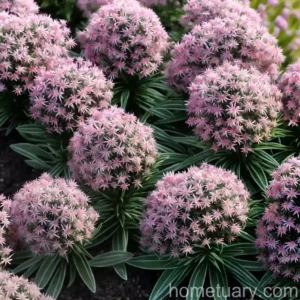
Rhododendron ‘Rosebud’ is a popular flowering plant known for its stunning blooms and vibrant foliage, making it a cherished addition to gardens and landscapes. This variety of rhododendron showcases a profusion of gorgeous, rose-colored flowers, and its compact growth habit renders it ideal for containers, borders, and even mixed beds. The botanical name ‘Rhododendron’ is derived from the Greek words “rhodon,” which translates to rose, and “dendron,” meaning tree. This etymology aptly captures the essence of the plant, encapsulating the beauty and elegance of its blooms.
Key Takeaways
- Latin Name: Rhododendron ‘Rosebud’
- Common Name: Rosebud Rhododendron
- Type: Evergreen Shrub
- Bloom Time: Late Spring to Early Summer
- Mature Height: 4-6 feet
- Mature Spread: 4-6 feet
- Exposure: Partial to Full Sun
Culture
The culture of Rhododendron ‘Rosebud’ encompasses various growing conditions and maintenance practices necessary for its optimal development and flourishing blooms. Let’s explore some essential aspects of its culture.
Uses
Rhododendron ‘Rosebud’ serves multiple aesthetic and landscaping purposes, making it a versatile addition to any outdoor environment. Here are some of its primary uses:
- Ornamental: The striking, rose-colored flowers and evergreen foliage make Rhododendron ‘Rosebud’ a charming ornamental plant that instantly elevates the visual appeal of gardens and landscapes.
- Hedging: Its compact growth habit and lush foliage make it a fantastic choice for creating attractive hedges or borders, adding a pop of color and texture to the landscape.
- Containers: Due to its manageable size, Rhododendron ‘Rosebud’ is well-suited for container gardening, allowing individuals with limited garden space to enjoy its beauty on patios, balconies, or terraces.
Water
Adequate watering is crucial for the health and vitality of Rhododendron ‘Rosebud’. While it is essential to provide consistent moisture, it’s equally important to ensure proper drainage to prevent waterlogged soil, which can lead to root rot. Understanding the plant’s water needs is essential for its overall well-being.
- Watering Schedule: Rhododendron ‘Rosebud’ should be watered regularly, especially during dry spells or periods of high temperatures. However, it’s essential to allow the soil to dry slightly between waterings to avoid waterlogging.
Sunlight
The right balance of sunlight is key to the successful cultivation of Rhododendron ‘Rosebud’. Understanding its sunlight requirements ensures that the plant receives the necessary light exposure for robust growth and abundant flowering.
- Sunlight Requirements: Partial shade to full sun is ideal for Rhododendron ‘Rosebud’. In regions with hot climates, providing some afternoon shade can help protect the plant from excessive heat and sun exposure.
Fertilizer
Applying the appropriate fertilizers at the right time is essential for promoting healthy growth and robust flowering in Rhododendron ‘Rosebud’. Understanding the plant’s fertilizing needs is crucial for providing it with essential nutrients.
- Fertilizing Needs: Rhododendron ‘Rosebud’ benefits from a balanced, slow-release fertilizer designed for acid-loving plants. It’s best to apply the fertilizer in early spring, just before new growth emerges, to support the plant’s annual growth cycle.
Soil
The soil composition significantly impacts the overall health and vigor of Rhododendron ‘Rosebud’. Understanding its soil preferences empowers gardeners to create an optimal growing environment for the plant.
- Soil Preferences: Rhododendron ‘Rosebud’ thrives in well-draining, acidic soil rich in organic matter. A pH range of 4.5 to 6.0 is ideal for ensuring that the plant can access essential nutrients and minerals within the soil.
Pruning
Pruning plays a vital role in shaping the growth and appearance of Rhododendron ‘Rosebud’, as well as promoting flowering and maintaining overall plant health. Understanding the proper pruning techniques helps ensure that the plant remains vigorous and visually appealing.
- Pruning Guide: Prune Rhododendron ‘Rosebud’ immediately after flowering to remove spent blooms and maintain the desired shape. Avoid extensive pruning during late summer or fall, as it can interfere with the plant’s ability to set flower buds for the following year.
Propagation
Propagating Rhododendron ‘Rosebud’ allows gardeners to expand their plant collection and share its beauty with others. Understanding the various propagation methods enables enthusiasts to cultivate new plants from existing specimens.
- Propagation Methods: Rhododendron ‘Rosebud’ can be propagated through techniques such as stem cuttings, layering, and even grafting. Each method offers unique advantages and is suitable for different skill levels and preferences.
Container Popularity
The compact nature and ornamental beauty of Rhododendron ‘Rosebud’ make it a favored choice for container gardening. Leveraging its suitability for container growth allows individuals with limited space to enjoy the plant’s allure on patios, decks, or other confined areas.
- Container Gardening: When growing Rhododendron ‘Rosebud’ in containers, it’s imperative to select a well-draining potting mix and ensure adequate drainage. Regular watering and occasional fertilization support the plant’s growth and blooming while in containers.
Popularity
Rhododendron ‘Rosebud’ enjoys widespread popularity among gardeners and horticulture enthusiasts due to its captivating blooms, evergreen foliage, and versatile landscaping potential. Its appeal lies in the following factors:
-
Visual Impact: The vibrant, rose-colored blooms of Rhododendron ‘Rosebud’ create a striking visual display, making it a sought-after plant for adding color and charm to outdoor environments.
-
Adaptability: Its ability to thrive in various growing conditions, including containers, borders, and hedging, makes Rhododendron ‘Rosebud’ a versatile and adaptable plant that can be incorporated into diverse landscapes.
-
Low Maintenance: With the right care and attention to its cultural requirements, Rhododendron ‘Rosebud’ is relatively low-maintenance, appealing to gardeners seeking a beautiful yet manageable addition to their outdoor spaces.
Common Diseases
Rhododendron ‘Rosebud’ is susceptible to certain diseases, and early diagnosis and appropriate management are essential for preserving its health and vitality. Being aware of common diseases enables gardeners to take proactive measures to protect their plants.
Disease Diagnosis
Identifying and understanding common diseases that affect Rhododendron ‘Rosebud’ is crucial for implementing timely and effective treatment strategies. Some prevalent diseases that may affect this plant include:
-
Phytophthora Root Rot: This soil-borne disease can lead to the wilting and yellowing of foliage, as well as stunted growth. It causes damage to the root system and can be fatal if left untreated.
-
Powdery Mildew: A fungal disease that manifests as a powdery, white coating on the leaves, stems, and buds of the plant. It can negatively impact the plant’s overall health and vigor.
Common Pests
In addition to diseases, Rhododendron ‘Rosebud’ is also vulnerable to certain pests that can compromise its growth and flowering potential. Understanding common pests and their management is essential for safeguarding the plant.
-
Aphids: These small, sap-sucking insects can infest the foliage and tender shoots of the plant, causing distortion and discoloration of the leaves. Controlling aphids is crucial to prevent damage to the plant.
-
Spider Mites: These tiny arachnids can wreak havoc on the foliage of Rhododendron ‘Rosebud’ by piercing the leaves and sucking out their juices, leading to stippling and discoloration.
Botanist’s Tips
Armed with the knowledge of Rhododendron ‘Rosebud’s cultural requirements, common diseases, and pests, as well as its growing popularity and versatile uses, it’s time to delve into some expert tips for ensuring the successful cultivation and care of this magnificent plant.
-
Acidic Soil Management: Maintaining the appropriate pH range in the soil through the use of acidifying agents and organic amendments is crucial for supporting the long-term health and vitality of Rhododendron ‘Rosebud’.
-
Watering Efficiency: Implementing efficient watering practices, such as drip irrigation or soaker hoses, can ensure that the plant receives consistent moisture without promoting waterlogged conditions or fungal diseases.
-
Seasonal Maintenance: Adhering to a regular schedule of seasonal maintenance tasks, including pruning, fertilizing, and pest monitoring, supports the plant’s overall well-being and encourages robust growth and flowering.
Fun Facts
- The genus Rhododendron includes more than 1,000 species, showcasing remarkable diversity in flower color, size, and habitat preferences.
- Rhododendrons are a symbol of strength and beauty in many cultures and are often associated with elegance, romance, and grace.
- The blossoms of Rhododendron ‘Rosebud’ are not only visually stunning but also attract pollinators such as bees, butterflies, and hummingbirds, contributing to the ecological balance in the garden.
Links to External Resources
To further enrich your understanding of Rhododendron ‘Rosebud’ and its cultivation, care, and use, consider exploring the following external resources:
- The American Rhododendron Society
- Royal Horticultural Society – Rhododendrons and Azaleas
- North Carolina State University Extension – Rhododendron and Azalea Diseases
Conclusion
Rhododendron ‘Rosebud’ stands as a breathtaking exemplar of nature’s artistry, showcasing its radiant blooms, lush foliage, and adaptability in diverse landscapes. Nurturing this captivating plant requires a blend of knowledge, attentiveness, and a deep appreciation for its distinct traits and cultural needs. As you embark on your journey of cultivating and caring for Rhododendron ‘Rosebud’, may this comprehensive guide serve as your steadfast companion, offering insights, tips, and resources to support your endeavors and celebrate the enduring beauty of this remarkable flowering shrub.
So, tackle those pruning shears, prep your watering can, and immerse yourself in the beguiling world of Rhododendron ‘Rosebud’ – a botanical treasure waiting to grace your garden with its unparalleled splendor.