Blueberry Kisses (Vaccinium Hybrid)
Blueberries are a delightful addition to any garden. Their delicious fruits and beautiful foliage make them a popular choice among gardeners. Among the.
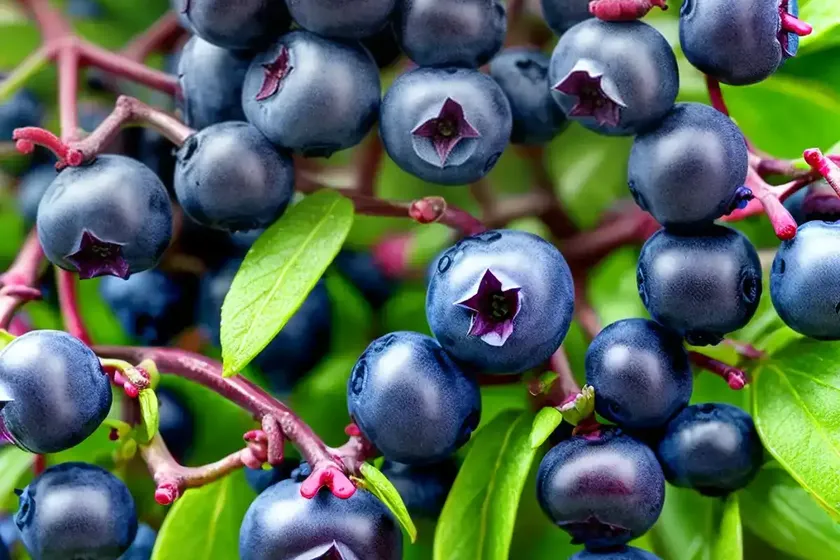
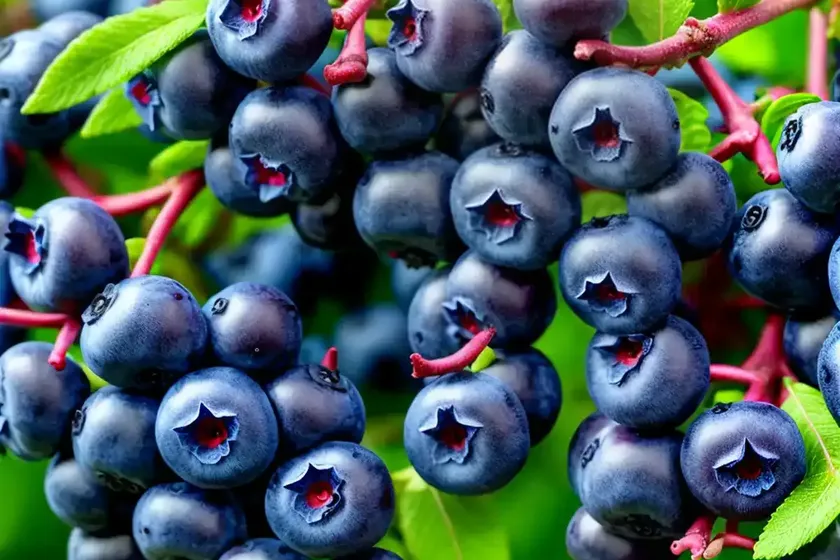
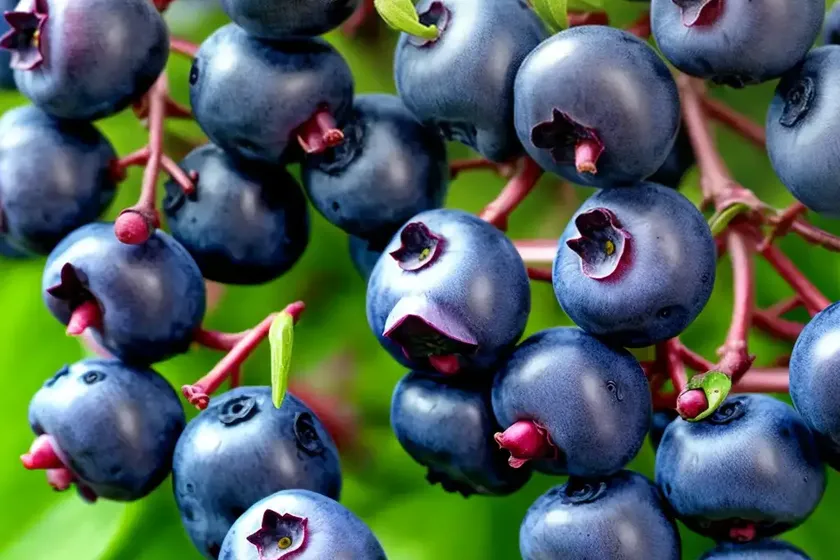
Blueberries are a delightful addition to any garden. Their delicious fruits and beautiful foliage make them a popular choice among gardeners. Among the many blueberry varieties, Blueberry Kisses (Vaccinium Hybrid) stands out for its unique characteristics and versatile nature. In this comprehensive guide, we will delve into everything you need to know about Blueberry Kisses, from its cultural requirements to common diseases and tips for optimal growth. Let’s explore the enchanting world of Blueberry Kisses and discover how to ensure their successful cultivation in your garden.
What is Plant: Blueberry Kisses (Vaccinium Hybrid)?
Blueberry Kisses is a delightful hybrid variety of blueberry, scientifically classified as Vaccinium corymbosum. It is the result of careful breeding to combine the best traits of different blueberry species, resulting in a plant that offers a harmonious blend of flavor, appearance, and adaptability. The name “Blueberry Kisses” evokes the sweet and tender essence of this exceptional hybrid, and rightfully so, as it has captured the hearts of many gardeners and blueberry enthusiasts.
Blueberry Kisses is renowned for its charming qualities, including:
- Delicious Fruits: The berries produced by Blueberry Kisses are exceptionally sweet and flavorful, making them a popular choice for fresh consumption, baking, and preserves.
- Ornamental Foliage: Beyond its delectable fruits, Blueberry Kisses boasts stunning foliage that ranges from vibrant green to fiery red during the fall, adding visual interest to any landscape.
- Versatility: This hybrid variety is known for its adaptability, thriving in a range of growing conditions and offering an array of uses, from ornamental planting to culinary endeavors.
As we explore the various aspects of Blueberry Kisses, from its cultural requirements to propagation techniques and common pests, you will gain a comprehensive understanding of how to care for and enjoy the bountiful offerings of this exceptional blueberry hybrid.
Key Takeaways – Blueberry Kisses (Vaccinium Hybrid)
Culture
Cultivating Blueberry Kisses in your garden involves providing the ideal growing conditions to ensure the plant’s health and productivity. Key cultural considerations include:
- Soil: Blueberry Kisses thrive in well-draining, acidic soil with a pH between 4.5 and 5.5. Consider amending the soil with organic matter, such as pine bark or peat moss, to enhance its acidity and improve water retention.
- Sunlight: These hybrids require full sun to partial shade, with at least 6 hours of direct sunlight daily for optimal fruit production and overall vigor.
- Water: Consistent moisture is essential for Blueberry Kisses, especially during the fruiting season. Mulching can help retain soil moisture and regulate temperature around the plant’s roots.
- Fertilizer: To support healthy growth and abundant fruiting, fertilize Blueberry Kisses with a balanced, acidic fertilizer formulated specifically for acid-loving plants. Apply the fertilizer as directed on the packaging, typically in early spring before new growth begins.
Uses
Blueberry Kisses serve a multitude of purposes, elevating both the aesthetic and culinary elements of your garden:
- Ornamental Planting: The vibrant foliage and occasional delicate blooms of Blueberry Kisses make it an enchanting addition to ornamental landscapes and edible gardens.
- Culinary Delights: The delectable fruits of Blueberry Kisses can be savored fresh, used in a variety of delectable recipes, or transformed into flavorful preserves and jams, enriching your culinary endeavors with homegrown goodness.
Water
A consistent and adequate water supply is crucial for the health and productivity of Blueberry Kisses. Proper watering practices help prevent issues such as fruit cracking and blossom-end rot, ensuring the development of high-quality berries. Consider the following guidelines for watering your Blueberry Kisses:
- Water deeply and consistently, aiming to keep the soil evenly moist, especially during periods of fruit development and hot, dry weather.
- Mulching around the base of the plant can aid in moisture retention and reduce the frequency of irrigation, while also helping to suppress weed growth and maintain a stable soil temperature.
Sunlight
Providing the appropriate amount of sunlight is crucial for the successful cultivation of Blueberry Kisses. Adequate sunlight exposure supports robust growth, vibrant foliage, and abundant fruit production. Here are key considerations for ensuring optimal sunlight conditions for your Blueberry Kisses:
- Full Sun to Partial Shade: Blueberry Kisses thrive in full sun to partial shade, requiring a minimum of 6 hours of direct sunlight daily for healthy growth and fruiting.
- Shading in Hotter Climates: In regions with intense summer heat, providing some afternoon shade can help prevent excessive stress on the plants and minimize the risk of sunscald on the berries.
Fertilizer
Fertilizing Blueberry Kisses is essential for providing the necessary nutrients for vigorous growth, robust fruiting, and overall plant health. Here’s how to effectively feed your Blueberry Kisses:
- Acidic Fertilizer: Choose a fertilizer specifically formulated for acid-loving plants, such as azaleas, rhododendrons, and, of course, blueberries. These fertilizers are designed to provide the pH-appropriate nutrients that blueberries require for optimal growth and fruit development.
- Application Timing: Apply the fertilizer in early spring before new growth begins, following the specific instructions on the product packaging. Refrain from overfertilizing, as excessive nutrient concentrations can result in adverse effects on the plants.
Soil
The soil in which Blueberry Kisses are planted plays a vital role in their overall health and productivity. Understanding the soil requirements and implementing appropriate amendments are crucial for fostering an optimal growing environment. Let’s delve into the key aspects of soil care for Blueberry Kisses:
- Acidic pH: Blueberry Kisses thrive in acidic soil with a pH range of 4.5 to 5.5. Test the soil pH using a reliable soil testing kit, and if necessary, amend the soil with materials such as peat moss, elemental sulfur, or pine bark to lower the pH to the ideal range.
- Well-Draining Soil: Ensure the soil provides good drainage to prevent waterlogging, which can lead to root rot and other detrimental conditions. Incorporating organic matter, such as compost or pine bark, can enhance both the soil structure and drainage capabilities.
Pruning
Proper pruning is essential for maintaining the health, shape, and productivity of Blueberry Kisses. Understanding when and how to prune your blueberry plants is crucial for promoting robust growth and bountiful fruiting. Consider the following guidelines for effective blueberry pruning:
- Annual Pruning: Prune Blueberry Kisses in late winter or early spring while the plants are still dormant. Remove any dead, damaged, or diseased branches, as well as any weak or low-hanging growth.
- Thinning for Air Circulation: Thin out the interior branches to improve air circulation and sunlight penetration, promoting the overall health and productivity of the plant.
Propagation
Propagating Blueberry Kisses allows you to expand your blueberry collection and share the joy of growing these exceptional plants with others. Learn about the effective propagation methods for Blueberry Kisses:
- Softwood Cuttings: Take 4-6 inch cuttings from healthy, vigorous stems in early summer. Remove the lower leaves and plant the cuttings in a mixture of peat moss and perlite. Keep the cuttings consistently moist and provide bottom heat to encourage root development.
- Division: As Blueberry Kisses mature, they may develop multiple stems arising from the base of the plant. During the dormant season, carefully divide the plant into separate sections, ensuring each division has a portion of the root system and a few vigorous shoots.
Container Popularity
Blueberry Kisses are popular choices for container gardening, offering the convenience of homegrown blueberries even in limited outdoor spaces. Their compact nature and manageable size make them well-suited for container cultivation, providing both ornamental beauty and delicious fruits. Consider the following factors for successful container gardening with Blueberry Kisses:
- Container Selection: Choose a large container with adequate drainage holes to accommodate the root system and provide ample space for growth. Selecting a container with a diameter of at least 18 inches allows the plant to thrive and produce an abundant harvest.
- Soil Considerations: Utilize well-draining, acidic potting soil or create a custom mix by combining peat moss, pine bark, and perlite. This tailored soil blend mirrors the natural habitat of blueberries and supports optimal growth in containers.
Common Diseases
As with any plant, blueberries, including Blueberry Kisses, are susceptible to certain diseases that can compromise their health and productivity. Familiarizing yourself with common blueberry diseases and their prevention measures is essential for maintaining vibrant, disease-free plants. Here are some prevalent diseases that may affect Blueberry Kisses:
- Fungal Diseases: Diseases such as powdery mildew, mummy berry, and anthracnose can afflict blueberries, causing various symptoms such as leaf spots, fruit rot, and overall decline in plant vigor.
- Viral Infections: Blueberry scorch and blueberry shock virus are viral diseases that can impact the health and fruit quality of blueberries, necessitating preventive measures to minimize their occurrence.
Disease Diagnosis
Diagnosing and addressing diseases promptly is crucial for safeguarding the health and productivity of Blueberry Kisses. Recognizing the symptoms and signs of common blueberry diseases empowers you to take proactive measures to combat these issues. Key aspects of disease diagnosis for Blueberry Kisses include:
- Visual Symptoms: Familiarize yourself with the visual cues of common blueberry diseases, such as discolored or necrotic leaf spots, abnormal growth patterns, and fruit abnormalities.
- Laboratory Testing: In cases of suspected viral infections, consider sending samples to a diagnostic laboratory for accurate testing and identification of the causal agents, enabling targeted management strategies.
Common Pests
Pests can pose a significant threat to the health and fruiting of Blueberry Kisses, necessitating proactive pest management measures to safeguard your plants. Some common pests that may affect blueberries include:
- Spotted Wing Drosophila: These small fruit flies can inflict damage on blueberries by laying eggs in the fruits, leading to fruit infestation and spoilage.
- Japanese Beetles: Both adult and larval Japanese beetles can cause considerable damage to blueberry plants, consuming foliage and compromising plant vigor.
Botanist’s Tips
Drawing from the expertise of botanical insights and horticultural wisdom, these tips are designed to enhance your understanding and cultivation of Blueberry Kisses:
- Companion Planting: Integrate companion plants, such as acid-loving flowers or herbs, to create a harmonious and mutually beneficial garden environment that supports the growth and vitality of Blueberry Kisses.
- Seasonal Care: Tailor your care practices to the seasonal requirements of Blueberry Kisses, implementing appropriate measures for winter protection, spring fertilization, and summer fruit thinning, among others.
Fun Facts
Uncover the fascinating and delightful aspects of Blueberry Kisses with these intriguing fun facts:
- Historical Significance: Blueberries have a rich history and cultural significance, being valued by indigenous communities for their sustenance and medicinal properties long before they gained popularity in modern cuisine.
- Health Benefits: Beyond their delightful flavor, blueberries are celebrated for their nutritional value, acclaimed for their antioxidant content and potential health-promoting properties.
Links to External Resources
Continue your exploration and learning journey with these valuable resources:
- Blueberry Plant Care Guide: Access expert insights and practical tips for caring for blueberries, including container cultivation and maintenance.
- Vaccinium Hybrids and Cultivars: Explore the diverse array of Vaccinium hybrids and cultivars, gaining an appreciation for the remarkable variation and versatility within the genus.
In conclusion, Blueberry Kisses (Vaccinium Hybrid) encapsulates the captivating allure of blueberries, offering a delightful fusion of aesthetic beauty, delectable fruits, and versatile uses. By embracing the cultural insights, propagation techniques, disease management strategies, and botanical wisdom outlined in this guide, you can cultivate and cherish the remarkable qualities of Blueberry Kisses in your garden. Whether you are a seasoned horticultural enthusiast or embarking on your first blueberry-growing endeavor, Blueberry Kisses is sure to captivate your senses and enrich your garden with an abundance of flavorful berries and ornamental charm.
As you embark on your blueberry journey, remember that the delight of cultivating Blueberry Kisses extends beyond the harvest, encompassing the joy of nurturing and savoring the charm of this exceptional adieu to the delectable world of Blueberry Kisses, and may your garden be adorned with the beauty and bounty of these enchanting hybrids.