Sedum ‘Wildfire’ (SunSparkler Series): A Comprehensive Guide
Introduction
Sedum ‘Wildfire’ is a delightful perennial plant that belongs to the SunSparkler series, recognized for its vibrant foliage and remarkable adaptability. This plant has gained widespread popularity due to its low-maintenance nature and stunning aesthetic appeal. In this comprehensive guide, we will delve into the key aspects of Sedum ‘Wildfire,’ including its care requirements, characteristics, uses, propagation, common diseases, and much more.
What is Sedum ‘Wildfire’ (SunSparkler Series)?
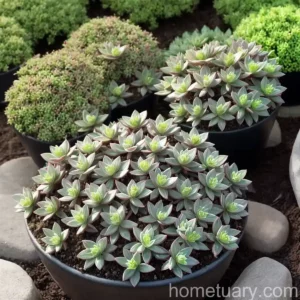
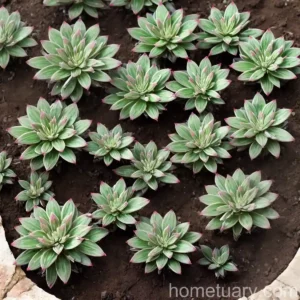
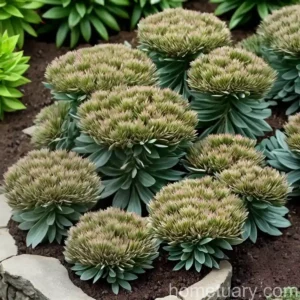
Sedum ‘Wildfire’ is a stunning succulent perennial that is renowned for its vibrant, tri-colored foliage. It is a part of the SunSparkler series, which is celebrated for producing a range of colorful and resilient sedum varieties.
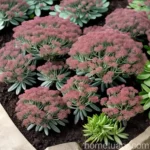
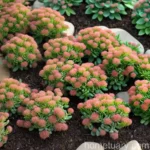
The plant features striking variegated leaves, with each leaf showcasing a unique combination of green, red, and creamy white hues. During the summer and fall seasons, Sedum ‘Wildfire’ blooms with bright pink flowers, adding a delightful splash of color to any garden or landscape.
Key Takeaways – Sedum ‘Wildfire’ (SunSparkler Series)
Before we delve into the detailed care guide for Sedum ‘Wildfire’, let’s explore some key takeaways about this plant:
- Genus and Series: Sedum (SunSparkler Series)
- Foliage: Tri-colored, featuring green, red, and creamy white hues
- Flowers: Eye-catching bright pink blooms during summer and fall
- Characteristics: Drought-tolerant, low-maintenance, and visually appealing
- Uses: Ideal for ground cover, container gardening, and adding color to rock gardens
- Hardiness: Suitable for USDA hardiness zones 4-9
- Growth Habit: Compact and spreading, forming attractive clumps over time
Now, let’s explore the detailed care requirements and characteristics of Sedum ‘Wildfire’.
Culture
The culture of Sedum ‘Wildfire’ plays a crucial role in ensuring its optimal growth and vibrant appearance. Let’s take a closer look at the cultural aspects of this stunning plant.
Water
-
Watering Needs: Sedum ‘Wildfire’ is known for its exceptional drought tolerance. While it is essential to provide regular moisture during the establishment phase, the plant generally thrives in dry conditions once it has developed a robust root system.
-
Watering Frequency: During the growing season, moderate watering is usually sufficient. However, it’s important to allow the soil to dry out between watering sessions to prevent the risk of root rot.
-
Winter Care: In cooler climates, watering should be minimal during the winter months to prevent waterlogged soil and potential cold damage.
Sunlight
-
Sun Requirements: Sedum ‘Wildfire’ thrives in full sun to partial shade. It is crucial to provide the plant with adequate sunlight to encourage vibrant foliage and prolific flowering.
-
Sun Exposure: Ideally, the plant should receive at least 6 hours of direct sunlight daily for optimal growth and color development.
Fertilizer
-
Feeding Schedule: Sedum ‘Wildfire’ generally does not require frequent fertilization. A balanced, slow-release fertilizer can be applied in early spring to support healthy growth and vibrant foliage.
-
Fertilizer Type: Opt for a fertilizer with balanced N-P-K (nitrogen, phosphorus, potassium) content to provide essential nutrients without promoting excessive leafy growth.
Soil
-
Soil Preferences: Well-draining, sandy or loamy soil is optimal for Sedum ‘Wildfire.’ It is essential to avoid waterlogged conditions, as the plant is susceptible to root rot in overly moist environments.
-
Soil Amendment: Incorporating organic matter into the soil during planting can enhance moisture retention and overall soil structure, promoting healthy root development.
Pruning
Pruning plays a significant role in maintaining the attractive appearance of Sedum ‘Wildfire’ and supporting its overall vigor.
-
Deadheading: Removing spent flower heads can encourage continuous blooming and prevent the plant from channeling energy into seed production.
-
Spring Pruning: In early spring, removing any damaged or winter-killed foliage can promote new growth and rejuvenate the plant’s appearance.
-
Division: Over time, Sedum ‘Wildfire’ may benefit from division to control its spread and rejuvenate older clumps. Dividing the plant every 3-4 years can support its long-term health and vitality.
Propagation
The propagation of Sedum ‘Wildfire’ can be achieved through various methods, allowing plant enthusiasts to expand their collection or share this charming succulent with fellow gardening enthusiasts.
-
Division: Dividing mature clumps in early spring or late summer can yield new plants with established root systems.
-
Stem Cuttings: Propagating Sedum ‘Wildfire’ from stem cuttings is a reliable method to create new plants. Select healthy stem segments and allow them to callus before planting in well-draining soil.
-
Leaf Cuttings: Individual leaves can also be used for propagation. Simply allow the cut ends to callus before planting in a suitable growing medium.
Container Popularity
Sedum ‘Wildfire’ is widely celebrated for its suitability in container gardening, adding a vibrant and low-maintenance element to various outdoor settings.
-
Container Selection: When cultivating Sedum ‘Wildfire’ in containers, opt for spacious pots with adequate drainage holes to prevent waterlogged soil.
-
Garden Design: This plant can be showcased in container arrangements, providing visual interest and vivid color to patios, balconies, and garden borders.
Common Diseases
While Sedum ‘Wildfire’ is generally resilient, it is important to be aware of potential diseases that may affect this plant.
Disease Diagnosis
-
Root Rot: Prolonged exposure to waterlogged soil can lead to root rot in sedums. Symptoms include yellowing, wilting, and mushy stems. To prevent this, ensure well-draining soil and moderate watering.
-
Powdery Mildew: In humid conditions, powdery mildew can develop on the foliage, leading to a fuzzy white coating. Adequate air circulation and spacing can minimize the risk of this fungal disease.
-
Crown Rot: Excessive moisture around the base of the plant can cause crown rot, leading to wilting and decay of the central stem. Avoid overhead watering and ensure proper soil drainage.
Common Pests
Sedum ‘Wildfire’ is relatively resistant to pests, but certain insects may occasionally pose a threat to its well-being.
-
Sedum Leaf Miners: These tiny larvae can cause unsightly trails on the leaves. Handpicking affected leaves and disposing of them can help manage this pest.
-
Aphids: Aphids may occasionally appear on the new growth of Sedum ‘Wildfire.’ They can be dislodged with a strong stream of water or managed with natural predators such as ladybugs.
Botanist’s Tips
-
Companion Planting: Pairing Sedum ‘Wildfire’ with other drought-tolerant perennials can create visually captivating and water-efficient landscapes.
-
Rock Gardens: The low-growing and spreading habit of Sedum ‘Wildfire’ makes it an ideal choice for rock gardens, where it can thrive in well-draining soil and sun-drenched conditions.
-
Pollinator-Friendly: The vibrant blooms of Sedum ‘Wildfire’ are attractive to pollinators, making it a valuable addition to pollinator-friendly gardens.
Fun Facts
- The SunSparkler series, which includes Sedum ‘Wildfire,’ is bred for compact growth and vibrant foliage, making it a versatile choice for various landscaping applications.
- Sedum ‘Wildfire’ is a resilient plant that can thrive in challenging conditions, making it a popular choice for water-wise gardening.
Links to External Resources
Are you looking to explore more about Sedum ‘Wildfire’ and the SunSparkler series? The following external resources provide valuable information and insights:
- The Succulent Source – Sedum ‘Wildfire’
- Fine Gardening – SunSparkler Sedums
- North Carolina State University – Sedum Cultivars for the Landscape
- University of Florida IFAS Extension – Sedum for Florida Landscapes
- RHS – Sedum ‘Wildfire’ Plant Profile
In conclusion, Sedum ‘Wildfire’ from the SunSparkler series offers an enticing combination of vibrant foliage, low-maintenance care requirements, and remarkable resilience. Whether used as a ground cover, container specimen, or rock garden accent, this charming perennial showcases its beauty and versatility in various gardening settings. By understanding its specific cultural needs and propagation methods, plant enthusiasts can fully appreciate and enjoy the captivating allure of Sedum ‘Wildfire’ in their outdoor spaces.