Tree Heath (Erica Arborea)
Plants play a vital role in the ecosystem and our lives. They provide us with food, oxygen, shelter, and aesthetic beauty. One such fascinating plant is.
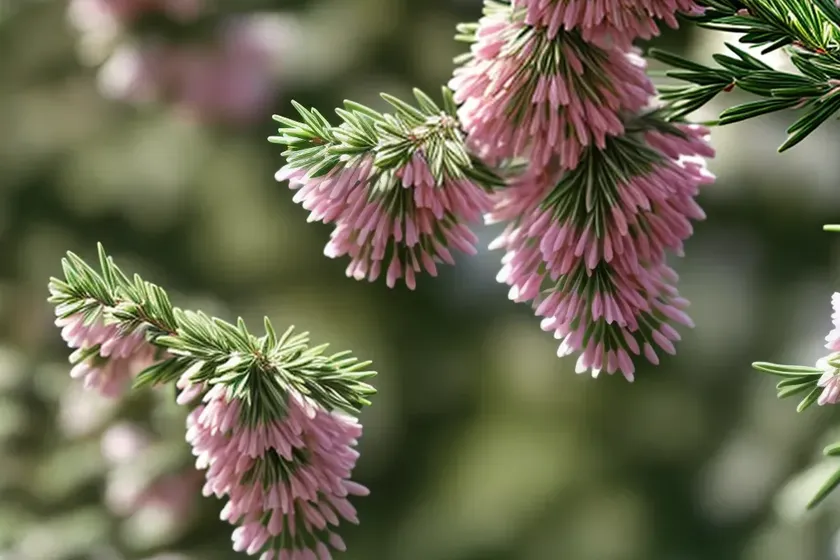
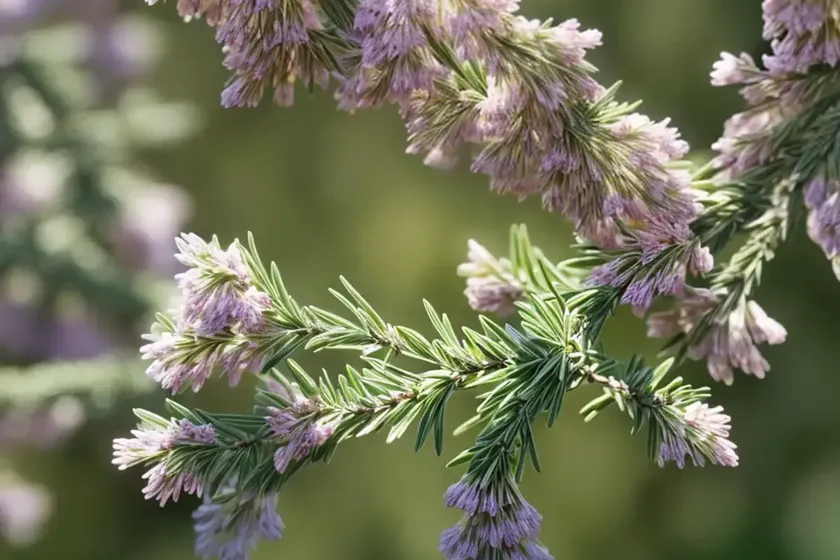
Plants play a vital role in the ecosystem and our lives. They provide us with food, oxygen, shelter, and aesthetic beauty. One such fascinating plant is the Tree Heath (Erica Arborea), a species that garners attention due to its unique characteristics, cultural significance, and ecosystem importance. In this comprehensive guide, we will delve into the various aspects of Tree Heath, including its description, cultivation, uses, ecosystem, diseases, and much more. Whether you are an avid gardener, botany enthusiast, or someone looking to learn about this remarkable plant, this guide has you covered.
What is Tree Heath (Erica Arborea)?
Tree Heath, scientifically known as Erica Arborea, is a flowering plant species belonging to the Ericaceae family. This evergreen shrub or small tree is native to the Mediterranean region, particularly the coasts and mountains of southern Europe and North Africa. It is renowned for its ecological importance, cultural significance, and ornamental value.
Key Takeaways – Tree Heath (Erica Arborea)
Before we delve deeper into the intricate details of this exquisite plant, let’s explore some key takeaways:
- Benefits: Tree Heath offers various benefits, including its ornamental appeal, ecological significance, and potential medicinal properties.
- Description: This species is characterized by its evergreen foliage, delicate flowers, and impressive adaptability to diverse habitats.
- Facts: Tree Heath exhibits interesting facts pertaining to its growth habits, ecological interactions, and historical uses.
- Care Tips: Cultivating and caring for Tree Heath requires specific considerations related to soil, sunlight, water, and pruning techniques.
- Characteristics: The distinct characteristics of Erica Arborea contribute to its appeal in landscaping, wildlife attraction, and cultural symbolism.
- Uses: From traditional uses to modern applications, Tree Heath serves a range of purposes, including medicinal, ornamental, and ecological roles.
- Cultivation: Understanding the cultivation requirements and growth habits of Erica Arborea is essential for successful propagation and management.
- Species: Within the Erica Arborea species, there exist variations and subspecies with unique attributes and ecological adaptations.
- Varieties: Different varieties of Tree Heath offer diverse foliage colors, growth patterns, and landscape uses.
- Ecosystem: Tree Heath plays a crucial role in its native ecosystem, contributing to biodiversity, habitat structure, and ecological balance.
- Natural Habitat: Exploring the natural habitat of Tree Heath sheds light on its preferred environmental conditions and geographic distribution.
- Wildlife: The presence of Tree Heath influences wildlife interaction, offering resources and shelter to various animal species.
- Conservation: Conservation efforts are relevant to protect and preserve Tree Heath, particularly in the face of environmental threats and habitat loss.
- Climate Requirements: Understanding the climate preferences of Erica Arborea is essential for successful cultivation and adaptation to different regions.
- Pruning Techniques: Proper pruning practices contribute to the health, aesthetics, and longevity of Tree Heath.
- Propagation Methods: Knowledge of propagation methods is crucial for expanding the population of Erica Arborea and managing its genetic diversity.
- Flowering Season: The flowering season of Tree Heath adds to its visual appeal and ecological value, attracting pollinators and wildlife.
- Pests and Diseases: Being aware of common pests and diseases enables effective management and protection of Tree Heath.
- Landscape Uses: Tree Heath offers diverse landscape uses, enhancing gardens, natural areas, and urban green spaces.
- Medicinal Properties: Exploring the potential medicinal properties of Erica Arborea contributes to its cultural and historical significance.
- Folklore: Tree Heath holds cultural significance and traditional folklore, offering insights into human-plant relationships and symbolism.
- Seasonal Changes: The seasonal dynamics of Tree Heath influence its appearance, ecological interactions, and cultivation requirements.
- Endangered Status: Monitoring the conservation status of Tree Heath is crucial for implementing protective measures and sustainable management.
- Native Range: Understanding the native range of Erica Arborea provides insights into its historical distribution and ecological adaptations.
- Pollination Process: The pollination process of Tree Heath involves intricate ecological interactions with pollinators and environmental factors.
- Gardening Tips: Practical gardening tips contribute to successful cultivation and management of Tree Heath in home gardens and urban landscapes.
- Soil Requirements: Soil composition and quality significantly influence the growth and health of Tree Heath.
- Container Gardening: Tree Heath can be cultivated in containers, offering flexibility in urban and confined gardening spaces.
- Companion Plants: Choosing suitable companion plants enhances the landscape value and ecological interactions of Tree Heath.
- Soil pH Preferences: Understanding the soil pH preferences of Erica Arborea is crucial for maintaining optimal growth conditions.
- Sunlight Needs: Adequate sunlight is essential for the growth and flowering of Tree Heath, influencing its overall health and appearance.
- Water Requirements: Proper watering practices ensure the vigor and vitality of Tree Heath, especially in varying climatic conditions.
- Nutrient Deficiencies: Identifying and addressing nutrient deficiencies contributes to the overall health and resilience of Tree Heath.
- Landscaping Ideas: Tree Heath offers diverse landscaping ideas, contributing to aesthetic appeal and ecological functionality.
- Foliage Color Variations: The foliage colors of Erica Arborea vary across different varieties, contributing to visual diversity in landscapes.
- Wildlife Attraction: Tree Heath attracts wildlife, offering resources and shelter to diverse animal species.
- Seasonal Care: Adapting care practices to seasonal variations ensures the well-being and longevity of Tree Heath throughout the year.
- Natural Remedies: Exploring natural remedies involving Tree Heath offers insights into traditional uses and ecological benefits.
- Ornamental Values: Tree Heath holds significant ornamental value, contributing to the visual and ecological appeal of landscapes.
- Iconic Locations: Tree Heath can be found in various iconic locations, influencing the cultural and ecological landscapes.
- Garden Design: Incorporating Tree Heath into garden designs enhances the aesthetic appeal and ecological functionality of outdoor spaces.
- Planting Guide: Following a comprehensive planting guide ensures successful establishment and growth of Tree Heath.
- Indoor Cultivation: Cultivating Tree Heath indoors offers opportunities for ornamental display and ecological engagement.
- Habitat Restoration: Restoration efforts involving Tree Heath contribute to biodiversity conservation and ecosystem resilience.
- Historical Uses: Exploring the historical uses of Erica Arborea sheds light on its cultural significance and traditional applications.
- Folklore Legends: Tree Heath holds symbolic meanings and folklore legends, adding to its cultural and historical importance.
Now that we have outlined the key takeaways, let’s explore each aspect of Tree Heath in detail, providing valuable insights into its cultivation, ecological role, and cultural significance.
Tree Heath Benefits
Tree Heath (Erica Arborea) offers an array of benefits encompassing ecological, cultural, and practical dimensions. Understanding these benefits provides valuable perspectives on the significance of this plant in human societies and natural ecosystems.
- Ecological Significance: In its native habitat, Tree Heath plays a crucial role in ecosystem dynamics, contributing to biodiversity, soil stabilization, and habitat structure. Its presence supports diverse animal species, including pollinators and wildlife, thus enhancing ecological interactions and resilience.
- Ornamental Appeal: Tree Heath holds significant ornamental value, adding visual interest and diversity to landscapes, gardens, and natural areas. Its delicate flowers, evergreen foliage, and diverse color variations contribute to aesthetic appeal and design versatility.
- Medicinal Potential: Some traditional communities have ascribed medicinal properties to Tree Heath, utilizing its extracts or derivatives for various health purposes. Exploring these potential medicinal properties offers avenues for scientific research and traditional knowledge preservation.
- Cultural Significance: Tree Heath holds cultural significance in various regions, featuring in folklore, traditional practices, and symbolic meanings. Understanding its cultural importance enriches our connections with nature and historical traditions.
- Habitat Restoration: In areas where ecosystems have been degraded or altered, Tree Heath plays a role in habitat restoration and biodiversity enhancement. Its adaptability and ecological functionality make it a valuable species for conservation and restoration initiatives.
Erica Arborea Description
To appreciate the beauty and ecological significance of Tree Heath (Erica Arborea), it is essential to understand its physical characteristics, growth habits, and natural adaptations.
Physical Characteristics
Tree Heath is typically characterized by the following physical attributes:
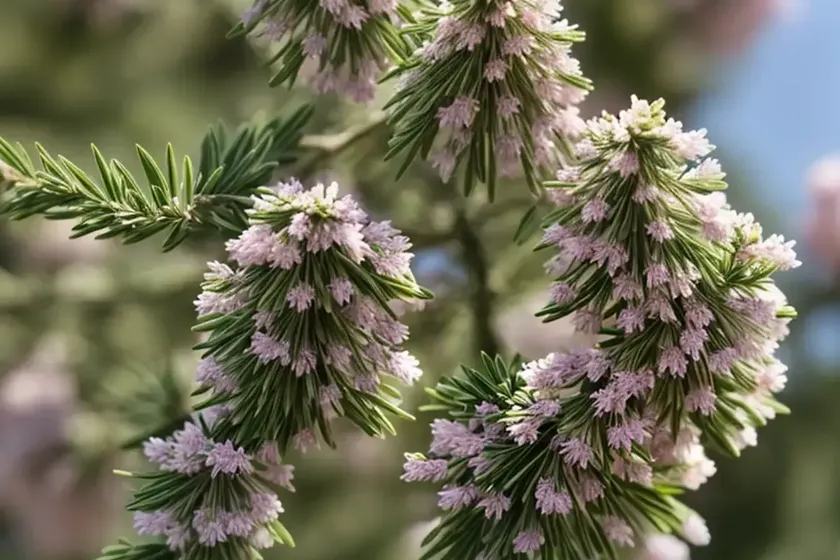
- Evergreen Foliage: The plant’s foliage is evergreen, maintaining its green color throughout the year. This feature contributes to its ornamental value and ecological functionality in providing continuous shelter and food for wildlife.
- Delicate Flowers: Tree Heath produces delicate, bell-shaped flowers that vary in color depending on the variety. The flowers not only enhance the plant’s aesthetic appeal but also serve as a food source for pollinators and wildlife.
- Flexible Growth Patterns: In its natural habitat, Tree Heath exhibits flexible growth patterns, adapting to various environmental conditions and geographic landscapes. This adaptability makes it well-suited for different landscaping and gardening uses.
Growth Habits
Understanding the growth habits of Tree Heath provides insights into its ecological roles and landscape applications. Some key growth habits include:
- Compact Growth: Erica Arborea generally exhibits a compact growth form, making it suitable for ornamental planting and landscaping.
- Size Variations: While typically considered a shrub, Tree Heath can develop into a small tree under favorable conditions, showcasing its adaptability and growth potential.
- Seasonal Dynamics: The plant’s growth patterns and flowering season may vary across its native range and in cultivated settings, reflecting adaptations to local climates and ecological conditions.
Natural Adaptations
Tree Heath demonstrates various natural adaptations that contribute to its survival and ecological functionality. Some of these adaptations include:
- Drought Tolerance: Erica Arborea exhibits a degree of drought tolerance, enabling it to thrive in Mediterranean climates with periodic dry spells.
- Soil Adaptability: The plant shows adaptability to various soil types, including well-drained, sandy, or rocky soils commonly found in its native range.
- Ecosystem Interactions: Tree Heath interacts with a range of pollinators, such as bees and butterflies, contributing to local pollination dynamics and wildlife support.
Tree Heath Facts
Discovering intriguing facts about Tree Heath (Erica Arborea) enriches our understanding of its ecological roles, historical uses, and cultural significance. Let’s explore some fascinating facts about this remarkable plant:
- Ecological Interactions: Tree Heath plays a role in supporting diverse animal species, including pollinators and wildlife, contributing to local ecosystem dynamics and biodiversity.
- Historical Uses: Across its native range, Tree Heath has historical uses in traditional practices, such as in folk medicine or craft materials, reflecting its cultural importance and practical applications.
- Cultural Symbolism: In various cultures, Tree Heath holds symbolic meanings associated with resilience, longevity, or natural beauty, adding to its cultural significance and folklore representations.
Tree Heath Care Tips
Caring for Tree Heath requires attention to specific factors such as soil, sunlight, water, and pruning techniques to ensure its health, vigor, and ornamental value in gardens and landscapes.
Soil
The soil requirements for Tree Heath cultivation typically involve the following considerations:
| Aspect | Details |
|---|---|
| Soil Type | Well-drained, acidic soils are preferred, mirroring the plant’s natural habitat conditions. |
| pH Level | Acidic to slightly acidic soil pH, ideally in the range of 4.5 to 6.0. |
| Organic Matter | Adding organic matter, such as leaf compost or pine bark, improves soil structure and fertility. |
Sunlight
Adequate sunlight is essential for the growth and flowering of Tree Heath. Consider the following sunlight needs:
- Sun Exposure: Tree Heath thrives in full sunlight to partial shade, with optimal flower production in sunnier locations.
- Shading Considerations: In warmer climates, providing some afternoon shading can prevent excessive heat stress on the plant.
Water
Water requirements for Tree Heath are influenced by local climate conditions and soil characteristics. Key considerations include:
- Optimal Moisture: Keeping the soil consistently moist but not waterlogged promotes healthy growth and flowering.
- Drought Tolerance: Once established, Tree Heath exhibits some degree of drought tolerance, requiring less frequent watering during dry periods.
Fertilizer
Proper fertilization contributes to the overall health and vigor of Tree Heath, particularly in nutrient-deficient soils. Consider the following fertilizer application tips:
- Low-Nutrient Requirements: Tree Heath generally has low nutrient requirements, making it relatively low maintenance in terms of fertilizer applications.
- Acidic Fertilizers: Using acidic fertilizers designed for ericaceous plants helps maintain suitable soil pH and provides essential nutrients.
Pruning
Pruning practices are essential for maintaining the shape, health, and flowering potential of Tree Heath. Key pruning tips include:
- Post-Flowering Pruning: Pruning immediately after flowering contributes to the production of new growth and enhances the plant’s overall appearance.
- Thinning and Shaping: Removing dead, damaged, or overcrowded branches helps maintain a healthy and balanced growth structure.
Erica Arborea Characteristics
The distinctive characteristics of Tree Heath (Erica Arborea) contribute to its appeal in landscaping, wildlife attraction, and cultural symbolism. Understanding these characteristics adds depth to our appreciation of this remarkable plant.
Ornamental Appeal
Tree Heath offers ornamental appeal through its:
- Evergreen foliage that provides year-round color and shelter in gardens and landscapes.
- Delicate, bell-shaped flowers that add visual interest and serve as a food source for pollinators.
- Diverse foliage colors and growth patterns across different varieties, enhancing design versatility in landscaping.
Ecological Functionality
In its native ecosystem and cultivated settings, Tree Heath serves various ecological functions, including:
- Providing habitat and food resources for diverse animal species, such as pollinators and small mammals.
- Contributing to soil stabilization and erosion control in coastal and mountainous regions through its root system and growth habits.
Cultural Significance
Tree Heath holds cultural significance and traditional symbolism across various regions, with representations related to:
- Folklore and traditional practices, reflecting human-plant relationships and historical uses in local communities.
- Symbolic meanings associated with resilience, longevity, and natural beauty, contributing to cultural identity and heritage preservation.
Tree Heath Uses
From traditional applications to modern-day uses, Tree Heath serves a range of purposes encompassing medicinal, ornamental, and ecological roles. Understanding its uses sheds light on the plant’s significance in human societies and natural ecosystems.
Medicinal Properties
In certain traditional practices and folklore, Tree Heath has been associated with potential medicinal properties, such as:
- Respiratory Remedies: Utilizing the plant’s extracts or derivatives for respiratory ailments or soothing infusions.
- Topical Applications: Applying preparations derived from Tree Heath for skin conditions or minor ailments.
Ornamental Value
Tree Heath offers significant ornamental value in various settings, including:
- Gardens and Landscapes: Adding visual interest and year-round color to outdoor spaces, ranging from residential gardens to public parks.
- Potted Plants: Cultivating Tree Heath in containers for ornamental display on patios, balconies, or indoor settings.
Ecological Roles
The ecological roles of Tree Heath encompass its contributions to:
- Wildlife Support: Providing habitat, food, and shelter to diverse animal species, particularly pollinators and wildlife in its native range.
- Habitat Enhancement: Contributing to ecosystem functionality, soil stabilization, and biodiversity preservation in natural areas.
Erica Arborea Cultivation
Understanding the cultivation requirements and growth habits of Tree Heath (Erica Arborea) is essential for successful propagation and management in various settings, including home gardens, urban landscapes, and natural areas.
Growth Habits
Tree Heath exhibits specific growth habits that are relevant to its cultivation and management:
- Adaptability: The plant demonstrates adaptability to various soil types, climatic conditions, and landscape settings, contributing to its versatility in cultivation.
- Size Considerations: Depending on local conditions and care practices, Tree Heath can develop into a compact shrub or a small tree, offering design flexibility.
Soil and pH Preferences
Maintaining suitable soil conditions and pH levels is crucial for successful Tree Heath cultivation:
- Acidic Soil: Tree Heath prefers well-drained, acidic soils with a pH range of 4.5 to 6.0, mirroring its natural habitat conditions.
- Soil Amendments: Incorporating organic matter and acidic fertilizers helps maintain optimal soil pH and fertility levels.
Sunlight and Water Requirements
Balancing sunlight exposure and watering practices contributes to the overall health and vigor of Tree Heath:
- Sunlight Needs: Providing full sunlight to partial shade is ideal for promoting healthy growth and flowering in Tree Heath.
- Water Management: Consistently maintaining moist but well-drained soil conditions supports the plant’s vitality, particularly during dry spells.
Pruning Techniques
Pruning practices are essential for shaping, rejuvenating, and maintaining the health of Tree Heath:
- Timing: Pruning immediately after flowering promotes the production of new growth and enhances the plant’s appearance.
- Thinning and Removing Deadwood: Thinning out overcrowded branches and removing dead or damaged wood contributes to overall plant health and aesthetics.
Tree Heath Growth Habits
Understanding the growth habits of Tree Heath (Erica Arborea) provides insights into its adaptability, ecological functionality, and landscape uses. Key growth habits to consider include:
- Adaptability: Tree Heath demonstrates adaptability to diverse soil types, climatic conditions, and landscape settings, making it well-suited for various cultivation and design applications.
- Flexible Size: Depending on local conditions and care practices, Tree Heath can exhibit compact shrub-like growth or develop into a small tree, offering design versatility and maturity options.
- Seasonal Dynamics: The plant’s growth patterns, flowering season, and foliage variations may vary across its native range and in cultivated settings, reflecting adaptations to local climates and environmental conditions.
Erica Arborea Species
The Erica Arborea species encompasses variations and subspecies with unique attributes and ecological adaptations. Exploring the diversity within this species contributes to our understanding of its ecological roles, genetic diversity, and cultivation potential.
Variations and Subspecies
Within the Erica Arborea species, various variations and subspecies offer distinct characteristics and ecological adaptations, including:
- Foliage Colors: Different varieties of Tree Heath exhibit diverse foliage colors, ranging from green to golden or reddish hues, contributing to aesthetic diversity in landscapes.
- Growth Patterns: Certain subspecies may display specific growth patterns or size variations, influencing their adaptability to different environmental conditions and landscape uses.
Ecological Adaptations
The ecological adaptations of Erica Arborea species are relevant to its sustainability and functionality within natural ecosystems:
- Habitat Preferences: Different variations and subspecies of Tree Heath may demonstrate preferences for specific habitats, influencing their geographic distribution and ecological interactions.
- Wildlife Support: Variations within the species may attract different pollinators or serve as habitat and food resources for diverse animal species, contributing to local biodiversity.
Cultivation Potential
Understanding the variations and subspecies of Erica Arborea informs cultivation potential and design considerations in gardens and landscapes:
- Aesthetic Diversity: Incorporating different variations of Tree Heath offers visual diversity and design versatility in landscaping, contributing to ornamental appeal and ecological functionality.
- Genetic Diversity: Propagating and conserving various subspecies and variations contributes to the genetic diversity and resilience of Tree Heath populations in cultivated settings and natural areas.
Tree Heath Varieties
Different varieties of Tree Heath offer diverse foliage colors, growth patterns, and landscape uses, enhancing design versatility and aesthetic appeal in gardens and landscapes.