Salvia greggii Mirage Pink (Autumn Sage): A Comprehensive Plant Guide
Salvia greggii Mirage Pink, commonly known as Autumn Sage, is a captivating perennial plant that belongs to the mint family, Lamiaceae. Its beautiful pink blooms and aromatic foliage make it a popular choice for gardeners and landscaping enthusiasts. In this comprehensive guide, we will explore the various aspects of growing and caring for Salvia greggii Mirage Pink, including its cultural requirements, common uses, propagation methods, diseases, and pests, along with interesting facts and tips from seasoned botanists.
What is Salvia greggii Mirage Pink (Autumn Sage)?
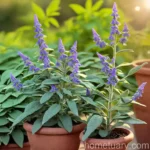
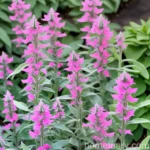
Salvia greggii Mirage Pink, a variety of the Salvia greggii species, is a woody-stemmed subshrub that is native to regions of Texas and Mexico. It is known for its profusion of delicate, tubular pink flowers that bloom atop aromatic, oval-shaped leaves. The plant typically reaches a height of 18-24 inches and spreads to about 24-36 inches, creating a compact and bushy appearance. The vibrant pink blooms of the Autumn Sage plant attract pollinators like bees and butterflies, adding a delightful touch to any garden or landscape.
Key Takeaways – Salvia greggii Mirage Pink (Autumn Sage)
Before delving into the specific aspects of growing and caring for Salvia greggii Mirage Pink, let’s briefly overview the key takeaways for this plant.
- Scientific Name: Salvia greggii Mirage Pink
- Common Name: Autumn Sage
- Plant Type: Perennial subshrub
- Native Habitat: Texas and Mexico
- Growth Habit: Compact and bushy
- Flower Color: Pink
- Foliage: Aromatic, oval-shaped leaves
- Attracts: Bees, butterflies, and other pollinators
- Uses: Ornamental, landscaping, wildlife gardens
With these key details in mind, we can now explore the various dimensions of cultivating and utilizing Salvia greggii Mirage Pink in diverse settings, from home gardens to public spaces and beyond.
Culture
Cultural practices play a vital role in the successful growth and development of Salvia greggii Mirage Pink. These practices encompass various factors such as water requirements, sunlight exposure, soil preferences, and fertilizer application.
Water
Salvia greggii Mirage Pink, similar to many other species in the Salvia genus, thrives in well-draining soil and requires moderate water levels. While these plants exhibit some degree of drought tolerance once established, they benefit from regular watering, particularly during dry spells or extended periods of heat. However, it is essential to avoid overwatering, as excessive moisture can lead to root rot and other potential issues.
Watering Guidelines for Autumn Sage:
- Established Plants: Water deeply but infrequently, allowing the soil to dry out between waterings.
- Newly Planted Specimens: Provide regular watering to facilitate the establishment of a robust root system.
- Container-Grown Autumn Sage: Water container plants when the soil surface feels dry, ensuring proper drainage to prevent waterlogging.
Sunlight
Salvia greggii Mirage Pink is renowned for its adaptability to various light conditions, including full sun to partial shade. In general, providing ample sunlight promotes abundant flowering and sturdy, compact growth. However, in regions with scorching heat or intense sunlight, partial shade during the hottest part of the day can benefit the plants, preventing stress and sunburn. Prioritizing the following sunlight requirements will help ensure optimal performance and blooming of Autumn Sage.
Sunlight Recommendations for Autumn Sage:
- Full Sun: Maintain in areas with at least 6-8 hours of direct sunlight for best flowering results.
- Partial Shade: Provide protection from intense midday sun in hot climates, particularly during peak summer months.
Fertilizer
Fertilization is a critical component of Autumn Sage care, as it contributes to the overall health, vigor, and blooming capacity of the plants. While Salvia greggii Mirage Pink is known for its relatively low-maintenance nature, periodic fertilization can enhance its performance and floral display. Utilizing a balanced, slow-release fertilizer formulated for flowering shrubs or perennial plants is often recommended for sustaining the nutrient requirements of Autumn Sage.
Fertilizer Guidelines for Autumn Sage:
- Timing: Apply fertilizer in early spring, just as new growth begins, and once more in midsummer if necessary.
- Application: Spread a thin layer of fertilizer around the base of the plant, following the dosage instructions provided by the product.
Soil
The soil composition and quality significantly influence the growth and vitality of Salvia greggii Mirage Pink. These plants thrive in well-drained, slightly alkaline to neutral soil with good aeration. Amending heavy clay or compacted soils with organic matter can improve drainage and create an ideal growing environment for Autumn Sage. Additionally, maintaining soil pH within the preferred range supports the effective absorption of essential nutrients from the soil.
Soil Preferences for Autumn Sage:
- Drainage: Ensure effective drainage to prevent waterlogging and root rot.
- Texture: Well-aerated, loamy soil with added organic matter promotes healthy root development.
- pH Range: Slightly alkaline to neutral soil (pH 6.5-7.5) is ideal for optimal growth of Autumn Sage.
Pruning
Pruning is an important horticultural practice that not only shapes the growth of Salvia greggii Mirage Pink but also rejuvenates the plant, promotes flowering, and maintains a tidy appearance. Understanding the principles of proper pruning and the seasonal timing for this activity is essential for cultivating vigorous and visually appealing Autumn Sage specimens.
Pruning Tips for Autumn Sage:
- Timing: Perform major pruning in early spring to remove frost-damaged or overgrown branches.
- Deadheading: Regularly deadhead spent blooms to encourage continuous flowering throughout the growing season.
- Shape Control: Trim back excessive growth to maintain a compact, bushy form and promote lateral branching.
- Winter Cleanup: Conduct light pruning in late winter to remove any dead or diseased wood and shape the plants for the upcoming growing season.
Propagation
Salvia greggii Mirage Pink can be propagated through various methods, including seeds, cuttings, and division. Each propagation technique offers unique advantages and is commonly utilized by both home gardeners and commercial growers to increase the number of plants or cultivate new individuals from existing specimens.
Propagation Methods for Autumn Sage:
- Seed Propagation: Collect and sow seeds in well-draining seed-starting mix, maintaining consistent moisture until germination occurs.
- Cutting Propagation: Take semi-ripe cuttings in summer, dip in rooting hormone, and place in a suitable growing medium to develop roots.
- Division: Divide mature clumps of Autumn Sage in early spring, ensuring that each division has sufficient roots and stems for successful establishment.
Container Popularity
The versatility and compact nature of Salvia greggii Mirage Pink make it an excellent candidate for container gardening. Container-grown Autumn Sage plants not only serve as striking ornamental features on patios, balconies, and other outdoor spaces but also provide an opportunity for individuals with limited garden areas to indulge in its natural beauty.
Container Gardening with Autumn Sage:
- Container Size: Select spacious containers with adequate drainage holes to accommodate the growth habit of Autumn Sage.
- Soil Medium: Use well-draining potting mix tailored for perennials or shrub-like plants.
- Placement: Position containers in areas that receive sufficient sunlight, ensuring suitable air circulation and moisture management.
Common Diseases
While Salvia greggii Mirage Pink is relatively resistant to many pests and diseases, a few common ailments can affect its overall health and vigor. Recognizing the symptoms and implementing appropriate management strategies can help mitigate the impact of these diseases, preserving the beauty and vitality of Autumn Sage in gardens and landscapes.
Disease Diagnosis and Management:
- Powdery Mildew: A fungal disease characterized by powdery white patches on foliage. Improve air circulation and utilize fungicidal sprays as needed.
- Root Rot: Caused by overwatering and poor soil drainage, leading to wilting, yellowing leaves, and root decay. Adjust watering practices and improve soil drainage to prevent root rot.
- Xylella Fastidiosa Infection: A bacterial disease causing leaf scorch, wilting, and stunted growth. Implement disease management measures and consider removing severely affected plants to prevent spread.
Common Pests
Pests can occasionally pose a threat to Salvia greggii Mirage Pink, although these plants are generally resistant to many insect infestations. However, remaining vigilant and promptly addressing any pest issues is crucial for maintaining the wellbeing and ornamental appeal of Autumn Sage in various settings.
Pest Management for Autumn Sage:
- Aphids: Monitor foliage for signs of aphid infestations and use insecticidal soap or natural predators to control their populations.
- Spider Mites: Check for webbing and stippled leaves, and employ neem oil or horticultural oil to manage spider mite outbreaks.
- Whiteflies: Inspect the undersides of leaves for whitefly activity and utilize sticky traps or insecticidal sprays to reduce their numbers.
Botanist’s Tips
Seasoned botanists and horticulturists often provide invaluable insights and tips for cultivating Salvia greggii Mirage Pink with success and achieving the best possible results in growth, flowering, and overall performance.
Botanist’s Recommendations:
- Mulching: Apply a layer of organic mulch around Autumn Sage plants to conserve soil moisture and suppress weed growth.
- Wildlife Gardens: Incorporate Salvia greggii Mirage Pink in wildlife-friendly gardens to attract pollinators and beneficial insects.
- Companion Planting: Pair Autumn Sage with compatible perennials and ornamental grasses for visually appealing combinations and enhanced biodiversity.
Fun Facts
Salvia greggii Mirage Pink, beyond its ornamental value, presents several fascinating attributes and connections that add depth to the appreciation of this charming plant.
Interesting Tidbits about Autumn Sage:
- Culinary Uses: The flowers of Autumn Sage are edible and can be used to garnish salads and desserts, adding a delicate, floral touch to culinary creations.
- Medicinal History: Certain indigenous communities historically utilized Salvia greggii for its purported medicinal properties, including remedies for respiratory issues and other ailments.
With these enriching facts and effective cultivation practices in mind, amateur gardeners, landscape professionals, and plant enthusiasts can approach the growth and care of Salvia greggii Mirage Pink with confidence and enthusiasm.
Links to External Resources
To further expand your knowledge and resources related to Salvia greggii Mirage Pink (Autumn Sage), consider exploring the following links:
- “Salvia greggii: Botanical and Horticultural Overview” – Royal Horticultural Society
- “Autumn Sage: A Desirable Plant for Wildlife Gardens” – National Wildlife Federation
- “Using Salvias in the Garden” – University of Florida IFAS Extension
- “Plant Propagation from Seed” – North Carolina State University Extension
- “Managing Common Diseases in the Garden” – University of California Agriculture and Natural Resources
These resources offer a wealth of information, guidelines, and research findings that can further enhance your understanding and appreciation of Salvia greggii Mirage Pink, supporting your efforts in nurturing and enjoying this captivating plant variety.
Conclusion
Salvia greggii Mirage Pink (Autumn Sage) stands as a splendid representation of the natural beauty and horticultural diversity present within the Salvia genus. Its enchanting pink blooms, aromatic foliage, and adaptability to various growing conditions make it a valuable addition to gardens, landscapes, and horticultural settings. By embracing the cultural practices, uses, propagation techniques, and disease management strategies outlined in this comprehensive guide, you can confidently cultivate and enjoy the exceptional allure and ornamental value of Salvia greggii Mirage Pink in your personal or professional plant endeavors.
Remember to leverage the recommended resources and seek additional guidance from local botanical institutions and horticultural experts to further enrich your knowledge and skills in nurturing Autumn Sage.
Let the remarkable Salvia greggii Mirage Pink (Autumn Sage) inspire your botanical pursuits and bring enduring beauty to your outdoor spaces, encouraging vital ecosystems and captivating visual displays along the way!