Mountain Azalea (Rhododendron Canescens)
In the world of horticulture, the mountain azalea, scientifically known as Rhododendron canescens, is a plant that has enthralled enthusiasts with its.
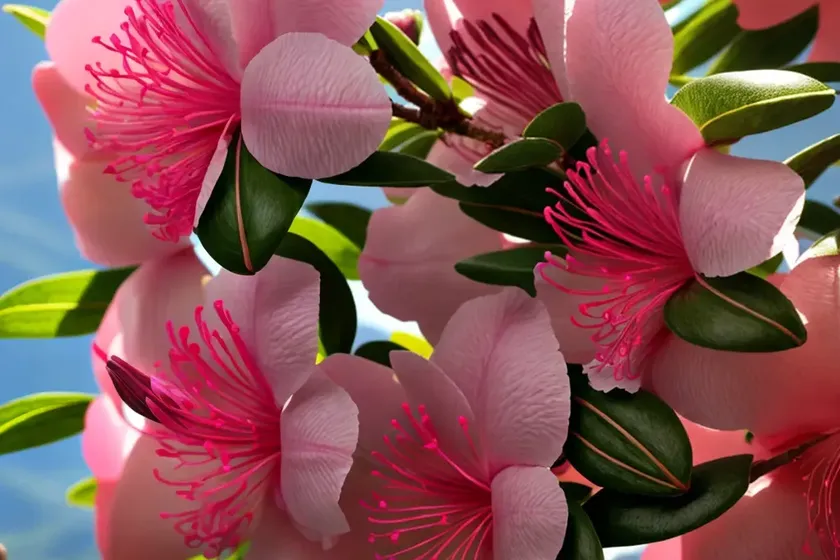
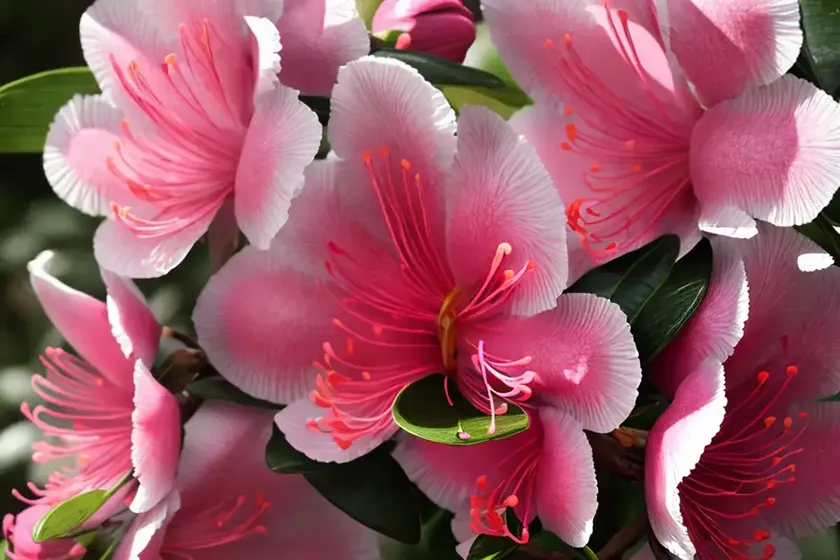
In the world of horticulture, the mountain azalea, scientifically known as Rhododendron canescens, is a plant that has enthralled enthusiasts with its stunning blooms and delicate foliage. Hailing from the southeastern United States, this captivating plant has found its way into gardens and landscapes, charming all who encounter it. In this comprehensive guide, we will delve into the intricacies of the mountain azalea, from its cultural significance to its care requirements and everything in between.
What is the Mountain Azalea (Rhododendron canescens)?
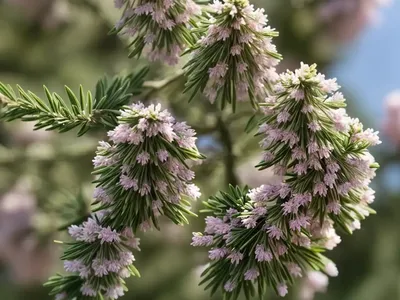
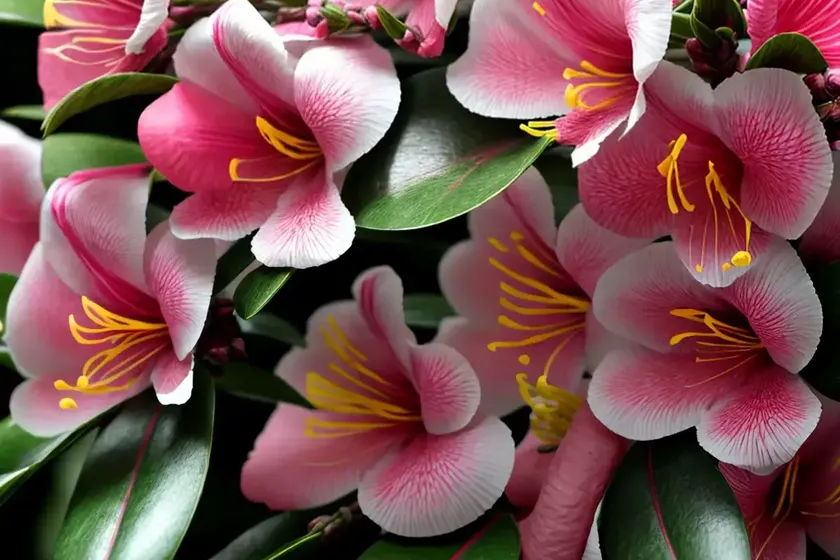
The mountain azalea, a member of the genus Rhododendron, is a deciduous shrub that belongs to the family Ericaceae. Also known as the Piedmont azalea, this plant is native to the Southeastern United States, including regions such as Alabama, Georgia, and Mississippi. It thrives in its natural habitat of open woodlands, stream banks, and acidic soils, where it graces the landscape with its clusters of showy, fragrant flowers. The mountain azalea is renowned for its delicate blooms, which range in color from pale pink to white and exude a delightful fragrance, adding a touch of elegance to any garden or landscape.
Key Takeaways – Mountain Azalea (Rhododendron canescens)
Before delving into the intricacies of the mountain azalea, let’s take a quick look at the key takeaways that we will explore in detail throughout this guide.
- Mountain Azalea Varieties: Exploring the different varieties and cultivars of Rhododendron canescens.
- Rhododendron canescens Information: Understanding the botanical and horticultural aspects of the mountain azalea.
- Growing Mountain Azaleas: Tips for successfully growing and nurturing mountain azaleas.
- How to Care for Mountain Azalea: Comprehensive care guide covering water, sunlight, fertilizer, and pruning.
- Mountain Azalea Plantin Tips: Insights into the best practices for planting mountain azaleas.
- Rhododendron canescens Care Guide: A detailed guide to caring for and maintaining mountain azaleas.
- Mountain Azalea Blooms: Exploring the exquisite blooms of Rhododendron canescens.
- Best Soil for Mountain Azaleas: Understanding the soil requirements for optimal growth.
- Mountain Azalea Pruning Techniques: Insights into pruning and shaping mountain azalea shrubs.
- Rhododendron canescens Propagation: Exploring methods for propagating mountain azaleas.
- Mountain Azalea Landscape Ideas: Creative ideas for incorporating mountain azaleas into landscapes.
- Mountain Azalea Diseases and Pests: Understanding common diseases and pests that affect mountain azaleas.
- Rhododendron canescens Flowering Season: Insights into the seasonal blooming patterns of mountain azaleas.
- Mountain Azalea Characteristics: Understanding the distinctive features and characteristics of Rhododendron canescens.
- Rhododendron canescens Native Habitat: Exploring the natural habitat of mountain azaleas and their ecological significance.
- Mountain Azalea Watering Requirements: Understanding the optimal watering practices for mountain azaleas.
- Growing Tips for Rhododendron canescens: Valuable tips for nurturing healthy and vigorous mountain azaleas.
- Mountain Azalea Companion Plants: Selecting suitable companion plants for mountain azaleas to create stunning garden combinations.
- Rhododendron canescens in Containers: Insights into growing mountain azaleas in containers.
- Mountain Azalea Fertilizer Needs: Understanding the nutritional requirements and fertilizer needs of mountain azaleas.
- Pruning Mountain Azalea Shrubs: Techniques and best practices for pruning mountain azaleas.
- Rhododendron canescens Hardiness Zones: Identifying suitable hardiness zones for cultivating mountain azaleas.
- Mountain Azalea Landscape Design: Creative landscape design ideas incorporating mountain azaleas.
- Mountain Azalea Pests and Diseases: Understanding and mitigating common pest and disease issues.
- Rhododendron canescens Shade Tolerance: Insights into the shade tolerance of mountain azaleas.
- Mountain Azalea Planting Guide: A comprehensive guide to successfully planting mountain azaleas.
- How to Propagate Rhododendron canescens: Methods and techniques for propagating mountain azaleas.
- Mountain Azalea Winter Care: Tips for providing optimal care during the winter months.
- Rhododendron canescens Sunlight Requirements: Understanding the sunlight requirements for mountain azaleas.
- Mountain Azalea Companion Flowers: Selecting complementary flowers to accompany mountain azaleas.
- Mountain Azalea Colors: Exploring the beautiful array of colors exhibited by mountain azaleas.
- Rhododendron canescens Soil pH Preferences: Understanding the soil pH preferences of mountain azaleas.
- Mountain Azalea Pruning Tips: Valuable tips and techniques for pruning mountain azaleas.
- Mountain Azalea Varieties for Different Climates: Identifying suitable Rhododendron canescens varieties for diverse climatic conditions.
- Rhododendron canescens Landscape Uses: The diverse applications of mountain azaleas in landscaping.
- Mountain Azalea Maintenance: Essential maintenance practices for healthy and vigorous mountain azaleas.
- Rhododendron canescens Pest Control: Strategies for controlling pests that affect mountain azaleas.
- Mountain Azalea Container Gardening: Insights into cultivating mountain azaleas in containers.
- Mountain Azalea Blooming Period: Understanding the duration and timing of blooms in mountain azaleas.
- Rhododendron canescens Watering Schedule: Optimal watering schedules for maintaining healthy mountain azaleas.
- Mountain Azalea Landscape Maintenance: Essential maintenance practices for stunning mountain azalea landscapes.
- Rhododendron canescens Companion Shrubs: Selecting suitable companion shrubs to complement mountain azaleas.
- Mountain Azalea Plant Size: Understanding the growth habits and mature size of mountain azaleas.
- Mountain Azalea Soil Requirements: Insights into the specific soil requirements for optimal growth.
- Rhododendron canescens Pruning Methods: Techniques and methods for pruning mountain azaleas.
- Mountain Azalea Indoor Gardening: Tips for cultivating mountain azaleas indoors.
- Mountain Azalea Climate Preferences: Identifying the ideal climatic conditions for mountain azaleas.
- Rhododendron canescens Landscape Design Ideas: Creative ideas for designing landscapes with mountain azaleas.
- Mountain Azalea Mulching Techniques: Effective mulching practices for mountain azaleas.
- Rhododendron canescens Flower Characteristics: Exploring the distinctive characteristics of mountain azalea flowers.
Now, let’s embark on an enchanting journey into the world of mountain azaleas, as we unravel the nuances of their culture, uses, care, and maintenance.
Culture
Understanding the cultural requirements of the mountain azalea is essential for cultivating healthy and vibrant plants. From its native habitat to its adaptability in different landscapes, the cultural aspects shape the plant’s growth and vitality.
Native Habitat
The mountain azalea, Rhododendron canescens, thrives in the natural habitat of the Southeastern United States, where it is prevalent in regions such as Alabama, Georgia, and Mississippi. Within its native habitat, this enchanting shrub graces open woodlands, stream banks, and acidic soils, creating captivating displays of fragrant blooms that captivate the senses.
The plant has adapted to the well-drained, acidic soils of its natural environment, and it thrives in locations with partial shade, ensuring that it receives adequate sunlight for robust growth and blooming. The ecological significance of the mountain azalea in its native habitat underscores its value as a native plant species, contributing to the biodiversity and natural beauty of its surroundings.
Landscape Uses
In horticulture, mountain azaleas have gained popularity as ornamental shrubs, often incorporated into landscapes to add a touch of elegance and vibrancy. Their delicate blooms and graceful foliage make them a captivating addition to woodland gardens, naturalistic landscapes, and even urban gardens when provided with suitable growing conditions. Additionally, they are often used in mass planting or as border plants to create stunning displays of color and fragrance.
Incorporating mountain azaleas into landscapes requires an understanding of their cultural requirements, such as soil acidity, moisture levels, and sunlight exposure. When strategically positioned in gardens and landscapes, they can create enchanting focal points and contribute to the overall aesthetic appeal of the outdoor space.
Adaptability
While the mountain azalea flourishes in its native habitat, it has also demonstrated adaptability to diverse environments, provided that its basic cultural requirements are met. With a preference for acidic, well-drained soils and partial shade, mountain azaleas can be successfully cultivated in a variety of settings, from woodlands and naturalistic landscapes to urban gardens and container plantings.
Cultivars and hybrids, developed through selective breeding, have expanded the adaptability of mountain azaleas, offering a wider range of options for gardeners and landscapers seeking to incorporate these enchanting plants into diverse environments.
Uses
The mountain azalea, with its alluring blooms and graceful foliage, is valued for its diverse uses, ranging from ornamental landscaping to cultural and ecological significance within its native habitat. Understanding the multifaceted uses of the mountain azalea sheds light on its broader importance and impact.
Ornamental Landscaping
One of the primary uses of the mountain azalea is its ornamental value in landscaping. Whether grown as standalone specimens, mass plantings, or border plants, these enchanting shrubs elevate the visual appeal of gardens and landscapes with their fragrant blooms and vibrant foliage. Their versatility in design and landscape applications makes them an ideal choice for adding year-round interest and color to outdoor spaces.
Given their adaptability to partial shade and acidic soils, mountain azaleas are often included in woodland gardens, shaded borders, and naturalistic landscapes, where they thrive alongside companion plants and contribute to the overall beauty and biodiversity of the environment.
Ecological Significance
In their native habitat, mountain azaleas play a significant ecological role, contributing to the diversity of plant species and providing essential habitats for pollinators and wildlife. The delicate blooms of Rhododendron canescens attract pollinators such as bees and butterflies, supporting the ecological balance and biodiversity of their natural surroundings.
The plant’s adaptation to acidic soils and partial shade exemplifies its resilience and ecological niche within the ecosystem, highlighting its importance in maintaining healthy and diverse plant communities.
Cultural and Historical Significance
Beyond its ornamental and ecological value, the mountain azalea holds cultural and historical significance, particularly in regions where it is native. Its delicate blooms and graceful presence have inspired artistic and cultural expressions, including literature, visual arts, and folklore, where it is celebrated for its beauty and symbolism.
Furthermore, the mountain azalea’s historical uses in traditional medicine and folklore underscore its cultural significance, as it has been revered for its potential medicinal properties and spiritual symbolism among indigenous communities and folk traditions.
Care
Caring for mountain azaleas entails understanding their specific requirements for water, sunlight, soil, fertilizer, pruning, and propagation. By providing optimal care and maintenance, gardeners and horticulturists can ensure the health, vigor, and blooming of these enchanting shrubs.
Water
Watering Requirements: Mountain azaleas thrive in consistently moist, well-drained soil, particularly during the growing season and periods of drought. While they are tolerant of brief dry spells, it is essential to maintain adequate moisture levels, especially during the establishment phase and hot summer months.
-
Watering Frequency: Water mountain azaleas regularly, ensuring that the soil remains consistently moist but not waterlogged. During hot weather or dry periods, supplemental watering may be necessary to maintain adequate moisture levels.
-
Mulching: Applying a layer of organic mulch, such as pine bark or wood chips, around the base of mountain azaleas helps retain soil moisture and reduces moisture loss through evaporation. Additionally, mulching provides insulation and protects the shallow root system during temperature fluctuations.
-
Avoiding Waterlogged Soil: While mountain azaleas prefer moist soil, they are susceptible to root rot and other moisture-related issues in waterlogged conditions. Therefore, it is crucial to ensure proper drainage and avoid overwatering, particularly in heavy clay soils.
Sunlight
Sunlight Requirements: Mountain azaleas thrive in partial shade to filtered sunlight, making them well-suited for woodlands, shaded borders, and protected garden areas. While they can tolerate some morning sun, they prefer dappled light or gentle shading during the hottest part of the day to prevent leaf scorch and maintain their vibrant foliage.
-
Site Selection: When planting mountain azaleas, select locations with partial shade or filtered sunlight, such as beneath deciduous trees, along the edges of woodland areas, or in areas protected from intense afternoon sun. These sites provide the ideal light conditions for robust growth and prolific blooms.
-
Protection from Harsh Sun: In regions with intense sunlight, it is essential to protect mountain azaleas from direct afternoon sun, which can lead to leaf burn and moisture stress. Positioning them in locations with gentle morning sun and shade in the afternoon helps maintain their health and vitality.
-
Morning Sun Tolerance: While mountain azaleas are adaptable to partial shade, they can tolerate some morning sun, especially in cooler climates or during the spring and fall seasons. Observing their response to sunlight throughout the day provides insights into their specific light requirements.
Fertilizer
Fertilizer Needs: Providing the appropriate nutrients is essential for sustaining the vigor and blooming of mountain azaleas. Understanding their fertilizer requirements and applying the right nutrients at the proper times contribute to healthy growth and vibrant blooms.
-
Acidic Fertilizer: Mountain azaleas benefit from acidic fertilizers formulated for acid-loving plants, such as those specifically designed for rhododendrons, azaleas, and camellias. These fertilizers provide essential nutrients while maintaining the soil pH within the acidic range preferred by mountain azaleas.
-
Seasonal Fertilization: Apply fertilizer to mountain azaleas in early spring, before new growth begins, using a balanced acidic fertilizer or a formula designed for rhododendrons and azaleas. Avoid late-season fertilization, as it can stimulate new growth that may be susceptible to cold damage.
-
Slow-Release Fertilizer: Incorporating slow-release fertilizers into the soil around mountain azaleas provides a steady supply of nutrients over an extended period, reducing the risk of leaching and ensuring consistent nourishment for the plants.
-
Avoiding Excessive Fertilization: While providing adequate nutrients is important, it is crucial to avoid excessive fertilization, which can lead to nutrient imbalances, burn the roots, and disrupt the natural growth patterns of mountain azaleas. Following the recommended fertilization rates and schedules contributes to balanced and healthy plant growth.
Soil
Soil Requirements: Mountain azaleas thrive in acidic, well-drained soil with a pH range of approximately 4.5 to 6.0, creating the ideal conditions for healthy root development and nutrient uptake. Understanding their soil preferences and making appropriate amendments ensure the longevity and vitality of these captivating shrubs.
-
Acidic Soil pH: Test the soil pH in the intended planting area to ensure that it falls within the acidic range favored by mountain azaleas. Amending the soil with organic matter, such as pine bark, peat moss, or compost, helps maintain the desired pH and improves soil structure.
-
Well-Drained Soil: Ensure that the soil offers good drainage, as mountain azaleas are susceptible to root rot and other moisture-related issues in waterlogged conditions. Incorporating organic amendments and creating raised beds in heavy clay soils enhance drainage and promote optimal root health.
-
Checking Soil Moisture: Monitor soil moisture levels regularly, particularly during the growing season, and adjust watering practices based on the specific drainage and moisture retention characteristics of the soil. Observing the response of mountain azaleas to soil moisture provides insights into their specific requirements.
Pruning
Pruning Techniques: Pruning mountain azaleas contributes to maintaining their shape, promoting blooming, and ensuring overall health and vigor. Regular pruning removes dead or overgrown branches, encourages new growth, and shapes the shrubs to enhance their aesthetic appeal.
-
Pruning Timing: Perform pruning tasks immediately after the blooming period, typically in late spring or early summer, to avoid removing flower buds and disrupting the next season’s blooms. Early pruning allows the shrubs to recover and develop new growth before the onset of cooler weather.
-
Deadheading Blooms: Removing spent blooms after flowering helps redirect the plant’s energy toward new growth and bud formation for the following season. Carefully snipping off faded flowers at their base encourages an attractive appearance and maintains the plant’s vitality.
-
Thinning Branches: Thin out crowded or crossed branches to improve air circulation and light penetration within the shrub, reducing the risk of diseases and promoting healthy growth. Pruning shears or loppers can be used to selectively remove excess growth while maintaining the natural form of the shrub.
-
Shaping and Rejuvenation: Shaping the shrub and rejuvenating older plants involves selectively trimming branches to create a balanced and pleasing form. Careful pruning can invigorate overgrown or leggy specimens, encouraging new growth and maintaining the plant’s vigor.
Propagation
Propagation Methods: Propagating mountain azaleas allows gardeners and horticulturists to expand their collection, share plants with others, and preserve cherished cultivars. Understanding the various propagation methods and selecting suitable approaches contribute to successful reproduction of these enchanting shrubs.
-
Softwood Cuttings: Propagate mountain azaleas from softwood cuttings taken in early summer, when new growth is tender and flexible. Select healthy, non-flowering shoots and carefully prepare cuttings with a sharp, clean blade before rooting them in a moist, well-drained medium.
-
Layering: Propagating mountain azaleas through layering involves bending a low-hanging branch to the ground and encouraging it to root while still attached to the parent plant. Once roots have developed, the new plant can be separated from the parent, creating an independent specimen.
-
Division: Dividing mature mountain azaleas allows for the multiplication of plants and the rejuvenation of crowded or overgrown specimens. Carefully dividing the plant’s root ball into sections with healthy shoots and roots provides viable divisions ready for transplanting.
-
Air Layering: Encouraging root formation on an upper portion of a branch while it is still attached to the parent plant enables the production of rooted, independent plants. This method allows for the creation of new plants from selected branches without the need for separating them immediately.
Container
Container Gardening: Growing mountain azaleas in containers extends their versatility, allowing for captivating displays on patios, balconies, and outdoor living spaces. Understanding the specific considerations for container gardening ensures the health and vigor of mountain azaleas in confined growing environments.
- **Container