The Evergreen Azalea: Rhododendron ‘Red Red’
Introduction
Welcome to our comprehensive guide to the evergreen azalea, specifically the Rhododendron ‘Red Red’ cultivar. In this guide, we will delve into various aspects of this beautiful plant, including its cultural requirements, uses, maintenance, and common diseases and pests. Whether you are an experienced gardener or just starting out, you will find valuable insights that will help you grow and care for this stunning evergreen shrub.
What is the Evergreen Azalea (Rhododendron ‘Red Red’)?
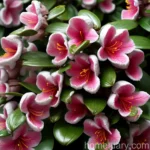
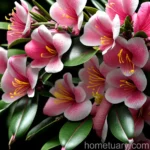
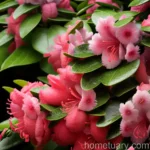
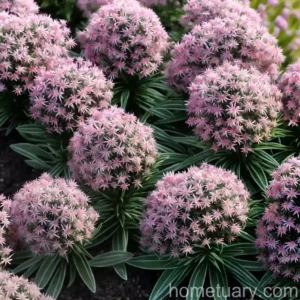
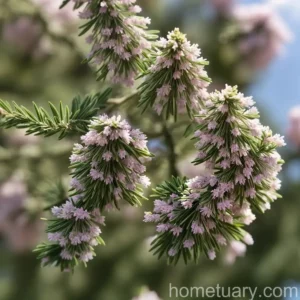
The evergreen azalea, scientifically known as Rhododendron ‘Red Red’, is a popular shrub that belongs to the Rhododendron genus. This particular cultivar is renowned for its vibrant red flowers and evergreen foliage, making it a prized addition to gardens and landscapes.
Key Takeaways
Before we delve into the specific aspects of the Rhododendron ‘Red Red’, let’s have a quick look at the key takeaways of this plant:
- Plant Name: Rhododendron ‘Red Red’
- Common Names: Evergreen azalea, red rhododendron, red-flowered azalea
- Characteristics: Evergreen foliage, vibrant red flowers
- Cultural Requirements: Moderate water, partial sunlight, well-draining acidic soil
- Uses: Ornamental garden plant, landscape specimen
- Maintenance: Regular pruning, careful propagation, disease and pest management
Culture
Water
One of the critical aspects of caring for the Rhododendron ‘Red Red’ is its water requirements. This evergreen azalea generally prefers moderate moisture levels, and it is essential to ensure that the soil remains moist but well-drained. Overwatering can lead to root rot, while underwatering can cause stress and inhibit blooming.
To maintain optimal moisture levels:
- Watering Frequency: During the growing season, water the plant regularly, especially during dry periods. Aim to keep the soil consistently moist but not waterlogged.
- Mulching: Applying a layer of organic mulch around the base of the plant can help retain soil moisture and regulate temperature, benefiting the evergreen azalea’s overall health.
Sunlight
In terms of sunlight requirements, the Rhododendron ‘Red Red’ thrives best in partial shade or filtered sunlight. While it appreciates some direct sunlight, especially during the morning hours, it is essential to protect it from intense midday and afternoon sun, which can scorch the delicate foliage and flowers.
To ensure the right balance of sunlight:
- Placement: Plant the evergreen azalea in a location where it receives morning sun and afternoon shade. This can be achieved by positioning it under the canopy of taller trees or in a spot with dappled sunlight.
- Shade Cloth: If the plant is exposed to excessive sunlight, especially in warmer climates, consider using shade cloth or other shading materials to protect it from direct heat.
Fertilizer
Proper fertilization is crucial to promoting healthy growth and vibrant blooms in the Rhododendron ‘Red Red’. The evergreen azalea benefits from fertilizers specifically formulated for acid-loving plants, such as those designed for rhododendrons, azaleas, or camellias.
To effectively fertilize the Rhododendron ‘Red Red’:
- Acidic Fertilizer: Use a balanced, slow-release fertilizer designed for acid-loving plants. Look for formulations with a low pH to cater to the evergreen azalea’s soil preferences.
- Timing: Apply fertilizer in early spring before new growth emerges, and avoid fertilizing in late summer or early fall, as this can stimulate late-season growth that may be vulnerable to winter damage.
Soil
The soil requirements of the Rhododendron ‘Red Red’ are essential for its overall health and performance. As an acid-loving plant, it thrives in well-draining, acidic soil with a pH range of 5.0 to 6.0. Soil that is too alkaline can lead to nutrient deficiencies and adversely affect the plant’s vitality.
To ensure the right soil conditions for the evergreen azalea:
- Soil Amendment: If your soil is not naturally acidic, consider amending it with organic matter such as peat moss, pine bark, or compost to lower the pH and improve drainage.
- Soil Testing: Periodically test the soil pH to monitor acidity levels and make necessary adjustments. Home testing kits or professional soil analysis can provide valuable insights into the soil composition.
Pruning
Pruning is an essential aspect of maintaining the shape, size, and overall health of the Rhododendron ‘Red Red’. Proper pruning can encourage new growth, stimulate blooming, and remove dead or diseased branches, ensuring the plant remains vigorous and attractive.
Key considerations for pruning the evergreen azalea include:
- Timing: The best time to prune the Rhododendron ‘Red Red’ is shortly after it has finished flowering, typically in late spring or early summer. This allows ample time for new growth to develop and set buds for the following season.
- Techniques: Use sharp, clean pruning shears to selectively trim back overgrown or wayward branches. Focus on maintaining the plant’s natural form while removing any damaged or crossing branches.
Propagation
Propagating the Rhododendron ‘Red Red’ allows gardeners to create new plants from existing ones, whether for expanding their garden or sharing with fellow enthusiasts. While the evergreen azalea can be propagated through various methods, including seed sowing and air layering, one of the most common and reliable techniques is stem cuttings.
Stem Cutting Propagation:
-
Selecting Cuttings: Choose healthy, non-flowering shoots from the current season’s growth, preferably in late spring or early summer. Each cutting should be around 4 to 6 inches long and include several sets of leaves.
-
Preparing Cuttings: Remove the lower set of leaves from each cutting and dip the cut end in a rooting hormone powder to enhance the development of roots.
-
Planting Cuttings: Insert the prepared cuttings into a well-draining potting mix or rooting medium, ensuring that at least one set of leaf nodes is buried below the surface.
-
Rooting Conditions: Provide consistent moisture and warmth for the cuttings, maintaining high humidity by covering them with a clear plastic dome or placing them in a humidity chamber.
-
Transplanting: Once the cuttings have developed a healthy root system, carefully transplant them into individual pots and continue to care for them as they establish themselves.
By following these steps, gardeners can successfully propagate new plants from the Rhododendron ‘Red Red’, ensuring a steady supply of these beautiful evergreen azaleas in their landscape.
Container Popularity
The Rhododendron ‘Red Red’ is a popular choice for container gardening, offering versatility and vibrant beauty in compact spaces. When grown in containers, this evergreen azalea adds a splash of color to patios, balconies, and small gardens, and allows gardeners to create stunning displays with minimal effort.
Container Common Diseases
While growing the evergreen azalea in containers offers numerous advantages, it is essential to be mindful of potential diseases that can affect the plants in these confined environments. Common diseases that can impact container-grown Rhododendron ‘Red Red’ include:
- Root Rot: Overwatering and poorly draining soil can lead to root rot, causing the plant to wilt and decline.
- Powdery Mildew: Humid conditions and poor air circulation may promote powdery mildew, characterized by a white powdery coating on the foliage.
- Leaf Spot: Fungal leaf spot diseases can affect the appearance and health of the plant, leading to blemished and discolored foliage.
Disease Diagnosis
To effectively diagnose and manage diseases in container-grown Rhododendron ‘Red Red’, gardeners should closely monitor the plants for symptoms and take proactive measures to maintain their health.
Key steps in disease diagnosis and management include:
- Symptom Recognition: Regularly inspect the foliage, stems, and roots for signs of discoloration, wilting, mold, or unusual growth patterns.
- Cultural Practices: Implement proper watering, good drainage, and adequate air circulation to minimize disease risk in container-grown evergreen azaleas.
- Treatment Options: If disease symptoms are detected, promptly treat the plants with appropriate fungicides or other disease control products to limit the spread and impact of the diseases.
Common Pests
In addition to diseases, the Rhododendron ‘Red Red’ may also encounter various pests that can affect its well-being and aesthetics. Common pests that gardeners should be vigilant about when cultivating evergreen azaleas include:
- Azalea Lace Bug: These small, winged insects can cause stippling and discoloration on the foliage, impacting the plant’s overall vitality.
- Spider Mites: These tiny arachnids can infest the foliage, causing fine webbing and stippled, discolored leaves as they feed on the plant’s juices.
- Scale Insects: Scales attach themselves to the stems and leaves, sucking sap from the plant and potentially weakening it over time.
Botanist’s Tips
To ensure the successful growth and maintenance of the Rhododendron ‘Red Red’, here are some expert tips and recommendations from plant specialists and botanists:
- Soil Testing: Periodically test the soil pH and nutrient levels to provide a suitable growing environment for the evergreen azalea.
- Mulching: Apply organic mulch around the base of the plant to conserve moisture, regulate soil temperature, and suppress weed growth.
- Pruning Techniques: Use sterilized pruning tools and prune carefully to avoid damaging the plant and encourage healthy growth and flowering.
- Pest and Disease Management: Regularly inspect the plant for pests and diseases and take proactive measures to address any issues promptly.
Fun Facts
As we delve into the world of the Rhododendron ‘Red Red’, here are some fascinating and fun facts about this evergreen azalea:
- The Rhododendron genus includes over 1,000 species, ranging from small shrubs to towering trees, and are renowned for their showy flowers and diverse foliage.
- Azaleas are part of the Rhododendron genus, and while the terms are often used interchangeably, azaleas typically have smaller leaves and flowers compared to other rhododendron species.
Links to External Resources
For further information and resources on the Rhododendron ‘Red Red’ and azalea cultivation, explore the following links:
- American Rhododendron Society
- The Rhododendron Species Foundation & Botanical Garden
- Royal Horticultural Society – Azaleas and Rhododendrons
- Azalea Society of America
In conclusion, the evergreen azalea, specifically the Rhododendron ‘Red Red’, offers a captivating combination of vibrant blooms and year-round greenery, making it a prized addition to gardens and landscapes. By understanding its cultural requirements, maintenance practices, and potential challenges, gardeners can cultivate and enjoy this beautiful shrub with confidence and success. Whether as a container plant, a focal point in the landscape, or a propagative endeavor, the Rhododendron ‘Red Red’ continues to captivate enthusiasts and bring joy with its stunning display of red flowers and evergreen charm.