The Marvel of Dwarf Spanish Heath (Erica Umbellata)
Plants are not just green organisms that decorate our surroundings; they are living beings that have remarkable characteristics and play an essential role in our ecosystem. One such enchanting plant is Dwarf Spanish Heath (Erica Umbellata), which holds a special place in the botanical realm. In this comprehensive guide, we will delve into the intricate details of this captivating plant, exploring its culture, uses, care, and maintenance. Whether you are a gardening enthusiast or a professional horticulturist, you will find invaluable insights into maximizing the beauty and vibrancy of the Dwarf Spanish Heath.

What is Dwarf Spanish Heath (Erica Umbellata)?
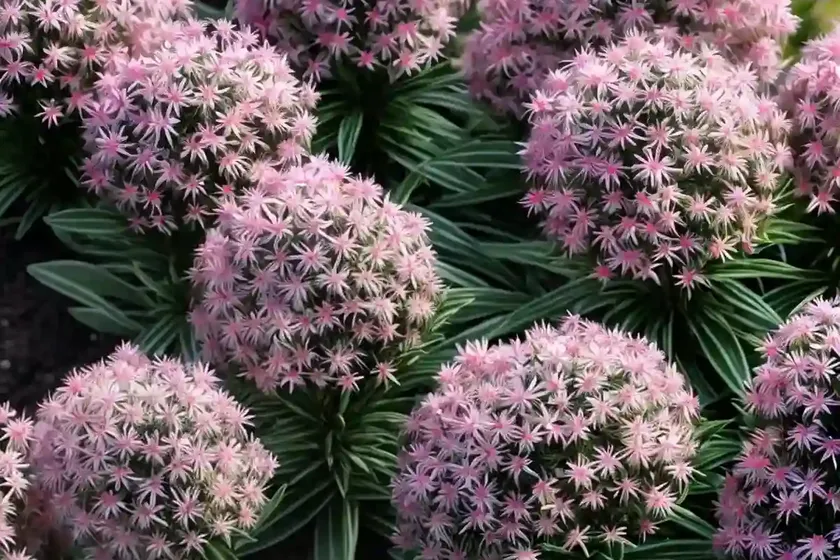
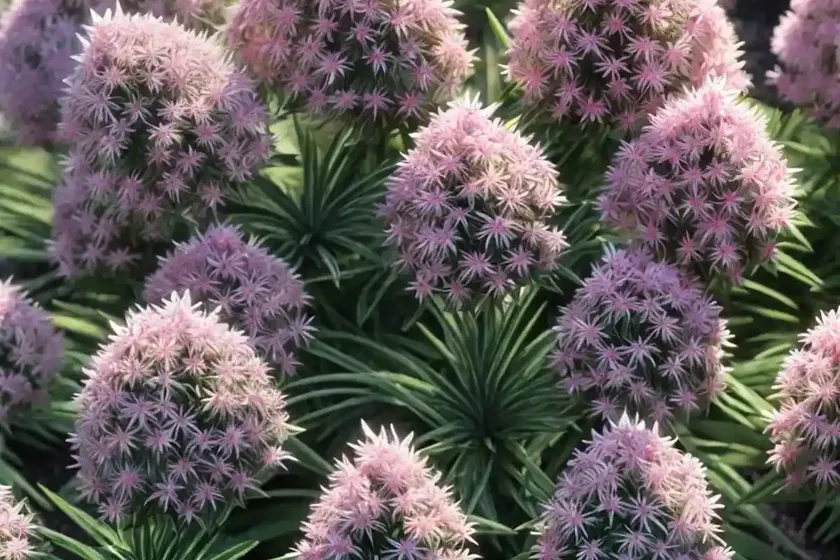
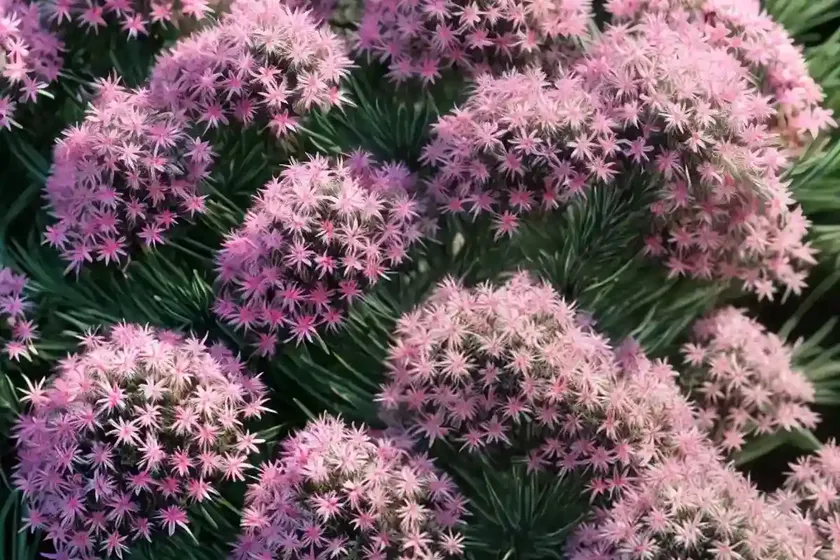
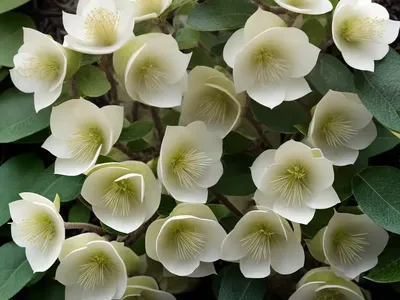
Dwarf Spanish Heath, scientifically known as Erica Umbellata, is a small, evergreen shrub belonging to the Erica genus. It is native to the Iberian Peninsula and is renowned for its delicate, urn-shaped flowers that bloom in a variety of captivating hues, including shades of pink, white, and lavender. This charming plant is a favorite among gardeners due to its compact size, low maintenance requirements, and its ability to thrive in diverse environmental conditions.
Dwarf Spanish Heath is a visually striking addition to any landscape, with its dense foliage and profusion of small, bell-shaped blossoms. It offers an array of uses, from ornamental purposes in gardens to serving as a delightful ground cover in rock gardens and horticultural landscapes.
Key Takeaways – Dwarf Spanish Heath (Erica Umbellata)
Before delving into the finer details of Dwarf Spanish Heath, let’s take a look at the key takeaways that this article will cover:
- Culture
- Uses
- Water Requirements
- Sunlight Needs
- Fertilization
- Soil Preferences
- Pruning Techniques
- Propagation Methods
- Container Gardening
- Common Diseases
- Disease Diagnosis
- Common Pests
- Botanist’s Tips
- Fun Facts
- Links to External Resources
Now, let’s embark on an exploration of the enchanting world of Dwarf Spanish Heath.
Culture
Uses
Dwarf Spanish Heath, being a versatile plant, finds a multitude of uses in various settings. Some of its common uses include:
- Ornamental Plant: The alluring beauty of Dwarf Spanish Heath makes it an excellent choice for ornamental planting in gardens, borders, and containers.
- Ground Cover: Its compact growth habit and abundant flowering make it an ideal ground cover, creating a carpet of vibrant colors in landscaping.
- Rock Gardens: The low-growing nature of Dwarf Spanish Heath makes it perfect for rock gardens, adding an exquisite touch to rocky landscapes.
- Horticultural Landscapes: Its ability to thrive in different soil types and conditions makes it a valuable addition to horticultural landscapes, providing aesthetic appeal and diversity in plantings.
Water
Dwarf Spanish Heath has moderate water requirements and prefers well-drained soil, as it dislikes soggy conditions. During the growing season, it’s important to ensure that the soil is consistently moist but not waterlogged. Adequate watering is crucial for the establishment and healthy growth of the plant. However, it’s essential to avoid overwatering, as it can lead to root rot and other detrimental conditions. Providing water in the morning allows excess moisture to evaporate during the day, reducing the risk of fungal diseases and ensuring optimal water uptake by the plant.
Sunlight
In terms of sunlight, Dwarf Spanish Heath thrives in full sun to partial shade. It appreciates ample sunlight for robust growth and prolific flowering. When planted in regions with intense heat, providing partial shade during the hottest part of the day can prevent stress and sunburn on the foliage. However, in cooler climates, full sun exposure is generally well-tolerated by the plant. Understanding the sunlight preferences of Dwarf Spanish Heath is crucial for ensuring its vitality and vibrant blossoms.
Fertilizer
The application of fertilizer can significantly enhance the growth and flowering performance of Dwarf Spanish Heath. A balanced, slow-release fertilizer formulated for acid-loving plants is recommended. Fertilization should be carried out in early spring, before the onset of active growth, to provide essential nutrients for the upcoming growing season. Care should be taken to avoid excessive application of fertilizer, as it can lead to salt buildup in the soil and cause nutrient imbalances.
Soil
Dwarf Spanish Heath thrives in acidic, well-drained soils with a pH range of 4.5 to 6.0. It’s crucial to ensure that the soil is rich in organic matter and is well-aerated, as compacted or waterlogged soil can detrimentally impact the plant’s health. Amending the soil with organic matter such as peat moss, compost, or pine bark can improve its structure, drainage, and nutrient retention capacity. Understanding the soil requirements of Dwarf Spanish Heath is fundamental for creating an optimal growing environment for the plant.
Pruning
Pruning plays a crucial role in maintaining the shape, density, and overall health of Dwarf Spanish Heath. Regular pruning helps to remove dead or diseased branches, stimulate new growth, and shape the plant according to the desired form. Pruning should be carried out right after the flowering period to encourage the development of new flower buds for the following season. It’s essential to use sharp, sterile pruning tools to make clean cuts without causing damage to the plant. Proper pruning techniques and timing are essential for ensuring the longevity and vitality of Dwarf Spanish Heath.
Propagation
Dwarf Spanish Heath can be propagated through various methods, including:
- Seeds: Propagation from seeds is a viable option, though it requires patience, as it may take some time for the plants to reach maturity and start flowering.
- Cuttings: Taking stem cuttings from healthy, established plants is a common method of propagation. The cuttings should be treated with rooting hormone and placed in a well-draining rooting medium to develop roots.
- Layering: Another effective method involves air layering, where a stem is partially wounded and covered with soil to encourage the growth of roots. Once roots have developed, the stem can be separated and transplanted.
Understanding the propagation techniques of Dwarf Spanish Heath is valuable for expanding its presence in the garden or propagating it for commercial purposes.
Container Popularity
Dwarf Spanish Heath is a popular choice for container gardening, owing to its compact size, vibrant blossoms, and low maintenance requirements. It can be grown in various types of containers, ranging from decorative pots to hanging baskets, adding visual appeal to patios, balconies, and other outdoor spaces. When grown in containers, it’s important to ensure that the soil is well-drained and to provide regular watering and fertilization to support healthy growth and flowering.
Common Diseases
Dwarf Spanish Heath is relatively resistant to diseases, but it can occasionally be affected by certain fungal infections and other common plant diseases. Some of the common diseases that may affect Dwarf Spanish Heath include:
- Powdery Mildew: This fungal disease appears as a white, powdery substance on the foliage, causing stunted growth and reduced flowering.
- Root Rot: Overwatering and waterlogged soil can lead to root rot, causing the plant to wilt and exhibit other symptoms of stress.
Disease Diagnosis
Diagnosing and managing diseases in Dwarf Spanish Heath involves careful observation and prompt intervention. Regular inspection of the plant for any signs of disease, such as discolored or distorted foliage, stunted growth, or the presence of powdery mildew, can help in early detection and treatment. Proper cultural practices, such as providing adequate air circulation, avoiding overhead watering, and maintaining optimal soil moisture, can contribute to disease prevention.
Common Pests
While Dwarf Spanish Heath is relatively resistant to pests, it can still be susceptible to infestations by certain insects. Some of the common pests that may affect Dwarf Spanish Heath include:
- Spider Mites: These minuscule pests can cause stippling and webbing on the foliage, leading to weakened plants.
- Aphids: These sap-sucking insects can distort new growth and excrete honeydew, attracting sooty mold and compromising the plant’s vigor.
Botanist’s Tips
To ensure the successful cultivation of Dwarf Spanish Heath, consider the following tips from botanists and horticultural experts:
- Site Selection: Choose a well-drained site with ample sunlight and good air circulation for planting Dwarf Spanish Heath.
- Mulching: Apply a layer of organic mulch around the plant to conserve soil moisture, suppress weed growth, and provide insulation to the roots.
- Pruning Best Practices: Use clean, sharp pruning tools and make precise cuts when pruning Dwarf Spanish Heath to minimize the risk of disease transmission and damage to the plant.
Fun Facts
- The genus Erica, to which Dwarf Spanish Heath belongs, comprises over 800 species, demonstrating the remarkable diversity within this group of plants.
- Dwarf Spanish Heath is a valuable source of nectar for pollinators, attracting butterflies, bees, and other beneficial insects to the garden.
Links to External Resources
For further information on Dwarf Spanish Heath and related topics, the following external resources can provide valuable insights:
- The Royal Horticultural Society – Growing Heathers
- University of Florida Extension – Erica Umbellata Fact Sheet
- The American Rhododendron Society – Heath and Heather Care Guides
By exploring these external resources, you can gain a deeper understanding of Dwarf Spanish Heath and its cultivation, care, and diverse applications.
In conclusion, Dwarf Spanish Heath, with its enchanting flowers and adaptable nature, continues to captivate the hearts of gardening enthusiasts and horticulturists alike. Its cultural significance, uses, and maintenance requirements highlight its exceptional value in horticultural landscapes and ornamental plantings. By incorporating the insights provided in this guide, you can embark on a rewarding journey of growing, cultivating, and appreciating the remarkable beauty of Dwarf Spanish Heath.
This comprehensive guide aims to empower individuals with the knowledge and tools necessary to cultivate and care for Dwarf Spanish Heath, contributing to the preservation and celebration of this exquisite plant species.
nlpKeywords
Spanish Heath
Erica Umbellata
Dwarf Erica Umbellata
Heath plant
Heath flowers
Dwarf Spanish Heath
Erica Umbellata plants
Erica Umbellata care
Erica Umbellata varieties
Erica Umbellata gardening
Erica Umbellata landscape
Erica Umbellata for beginners
Erica Umbellata characteristics
Erica Umbellata growth habits
Erica Umbellata pruning
Erica Umbellata propagation
Erica Umbellata soil requirements
Erica Umbellata sunlight needs
Erica Umbellata water requirements
Erica Umbellata disease prevention
Erica Umbellata pests control
Erica Umbellata flowering season
Erica Umbellata companion plants
Erica Umbellata container gardening
Erica Umbellata in rock gardens
Erica Umbellata ground cover
Erica Umbellata horticulture
Erica Umbellata landscaping ideas
Erica Umbellata plant care tips
Erica Umbellata plant selection
Erica Umbellata hardiness zones
Erica Umbellata native habitat
Erica Umbellata wildlife attracting
Erica Umbellata medicinal uses
Erica Umbellata garden design
Erica Umbellata colors
Erica Umbellata foliage
Erica Umbellata pollinators
Erica Umbellata naturalizing
Erica Umbellata seasonal interest
Low-maintenance Erica Umbellata
Drought-tolerant Erica Umbellata
Erica Umbellata plant arrangements
Erica Umbellata scented varieties
Erica Umbellata for small spaces
Erica Umbellata soil amendments
Erica Umbellata flowering tips
Erica Umbellata pruning techniques
Erica Umbellata landscape design
Erica Umbellata maintenance