Rhododendron ‘Klondyke’ : A Comprehensive Guide to Care and Cultivation
Introduction to Rhododendron ‘Klondyke’
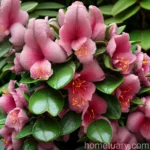
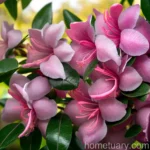
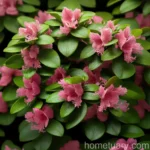
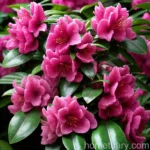
Rhododendron ‘Klondyke’ is a stunning, vibrant yellow-flowered shrub that belongs to the Rhododendron genus. This particular variety is renowned for its striking beauty and is a popular choice among gardeners and landscape enthusiasts. In this comprehensive guide, we will delve into the various aspects of caring for and cultivating Rhododendron ‘Klondyke’, offering valuable insights into its culture, maintenance, and the best practices for ensuring its optimal growth.
Key Takeaways
Before we delve into the specifics of Rhododendron ‘Klondyke’, let’s take a moment to highlight some key takeaways about this remarkable plant:
- Rhododendron ‘Klondyke’ is a stunning yellow-flowered shrub that belongs to the Rhododendron genus.
- It requires well-drained, acidic soil and thrives in partial shade.
- Regular watering and adequate fertilization are crucial for promoting healthy growth and vibrant blooms.
- Proper pruning and maintenance practices can help shape the plant and encourage abundant flowering.
- This variety is susceptible to certain diseases and pests, requiring vigilant monitoring and preventative measures.
With these key points in mind, let’s explore the intricacies of caring for and cultivating Rhododendron ‘Klondyke’ in greater detail.
Culture
The culture of Rhododendron ‘Klondyke’ encompasses the various environmental and maintenance factors that contribute to its overall well-being and growth. Understanding its cultural requirements is essential for creating an optimal environment for the plant to thrive.
Water
Rhododendron ‘Klondyke’ benefits from consistent and adequate moisture, particularly during dry spells and periods of intense heat. However, it is crucial to strike a balance, as excessive waterlogging can lead to root rot and other detrimental conditions. When watering the plant, it is advisable to ensure that the soil remains consistently moist but not waterlogged.
Sunlight
This variety of Rhododendron generally thrives in partially shaded locations. While it can tolerate some direct sunlight, especially during the morning hours, it is best suited for areas with filtered light or partial shade. Avoid exposing it to harsh, intense sunlight, as this may lead to leaf scorch and diminished overall health.
Fertilizer
Fertilization is an important aspect of caring for Rhododendron ‘Klondyke’. Applying a balanced, acidic fertilizer designed for acid-loving plants in spring is beneficial for promoting healthy growth and prolific flowering. It is essential to follow the product’s instructions and avoid over-fertilizing, as this can lead to nutrient imbalances and potential harm to the plant.
Soil
The soil requirements of Rhododendron ‘Klondyke’ play a significant role in its overall health and vitality. It thrives in well-drained, acidic soil with a pH level between 4.5 and 6.0. It is advisable to amend the soil with organic matter such as peat moss and ensure good drainage to prevent waterlogging.
Pruning
Pruning is a valuable practice for shaping and maintaining the health of Rhododendron ‘Klondyke’. It is generally recommended to prune the plant after it has finished flowering, removing any spent blooms and shaping the shrub as desired. Additionally, the removal of dead or diseased branches and light shaping can help encourage a compact and attractive growth habit.
Propagation
The propagation of Rhododendron ‘Klondyke’ can be achieved through various methods, including:
-
Cuttings: Propagating from stem cuttings is a common and effective method. Select healthy, non-flowering shoots and root them in a well-draining medium to establish new plants.
-
Layering: Air layering or simple layering can also be employed to propagate new plants from established ones. This involves encouraging a selected branch to produce roots while still attached to the parent plant.
-
Seeds: While Rhododendron ‘Klondyke’ can be propagated from seeds, it is important to note that this method requires patience and may take longer to yield mature, flowering plants.
Container Popularity
Rhododendron ‘Klondyke’ is well-suited for container cultivation, making it a popular choice for gardens, patios, and urban spaces. Its vibrant blooms and glossy foliage add a touch of elegance and color to container gardens, providing a versatile option for those with limited garden space.
Container Care
When cultivating Rhododendron ‘Klondyke’ in containers, it is essential to ensure proper drainage and select acidic potting mixes that mimic its preferred soil conditions. Regular watering is crucial, as container plants may dry out more quickly than those in the ground. Additionally, periodic fertilization and repotting as needed can contribute to the plant’s overall health and vigor.
Common Diseases
Rhododendron ‘Klondyke’ is susceptible to certain diseases, and being aware of these potential threats is crucial for maintaining its health and vigor. Some common diseases that may affect this variety include:
-
Powdery Mildew: A fungal disease that appears as a powdery, white substance on the leaves, typically in humid conditions. Proper air circulation and resistant cultivars can help mitigate this issue.
-
Leaf Spot: This fungal disease manifests as dark spots on the leaves, potentially causing them to yellow and drop prematurely. Maintaining good sanitation practices and promptly removing affected leaves can help manage its impact.
-
Phytophthora Root Rot: This soil-borne disease can lead to root rot and wilting. Ensuring well-drained soil and avoiding waterlogged conditions are crucial for preventing this detrimental disease.
Disease Diagnosis
Diagnosing diseases in Rhododendron ‘Klondyke’ involves careful observation of its symptoms and understanding the prevalent diseases that may affect it. It is important to note that some symptoms, such as leaf discoloration or wilting, can be indicative of multiple issues. Seeking the assistance of a professional or utilizing diagnostic resources from reputable sources can aid in accurate disease identification and effective treatment strategies.
Common Pests
In addition to diseases, Rhododendron ‘Klondyke’ may also be susceptible to certain pests that can impact its growth and appearance. Some common pests include:
-
Aphids: These small insects can cluster on new growth and foliage, sucking sap from the plant and potentially causing deformities. Regular inspection and targeted control measures can help manage aphid infestations.
-
Spider Mites: These tiny pests can cause stippling and webbing on the leaves, leading to diminished health and vigor. Maintaining adequate humidity levels and employing natural predators can serve as effective management strategies.
-
Scale Insects: Scale insects may appear as small, waxy bumps on the stems and leaves, where they feed on the plant’s sap. Implementing horticultural oils or natural predators can aid in controlling scale infestations.
Botanist’s Tips
For those looking to cultivate and care for Rhododendron ‘Klondyke’, here are some valuable tips from botanists and horticultural experts:
-
Selecting the Right Location: Choose a site with well-drained, acidic soil and partial shade to provide an optimal environment for the plant to thrive.
-
Monitoring Moisture Levels: Regularly assess the moisture levels in the soil, aiming for consistent moisture without waterlogging.
-
Prudent Pruning: Prune the plant after flowering to maintain its shape and remove any dead or diseased growth.
-
Regular Inspection: Keep a close eye on the plant for signs of pests or diseases, taking proactive measures to address any issues that may arise.
Fun Facts
- The ‘Klondyke’ variety of Rhododendron is named for its brilliant, yellow blooms reminiscent of the radiant colors associated with the Klondike Gold Rush.
- Rhododendrons are members of the Ericaceae family, which also includes blueberries, heathers, and mountain laurels.
- The plants known as Azaleas are actually a type of Rhododendron, characterized by their smaller, usually 5-lobed flowers.
As we delve into the multifaceted world of Rhododendron ‘Klondyke’, it is important to supplement our knowledge with resources from diverse sources. Here are some external links to reputable resources offering valuable information about Rhododendron ‘Klondyke’:
- American Rhododendron Society
- The Rhododendron, Camellia, and Magnolia Group
- Royal Horticultural Society
The comprehensive care and cultivation of Rhododendron ‘Klondyke’ are integral to fostering its health, vitality, and radiant beauty. By understanding its specific requirements and diligently tending to its needs, gardeners can enjoy the vibrant blooms and lustrous foliage that characterize this remarkable plant.
In conclusion, the cultivation of Rhododendron ‘Klondyke’ offers an opportunity to engage with the intricate beauty of nature, fostering a deep appreciation for the remarkable diversity of the botanical world. Whether gracing gardens, container plantings, or natural landscapes, the ‘Klondyke’ variety stands as a testament to the enduring allure and enchanting splendor of Rhododendrons.
As we embark on this journey of exploration and cultivation, let us embrace the inherent wonder of the botanical realm, discovering new dimensions of beauty and resilience through the vibrant presence of Rhododendron ‘Klondyke’.