Plant Name: Rosa nutkana (Nootka Rose)
Rosa nutkana, commonly known as Nootka Rose, is a beautiful and resilient plant that has been cherished for its ornamental, cultural, and ecological significance. In this comprehensive guide, we will delve into the various aspects of Nootka Rose, including its characteristics, care requirements, uses, growing conditions, and ecological benefits. By the end of this blog post, you will have a deep understanding of how to cultivate and appreciate this remarkable plant.
What is Nootka Rose?
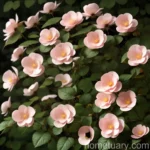
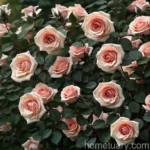
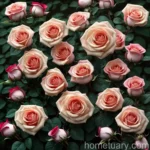
Nootka Rose (Rosa nutkana) is a species of wild rose native to western North America. It belongs to the Rosaceae family and is renowned for its elegant pink flowers, delicate fragrance, and robust nature. This perennial shrub is a valuable component of natural ecosystems, providing food and habitat for wildlife, and it has also found its way into horticulture due to its aesthetic appeal.
Nootka Rose Characteristics
- Scientific Name: Rosa nutkana
- Family: Rosaceae
- Native Habitat: Western North America
- Flower Colors: Pink
- Fragrance: Delicate and pleasant
- Thorns: Present, characteristic of the rose family
- Foliage Color Variations: Green
- Winter Care: Requires minimal care during winter months
Key Takeaways
Rosa nutkana (Nootka Rose) Facts
- Family: Rosaceae
- Native Habitat: Western North America
- Flower Color: Pink
- Fragrance: Delicate
- Thorns: Present
- Hardiness Zone: – Rosa nutkana is hardy in USDA zones 4 to 8.
- Water Requirements: Moderate
- Soil Preferences: Well-draining, fertile soil
- Growth Rate: Moderate
- Pruning Schedule: Prune in late winter or early spring
- Uses in Traditional Medicine: Historical medicinal uses
- Wildlife Food Source: Attracts birds and other wildlife
With the key takeaways in mind, let’s explore the various aspects of Nootka Rose in more detail, including its cultural significance, uses, cultivation requirements, and ecological benefits.
Culture
Water
Nootka Rose generally prefers moderate watering. It is important to ensure that the plant receives sufficient moisture, especially during prolonged dry spells. However, it is equally crucial to avoid overwatering, as this can lead to waterlogged soil, which may negatively impact the plant’s health.
Sunlight
When it comes to sunlight, Nootka Rose thrives in full sun to partial shade. Adequate sunlight is essential for robust growth and bountiful flowering. However, it can tolerate some shade, making it versatile for various garden settings.
Fertilizer
In terms of fertilizer, Nootka Rose does not typically require heavy feeding. However, if the plant is displaying signs of nutrient deficiency, a balanced, slow-release fertilizer can be applied in the spring to support healthy growth and blooming.
Soil
Nootka Rose performs best in well-draining, fertile soil. It is essential to ensure that the soil provides good aeration and adequate nutrients to support the plant’s growth and development.
Uses
Landscape Design
Nootka Rose is a popular choice for landscape design, adding a touch of elegance and natural beauty to gardens, parks, and natural areas. Its attractive pink flowers and delicate fragrance make it a delightful addition to any landscape.
Traditional Medicine
Historically, various parts of Nootka Rose, including the hips, leaves, and roots, have been used in traditional medicine for their potential health benefits. However, it is important to consult with a healthcare professional before using any plant-based remedies.
Wildlife Habitat
One of the remarkable uses of Nootka Rose is its role in supporting wildlife. The plant provides food and habitat for birds, bees, butterflies, and other beneficial insects, contributing to the overall ecological balance.
Growing Rosa nutkana
Propagation
Nootka Rose can be propagated through seeds, cuttings, or by layering. Each method has its advantages, and the choice of propagation technique may depend on the specific requirements and preferences of the gardener.
Container Gardening
While Nootka Rose is often grown in garden beds or natural settings, it can also thrive in containers. This makes it a versatile choice for urban gardens, balconies, and other confined spaces.
Popularity
Nootka Rose has gained popularity among gardeners, landscapers, and nature enthusiasts due to its captivating beauty, ecological benefits, and adaptability to various growing conditions. Its ability to thrive in different environments makes it a sought-after plant for diverse landscaping projects.
Common Diseases
Disease Diagnosis
Like many plants, Nootka Rose is susceptible to certain diseases, including powdery mildew and rust. Keeping an eye out for any signs of disease, such as unusual spotting or discoloration, can help in early diagnosis and prompt treatment.
Disease Resistance
While Nootka Rose may be vulnerable to certain diseases, selecting disease-resistant varieties and providing optimal growing conditions can help minimize the risk of disease and promote overall plant health.
Common Pests
Nootka Rose is occasionally affected by pests such as aphids, spider mites, and rose slugs. Regular inspection of the plant and prompt intervention, if necessary, can help manage pest infestations and protect the plant from potential damage.
Botanist’s Tips
- Select disease-resistant varieties for optimal plant health.
- Regularly monitor the plant for signs of pests and diseases.
- Provide suitable growing conditions, including well-draining soil and adequate sunlight.
Fun Facts
- Nootka Rose is named after the Nootka Sound, a picturesque inlet on the west coast of Vancouver Island, Canada.
- The rose hips of Nootka Rose are rich in vitamin C and have been used historically for making teas, jams, and other culinary creations.
Links to External Resources
For further information about Nootka Rose, its cultivation, and ecological significance:
- Royal Horticultural Society
- United States Department of Agriculture (USDA)
- Native Plant Society of British Columbia
In conclusion, Nootka Rose (Rosa nutkana) is a captivating plant with a rich heritage and a multitude of benefits. Whether used in landscaping, wildlife conservation, or traditional medicine, this resilient shrub continues to leave a lasting impression on those who appreciate nature’s beauty.
Remember, the key to successfully growing and enjoying Nootka Rose lies in understanding its requirements, embracing its ecological role, and cherishing its natural charm. By incorporating this fascinating plant into your garden or natural habitat, you contribute to the preservation of a beloved species and provide valuable resources for local wildlife.
So, whether you’re a seasoned gardener or a nature enthusiast, consider welcoming Rosa nutkana into your outdoor space and experience the timeless allure of Nootka Rose.
Happy gardening!