The Enchanting Catawba Rhododendron (Rhododendron catawbiense ‘Boursault’)
Introduction
As a plant scientist and enthusiast, I am delighted to introduce you to the captivating, evergreen Catawba rhododendron (Rhododendron catawbiense ‘Boursault’). This exquisite plant belongs to the Ericaceae family and is celebrated for its vibrant, showy flowers and remarkable adaptability. In this comprehensive guide, we will delve into the culture, uses, care, and fascinating facts about the Catawba rhododendron.
What is a Plant: Catawba Rhododendron (Rhododendron catawbiense ‘Boursault’)?
The Catawba rhododendron is a prominent species within the diverse genus of Rhododendron. This species, scientifically known as Rhododendron catawbiense ‘Boursault’, is a hardy evergreen shrub that is renowned for its spectacular floral display. It is native to the Appalachian Mountains in the eastern United States, where it thrives in the cool, moist environments of the mountainous regions.
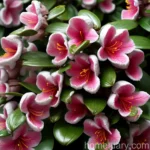
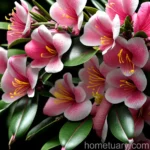
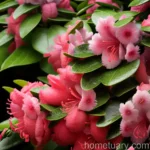
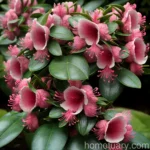
This species is recognized for its large, leathery leaves and stunning clusters of flowers that adorn the plant in the spring. The Catawba rhododendron typically blooms with an array of colors, including shades of pink, purple, and lavender, creating a picturesque scene within garden landscapes.
Key Takeaways – Catawba Rhododendron (Rhododendron catawbiense ‘Boursault’)
Before we explore the intricate details of the culture, care, and maintenance of the Catawba rhododendron, let’s highlight some key takeaways regarding this captivating plant:
- Botanical Name: Rhododendron catawbiense ‘Boursault’
- Common Name: Catawba Rhododendron
- Family: Ericaceae
- Native Habitat: Appalachian Mountains, eastern United States
- Foliage: Evergreen
- Flowering Season: Spring
- Flower Colors: Assorted shades of pink, purple, lavender
- Use: Ornamental landscaping, gardens
Now that we have acquainted ourselves with the basic characteristics of the Catawba rhododendron, let’s embark on a journey to understand its culture, uses, care, and significance in horticulture.
Culture of Catawba Rhododendron
The culture of the Catawba rhododendron encompasses various aspects, including water requirements, sunlight preferences, soil composition, and fertilization needs. Understanding these cultural factors is essential for ensuring the optimal growth and well-being of this enchanting shrub.
Water
The Catawba rhododendron thrives in moist, well-draining soils. Adequate water is essential, particularly during dry periods and the flowering season, to support healthy growth and the development of vibrant blooms. However, it is important to avoid waterlogged conditions, as excessive moisture can lead to root rot and other detrimental issues. Mulching around the base of the plant can help retain soil moisture and regulate the temperature of the root zone.
It is advisable to water the plant deeply and consistently, especially during periods of drought or when the plant is establishing its root system. However, overwatering should be avoided, as it can lead to root suffocation and other complications. Regular monitoring of soil moisture levels and adjusting watering practices accordingly is crucial for the well-being of the Catawba rhododendron.
Sunlight
In its natural habitat, the Catawba rhododendron often thrives in the dappled shade of the forest understory. When cultivated in garden landscapes, it exhibits a preference for partial shade to filtered sunlight, especially during the intense midday sun. While the plant can tolerate some direct sunlight, particularly in the morning or late afternoon, prolonged exposure to harsh sun can lead to leaf scorch and reduced vitality.
Strategic placement of the Catawba rhododendron in locations with partial shade or filtered sunlight, such as under the canopy of tall trees or along the north or east-facing sides of buildings, can provide the ideal growing conditions for this species.
Fertilizer
Proper fertilization is essential for promoting vigorous growth and abundant flowering in the Catawba rhododendron. The application of a balanced, slow-release fertilizer formulated for acid-loving plants in the early spring can provide the necessary nutrients to support the plant’s development. Additionally, incorporating organic matter, such as compost or well-rotted leaf mold, into the soil can enhance the fertility and texture of the growing medium.
Care should be taken to avoid excessive application of fertilizers, especially those high in nitrogen, as this can lead to imbalanced growth and potential damage to the plant. Regular monitoring of the plant’s response to fertilization and adjusting the regime based on the plant’s specific needs is advisable.
Soil
The Catawba rhododendron thrives in well-drained, acidic soils with a pH range of approximately 4.5 to 6.0. It is crucial to provide a growing medium that is rich in organic matter and possesses excellent drainage properties to prevent waterlogging. A combination of peat moss, pine bark, and perlite or coarse sand can be utilized to create a suitable soil mixture for this species.
The incorporation of organic amendments and the use of specialized potting mixes formulated for acid-loving plants can aid in providing the optimal soil environment for the Catawba rhododendron. Regular assessment of the soil pH and composition, alongside appropriate amending practices, is necessary to maintain the plant’s health and vigor.
Pruning
Pruning the Catawba rhododendron is an essential practice that contributes to the plant’s aesthetics, shape, and overall vitality. Pruning should be performed strategically to remove dead or diseased branches, encourage branching and compact growth, and rejuvenate older plants.
The following principles can guide the pruning of the Catawba rhododendron:
- Deadheading: Removal of spent flower clusters promotes the development of new growth and prevents the formation of seed pods, redirecting the plant’s energy towards vegetative and floral growth.
- Thinning: Eliminating overcrowded or crossing branches improves air circulation and light penetration, reducing the risk of disease and promoting balanced growth.
- Shaping: Shaping the plant to maintain a desirable form and size can be achieved through selective pruning, focusing on maintaining the natural silhouette of the plant.
It is important to utilize clean, sharp pruning tools to minimize the risk of damage and infection. Pruning activities should be conducted with care and consideration for the plant’s natural growth habits and flowering patterns.
Propagation
The propagation of the Catawba rhododendron can be achieved through various methods, including:
- Cuttings: Softwood or semi-hardwood cuttings taken from healthy, vigorous shoots in the early to mid-summer can be utilized to propagate new plants. The use of a rooting hormone and a well-draining propagation medium can enhance the success rate of cuttings.
- Layering: Air layering or ground layering techniques can be employed to encourage the development of roots on a stem while it is still attached to the parent plant, facilitating the formation of a new individual.
- Division: Mature plants can be carefully divided to create multiple new specimens, ensuring the allocation of adequate roots and foliage to each divided portion.
Each propagation method offers unique advantages and challenges, and the selection of the most suitable approach often depends on the specific circumstances and resources available for propagation.
Container Popularity
The Catawba rhododendron is highly sought after for container cultivation, as it allows individuals with limited garden space to still enjoy the beauty and charm of this remarkable species. When grown in containers, the plant can thrive on patios, balconies, or in compact gardens, serving as a captivating focal point or an elegant addition to mixed container arrangements.
The popularity of container-grown Catawba rhododendrons can be attributed to several factors, including:
- Portability: Container-grown plants offer the flexibility to be moved and repositioned to accommodate changing environmental conditions or aesthetic preferences.
- Urban Gardening: In urban or densely populated areas where outdoor space is limited, containers provide an opportunity to cultivate and appreciate ornamental plants, such as the Catawba rhododendron.
- Visual Impact: The vibrant flowers and lush foliage of the Catawba rhododendron make it a striking choice for enhancing the visual appeal of outdoor living spaces and urban environments.
The container popularity of the Catawba rhododendron highlights its versatility and adaptability, positioning it as a beloved choice for both traditional garden settings and modern, space-efficient landscapes.
Uses of Catawba Rhododendron
The Catawba rhododendron holds a significant position in horticulture, offering a range of uses and contributions to garden landscapes and natural environments. Some common uses of this species include:
- Ornamental Planting: The captivating flowers and evergreen foliage of the Catawba rhododendron make it a popular choice for ornamental planting in gardens, parks, and public spaces. Its ability to thrive in shaded conditions and its stunning floral display during the spring season contribute to its appeal as an ornamental shrub.
- Landscaping: The Catawba rhododendron is widely utilized in landscape design, where it serves as a foundation plant, a border specimen, or an understory planting in woodland gardens. Its adaptability to partial shade and its low-maintenance nature make it a valuable addition to diverse landscaping projects.
- Environmental Enhancement: In its native range and other suitable habitats, the Catawba rhododendron contributes to the ecological balance by providing habitat and food for native wildlife, including insects, birds, and small mammals. Its presence in natural landscapes enriches the biodiversity and aesthetics of the environment.
- Educational and Botanical Gardens: Botanical gardens, educational institutions, and public gardens often showcase the Catawba rhododendron to educate visitors about native flora, horticultural diversity, and the ecological significance of indigenous plant species. Its use in educational settings contributes to the conservation and appreciation of native plants.
The versatile uses of the Catawba rhododendron underscore its value as a cherished botanical species with multifaceted contributions to horticulture, ecology, and human well-being.
Common Diseases of Catawba Rhododendron and Disease Diagnosis
The health and vitality of the Catawba rhododendron can be affected by various diseases, ranging from fungal infections to physiological disorders. It is essential to be vigilant and proactive in identifying and addressing potential disease issues to safeguard the well-being of this cherished species.
Some common diseases that may affect the Catawba rhododendron include:
-
Phytophthora Root Rot: This fungal disease can lead to the decay of the plant’s root system, resulting in wilting, stunted growth, and discoloration of foliage. Waterlogged soils and poor drainage can exacerbate the risk of Phytophthora root rot.
-
Powdery Mildew: A fungal infection characterized by the development of powdery, white patches on the leaves and stems. Powdery mildew can diminish the aesthetics of the plant and weaken its overall vigor.
-
Leaf Spot: Various fungal pathogens can cause leaf spot diseases, resulting in the formation of dark, irregular lesions on the leaves. Severe infections can lead to defoliation and reduced photosynthetic capacity.
-
Botrytis Blight: Also known as gray mold, Botrytis blight can affect flowers, buds, and young shoots, leading to the development of grayish mold and decay. Wet and humid conditions can promote the spread of Botrytis blight.
To accurately diagnose and manage potential diseases affecting the Catawba rhododendron, it is important to conduct thorough observations and, if necessary, seek professional assistance. The following best practices can aid in disease diagnosis and management:
- Regular Monitoring: Periodic inspection of the plant for signs of discoloration, leaf deformation, abnormal growth, or other symptoms of disease can help in early detection and intervention.
- Cultural Practices: Implementing proper cultural practices, including appropriate watering, site selection, and soil management, can contribute to the plant’s resilience against diseases.
- Integrated Pest and Disease Management: Utilizing a holistic approach that integrates cultural, biological, and chemical control measures, if needed, can aid in managing diseases and preventing their recurrence.
Common Pests
In addition to diseases, the Catawba rhododendron can be susceptible to certain pests that can impact its health and appearance. Common pests that may pose a threat to this species include:
- Azalea Lace Bug: These tiny insects feed on the undersides of rhododendron leaves, causing stippling, discoloration, and weakening of the foliage.
- Spider Mites: These arachnids can infest rhododendrons, especially in hot, dry conditions, leading to the development of webbing and stippled leaves.
- Caterpillars: Several types of caterpillars, including those of the azalea caterpillar and the rhododendron borer, can feed on the leaves and stems of rhododendrons, potentially causing defoliation and structural damage.
Vigilance and early intervention are key to managing pest infestations and minimizing their impact on the Catawba rhododendron. Employing environmentally friendly control methods, such as the use of beneficial insects and horticultural oils, can help regulate pest populations while preserving the ecological balance of the garden.
Botanist’s Tips for Growing Catawba Rhododendron
As a plant scientist with a passion for the cultivation of rhododendrons, I have compiled a series of botanist’s tips for growing and caring for the Catawba rhododendron. These tips draw upon scientific knowledge, practical experience, and an appreciation for the unique attributes of this species.
Botanist’s Tips:
-
Site Selection: Choose a planting location with well-drained, acidic soil and partial shade to protect the Catawba rhododendron from harsh midday sun.
-
Mulching: Apply a layer of organic mulch around the base of the plant to conserve soil moisture, regulate temperature, and inhibit weed growth.
-
Watering: Maintain consistent soil moisture, especially during dry periods and the flowering season, to support the health and vigor of the plant.
-
Fertilization: Utilize a balanced, slow-release fertilizer formulated for acid-loving plants to provide essential nutrients for robust growth and flowering.
-
Pruning: Practice selective pruning to remove dead or diseased branches, maintain the plant’s shape, and rejuvenate older specimens.
-
Propagation: Explore various propagation methods, such as cuttings and layering, to propagate new Catawba rhododendron plants and expand their presence in the garden.
-
Pest and Disease Management: Monitor the plant for signs of pests and diseases, and implement integrated management strategies to preserve its health and aesthetics.
-
Container Cultivation: Consider cultivating the Catawba rhododendron in containers to enhance its portability and adaptability in urban and compact garden settings.
By implementing these botanist’s tips, gardeners and enthusiasts can cultivate the Catawba rhododendron with confidence, ensuring its flourishing growth and the manifestation of its enchanting floral display.
Fun Facts about Catawba Rhododendron
To add an element of fascination and appreciation for the Catawba rhododendron, let’s uncover some intriguing fun facts about this captivating plant:
-
Native Elegance: The Catawba rhododendron is a native species to the Appalachian Mountains in the eastern United States, where it graces the woodlands with its vibrant presence.
-
Vivid Floral Palette: The blooming season of the Catawba rhododendron showcases an array of stunning colors, ranging from delicate pinks and purples to rich lavenders, captivating the senses with its visual splendor.
-
Species Diversity: Rhododendron catawbiense is a diverse species, encompassing numerous cultivars and hybrids that exhibit a broad spectrum of floral and foliage characteristics, appealing to a wide range of garden preferences.
-
Wildlife Haven: The nectar-rich flowers of the Catawba rhododendron attract various pollinators, including bees, butterflies, and hummingbirds, fostering ecological interactions and contributing to the biodiversity of the ecosystem.
-
Historical Significance: Rhododendrons, including the Catawba rhododendron, have been celebrated in literature, art, and horticultural traditions for centuries, bearing cultural and aesthetic significance in diverse human societies.
Embracing these fun facts enriches our understanding of the Catawba rhododendron as not only a botanical wonder but also a source of beauty, inspiration, and ecological connectivity.
Links to External Resources
For further exploration of the world of rhododendrons, including the enchanting Catawba rhododendron, I highly recommend delving into the following external resources:
-
American Rhododendron Society: A comprehensive platform dedicated to the appreciation, cultivation, and conservation of rhododendrons, offering a wealth of information, resources, and community engagement.
-
Royal Horticultural Society: The renowned Royal Horticultural Society provides valuable insights into rhododendron cultivation, plant care, and ornamental gardening, catering to enthusiasts and professionals alike.
-
The Rhododendron Species Foundation & Botanical Garden: Explore the splendid collection of rhododendrons and immerse yourself in the beauty and diversity of these remarkable plants at the Rhododendron Species Foundation & Botanical Garden.
By engaging with these external resources, enthusiasts can deepen their knowledge, connect with like-minded individuals, and embark on an enriching journey into the realm of rhododendrons, including the alluring Catawba rhododendron.
In conclusion, the Catawba rhododendron (Rhododendron catawbiense ‘Boursault’) stands as a testament to the beauty, resilience, and horticultural significance of rhododendrons. Its vibrant flowers, enduring evergreen foliage, and cultural contributions elevate it as a cherished botanical species with a profound impact on horticulture, ecosystem dynamics, and human appreciation for the natural world.
I hope this expansive guide serves to illuminate the enchanting qualities of the Catawba rhododendron and inspires a deeper admiration for its enduring charm and ecological value within the realm of plants and gardens.
Happy gardening and continued exploration of the botanical wonders that enrich our lives!
This comprehensive guide is a tribute to the enchanting Catawba rhododendron and is dedicated to all those who hold a deep appreciation for the captivating world of plants and horticulture.