The Versatile Rhododendron ‘Girard’s Fuchsia’: A Complete Guide to Care and Cultivation
In the world of ornamental garden plants, few species are as beloved as the rhododendron. These flowering shrubs are known for their vibrant, showy blossoms and lush, glossy foliage, making them a favorite among gardeners and landscapers alike. Among the myriad of rhododendron varieties, one stands out for its stunning fuchsia-colored flowers and exceptional performance – the Rhododendron ‘Girard’s Fuchsia’.

What is Rhododendron ‘Girard’s Fuchsia’?
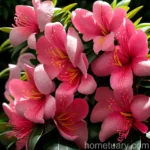
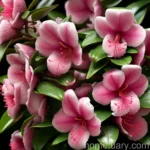
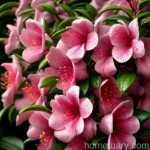
Rhododendron ‘Girard’s Fuchsia’ is a compact, evergreen shrub that belongs to the Rhododendron genus. It is renowned for its profusion of bright fuchsia-colored flowers that adorn the plant in late spring, creating a spectacular display of color in the garden. This particular variety is cherished for its hardiness, disease resistance, and stunning blooms, making it a popular choice for gardeners seeking a low-maintenance yet visually striking plant.
Key Takeaways
- Scientific Name: Rhododendron ‘Girard’s Fuchsia’
- Common Name: Girard’s Fuchsia Rhododendron
- Plant Type: Evergreen shrub
- Bloom Time: Late spring
- Flower Color: Fuchsia
- Foliage: Glossy, dark green
- Growth Habit: Compact and mounding
- Hardiness Zone: 6-9
Culture
When it comes to cultivating Rhododendron ‘Girard’s Fuchsia’, understanding its specific cultural requirements is crucial to ensure its optimal growth and blooming. Let’s delve into the various aspects of its care and maintenance.
Uses
This stunning rhododendron variety is highly versatile and can be used in a myriad of ways in the landscape. Its compact size and eye-catching blooms make it an ideal choice for various garden settings and designs. Here are some common uses for Rhododendron ‘Girard’s Fuchsia’:
- Foundation Planting: Its modest size and attractive appearance make it perfect for planting near the foundation of buildings or homes.
- Mixed Borders: The vibrant fuchsia blooms add a pop of color to mixed borders, pairing beautifully with other spring-flowering shrubs and perennials.
- Woodland Gardens: Its preference for partial shade makes it well-suited for woodland gardens, where it can thrive under the dappled light of trees.
- Containers: Rhododendron ‘Girard’s Fuchsia’ can be grown in containers, adding a splash of color to patios, decks, and entryways.
Water
Proper watering is essential for the health and vitality of Rhododendron ‘Girard’s Fuchsia’. As with many rhododendron varieties, it thrives in evenly moist, well-draining soil. However, it is crucial to avoid waterlogged conditions, as excessive moisture can lead to root rot and other issues. Here are some watering tips for this beautiful shrub:
- Consistent Moisture: During the growing season, ensure the soil around the plant remains consistently moist but not waterlogged.
- Mulching: Applying a layer of organic mulch around the base of the plant can help retain soil moisture and prevent rapid drying.
- Monitor Drainage: Pay attention to the soil drainage to prevent water from pooling around the roots, especially in heavy clay soils.
Sunlight
Rhododendron ‘Girard’s Fuchsia’ thrives in partial shade to full sun, making it a versatile choice for various garden settings. When it comes to sunlight preferences, consider the following factors:
- Partial Shade: It performs exceptionally well in locations with dappled sunlight or partial shade, such as beneath high-branching trees or on the east or west side of buildings.
- Morning Sun: In regions with hot, intense afternoon sun, providing morning sun and afternoon shade can help protect the plant from excessive heat and sunburn.
- Full Sun: While it can tolerate full sun in cooler climates, ample moisture and protection from intense midday sun are essential for its well-being.
Fertilizer
Applying the right type and amount of fertilizer is integral to promoting healthy growth and profuse flowering in Rhododendron ‘Girard’s Fuchsia’. Here are some fertilizer guidelines to consider:
- Acidic Fertilizer: Use a fertilizer specifically formulated for acid-loving plants, as rhododendrons thrive in acidic soil conditions.
- Slow-Release Formulations: Consider using slow-release fertilizers to provide a steady supply of nutrients over an extended period, reducing the risk of over-fertilization.
- Application Timing: Apply fertilizer in early spring before new growth begins, and avoid late-season fertilization, as it may stimulate tender growth that is susceptible to winter damage.
Soil
The right soil conditions are paramount in ensuring the health and vigor of Rhododendron ‘Girard’s Fuchsia’. As an acid-loving plant, it thrives in well-draining, acidic soils rich in organic matter. Here’s what you need to know about soil requirements for this stunning rhododendron variety:
- pH Level: Aim for a soil pH in the range of 4.5 to 6.0, as rhododendrons struggle in alkaline soil conditions.
- Organic Matter: Incorporating compost, peat moss, or well-rotted pine bark into the soil can enhance its moisture retention and provide essential nutrients.
- Avoid Compaction: Prevent soil compaction around the root zone, as it can hinder root development and lead to poor growth.
Pruning
Pruning is an important aspect of rhododendron care, helping to maintain the plant’s shape, remove dead or damaged branches, and encourage robust flowering. When it comes to Rhododendron ‘Girard’s Fuchsia’, understanding the pruning techniques and timing is crucial. Here are some key points to consider:
- Deadheading: Removing spent flowers can stimulate the production of new buds and prolong the flowering period.
- Pruning Timing: The best time to prune is after the plant has finished flowering in late spring or early summer. Pruning at this time allows the plant to set new buds for the following year.
- Minimal Pruning: Avoid heavy pruning, as rhododendrons generally require minimal shaping and are best left to develop their natural form.
Propagation
For those looking to propagate Rhododendron ‘Girard’s Fuchsia’, several methods can be employed, including cuttings, layering, and grafting. Each technique has its own set of requirements and considerations, so let’s explore some propagation methods suited for this stunning rhododendron variety:
- Softwood Cuttings: Taking softwood cuttings in late spring or early summer and rooting them in a well-draining, sterile medium can be an effective way to propagate new plants.
- Layering: Air layering or simple ground layering can also be successful methods for propagating rhododendrons, encouraging the development of new roots on the stems.
Container Popularity
The compact size, vibrant blooms, and evergreen foliage of Rhododendron ‘Girard’s Fuchsia’ make it particularly well-suited for container gardening. When grown in containers, this stunning rhododendron can brighten up patios, balconies, and small garden spaces, providing a burst of color and beauty in a confined area. Consider the following tips for successful container cultivation of this popular rhododendron variety:
- Container Selection: Choose a large container with ample drainage holes to accommodate the plant’s root system and prevent waterlogged soil.
- Acidic Potting Mix: Use a well-draining potting mix designed for acid-loving plants, or create a custom mix using peat moss, pine bark, and perlite.
- Watering Considerations: Containers may require more frequent watering, especially during hot, dry periods, so monitor soil moisture carefully to prevent drought stress.
Common Diseases
While Rhododendron ‘Girard’s Fuchsia’ is known for its disease resistance, it is essential to be aware of potential diseases that can affect rhododendrons in general. Understanding the common diseases and their management strategies is crucial for maintaining the health and vigor of this stunning shrub. Here are some common diseases to watch for:
- Phytophthora Root Rot: This soil-borne disease can cause wilting, yellowing foliage, and stunted growth. Enhancing soil drainage and avoiding overwatering can help prevent this serious disease.
- Powdery Mildew: A common fungal disease that can leave a white, powdery coating on the leaves. Providing good air circulation and selecting mildew-resistant cultivars can aid in prevention.
- Leaf Spot: Various fungi can cause leaf spot, resulting in dark, sometimes sunken lesions on the foliage. Remove and destroy affected leaves and ensure proper spacing to reduce humidity and leaf wetness.
Disease Diagnosis
Diagnosing and identifying diseases in rhododendrons, including Rhododendron ‘Girard’s Fuchsia’, can be challenging, as many symptoms overlap. However, understanding the key characteristics of common rhododendron diseases can aid in accurate diagnosis and timely management. Here are some diagnostic pointers for common rhododendron diseases:
- Symptoms: Pay attention to symptoms such as leaf wilting, discoloration, or distortion, as well as unusual growths or markings on the foliage and stems.
- Fungal Pathogens: Research common fungal pathogens that affect rhododendrons and learn to recognize the signs and symptoms they cause.
- Professional Guidance: If in doubt, seek the assistance of a plant health specialist or extension service to accurately diagnose and address any disease issues.
Common Pests
While Rhododendron ‘Girard’s Fuchsia’ is relatively resistant to pests, certain insects can occasionally pose a threat to rhododendrons, potentially causing aesthetic damage or stress to the plant. Understanding the common pests and their management can help mitigate potential issues. Here are some common pests to be mindful of:
- Azalea Lace Bug: This tiny insect can cause stippling and discoloration on the upper surface of rhododendron leaves. Regular monitoring and targeted insecticide applications can help control lace bug populations.
- Weevils: Root weevils can feed on rhododendron foliage, leading to notched or irregular leaf edges. Implementing cultural practices and using biological controls can aid in managing weevil populations.
- Caterpillars: Certain caterpillar species may feed on rhododendron foliage, causing defoliation and aesthetic damage. Handpicking caterpillars or using targeted insecticides can help prevent severe infestations.
Botanist’s Tips
As a plant scientist with a passion for rhododendrons, here are some additional tips and insights for successfully growing and caring for Rhododendron ‘Girard’s Fuchsia’:
- Companion Plants: Pair Rhododendron ‘Girard’s Fuchsia’ with other acid-loving plants such as azaleas, camellias, and ferns to create a harmonious and visually appealing landscape.
- Summer Watering: During hot, dry summer periods, provide supplemental watering to prevent drought stress and maintain the plant’s vitality.
- Mulching Benefits: Applying a layer of organic mulch around the base of the plant not only helps retain moisture but also provides insulation and weed suppression.
- Winter Care: In colder climates, protect rhododendrons from harsh winter winds and temperature extremes to prevent desiccation and winter damage.
- Landscape Design: Incorporate Rhododendron ‘Girard’s Fuchsia’ into garden designs to add a vibrant focal point and introduce seasonal interest and color.
Fun Facts
To add a touch of intrigue and fascination to the discussion, here are some compelling and intriguing fun facts about Rhododendron ‘Girard’s Fuchsia’:
- Tolerant of Pruning: Despite its delicate appearance, Rhododendron ‘Girard’s Fuchsia’ can withstand light pruning to maintain its shape and size.
- Attracts Pollinators: The showy blossoms of this rhododendron variety are a magnet for pollinators such as bees and butterflies, contributing to the biodiversity of the garden.
- Versatile Foliage: In addition to its stunning flowers, the glossy, dark green foliage of Rhododendron ‘Girard’s Fuchsia’ adds year-round appeal to the landscape, even when not in bloom.
Links to External Resources
For those seeking further information and insights on Rhododendron ‘Girard’s Fuchsia’, the following external resources are invaluable sources of knowledge and expertise:
- American Rhododendron Society
- Royal Horticultural Society – Rhododendrons
- The Azalea Society of America
Conclusion
In conclusion, Rhododendron ‘Girard’s Fuchsia’ stands out as a captivating and resilient ornamental shrub, celebrated for its dazzling fuchsia blooms, attractive foliage, and adaptability to various garden settings. By understanding its cultural requirements, uses, and potential challenges, gardeners can cultivate and showcase this exquisite rhododendron variety, adding an enchanting burst of color and charm to their outdoor spaces. With the right care and attention, Rhododendron ‘Girard’s Fuchsia’ is sure to captivate admirers and thrive as a cherished centerpiece in gardens and landscapes.