The Beautiful Rhododendron ‘Ginny Gee’: A Comprehensive Guide to Growing and Caring for This Stunning Plant
Introduction
Plants have a unique way of captivating our attention and enhancing the beauty of our surroundings. Among the multitude of plants that grace our gardens and landscapes, the Rhododendron ‘Ginny Gee’ stands as a stunning example of natural beauty and grace. In this comprehensive guide, we will delve into the world of the Rhododendron ‘Ginny Gee’, exploring its cultural significance, uses, care, propagation, and much more.
What is the Rhododendron ‘Ginny Gee’?
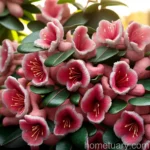
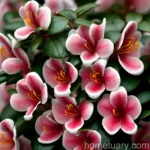
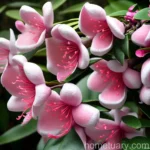
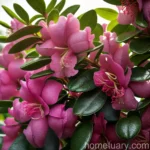
The Rhododendron ‘Ginny Gee’ is a beautiful evergreen shrub that belongs to the family Ericaceae. It is a hybrid of Rhododendron yakushimanum and Rhododendron ‘Hotei’. This plant is cherished for its attractive foliage, vibrant flowers, and overall ornamental value. The ‘Ginny Gee’ variety is particularly prized for its compact size, making it an excellent choice for gardens, landscapes, and even container gardening.
Key Takeaways
- Scientific Name: Rhododendron ‘Ginny Gee’
- Family: Ericaceae
- Hybrid of: Rhododendron yakushimanum and Rhododendron ‘Hotei’
- Type: Evergreen shrub
- Growth Habit: Compact and bushy
- Foliage: Attractive, dark green
- Flowers: Vibrant, showy blooms
- Uses: Ornamental, landscaping, container gardening
Culture
Cultivating the Rhododendron ‘Ginny Gee’ involves understanding its specific cultural requirements, including water, sunlight, fertilizer, soil, and pruning. Let’s explore each of these aspects in detail.
Water
Proper watering is crucial for the health and vigor of the Rhododendron ‘Ginny Gee’. While it is important to maintain soil moisture, this plant is sensitive to waterlogged conditions. Here are some key considerations for watering this beautiful shrub:
– Consistent Moisture: The ‘Ginny Gee’ prefers consistently moist, well-drained soil. It is essential to water the plant regularly, especially during dry periods, and ensure that the soil does not dry out completely.
– Avoid Waterlogged Soil: Overly wet or waterlogged soil can lead to root rot and other issues. Proper drainage is essential to prevent water accumulation around the roots.
Sunlight
The Rhododendron ‘Ginny Gee’ thrives in dappled or partial shade, making it an ideal choice for shaded areas in the garden. Here are some sunlight-related considerations for promoting healthy growth and abundant flowering:
– Filtered Light: Provide the ‘Ginny Gee’ with filtered or partial sunlight, especially in the afternoon, to protect it from intense heat and sunburn.
– Shade Tolerance: This plant is well-suited for shaded or woodland garden settings, where it can receive gentle, indirect sunlight.
Fertilizer
Appropriate fertilization is essential for promoting robust growth and vibrant blooms in the Rhododendron ‘Ginny Gee’. Understanding the specific fertilizer requirements and application guidelines is crucial. Consider the following points when fertilizing this plant:
– Acidic Fertilizer: Use a balanced, acidic fertilizer specifically formulated for Rhododendrons and other acid-loving plants. Look for products with a higher percentage of nitrogen to support healthy foliage growth.
– Timing: Apply fertilizer in early spring, just before the growing season begins. Avoid late-season fertilization, as it can stimulate new growth that may be susceptible to frost damage.
Soil
The soil requirements of the Rhododendron ‘Ginny Gee’ are closely tied to its need for acidic growing conditions. Understanding the ideal soil composition and pH levels is vital for providing a suitable environment for this plant to thrive. Here are some key points to consider:
– Acidic Soil: The ‘Ginny Gee’ thrives in acidic soil with a pH range of 4.5 to 6.0. Amending the soil with organic matter, such as peat moss or pine bark, can help maintain the necessary acidity.
– Moisture Retention: While the soil should be well-drained, it is important to ensure that it retains adequate moisture. Mulching with organic materials can aid in moisture retention and soil conditioning.
Pruning
Proper pruning is essential for maintaining the desired shape, size, and health of the Rhododendron ‘Ginny Gee’. Understanding the principles of pruning and the best practices for this particular plant is crucial. Consider the following when approaching pruning:
– Minimal Pruning: The ‘Ginny Gee’ typically requires minimal pruning, mainly to remove damaged or dead branches, promote airflow, and shape the plant if needed.
– Pruning Timing: Perform any necessary pruning after the plant has finished flowering. This timing allows for the removal of spent blooms and any adjustments to the plant’s form without impacting the next season’s flower buds.
Propagation
The propagation of the Rhododendron ‘Ginny Gee’ allows for the expansion of its presence in gardens and landscapes. Understanding the various methods of propagation, including cuttings and layering, provides opportunities for increasing the number of these beautiful shrubs.
Propagation Methods
The ‘Ginny Gee’ can be propagated through the following methods:
1. Softwood Cuttings: Propagate new plants by taking softwood cuttings in early summer. The cuttings should be treated with rooting hormone and placed in a well-draining medium to encourage root development.
2. Layering: Air layering is another effective method for propagating the ‘Ginny Gee’. This process involves inducing root formation on a stem while it is still attached to the parent plant.
Container Popularity
The compact and bushy nature of the Rhododendron ‘Ginny Gee’ makes it well-suited for container gardening. When grown in containers, this plant adds a touch of elegance to patios, balconies, and outdoor living spaces.
Container Gardening Tips
Consider the following tips for successfully growing the ‘Ginny Gee’ in containers:
– Container Size: Select a spacious container that allows for adequate root development and accommodates the plant’s mature size.
– Well-Drained Soil: Use a well-draining potting mix that provides optimal aeration and moisture retention.
– Sheltered Location: Place the container in a location that provides filtered light and protection from harsh winds and extreme temperatures.
Common Diseases
While the Rhododendron ‘Ginny Gee’ is a resilient plant, it is important to be aware of potential diseases that can affect its health and vigor. Understanding common diseases and their symptoms is essential for prompt diagnosis and effective management.
Disease Diagnosis
The following are some common diseases that can affect the ‘Ginny Gee’ and their respective symptoms:
1. Phytophthora Root Rot: Yellowing foliage, wilting, and poor growth are indicative of this fungal disease, which affects the roots and can lead to plant decline.
2. Powdery Mildew: White powdery patches on the foliage, stunted growth, and distorted leaves are signs of powdery mildew, a common fungal infection in Rhododendrons.
3. Leaf Spot: Circular, dark spots on the leaves accompanied by yellowing and premature leaf drop indicate the presence of leaf spot diseases.
Common Pests
Pests can pose a threat to the health and appearance of the Rhododendron ‘Ginny Gee’. Being able to identify common pests and implementing appropriate pest control measures is crucial for preserving the beauty of this plant.
Common Pests
The following are some common pests that can affect the ‘Ginny Gee’:
– Aphids: These small, sap-sucking insects can damage the foliage and excrete honeydew, leading to sooty mold growth.
– Spider Mites: Infestations of spider mites can cause stippling and discoloration of the leaves, particularly on the underside.
– Caterpillars: Certain caterpillar species can feed on Rhododendron foliage, leading to defoliation and reduced plant vigor.
Botanist’s Tips
Enhance your experience of growing and caring for the Rhododendron ‘Ginny Gee’ with these valuable botanist’s tips:
– Mulching: Apply a layer of organic mulch around the base of the plant to conserve moisture, inhibit weed growth, and provide insulation.
– Seasonal Care: Monitor the plant’s condition throughout the seasons, making adjustments to watering, fertilization, and protection as needed to support optimal growth.
Fun Facts
Discover some intriguing and delightful facts about the Rhododendron ‘Ginny Gee’:
– The ‘Ginny Gee’ is named after Ginny Gee, the wife of acclaimed plant breeder Jim Barlup, in recognition of her support and contributions to the field of horticulture.
– The vibrant flowers of the ‘Ginny Gee’ are a delightful spectacle, attracting pollinators and enhancing the visual appeal of gardens and landscapes.
Links to External Resources
For additional information and resources on Rhododendron ‘Ginny Gee’ care, cultivation, and maintenance, explore the following links:
1. American Rhododendron Society
2. Royal Horticultural Society – Rhododendron Care
3. University of Maryland Extension – Rhododendron and Azalea Diseases
4. The Rhododendron Species Foundation and Botanical Garden
In conclusion, the Rhododendron ‘Ginny Gee’ is a remarkable plant that enriches our natural surroundings with its beauty and elegance. By understanding its cultural requirements, propagation methods, potential challenges, and the joy it brings, we can cultivate and appreciate this stunning shrub to the fullest. Whether adorning gardens, containers, or landscapes, the ‘Ginny Gee’ continues to captivate and inspire plant enthusiasts and nature lovers alike.