Rhododendron (Rhododendron ‘Pohjola’s Daughter’): A Fascinating Plant for Your Garden
Rhododendrons are a diverse and beautiful group of flowering plants that have captured the hearts of gardeners worldwide. With their stunning blooms and unique foliage, these plants are a fantastic addition to any garden or landscape. In this comprehensive guide, we will delve into the world of rhododendrons, with a particular focus on the captivating Rhododendron ‘Pohjola’s Daughter’.
What is Rhododendron ‘Pohjola’s Daughter’?
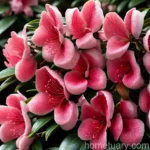
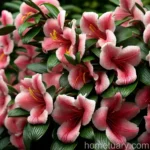
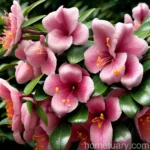
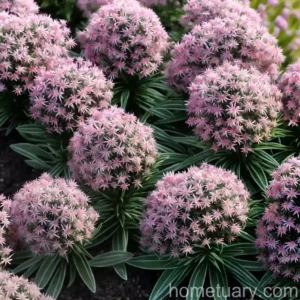
Rhododendron ‘Pohjola’s Daughter’ is a captivating hybrid rhododendron that is renowned for its exquisite blooms and elegant form. This particular variety belongs to the Rhododendron genus, and it is a member of the Ericaceae family. Originally developed in Finland, Rhododendron ‘Pohjola’s Daughter’ has gained immense popularity among gardeners due to its striking visual appeal and ease of cultivation.
Key Takeaways – Rhododendron ‘Pohjola’s Daughter’
Before we delve into the specific details about the care and cultivation of Rhododendron ‘Pohjola’s Daughter’, let’s highlight some key takeaways about this captivating plant:
- Scientific Name: Rhododendron ‘Pohjola’s Daughter’
- Genus: Rhododendron
- Family: Ericaceae
- Origin: Finland
- Type: Hybrid Rhododendron
- Distinct Feature: Exquisite Blooms
- Popularity: Highly sought after for landscaping and garden use
Now that we have a brief overview of the plant, let’s explore the specific aspects of its culture, uses, and requirements.
Culture
Uses
Rhododendron ‘Pohjola’s Daughter’ is predominantly cultivated for its ornamental uses. Its stunning blooms and lush foliage make it an excellent choice for landscaping, border planting, and as a focal point in gardens. The plant’s vibrant flowers are a magnet for pollinators, making it a valuable addition to any wildlife-friendly garden.
Water
Proper watering is crucial for the health and well-being of Rhododendron ‘Pohjola’s Daughter’. These plants thrive in moist, well-draining soil and require regular watering, especially during dry spells. It’s essential to ensure that the soil remains consistently moist but not waterlogged, as excess moisture can lead to root rot and other issues.
Sunlight
Rhododendron ‘Pohjola’s Daughter’ flourishes in partial shade to dappled sunlight. While it can tolerate some direct sunlight, particularly in the morning, it generally prefers a location with filtered light or partial shade. In hotter climates, providing protection from intense afternoon sun is beneficial for maintaining the plant’s health and vigor.
Fertilizer
Proper fertilization is vital for promoting healthy growth and abundant blooms in Rhododendron ‘Pohjola’s Daughter’. A balanced, slow-release fertilizer formulated for acid-loving plants can be applied in early spring before new growth emerges. Additionally, specific rhododendron and azalea fertilizers are available to cater to the unique nutritional requirements of these plants.
Soil
Rhododendron ‘Pohjola’s Daughter’ thrives in well-draining, acidic soil that is rich in organic matter. A slightly acidic soil with a pH range between 5.0 and 6.0 provides an ideal growing medium for this plant. Amending the soil with organic materials such as pine bark, peat moss, or compost can help maintain the proper soil structure and pH levels for healthy rhododendron growth.
Pruning
Regular pruning is essential for maintaining the health and appearance of Rhododendron ‘Pohjola’s Daughter’. Pruning can help shape the plant, remove dead or diseased branches, and encourage vigorous new growth. It is best to prune rhododendrons immediately after flowering to avoid removing potential flower buds for the following season.
Propagation
Propagating Rhododendron ‘Pohjola’s Daughter’ can be accomplished through several methods, including:
- Cuttings: Stem cuttings can be taken from healthy, vigorous stems and rooted to produce new plants.
- Layering: Air layering or ground layering can be employed to encourage the development of roots on a stem while it is still attached to the parent plant.
- Division: Rhododendrons can be carefully divided to create new plants, with each division possessing a portion of the root system and foliage.
Container Popularity
Rhododendron ‘Pohjola’s Daughter’ is well-suited for container cultivation, particularly in situations where the soil composition or pH may not be ideal for in-ground planting. The plant’s compact size and attractive appearance make it a popular choice for container gardening, allowing individuals with limited garden space to enjoy the beauty of rhododendrons on patios, balconies, or small outdoor areas.
Common Diseases
Rhododendron ‘Pohjola’s Daughter’ is susceptible to various diseases, including:
- Powdery Mildew: A fungal infection that appears as a white powdery substance on the leaves and stems.
- Leaf Spot: Characterized by the development of dark, water-soaked spots on the foliage, often leading to leaf discoloration and defoliation.
- Root Rot: Caused by overly wet soil conditions, leading to the decay of the plant’s roots.
Disease Diagnosis
Early detection and identification of diseases are crucial for implementing effective control measures. Regular inspection of the plant for unusual spots, lesions, or changes in foliage color can aid in the prompt diagnosis of potential issues. Additionally, consulting with a local horticulturist or plant health expert can provide valuable insights into disease management and prevention strategies.
Common Pests
Several pests can pose a threat to the health of Rhododendron ‘Pohjola’s Daughter’, including:
- Azalea Lace Bug: These tiny insects feed on the underside of the leaves, causing stippling and discoloration.
- Spider Mites: These arachnids can infest the plant, leading to webbing on the foliage and visible damage.
- Weevils: Weevils may feed on the leaves, causing irregular notching and damage to the foliage.
Botanist’s Tips
To maintain healthy and thriving Rhododendron ‘Pohjola’s Daughter’ specimens, consider the following expert tips:
- Regular Monitoring: Keep a watchful eye on the plant for any signs of stress, disease, or pest infestations. Early intervention can prevent problems from escalating.
- Appropriate Watering: Avoid overwatering or allowing the soil to dry out completely. Consistent moisture is key to providing the optimal growing conditions for rhododendrons.
Fun Facts
- The name ‘Pohjola’s Daughter’ has its origins in Finnish mythology, adding an intriguing cultural connection to this rhododendron variety.
- Rhododendrons are members of the Ericaceae family, which also includes blueberries, cranberries, and mountain laurels.
Links to External Resources
For further information on Rhododendron ‘Pohjola’s Daughter’ and rhododendron care in general, explore the following external resources:
- American Rhododendron Society: https://www.rhododendron.org/
- Royal Horticultural Society – Rhododendrons and Azaleas: https://www.rhs.org.uk/advice/profile?pid=322
- The Rhododendron Species Foundation and Botanical Garden: http://rhodygarden.org/
- Extension Services – Rhododendron Care: https://extension.umn.edu/planting-and-growing-guides/rhododendrons-and-azaleas
- Gardening Know How – Rhododendron Information: https://www.gardeningknowhow.com/ornamental/shrubs/rhododendron/rhododendron-varieties.htm
In conclusion, the enchanting Rhododendron ‘Pohjola’s Daughter’ offers not only a visually captivating addition to gardens but also the opportunity to engage in the care and nurturing of a fascinating plant with rich cultural ties. By understanding its specific requirements and exploring best practices for cultivation, gardeners can enjoy the delightful presence of this hybrid rhododendron in their outdoor spaces.
Keywords: Rhododendron care, Rhododendron varieties, Pohjola’s Daughter rhododendron, Rhododendron planting tips, Rhododendron maintenance, Rhododendron pruning techniques, Rhododendron soil requirements, Rhododendron watering needs, Rhododendron sunlight requirements, Rhododendron fertilization methods, Rhododendron disease prevention, Rhododendron pest control, Rhododendron bloom time, Rhododendron winter care, Rhododendron landscaping ideas, Rhododendron companion plants, Rhododendron shrubs, Rhododendron gardening tips, Rhododendron planting locations, Rhododendron container gardening, Rhododendron propagation methods, Rhododendron hardiness zones, Rhododendron garden design, Rhododendron color variations, Rhododendron fragrance, Rhododendron disease resistance, Rhododendron pruning schedule, Rhododendron winter protection, Rhododendron transplanting guidelines, Rhododendron root system, Rhododendron bloom color, Rhododendron landscape focal point, Rhododendron pollinator attraction, Rhododendron planting season, Rhododendron growth rate, Rhododendron cold tolerance, Rhododendron foliage characteristics, Rhododendron wildlife habitat, Rhododendron cultivars, Rhododendron disease symptoms, Rhododendron leaf discoloration, Rhododendron bloom cycle, Rhododendron shade gardening, Rhododendron companion trees, Rhododendron container care, Rhododendron landscape borders, Rhododendron mulching techniques, Rhododendron spring pruning, Rhododendron winter dormancy, Rhododendron soil pH requirements.