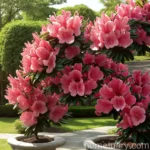
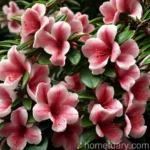
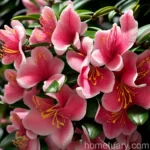
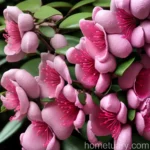
Korean Rhododendron (Rhododendron mucronulatum ‘Cama’)
What is the Korean Rhododendron (Rhododendron mucronulatum ‘Cama’)?
The Korean rhododendron, scientifically known as Rhododendron mucronulatum ‘Cama’, is a delightful flowering shrub that belongs to the genus Rhododendron, a part of the family Ericaceae. This particular variety, ‘Cama’, is cherished for its early spring blooms which emerge before the leaves appear, adding a burst of color to the garden landscape. It is native to Korea and other surrounding areas, thriving in temperate climates.
The Korean rhododendron is a deciduous shrub that typically grows to a height and spread of 4-6 feet. It is a low-maintenance plant, making it a popular choice among gardeners who appreciate its ornamental value and natural growth habits.
Key Takeaways
- Plant Name: Rhododendron mucronulatum ‘Cama’
- Species: Korean rhododendron
- Family: Ericaceae
- Origin: Korea
- Flowering: Early spring
- Foliage: Deciduous
- Height: 4-6 feet
Culture
The culture of the Korean rhododendron encompasses various aspects such as its preferred growing conditions, uses, and popularity in horticulture.
Uses
The Korean rhododendron is widely utilized for its ornamental value in gardens, parks, and landscapes. Its early spring blooms make it an excellent choice for adding color to the garden when most other plants are still dormant. Additionally, the Korean rhododendron is cherished for its natural growth habit and ability to attract wildlife, especially early pollinators like bees.
Water
Proper watering is essential for the Korean rhododendron, especially during the establishment phase and periods of drought. While it appreciates moist, well-drained soil, it is important to avoid waterlogging. Regular watering, particularly during dry spells, is recommended to ensure the plant’s health and vigor.
Sunlight
The Korean rhododendron thrives in partial shade to full sun conditions. While it requires some sunlight for healthy growth and abundant flowering, it prefers protection from intense afternoon sun, especially in regions with hot climates.
Fertilizer
Fertilization is beneficial for the Korean rhododendron, particularly in early spring before new growth begins. A balanced, slow-release fertilizer formulated for acid-loving plants can be applied according to the manufacturer’s instructions. It is important to avoid excessive fertilization, especially with high-nitrogen fertilizers, as it can lead to adverse effects on the plant’s health.
Soil
The Korean rhododendron prefers acidic, well-drained soil rich in organic matter. A soil pH range of 4.5 to 6.0 is considered ideal for optimal growth and flowering. Amending the soil with organic materials such as peat moss, compost, or pine bark can improve its texture and nutrient content, creating a favorable environment for the plant’s roots.
Pruning
Pruning the Korean rhododendron is generally minimal and focuses on removing dead or damaged branches, shaping the plant, and promoting air circulation. Pruning is best carried out shortly after the plant finishes flowering to avoid compromising the next season’s blooms. Regular maintenance pruning helps maintain the plant’s desired form and encourages new growth.
Propagation
The Korean rhododendron can be propagated through various methods such as softwood cuttings, layering, and seed propagation. Softwood cuttings taken in early summer can root easily under controlled conditions. Layering involves encouraging flexible stems to form roots while still attached to the parent plant. Seed propagation, though possible, may take several years for the plants to reach flowering maturity.
Container Popularity
Due to its moderate size and attractive blooms, the Korean rhododendron is suitable for container cultivation. It adds a pop of color to patios, balconies, and small gardens, allowing individuals with limited space to enjoy its beauty and elegance.
Common Diseases
The Korean rhododendron, like other plants, is susceptible to certain diseases that can impact its health and vitality.
Disease Diagnosis
Common diseases that may affect the Korean rhododendron include:
- Powdery Mildew: A fungal disease that appears as white powdery spots on the leaves, typically in humid conditions.
- Leaf Spot: Characterized by dark spots or lesions on the leaves, often caused by various fungal pathogens.
- Root Rot: A condition that results from waterlogged soil, leading to rotting of the plant’s roots and eventual decline.
- Phytophthora Root Rot: Caused by the soil-borne pathogen Phytophthora, this disease can lead to wilting, yellowing of leaves, and eventual death of the plant.
Proper cultural practices, such as ensuring good air circulation, maintaining proper soil moisture, and promptly removing and disposing of affected plant parts, can help prevent and manage these conditions effectively.
Common Pests
In addition to diseases, the Korean rhododendron may also be susceptible to certain pests that can impact its overall health and vigor.
Pests Control
Common pests that may affect the Korean rhododendron include:
- Azalea Lace Bug: These small insects feed on the underside of the leaves, leading to stippling and discoloration.
- Caterpillars: Various caterpillar species may feed on the foliage, causing damage to the plant.
- Spider Mites: These tiny pests can cause stippling and webbing on the leaves, especially in hot and dry conditions.
- Weevils: Weevil larvae can cause root damage, leading to reduced plant vigor and health.
Regular monitoring of the plant for pest activity, employing physical removal or low-impact control methods, and, if necessary, the targeted use of insecticidal soaps or horticultural oils can help manage pest infestations without causing harm to beneficial organisms.
Botanist’s Tips
- Regular watering, especially during the establishment phase and dry spells, is crucial for the Korean rhododendron’s health and vigor.
- The plant prefers acidic, well-drained soil and thrives in partial shade to full sun conditions.
- Pruning should be carried out shortly after flowering to avoid impacting the next season’s blooms and overall growth habit.
Fun Facts
- The early spring blooms of the Korean rhododendron emerge before the leaves, creating a stunning display of flowers against the bare branches.
- It is a popular choice for pollinator-friendly gardens, attracting bees and other early pollinators.
Links to External Resources
For more information on the Korean rhododendron and its cultivation, you may find the following resources helpful:
- American Rhododendron Society – www.rhododendron.org
- Royal Horticultural Society – www.rhs.org.uk
- The Rhododendron Species Foundation and Botanical Garden – www.rhodygarden.org
Conclusion
The Korean rhododendron, with its early spring blooms, attractive foliage, and low-maintenance nature, is a valuable addition to gardens and landscapes. By understanding its culture, specific requirements, and common issues, growers and enthusiasts can successfully cultivate and appreciate the natural beauty and ornamental charm of this delightful shrub.
Through proper care, disease and pest management, and strategic placement in the landscape, the Korean rhododendron can thrive for years, providing a source of joy and beauty for all who encounter it in the garden.
Keywords: Rhododendron mucronulatum ‘Cama’, Korean rhododendron varieties, Rhododendron mucronulatum cultivars, Korean rhododendron species, Rhododendron mucronulatum ‘Cama’ care, Growing Korean rhododendron, Rhododendron mucronulatum ‘Cama’ pruning, Korean rhododendron planting tips, Rhododendron mulching techniques, Rhododendron mucronulatum ‘Cama’ propagation, Korean rhododendron disease prevention, Rhododendron mucronulatum ‘Cama’ pests control, Korean rhododendron soil requirements, Rhododendron mucronulatum ‘Cama’ watering needs, Companion plants for Korean rhododendron, Sunlight preferences of Rhododendron mucronulatum ‘Cama’, Korean rhododendron landscape design, Winter hardiness of Rhododendron mucronulatum ‘Cama’, Pruning techniques for Korean rhododendron, Blooming period of Rhododendron mucronulatum ‘Cama’, Korean rhododendron flower colors, Fragrance of Rhododendron mucronulatum ‘Cama’, Pollinator-friendly characteristics of Korean rhododendron, Leaf texture of Rhododendron mucronulatum ‘Cama’, Benefits of Korean rhododendron in gardens, Medicinal properties of Rhododendron mucronulatum ‘Cama’, Folklore and symbolism of Korean rhododendron, Landscaping ideas for Rhododendron mucronulatum ‘Cama’, Container gardening for Korean rhododendron, Winter care of Rhododendron mucronulatum ‘Cama’, Wildlife attractant of Korean rhododendron, Natural habitat of Rhododendron mucronulatum ‘Cama’, Successful Korean rhododendron cultivation, Disease-resistant traits of Rhododendron mucronulatum ‘Cama’, Drought tolerance of Korean rhododendron, Companion shrubs for Rhododendron mucronulatum ‘Cama’, Springtime characteristics of Korean rhododendron, Evergreen foliage of Rhododendron mucronulatum ‘Cama’, Winter interest with Korean rhododendron, Garden arrangements with Rhododendron mucronulatum ‘Cama’, Shade tolerance of Korean rhododendron, Deer-resistant Korean rhododendron varieties, Growth habits of Rhododendron mucronulatum ‘Cama’, Naturalized areas for Korean rhododendron, Native habitat of Rhododendron mucronulatum ‘Cama’, Landscape photography of Korean rhododendron, Ornamental features of Rhododendron mucronulatum ‘Cama’, Pruning techniques for Korean rhododendron, Color combinations of Rhododendron mucronulatum ‘Cama’