Sedum ‘Cherry Truffle’ (Stonecrop)
Sedum ‘Cherry Truffle’ is a captivating and versatile succulent plant that belongs to the Stonecrop family. It is renowned for its stunning foliage and.
What is Sedum ‘Cherry Truffle’?
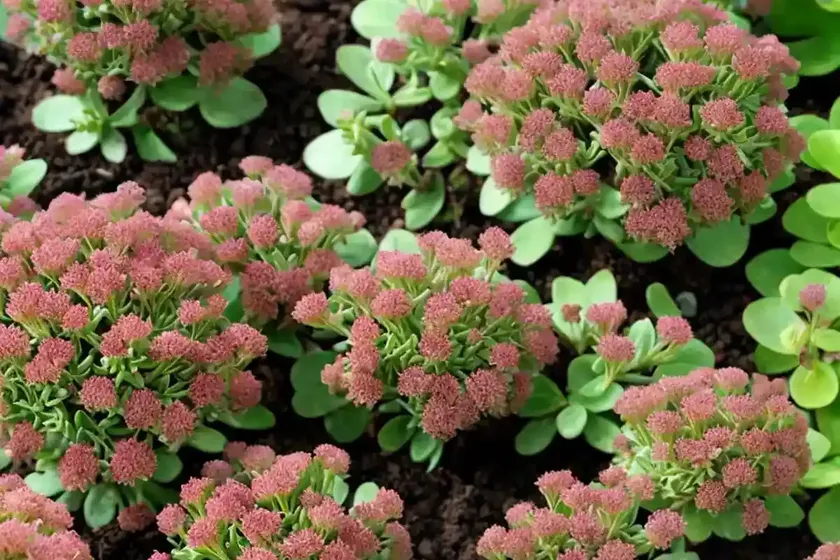
Sedum ‘Cherry Truffle’ is a captivating and versatile succulent plant that belongs to the Stonecrop family. It is renowned for its stunning foliage and distinct growth habits, making it a prized addition to various gardening and landscaping projects. With its resilience to different growing conditions and low-maintenance nature, Sedum ‘Cherry Truffle’ has gained popularity among gardening enthusiasts and landscape designers.
This comprehensive guide delves into the various aspects of cultivating and caring for Sedum ‘Cherry Truffle,’ from its cultural requirements to its uses, growth habits, and propagation techniques.
Key Takeaways – Sedum ‘Cherry Truffle’ (Stonecrop)
Before diving into the intricacies of cultivating Sedum ‘Cherry Truffle,’ let’s highlight some key takeaways about this remarkable plant:
- Botanical Name: Sedum ‘Cherry Truffle’
- Common Name: Stonecrop
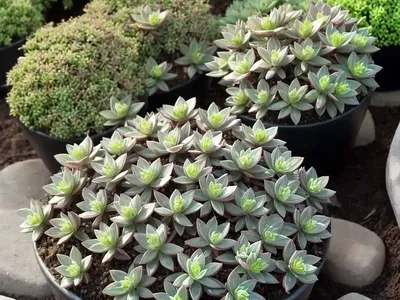
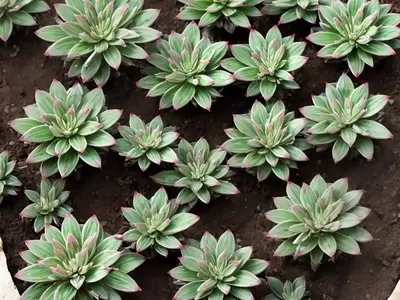
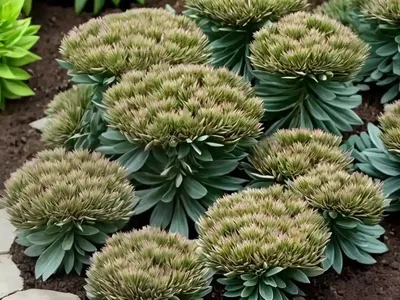
- Growth Habit: Clumping succulent with attractive rosettes of foliage
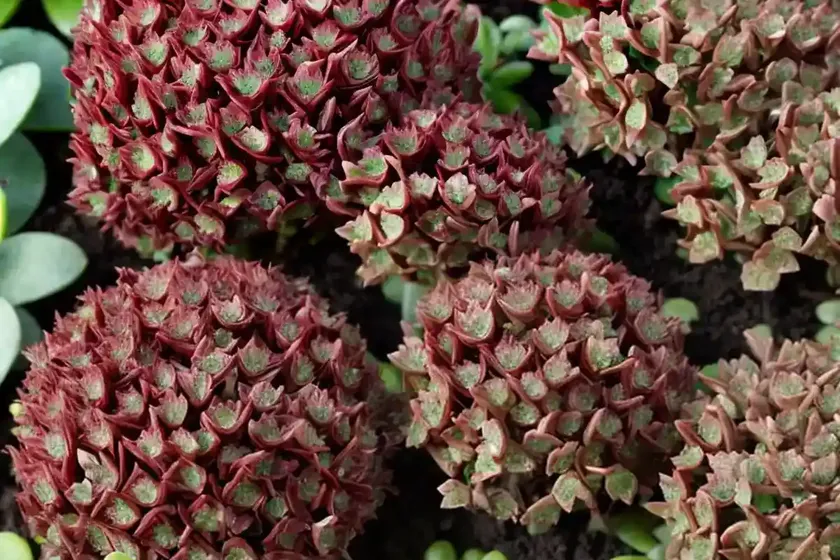
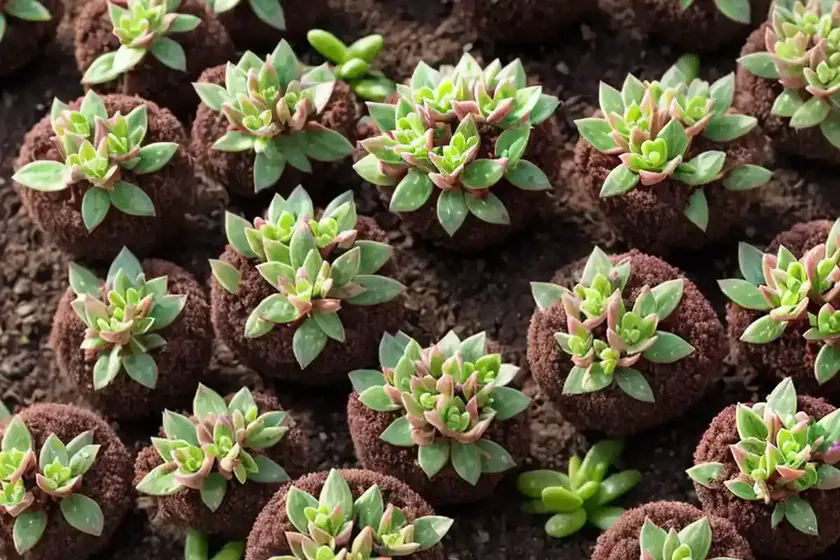
- Foliage Color: Variegated green leaves with burgundy-red margins
- Flowering Season: Late summer to early fall
- Water Needs: Low to moderate
- Sunlight Requirements: Full sun to partial shade
- Soil Preferences: Well-draining, sandy or loamy soil
- Growth Zones: Hardy in USDA zones 4-9
- Uses: Ground cover, container gardens, rockeries, and dry landscapes
- Special Attributes: Drought-tolerant, low-maintenance, and attractive to pollinators
As we explore the various facets of Sedum ‘Cherry Truffle,’ you will gain valuable insights into its cultivation, care, and potential applications in your gardening endeavors.
Culture
Uses
The versatile nature of Sedum ‘Cherry Truffle’ makes it suitable for an array of landscaping and gardening purposes. Some of its primary uses include:
- Ground Cover: Its spreading growth habit and attractive foliage make it an excellent choice for ground cover in sunny to partially shaded areas.
- Container Gardens: Sedum ‘Cherry Truffle’ thrives in containers and is often used to add visual interest to patio gardens, rooftop landscapes, and mixed succulent arrangements.
- Rockeries: The low-growing and drought-tolerant nature of this stonecrop makes it an ideal component of rock gardens and alpine landscapes.
- Dry Landscapes: Given its exceptional drought tolerance, Sedum ‘Cherry Truffle’ is well-suited for xeriscaping projects, where water-wise and low-maintenance plants are desired.
These diverse uses underscore the adaptability and aesthetic appeal of Sedum ‘Cherry Truffle’ in different garden settings.
Water
Sedum ‘Cherry Truffle’ has moderate water needs and is well-adapted to drier conditions. When establishing this plant, it is essential to provide adequate moisture to promote root establishment. Once established, minimal supplemental watering is typically required, making it an excellent choice for water-wise landscapes. In regions with intense heat or prolonged dry spells, occasional irrigation may be necessary to support optimal growth and prevent excessive desiccation.
Sunlight
Sedum ‘Cherry Truffle’ thrives in full sun to partial shade, making it adaptable to a wide range of light conditions. In regions with scorching sun exposure, partial shade can help protect the succulent’s foliage from excessive heat stress. When grown indoors, ensure the plant receives ample sunlight through a bright window or supplemental grow lights to promote healthy growth.
Fertilizer
Sedum ‘Cherry Truffle’ generally does not require frequent fertilization, especially when grown in well-amended, nutrient-rich soil. However, a light application of balanced fertilizer in early spring can provide a nutrient boost to support vigorous growth and enhance the plant’s overall appearance. Avoid excessive fertilization, as succulents are sensitive to nutrient imbalances, which can lead to issues such as leggy growth and reduced drought tolerance.
Soil
The ideal soil for Sedum ‘Cherry Truffle’ is well-draining, sandy, or loamy soil, which mimics its natural habitat and prevents waterlogged conditions that can cause root rot. Amending heavy clay soils with organic matter or coarse sand can improve drainage and create a more hospitable environment for the plant’s root system. When growing Sedum ‘Cherry Truffle’ in containers, choose a well-draining potting mix formulated for succulents and cacti to ensure optimal growth and prevent moisture-related issues.
Pruning
Pruning requirements for Sedum ‘Cherry Truffle’ are minimal, primarily focused on removing any dead or decaying foliage and spent flower stalks. This practice not only enhances the plant’s aesthetic appeal but also promotes air circulation and reduces the risk of fungal diseases. To maintain a tidy appearance and encourage compact growth, occasional light pruning may be performed, especially in early spring before the onset of new growth.
Propagation
Container Popularity
Given its compact growth habit and ornamental appeal, Sedum ‘Cherry Truffle’ is popularly grown in containers as a focal point in succulent arrangements or as a standalone specimen. Its ability to thrive in various container sizes, from small pots to larger planters, makes it a versatile choice for indoor and outdoor container gardening projects.
Propagation
Sedum ‘Cherry Truffle’ can be propagated through several methods, including:
- Division: Separating offsets or individual rosettes from the parent plant and replanting them in suitable growing conditions.
- Leaf Cuttings: Harvesting healthy leaves and allowing them to callus before planting them in well-draining soil to produce new plants.
- Stem Cuttings: Taking stem cuttings and allowing them to dry before planting them in a suitable rooting medium to develop roots and establish new plants.
These propagation methods offer plant enthusiasts the opportunity to expand their collection of Sedum ‘Cherry Truffle’ and share this captivating succulent with other gardening enthusiasts.
Common Diseases
Sedum ‘Cherry Truffle’ is generally resilient to major diseases when grown in suitable growing conditions. However, it is important to monitor the plant for signs of fungal infections, particularly under conditions of excessive moisture or poor air circulation. Common diseases that may affect Sedum ‘Cherry Truffle’ include:
- Powdery Mildew: A fungal disease that manifests as a powdery white coating on the foliage, often caused by high humidity and insufficient air movement.
- Root Rot: Resulting from waterlogged soil, root rot can lead to the decay of the plant’s roots, ultimately impacting its overall health and vigor.
Implementing preventive measures such as proper watering practices, adequate spacing between plants, and well-draining soil can mitigate the risk of these diseases and maintain the plant’s vitality.
Disease Diagnosis
In the event of suspected disease issues on Sedum ‘Cherry Truffle,’ promptly diagnose the symptoms to determine the appropriate course of action. Common signs of diseases include:
- Abnormal foliage discoloration or spotting
- Powdery or fuzzy growth on the leaves
- Stunted growth or wilting despite adequate watering
- Soft, discolored, or malodorous roots
Once the symptoms are identified, timely intervention through cultural adjustments or targeted treatments can prevent the spread of diseases and safeguard the plant’s health.
Common Pests
Sedum ‘Cherry Truffle’ is relatively resistant to pest infestations, owing to its succulent nature and defensive properties. However, some pests may still pose a threat to its well-being, including:
- Aphids: Small, sap-sucking insects that can cluster on the tender growth tips and undersides of the leaves.
- Mealybugs: Soft-bodied insects that produce a white, cottony substance and feed on the plant’s succulent tissues.
- Spider Mites: Tiny arachnids that cause stippled, yellowish foliage as they feed on plant sap.
Regular monitoring and early detection are crucial in managing pest infestations effectively. Natural predators, such as ladybugs and lacewings, can also contribute to pest control efforts for a balanced and sustainable approach to managing pest issues.
Botanist’s Tips
Sedum ‘Cherry Truffle’ is a relatively low-maintenance plant suited for both novice and experienced gardeners. To ensure its continued health and vitality, consider the following botanist’s tips:
- Monitor Watering Practices: Avoid overwatering, especially in poorly draining soil, to prevent root rot and other moisture-related issues.
- Provide Adequate Sunlight: Position the plant in a location that receives ample sunlight, as this is essential for its growth and coloration.
- Introduce Seasonal Mulching: Apply a layer of organic mulch around the plants to conserve soil moisture and suppress weed growth while enhancing the visual appeal of the planting area.
- Embrace Sustainable Pest Management: Encourage natural predators such as beneficial insects and birds to establish a balanced ecosystem in the garden, reducing the reliance on chemical pest control methods.
Following these tips can contribute to successful cultivation and long-term enjoyment of Sedum ‘Cherry Truffle’ in various garden settings.
Fun Facts
While exploring the captivating world of Sedum ‘Cherry Truffle,’ consider these intriguing and delightful fun facts about this exceptional plant:
- The variegated foliage of Sedum ‘Cherry Truffle’ exhibits an exquisite blend of green hues with striking burgundy-red margins, adding an alluring touch to its appearance.
- As a drought-tolerant plant, Sedum ‘Cherry Truffle’ can thrive in challenging growing conditions, making it an ideal choice for water-wise landscaping projects.
- Its ability to attract pollinators, such as bees and butterflies, contributes to the ecological value of garden spaces, supporting biodiversity and the overall health of the ecosystem.
- Sedum ‘Cherry Truffle’ exhibits exceptional versatility, seamlessly transitioning between landscape plantings, container gardens, and rockeries with its charming presence and resilient nature.
These fun facts showcase the unique characteristics and appeal of Sedum ‘Cherry Truffle,’ instilling a sense of appreciation for its intrinsic beauty and ecological significance.
Links to External Resources
For further information and exploration of Sedum ‘Cherry Truffle’ and related plant topics, here are some recommended external resources:
- The Sedum Society – A dedicated community and resource hub for Sedum enthusiasts, providing valuable insights, cultivation tips, and a platform for plant enthusiasts to connect.
- Royal Horticultural Society – An authoritative source offering comprehensive plant profiles, cultivation guidelines, and horticultural expertise to support successful gardening endeavors.
- American Horticultural Society – A reputable organization providing educational content, horticultural events, and resources for plant enthusiasts and horticultural professionals, including insights into Sedum ‘Cherry Truffle’ care and landscaping applications.
These external resources offer valuable information, expert insights, and opportunities for further engagement within the vibrant community of plant enthusiasts and horticultural professionals.
In conclusion, the captivating allure and adaptability of Sedum ‘Cherry Truffle’ (Stonecrop) make it an outstanding addition to diverse garden settings and landscaping projects. Whether used as a ground cover, container specimen, or rock garden accent, its resilience, low-maintenance nature, and ornamental characteristics contribute to its popularity among plant enthusiasts. By embracing the insights and recommendations outlined in this comprehensive guide, gardening enthusiasts can cultivate and appreciate the charm of Sedum ‘Cherry Truffle’ while fostering sustainable and visually captivating garden spaces.
Would you like to make any changes or additions to the content?