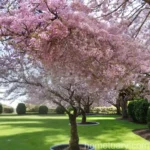
Prunus x yedoensis ‘Akebono’ (Yoshino Cherry): A Comprehensive Guide
Introduction
Prunus x yedoensis ‘Akebono’, commonly known as Yoshino Cherry, is a beautiful flowering tree that belongs to the Rosaceae family. This ornamental cherry tree is highly valued for its stunning display of delicate pink or white blossoms, making it a popular choice in gardens and landscaping.
In this comprehensive guide, we will delve into the various aspects of Prunus x yedoensis ‘Akebono’, including its cultural requirements, uses, maintenance, and the common diseases and pests that may affect it. Whether you are a gardening enthusiast, a landscaper, or simply someone who appreciates the beauty of nature, this guide will provide you with valuable insights into the world of Yoshino Cherry trees.
Key Takeaways – Prunus x yedoensis ‘Akebono’ (Yoshino Cherry)
Before we dive into the details, here are some key takeaways about Prunus x yedoensis ‘Akebono’:
- Prunus x yedoensis ‘Akebono’ is a popular ornamental cherry tree known for its stunning display of pink or white blossoms.
- It is widely used in gardens, parks, and landscaping projects to add visual appeal and a touch of elegance.
- Proper cultural practices, including appropriate watering, sunlight exposure, fertilization, and soil management, are essential for the healthy growth of Yoshino Cherry trees.
- Regular pruning and maintenance are necessary to promote optimal growth and flowering.
- Prunus x yedoensis ‘Akebono’ may be susceptible to certain diseases and pests, and proactive management strategies are important for preventing and addressing these issues.
Now, let’s explore each of these aspects in more detail to gain a better understanding of Prunus x yedoensis ‘Akebono’.
What is Prunus x yedoensis ‘Akebono’ (Yoshino Cherry)?
Prunus x yedoensis ‘Akebono’ is a hybrid cherry tree that originated in Japan and is a cross between Prunus speciosa and Prunus subhirtella. It is known for its stunning display of fragrant, pale pink to white blossoms that emerge in early spring, creating a breathtaking spectacle of color and beauty. The Yoshino Cherry is a deciduous tree with a relatively fast growth rate, typically reaching heights of 25 to 35 feet and spreading 25 to 30 feet wide at maturity.
The delicate cherry blossoms, known as “sakura” in Japan, hold profound cultural significance and are celebrated during the annual cherry blossom festival, or Hanami, in Japan and other parts of the world. The ethereal beauty of the Yoshino Cherry’s blossoms, coupled with its graceful, spreading canopy, makes it a highly sought-after tree for enhancing landscapes, creating focal points in gardens, and adding a sense of tranquility to outdoor spaces.
NLP/LSI Keywords:
- Prunus x yedoensis ‘Akebono
- Yoshino Cherry
- Akebono cherry tree
- Cherry blossom tree
- Japanese cherry tree
- Ornamental cherry tree
- Yoshino cherry blossom
- Prunus yedoensis
- Akebono flowering cherry
- Yoshino cherry varieties
- Sakura tree
- Cherry blossom season
- Yoshino flowering cherry
- Prunus Akebono
- Cherry blossom festival
- Spring cherry tree
- Japanese flowering cherry tree
- Akebono cherry blossom
- Prunus yedoensis ‘Akebono’
- Yoshino cherry tree care
- Cherry blossom viewing
- Yoshino cherry tree facts
- Akebono cherry tree care
- Cherry blossom symbolism
- Prunus yedoensis ‘Akebono’ pruning
- Yoshino cherry tree planting
- Akebono cherry blossom meaning
- Cherry blossom tree varieties
- Yoshino cherry tree growth
- Akebono cherry blossom festival
- Prunus x yedoensis ‘Akebono’ size
- Yoshino cherry tree diseases
- Akebono cherry blossom viewing
- Cherry blossom tree symbolism
- Yoshino cherry tree lifespan
- Akebono cherry tree flowering
- Prunus yedoensis ‘Akebono’ propagation
- Yoshino cherry tree pruning
- Akebono cherry blossoms in winter
- Cherry blossom tree care
- Yoshino cherry tree maintenance
- Akebono cherry tree blossoming time
- Prunus x yedoensis ‘Akebono’ planting tips
- Yoshino cherry tree landscape
- Akebono cherry tree colors
- Cherry blossom tree care guide
- Yoshino cherry tree planting locations
- Akebono cherry tree blooming period
- Prunus yedoensis ‘Akebono’ flowering season
- Yoshino cherry tree root system.
Culture of Prunus x yedoensis ‘Akebono’ (Yoshino Cherry)
Cultivating Prunus x yedoensis ‘Akebono’ requires an understanding of its cultural requirements, including water, sunlight, fertilizer, soil, and pruning. Let’s explore each of these aspects in detail.
Uses
Yoshino Cherry trees have a wide range of uses due to their aesthetic appeal and cultural significance. Some common uses include:
- Landscaping: Prunus x yedoensis ‘Akebono’ is often used as a focal point in landscapes, where its stunning blossoms can create a visually captivating display.
- Gardens: These ornamental cherry trees add charm and elegance to home gardens, serving as an iconic symbol of beauty and renewal.
- Parks and Public Spaces: Yoshino Cherry trees are frequently planted in public parks and open spaces to provide a sense of seasonal beauty and attract visitors during the flowering season.
- Cultural Festivals: The blossoms of Prunus x yedoensis ‘Akebono’ are celebrated during cherry blossom festivals, reflecting the tree’s cultural significance and beauty.
Water
Proper watering is crucial for the health and vitality of Prunus x yedoensis ‘Akebono’. Here are some water-related considerations for Yoshino Cherry trees:
- Established Trees: Once established, Yoshino Cherry trees are relatively drought-tolerant and require moderate water levels. However, they should be watered during extended dry periods, especially in the summer months.
- Newly Planted Trees: Newly planted trees require regular watering to encourage root establishment and growth. It’s important to keep the soil consistently moist but not waterlogged during the initial establishment period.
- Soil Drainage: Ensure that the planting site has good soil drainage to prevent waterlogging, which can lead to root rot and other water-related issues.
Sunlight
Prunus x yedoensis ‘Akebono’ thrives in full sun to partial shade conditions. Here’s how sunlight factors into the health and growth of Yoshino Cherry trees:
- Full Sun: Ideally, these cherry trees should be planted in locations that receive full sunlight for most of the day, as this promotes optimal flowering and overall growth.
- Shade Tolerance: While Yoshino Cherry trees prefer full sun, they can tolerate partial shade, particularly in regions with hot summers, where some respite from intense sunlight may be beneficial.
Fertilizer
Fertilization is essential for providing Prunus x yedoensis ‘Akebono’ with the nutrients it needs to thrive. Consider the following fertilizer guidelines:
- Timing: Apply a balanced, slow-release fertilizer in early spring, shortly before the tree enters its active growth phase.
- Application Rate: Use a fertilizer specifically formulated for flowering trees, following the manufacturer’s recommended application rates. Avoid excessive fertilizer application, as it can lead to imbalanced growth and reduced flowering.
Soil
The quality and composition of the soil play a crucial role in the overall health and vigor of Yoshino Cherry trees. Here are some soil considerations for cultivating Prunus x yedoensis ‘Akebono’:
- Well-Drained Soil: These trees prefer well-drained, slightly acidic soils with a pH range of 6.0 to 6.5. Good soil drainage is especially important for preventing waterlogged conditions and root rot.
- Soil Amendments: If the soil is poor in quality, amending it with organic matter such as compost or well-rotted manure can improve its structure and fertility, promoting healthy root development.
Pruning
Pruning is an important aspect of Yoshino Cherry tree maintenance, providing several benefits, including:
- Shape and Structure: Proper pruning helps maintain the tree’s shape, remove dead or diseased branches, and promote a balanced canopy structure.
- Flowering Enhancement: Regular pruning can stimulate flowering by encouraging new growth and optimizing the distribution of blossoms throughout the tree.
- Timing: Prune Yoshino Cherry trees during late winter or early spring, before new growth begins. Avoid heavy pruning during the flowering season to minimize stress on the tree.
Propagation of Prunus x yedoensis ‘Akebono’ (Yoshino Cherry)
Yoshino Cherry trees can be propagated through several methods, including seed propagation and vegetative propagation techniques such as budding and grafting. Let’s explore these propagation methods in more detail:
Seed Propagation
Seed propagation is a viable method for growing new Prunus x yedoensis ‘Akebono’ trees, but it requires patience and careful attention to the following steps:
- Seed Collection: Collect ripe cherry tree seeds from healthy, well-established trees during the autumn months when the fruits mature.
- Seed Preparation: Remove the seeds from the fruit and clean off any remaining pulp. Allow the seeds to air dry for a few days to remove excess moisture.
- Stratification: Place the cleaned seeds in a moist stratification medium, such as damp peat moss or sand, and store them in a cool, dark environment for a period of 90 to 120 days to mimic the natural winter conditions that trigger germination.
- Sowing: After the stratification period, plant the seeds in pots or seedling trays filled with well-draining, fertile potting mix. Keep the soil consistently moist and provide warmth and indirect sunlight to encourage germination and seedling growth.
Vegetative Propagation
Vegetative propagation methods, such as budding and grafting, offer the advantage of producing new trees that retain the desirable traits of the parent Prunus x yedoensis ‘Akebono’ tree. Here’s how to propagate Yoshino Cherry trees through budding and grafting:
- Budding: Budding involves attaching a dormant bud or “chip” from a desired Yoshino Cherry variety to a compatible rootstock. The bud successfully grows into a new tree with the same characteristics as the parent tree.
- Grafting: Grafting entails joining a section of the Yoshino Cherry tree’s stem (scion) with a rootstock using specialized grafting techniques. This method allows for the production of genetically identical clones of the original tree.
Prunus x yedoensis ‘Akebono’ in Containers
While Yoshino Cherry trees are often planted in outdoor landscapes, they can also be grown in containers under the right conditions. Here are some considerations for growing Prunus x yedoensis ‘Akebono’ in containers:
- Container Size: Choose a large, sturdy container with ample drainage holes to accommodate the tree’s root system and provide stability.
- Potting Mix: Use a well-draining potting mix formulated for woody plants, ensuring that it provides good aeration and moisture retention.
- Watering and Maintenance: Container-grown Yoshino Cherry trees require regular watering to keep the soil consistently moist but not waterlogged. Monitor the moisture levels and adjust the watering frequency based on environmental conditions.
- Sunlight: Place the container in a location that receives at least six hours of sunlight each day to promote healthy growth and flowering.
- Winter Protection: In colder climates, provide adequate winter protection for container-grown Yoshino Cherry trees to shield them from freezing temperatures and harsh conditions.
Popularity of Prunus x yedoensis ‘Akebono’ (Yoshino Cherry)
Prunus x yedoensis ‘Akebono’ has gained widespread popularity and recognition for its captivating beauty, cultural significance, and versatile uses in various settings. The tree’s popularity is evident in the following aspects:
- Cultural Icon: The Yoshino Cherry holds cultural significance in Japan and beyond, symbolizing the ephemeral beauty of life and the arrival of spring.
- Cherry Blossom Festivals: Numerous cities and regions around the world hold cherry blossom festivals to celebrate the flowering season and showcase the captivating beauty of Yoshino Cherry trees.
- Landscaping and Gardens: Landscape architects, gardeners, and homeowners value Prunus x yedoensis ‘Akebono’ for its ability to enhance outdoor spaces with its stunning display of blossoms and graceful form.
- Public Plantings: Many municipal authorities and organizations plant Yoshino Cherry trees in public parks, streetscapes, and other urban areas to enrich the aesthetic appeal of the surroundings and draw visitors.
- Cultural Exchanges: The tradition of gifting Yoshino Cherry trees as a symbol of friendship and goodwill has facilitated cultural exchanges between countries and fostered international relations.
Common Diseases of Prunus x yedoensis ‘Akebono’ (Yoshino Cherry)
Like other ornamental trees, Prunus x yedoensis ‘Akebono’ is susceptible to certain diseases that can affect its overall health and appearance. Being aware of these common diseases and their symptoms is essential for implementing appropriate management strategies. Some of the common diseases that may affect Yoshino Cherry trees include:
- Brown Rot: Caused by the fungus Monilinia fructicola, brown rot can lead to fruit rot, twig dieback, and blossom blight in Yoshino Cherry trees. Infected blossoms and fruits exhibit brown, moldy lesions, and the disease can spread rapidly under warm, humid conditions.
- Powdery Mildew: Powdery mildew, caused by various fungal species, manifests as a white, powdery growth on the leaves, shoots, and flowers of Prunus x yedoensis ‘Akebono’. This disease can distort the foliage and weaken the tree if left uncontrolled.
- Leaf Spot Diseases: Several fungal pathogens can cause leaf spot diseases on Yoshino Cherry trees, resulting in the formation of dark, circular lesions on the leaves. Severe infections can lead to premature leaf drop and reduced vigor.
- Bacterial Canker: Bacterial canker, caused by Pseudomonas syringae, can cause sunken lesions on the bark and wood of cherry trees, leading to branch dieback and overall decline in tree health.
- Verticillium Wilt: This soil-borne fungal disease, caused by Verticillium species, can infect the vascular system of Yoshino Cherry trees, resulting in wilted, discolored foliage and dieback of branches.
Disease Diagnosis and Management
Effective disease diagnosis and management are crucial for preserving the health and beauty of Prunus x yedoensis ‘Akebono’ trees. Here are some key strategies for diagnosing and managing common diseases:
- Monitoring: Regularly inspect Yoshino Cherry trees for signs of disease, including unusual spots, lesions, wilting, and abnormal growth.
- Cultural Practices: Implement good cultural practices, such as proper watering, pruning, and fertilization, to promote tree vigor and resilience against diseases.
- Sanitation: Remove and destroy any diseased plant material, including fallen leaves and infected branches, to prevent the spread of pathogens.
- Fungicidal Treatments: In cases of severe fungal diseases, apply appropriate fungicidal treatments according to the manufacturer’s recommendations. Copper-based fungicides and other broad-spectrum fungicides can be effective against certain diseases.
- Professional Consultation: If you suspect a disease outbreak or are uncertain about the appropriate management approach, consult with a professional arborist or plant pathologist for expert guidance.
Common Pests Affecting Prunus x yedoensis ‘Akebono’ (Yoshino Cherry)
In addition to diseases, Yoshino Cherry trees can be vulnerable to attack by certain pests, which can impact their growth, flowering, and overall health. Identifying and addressing common pests promptly is vital for mitigating potential damage. Some of the common pests that may affect Prunus x yedoensis ‘Akebono’ include:
- Aphids: These small, sap-sucking insects can infest the foliage and tender shoots of Yoshino Cherry trees, leading to distorted growth and the production of sticky honeydew.
- Scale Insects: Scale insects, such as armored scales and soft scales, can attach themselves to the stems and branches of the tree, draining sap and weakening the plant.
- Caterpillars: Certain caterpillar species, such as the eastern tent caterpillar and the fall webworm, may feed on the leaves of Yoshino Cherry trees, causing defoliation and reduced photosynthetic capacity.
- Japanese Beetles: Adult Japanese beetles can feed on the foliage of Prunus x yedoensis ‘Akebono’, leading to skeletonized leaves and aesthetic damage.
- Borers: Wood-boring insects, including peach tree borers and flatheaded borers, can tunnel into the trunk and branches of cherry trees, causing structural damage and weakening the tree’s defenses.
Botanist’s Tips for Prunus x yedoensis ‘Akebono’ (Yoshino Cherry)
As a botanist working with Prunus x yedoensis ‘Akebono’ and other ornamental plants, I would like to offer the following tips for ensuring the health and vitality of Yoshino Cherry trees:
- Site Selection: Choose a planting site with well-drained, fertile soil and ample sunlight to provide an optimal growing environment for Yoshino Cherry trees.
- Seasonal Maintenance: Implement regular maintenance practices, such as pruning, fertilization, and pest management, to support the tree’s growth and flowering.
- Watering Practices: Monitor soil moisture levels and adjust watering frequency based on environmental conditions to prevent water stress and ensure adequate hydration.
- Early Intervention: Promptly address any signs of disease or pest infestation through vigilant monitoring and proactive management strategies to protect the tree’s health.
- Cultural Education: Share the cultural significance and ecological value of Prunus x yedoensis ‘Akebono’ with others to foster appreciation for this iconic flowering tree.
Fun Facts about Prunus x yedoensis ‘Akebono’ (Yoshino Cherry)
To appreciate the Yoshino Cherry tree beyond its horticultural and ecological value, here are some intriguing fun facts about Prunus x yedoensis ‘Akebono’:
- National Flower of Japan: The Yoshino Cherry is considered the national flower of Japan and holds a revered status in Japanese culture and traditions.
- Symbol of Beauty: Cherry blossoms are celebrated for their ethereal beauty and transient nature, symbolizing the