Stipa Gigantea (Golden Oats)
The plant world is full of wonders, and one such marvel is the Stipa gigantea, commonly known as Golden Oats. This beautiful ornamental grass has captured.
Introduction
The plant world is full of wonders, and one such marvel is the Stipa gigantea, commonly known as Golden Oats. This beautiful ornamental grass has captured the hearts of many gardeners and landscape enthusiasts with its stunning appearance and versatile nature. In this comprehensive guide, we will delve into the intricate details of Stipa gigantea, exploring its cultural requirements, uses, maintenance, and much more. Whether you are a seasoned gardener or a novice plant enthusiast, this article will equip you with the knowledge and insights to cultivate and appreciate this extraordinary plant.
What is Stipa gigantea (Golden Oats)?
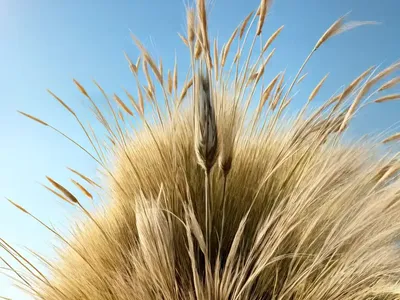
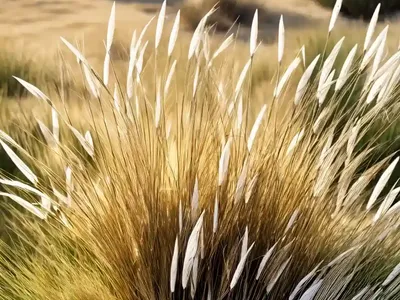
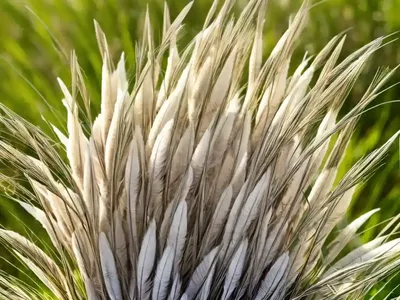
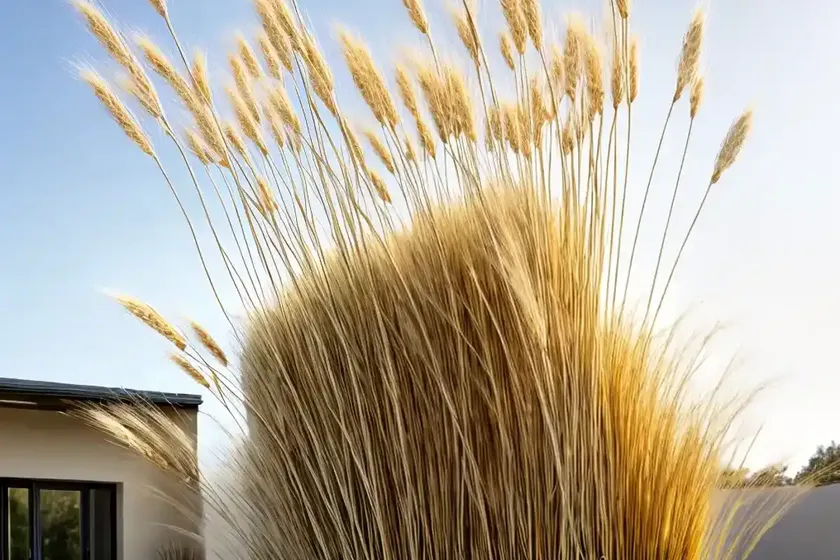
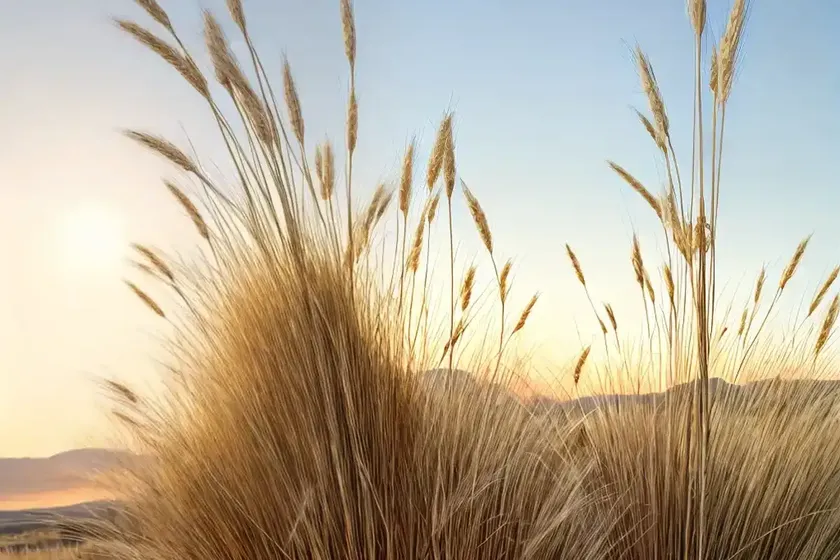
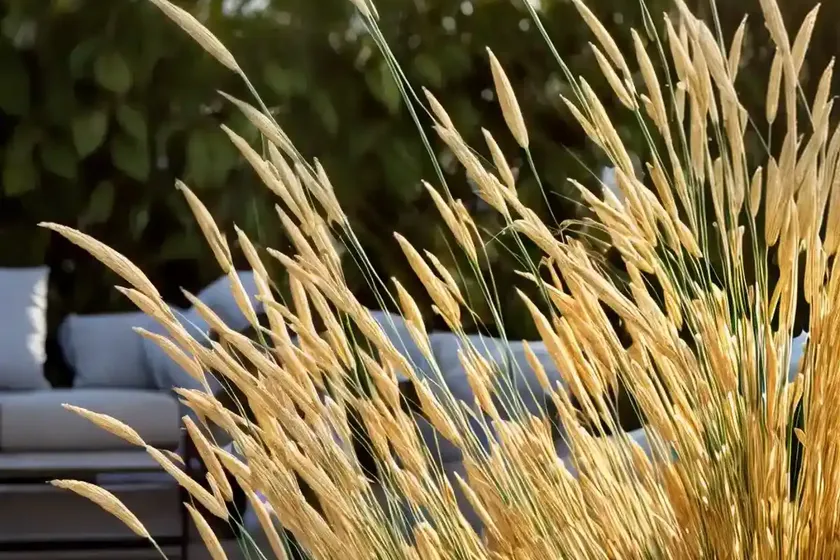
Stipa gigantea, belonging to the Poaceae family, is a captivating ornamental grass renowned for its gracefully arching stems and golden-hued, oat-like flower heads. Native to southern Europe, this perennial grass is esteemed for its ability to add texture, movement, and visual interest to garden landscapes. With its remarkable adaptability and low maintenance requirements, Stipa gigantea has become a cherished choice for gardeners seeking a touch of elegance and sophistication in their outdoor spaces.
Key Takeaways – Stipa gigantea (Golden Oats)
Before we delve into the detailed care and cultivation practices for Stipa gigantea, let’s take a look at the key takeaways encompassing its characteristics, uses, and maintenance requirements:
1. Culture
Stipa gigantea is a versatile ornamental grass that thrives in a variety of garden settings, from formal landscapes to naturalistic meadows. Its feathery, golden flower heads add a soft and graceful charm to any garden composition.
2. Uses
This grass is widely used in landscaping for its striking visual appeal and ability to add texture and movement to garden beds and borders. It can also be employed as an erosion control measure due to its robust root system.
3. Water
Stipa gigantea exhibits moderate water needs and is notably drought-tolerant once established. It is well-suited for water-wise gardening and xeriscaping projects.
4. Sunlight
Thriving in full sun to partial shade, Golden Oats displays a remarkable adaptability to different light conditions, making it suitable for a range of garden environments.
5. Fertilizer
Featuring low fertilizer requirements, Stipa gigantea is an ideal choice for low-maintenance landscapes.
6. Soil
It prefers well-draining soil and is tolerant of a variety of soil types, including sandy and loamy soils.
7. Pruning
Minimal pruning is necessary for Stipa gigantea. Regular removal of old stems and flower heads in late winter or early spring helps maintain its aesthetic appeal.
8. Propagation
Propagation can be achieved through division in early spring or by sowing seeds in containers.
With these key insights in mind, let’s embark on a journey to discover the enchanting world of Stipa gigantea, uncovering its growth habits, care requirements, and unique attributes.
Culture
Stipa gigantea, or Golden Oats, exemplifies a plant that seamlessly integrates into diverse cultural and landscape settings. Whether used as a focal point in a garden or as part of a mixed planting scheme, its adaptability and aesthetic allure make it an invaluable addition to horticultural pursuits.
Growing Conditions
Golden Oats Planting Tips: When cultivating Stipa gigantea, it is crucial to provide an environment that aligns with its preferred growing conditions. Understanding its cultural requirements is essential for promoting healthy growth and vibrant displays of foliage and flower heads. Here are the key cultural aspects to consider when growing Stipa gigantea:
-
Sunlight Requirements: Stipa gigantea thrives in full sun to partial shade. When selecting a planting location, prioritize areas that receive ample sunlight while offering some shelter from intense midday heat. In regions with scorching summers, partial shade can provide relief and prevent stress on the plant.
-
Soil Preferences: Well-drained soil is paramount for Stipa gigantea’s success. It excels in moderately fertile, loamy soil but can tolerate a wide range of soil types, including sandy and rocky substrates. Ensuring proper drainage is crucial to prevent waterlogged conditions, which can hinder the plant’s growth and promote root diseases.
-
Watering Needs: While Stipa gigantea showcases admirable drought tolerance once established, adequate moisture is crucial during its initial establishment phase. Regular watering during the first growing season promotes robust root development and lays the foundation for the plant’s resilience to dry spells. After establishment, Golden Oats typically thrives with minimal supplemental watering, making it an excellent choice for water-wise landscapes.
-
Climate and Hardiness Zones: Stipa gigantea is well-suited to a range of climates, including Mediterranean, temperate, and semi-arid regions. It exhibits remarkable hardiness and can thrive in USDA hardiness zones 6 to 9, enduring both mild winters and moderately cold temperatures with adequate protection.
Planting Considerations
When introducing Stipa gigantea to a garden or landscape, thoughtful consideration of its growth habits and spatial requirements is essential. Implementing the following planting tips ensures an optimal environment for the plant to flourish:
-
Spacing: Adequate spacing between Stipa gigantea plants is essential to facilitate proper air circulation and prevent overcrowding. When planting multiple specimens, maintain a spacing of approximately 18 to 24 inches between individual plants to accommodate their mature size and ensure each plant receives adequate light and resources.
-
Companion Planting: Golden Oats can be paired with a diverse array of companion plants to create visually engaging and harmonious garden compositions. Its delicate, feathery texture and golden inflorescences complement a wide range of perennials, shrubs, and ornamental grasses, adding depth and visual interest to the landscape.
-
Landscape Design: Incorporating Stipa gigantea into garden borders, rockeries, or naturalistic meadows can elevate the visual appeal of the landscape. When planning its placement, consider its ornamental attributes, growth habits, and potential movement in the wind to maximize its impact within the garden design.
By adhering to these cultural considerations and best practices, gardeners can create an environment that fosters the healthy growth and development of Stipa gigantea, allowing its beauty to shine through in the garden or landscape setting.
Uses
Stipa gigantea, with its expressive and ethereal aesthetic, fulfills a plethora of uses in landscaping and garden design. From creating captivating focal points to serving as a low-maintenance ground cover, this versatile grass offers a myriad of functional and ornamental applications.
Landscaping Ideas
Golden Oats Landscape Uses: The adaptive nature and striking visual presence of Stipa gigantea open up a world of landscaping possibilities. Whether utilized in residential gardens, public parks, or commercial landscapes, Golden Oats offers an impressive array of landscaping uses, including:
-
Focal Points: Positioned as a standalone specimen or in small groups, Stipa gigantea functions as a captivating focal point within the landscape. Its feathery, golden flower heads add a touch of elegance and movement, drawing attention and creating visual intrigue.
-
Borders and Edging: The gracefully arching stems and golden inflorescences of Stipa gigantea are well-suited for defining garden borders and pathways. When planted en masse, it forms a delicate yet impactful border that delineates different garden areas while adding a soft, textural border.
-
Rockeries and Slopes: Incorporating Golden Oats into rock gardens, terraced slopes, or embankments showcases its ability to merge seamlessly with rugged terrains and infuse softness and fluidity into steep landscapes. Its resistance to drought and wind make it an ideal candidate for these challenging environments.
-
Meadow Plantings: Within naturalistic meadows or prairie-style plantings, Stipa gigantea contributes a sense of movement and authenticity, evoking the charm of wild grasslands. It harmonizes with wildflowers and other grasses, enhancing the biodiversity and visual richness of the planting scheme.
-
Container Gardening: When employed in containers or ornamental pots, Stipa gigantea adds a vertical dimension and textural contrast to patio spaces, courtyards, and urban gardens. Its graceful demeanor and low maintenance needs make it an appealing choice for container gardening enthusiasts.
By exploring these landscaping ideas and utilizing Stipa gigantea in diverse garden settings, landscapers and garden designers can harness its captivating allure and transformative potential to elevate the aesthetic appeal of outdoor spaces.
Water
Understanding the water requirements of Stipa gigantea is essential for ensuring its vitality and resilience in various garden landscapes. With a balanced approach to irrigation and an emphasis on water conservation, gardeners can foster the health and vigor of Golden Oats while promoting sustainable gardening practices.
Watering Guidelines
Stipa gigantea Water Needs: To optimize the growth and performance of Golden Oats, it’s crucial to tailor the watering regimen to its specific needs. Consider the following guidelines to provide adequate moisture without overburdening the plant:
-
Initial Establishment: During the initial establishment phase, provide consistent moisture to facilitate robust root development. This entails regular watering at the base of the plant, ensuring that the root zone remains evenly moist without becoming waterlogged.
-
Established Plants: Once Stipa gigantea has acclimated and established a strong root system, it displays commendable drought tolerance and can thrive with minimal supplemental watering. Monitor soil moisture levels and irrigate only when necessary, allowing the soil to dry out partially between waterings to prevent waterlogged conditions.
-
Drought Conditions: In regions characterized by prolonged drought or limited rainfall, Golden Oats exhibits resilience and can endure extended dry periods without detriment to its health. While it can withstand drought, occasional supplemental irrigation during extreme dry spells can help maintain its vitality and preserve its ornamental appeal.
-
Watering Techniques: When watering Stipa gigantea, direct the flow of water to the base of the plant to target the root zone. Avoid overhead irrigation, as excessive moisture on the foliage and inflorescences can increase the risk of fungal diseases and diminish the visual appeal of the grass.
By aligning the watering practices with the specific needs and tolerance of Stipa gigantea, gardeners can establish a healthy and sustainable approach to preserving the beauty and vigor of this exceptional ornamental grass.
Sunlight
Sunlight serves as a vital determinant of plant growth and vitality, influencing various physiological processes and ornamental attributes. Understanding the sunlight requirements of Stipa gigantea is integral to its successful cultivation and the preservation of its distinctive visual appeal.
Sun Exposure
Stipa gigantea Sunlight Requirements: Golden Oats exhibits a remarkable adaptability to different light conditions, displaying favorable growth and ornamental characteristics under various degrees of sun exposure. Consider the following sunlight guidelines to optimize the performance of this resilient ornamental grass:
-
Full Sun: Stipa gigantea thrives in full sun, basking in direct sunlight for the majority of the day. When provided with ample sunlight, it manifests its vibrant golden inflorescences and maintains a compact and upright growth habit. In regions with cooler summers, full sun exposure promotes robust growth and abundant flowering.
-
Partial Shade: While excelling in full sun, Stipa gigantea also tolerates partial shade, particularly in areas where intense, prolonged sunlight poses a risk of heat stress. Partial shade provides relief from scorching midday heat, preventing foliage and inflorescences from wilting, desiccating, or becoming sunburned.
-
Sunlight Balance: When determining the ideal planting location, strike a balance between light availability and protection. Position Stipa gigantea in a site that receives ample sunlight during the morning and late afternoon but offers some shelter from the intense midday sun, especially in regions with hot climates or prolonged periods of high temperatures.
-
Adaptive Nature: Golden Oats demonstrates adaptability to diverse light exposures, showcasing vigorous growth and abundant blooms in both full sun and partial shade environments. This remarkable flexibility positions it as a versatile choice for a range of garden and landscape settings.
By catering to the sunlight preferences of Stipa gigantea and providing an optimal exposure regimen, gardeners can harness the plant’s resilience and aesthetic allure while creating vibrant and captivating garden displays.
Fertilizer
Fertilization plays a pivotal role in nourishing plants and supplementing essential nutrients for robust growth and ornamental appeal. While Stipa gigantea exhibits low fertilizer needs, understanding the principles of fertilization enables gardeners to apply targeted and mindful feeding practices.
Feeding Practices
Stipa gigantea Fertilization: With its modest nutrient requirements, Stipa gigantea thrives with minimal fertilization, making it an ideal candidate for low-maintenance landscapes. Follow these fertilization guidelines to support the health and vigor of Golden Oats while respecting its low fertilizer demands:
-
Soil Amendment: Prior to planting Stipa gigantea, amend the soil with organic matter, such as well-rotted compost or aged manure, to enhance soil structure and nutrient content. This initial soil preparation lays a nutritious foundation for the plant to establish robust roots and sustain healthy growth.
-
Balanced Fertilizer Application: While Stipa gigantea displays low fertilizer needs, an application of a balanced, slow-release fertilizer in spring can provide a gentle nutrient boost to support its early growth and development. Opt for a granular fertilizer with an NPK ratio of 10-10-10 or similar, and apply it according to the manufacturer’s guidelines.
-
Minimize Nitrogen: In areas with fertile soils or excess nitrogen content, exercise caution when applying nitrogen-rich fertilizers near Stipa gigantea. Excessive nitrogen can promote lush, vegetative growth at the expense of flower production, potentially compromising the plant’s ornamental appeal.
-
Selective Fertilizer Use: When incorporating Stipa gigantea into mixed plantings or ornamental displays, prioritize the use of low-nitrogen or specialized fertilizers formulated for ornamental grasses. These targeted formulations deliver micronutrients and minerals tailored to the specific needs of ornamental grasses while minimizing the risk of over-fertilization.
By applying these meticulous fertilization practices, gardeners can fortify the growth and vitality of Stipa gigantea while ensuring balanced and sustainable feeding methods that harmonize with the plant’s low-maintenance requirements.
Soil
The soil composition and structure profoundly influence the health and performance of plants, dictating their ability to access nutrients, moisture, and aeration. Grasping the soil preferences of Stipa gigantea is paramount for establishing an environment that nurtures its growth and sustains its ornamental qualities.
Soil Composition
Golden Oats Soil Preferences: Stipa gigantea showcases adaptability to a diverse range of soil types, thriving in well-drained soils while displaying resilience to various soil compositions. Consider the following soil considerations to provide an optimal growing medium for Golden Oats:
-
Well-Drained Soil: Excellent drainage is imperative for Stipa gigantea, as waterlogged or compacted soils can impede root respiration and lead to root rot or other detrimental conditions. Prioritize well-drained planting sites, amending heavy or poorly draining soils with organic matter to enhance their porosity and drainage capacity.
-
Soil pH: Golden Oats tolerates a broad pH range, encompassing acidic, neutral, and slightly alkaline soils. While it displays a preference for moderately fertile, loamy soils with a pH range of 6.0 to 7.5, it can adapt to soils with diverse pH levels, including those with slightly acidic or slightly alkaline characteristics.
-
Soil Texture: Stipa gigantea accommodates various soil textures, encompassing sandy, loamy, and clayey soils. It thrives in moderately fertile, well-aerated loam but can adapt to sandy or rocky soils and exhibits a degree of tolerance to clayey substrates, provided they afford adequate drainage.
-
Soil Preparation: When preparing the planting site for Stipa gigantea, incorporate well-rotted compost, aged manure, or other organic amendments to enhance soil structure and fertility. This initial soil preparation promotes robust root establishment and encourages the plant to flourish in the chosen location.
By aligning the soil composition with the preferences of Stipa gigantea and providing a well-structured, well-drained planting medium, gardeners can create an optimal environment for the plant to thrive and showcase its remarkable ornamental allure.
Pruning
Minimal pruning is essential for maintaining the aesthetic appeal and vigor of Stipa gigantea. By implementing thoughtful and timely pruning techniques, gardeners can preserve the plant’s grace and elegance while promoting healthy growth and abundant flowering.
Pruning Guidelines
Golden Oats Pruning Techniques: To foster robust and resplendent displays of foliage and inflorescences, adhere to these pruning principles and techniques when caring for Stipa gigantea:
-
Late Winter Pruning: In late winter or early spring, conduct a thorough pruning session to rejuvenate and tidy the appearance of Stipa gigantea. Using sharp, clean pruners, remove any old, tattered stems and spent flower heads, cutting them back to the base of the plant. This selective pruning encourages the emergence of fresh growth and enhances the plant’s aesthetic appeal.
-
Sanitation Practices: Throughout the growing season, monitor Stipa gigantea for any discolored or damaged foliage, and promptly remove these affected portions to maintain the plant’s health and vitality. Staying vigilant and practicing regular sanitation ensures that the plant remains free of diseased or unsightly foliage, preserving its pristine appearance.
-
Safety Precautions: When performing pruning tasks, prioritize safety by wearing protective gloves and applying caution to avoid contact with the sharp leaf margins and flower heads of Stipa gigantea. Additionally, exercise care to prevent accidental damage to emerging shoots or neighboring plants during the pruning process.
By adhering to these pruning guidelines and techniques, gardeners can uphold the visual appeal and vigor of Stipa gigantea, cultivating a landscape adorned with the graceful presence of this extraordinary ornamental grass.
Propagation
The propagation of Stipa gigantea presents opportunities to expand its presence in the garden or to share its beauty with fellow gardening enthusiasts. By familiarizing yourself with the propagation methods and techniques, you can multiply this captivating ornamental grass and incorporate it into a wider array of garden settings.
Propagation Methods
Golden Oats Propagation Techniques: When propagating Stipa gigantea, leverage these reliable and effective methods to propagate new plants from seeds or division:
-
Seed Propagation: Sowing Stipa gigantea seeds in containers or seedbeds presents a straightforward and rewarding propagation method. Collect mature seeds from the plant’s flower heads and sow them in well-draining, sterile potting mix in early spring. Maintain consistent moisture and provide ample light to nurture the germination and initial growth of the seedlings.
-
Division: As an established plant matures, its robust clumps can be carefully divided to create new specimens. Conduct division in early spring, carefully excavating the plant and dividing the root mass into manageable sections using a sharp knife or garden spade. Replant the divided segments in prepared soil and provide diligent aftercare to foster their establishment and growth.
-
Rooting Cuttings: While less common, rooting stem cuttings offers an alternative method of propagation for Stipa gigantea. Select healthy