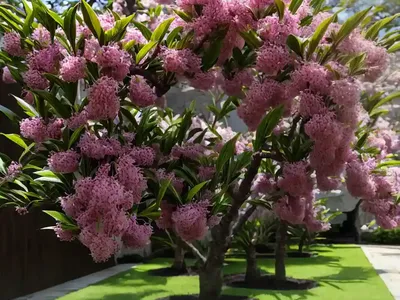
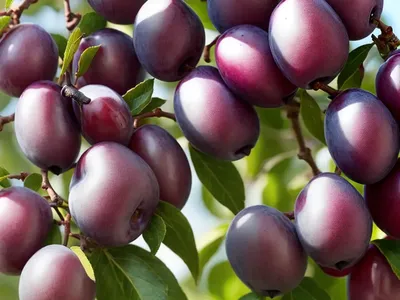
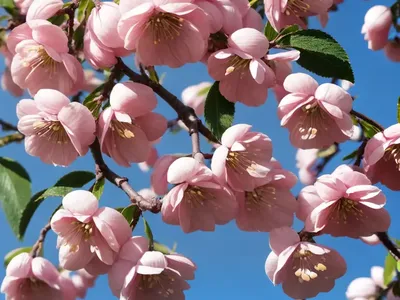
Cherries, Prunus - Flowering Cherry Tree
Prunus Ilicifolia (Hollyleaf Cherry)
Prunus ilicifolia, commonly known as Hollyleaf Cherry, is a fascinating plant species that holds great cultural, ecological, and horticultural.


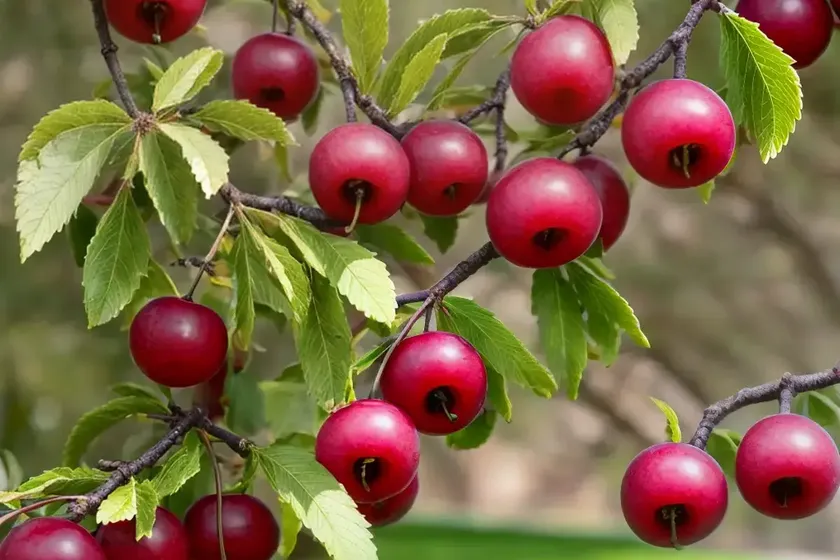
Prunus ilicifolia, commonly known as Hollyleaf Cherry, is a fascinating plant species that holds great cultural, ecological, and horticultural significance. This evergreen shrub or small tree is native to the coastal regions of California and Northern Baja California, where it thrives in diverse habitats, from chaparral to oak woodlands.
In this comprehensive guide, we will explore the various aspects of Prunus ilicifolia, including its cultural significance, uses in landscaping, water and sunlight requirements, propagation techniques, common diseases and pests, and much more. Whether you are a botany enthusiast, a landscape designer, or a homeowner looking to incorporate native plants into your garden, this guide will provide you with valuable insights into the characteristics and cultivation of the Hollyleaf Cherry.
What is Prunus ilicifolia (Hollyleaf Cherry)?
Prunus ilicifolia is a species of flowering plant in the rose family, Rosaceae. It belongs to the genus Prunus, which also includes other well-known species such as cherries, plums, and almonds. The species name “ilicifolia” is derived from the Latin words ilex, meaning “holly,” and folium, meaning “leaf,” referring to the resemblance of its foliage to that of holly plants.
The Hollyleaf Cherry is characterized by its dense, dark green foliage, which consists of glossy, spiny leaves that closely resemble those of holly plants. It produces clusters of small, white flowers in spring, followed by dark purple to black, edible fruits that are relished by birds and wildlife.
Key Takeaways – Prunus ilicifolia (Hollyleaf Cherry)
Before delving into the specific aspects of Hollyleaf Cherry cultivation and maintenance, let’s outline the key takeaways associated with this fascinating plant species. This summary will provide an overview of the various topics that will be covered in detail throughout this guide.
-
Cultural Significance and Native Habitat: Prunus ilicifolia holds cultural significance among indigenous communities and is an essential component of the coastal California flora.
-
Landscaping and Ecological Uses: The Hollyleaf Cherry is valued for its ornamental value in landscaping and its role in supporting local wildlife and ecological balance.
-
Water and Sunlight Requirements: Understanding the water and sunlight needs of Prunus ilicifolia is crucial for its successful cultivation in diverse environments.
-
Fertilization and Soil Conditions: The proper fertilization and soil requirements for Hollyleaf Cherry contribute to its overall health and vigor.
-
Pruning and Maintenance: Pruning techniques and general maintenance practices are essential for shaping and preserving the health of Prunus ilicifolia.
-
Propagation Techniques: Exploring different propagation methods enables enthusiasts to expand the presence of Hollyleaf Cherry in various settings.
-
Common Diseases and Pests: Identifying common diseases and pests that affect Prunus ilicifolia is vital for implementing appropriate management strategies.
With these key takeaways in mind, let’s explore each aspect of Prunus ilicifolia in detail to gain a comprehensive understanding of this remarkable plant species.
Culture
Cultural Significance
Prunus ilicifolia has deep cultural significance, particularly among indigenous communities in California. The holly-like leaves of this plant have been historically used for ceremonial and decorative purposes, and the fruits have provided a source of food for both humans and wildlife.
In addition to its historic uses, Prunus ilicifolia holds a special place in traditional ecological knowledge, serving as an indicator species for certain environmental conditions and ecosystem health. Its presence in the coastal chaparral and oak woodland habitats has been integral to the region’s biodiversity and cultural heritage.
Uses
Ecological Uses
-
Wildlife Habitat: The Hollyleaf Cherry plays a crucial role in providing habitat and sustenance for a variety of wildlife, including birds, small mammals, and insects. The fruits are eagerly consumed by birds, contributing to the dispersal of seeds and supporting avian populations.
-
Erosion Control: In landscaping and ecological restoration projects, Prunus ilicifolia is often utilized for erosion control on slopes and hillsides due to its sprawling root system and dense foliage.
Landscaping and Ornamental Uses
-
Native Landscapes: Due to its adaptability and ornamental appeal, Hollyleaf Cherry is commonly incorporated into native and drought-tolerant landscaping designs, contributing to the preservation of regional flora and promoting sustainable gardening practices.
-
Hedgerows and Borders: With its dense growth habit and spiny leaves, Prunus ilicifolia is well-suited for creating natural hedgerows and borders in garden settings, offering privacy and wildlife benefits.
Water
Water Requirements
Prunus ilicifolia is well adapted to the Mediterranean climate of its native range, characterized by wet, mild winters and dry, warm summers. As a result, it displays moderate drought tolerance once established and can thrive in low to moderate water availability.
-
Establishment Period: During the initial establishment phase, regular watering is essential to promote root development and overall plant vigor. Adequate irrigation helps the young Hollyleaf Cherry plants acclimate to their new environment and establishes a strong foundation for future growth.
-
Mature Plants: Once established, Prunus ilicifolia exhibits good drought tolerance and can withstand prolonged periods of reduced water availability. However, periodic deep watering during dry spells can help maintain the plant’s health and ensure optimal fruit production.
-
Watering Frequency: While Hollyleaf Cherry is adapted to dry summers, it benefits from occasional deep watering, particularly in inland and arid regions where water stress may be more pronounced. Avoid excessive watering, especially in poorly draining soils, to prevent root rot and other moisture-related issues.
Sunlight
Sun Exposure
Prunus ilicifolia thrives in full sun to partial shade, making it adaptable to a range of light conditions commonly found in its native habitats and cultivated landscapes.
-
Full Sun: When provided with ample sunlight, Hollyleaf Cherry exhibits vigorous growth, abundant flowering, and prolific fruit production. In coastal and cooler inland areas, full sun exposure is generally well-tolerated and promotes an optimal display of foliage and flowers.
-
Partial Shade: In hotter inland regions, partial shade can provide protection from excessive heat and sun exposure, particularly during the peak of summer. While the plant can adapt to partial shade, it may result in reduced flowering and fruiting compared to plants growing in full sun.
Fertilizer
Fertilization Practices
Proper fertilization can significantly enhance the growth and vitality of Prunus ilicifolia, particularly in landscapes with nutrient-poor soils or during the initial establishment phase.
-
Timing: Fertilize Hollyleaf Cherry in early spring before the onset of new growth to provide the plant with essential nutrients as it enters the active growth phase.
-
Fertilizer Type: Utilize a balanced, slow-release fertilizer specially formulated for woody plants, shrubs, or fruit trees. A formulation with a balanced NPK (nitrogen, phosphorus, and potassium) ratio, as well as micronutrients, can support overall plant health and vigor.
-
Application Method: Apply the fertilizer evenly around the drip line of the plant, ensuring that it is spread over the root zone. Avoid direct contact of the fertilizer with the trunk or stems to prevent potential burn or damage.
-
Watering After Fertilization: Water the area thoroughly after applying the fertilizer to facilitate the absorption of nutrients and prevent potential fertilizer burn. Adequate moisture promotes the uptake of nutrients by the roots and ensures their efficient utilization by the plant.
Soil
Soil Requirements
Prunus ilicifolia exhibits adaptability to a range of soil types, from well-draining sandy soils to heavier clay-based substrates. Understanding the soil requirements and characteristics conducive to healthy growth is essential for successful cultivation.
-
Well-Draining Soil: Good drainage is crucial for the health of Hollyleaf Cherry, as it helps prevent waterlogging and the associated root rot issues. Amending heavy clay soils with organic matter or coarse sand can improve drainage and create a more favorable root environment.
-
Soil pH: Prunus ilicifolia tolerates a broad pH range, but it generally thrives in slightly acidic to slightly alkaline soils (pH 6.0-7.5). Conducting a soil test can provide valuable insights into the pH and nutrient levels of the planting site, guiding appropriate soil amendments if necessary.
-
Soil Nutrient Content: While Prunus ilicifolia is adapted to nutrient-poor soils, incorporating organic matter or a balanced fertilizer can enhance the soil’s fertility and support robust growth and fruit production.
Pruning
Pruning Techniques
Pruning plays a crucial role in shaping the form, promoting flowering, and maintaining the overall health of Prunus ilicifolia. Proper pruning techniques contribute to the longevity and aesthetic appeal of the plant.
-
Pruning Time: The best time for major pruning of Hollyleaf Cherry is during late winter to early spring, before the onset of new growth. This timing minimizes stress on the plant and allows for rapid wound healing and regrowth.
-
Thinning and Shaping: Thinning out crowded or crossing branches can improve air circulation and light penetration within the canopy, reducing the risk of diseases and promoting a more open and manageable growth habit.
-
Removing Dead or Diseased Wood: Regular inspection and removal of dead, damaged, or diseased wood is essential for maintaining plant health and preventing the spread of pathogens. Use clean, sharp pruning tools to make clean cuts and minimize the risk of infection.
-
Promoting Flowering: Pruning can stimulate the formation of new flowering wood and encourage a compact, floriferous growth habit. Properly timed and executed pruning can enhance the visual appeal of Prunus ilicifolia in garden settings.
Propagation
Propagation Methods
In addition to obtaining Prunus ilicifolia plants from nurseries or garden centers, enthusiasts and horticulturists can propagate Hollyleaf Cherry through various methods to expand its presence in landscapes and conservation projects.
-
Seed Propagation: Collecting ripe fruits and extracting the seeds for propagation offers a cost-effective method for obtaining new plants. Process the seeds to break dormancy and sow them in a well-draining, sterile seed-starting mix for germination.
-
Softwood Cuttings: Taking softwood cuttings from healthy, actively growing shoots in late spring or early summer provides an alternative propagation method. With appropriate care and rooting hormone treatment, these cuttings can develop into new plants.
-
Layering: Air layering or ground layering can be employed to encourage the formation of roots on selected branches while still attached to the parent plant. Once rooted, the new stems can be separated and transplanted into individual pots or directly into the landscape.
-
Division: In established clumps of multi-stemmed Prunus ilicifolia, division can be utilized to separate and transplant individual shoots, promoting the expansion of the plant in new locations.
Container Popularity
Container Cultivation
The adaptability and ornamental appeal of Prunus ilicifolia make it well-suited for cultivation in containers and large pots, providing an opportunity to bring the beauty of this native plant to patios, decks, and urban spaces.
-
Container Selection: Choose large, sturdy containers with adequate drainage holes to accommodate the extensive root system of Hollyleaf Cherry and prevent waterlogged soil conditions.
-
Well-Draining Soil Mix: Utilize a well-draining, soilless potting mix amended with perlite or coarse sand to promote aeration and prevent water stagnation. A mix designed for woody plants and shrubs can provide the necessary support and nutrients for container-grown Prunus ilicifolia.
-
Sunlight Requirements: Place the containers in a location that receives ample sunlight, as Prunus ilicifolia thrives in full sun to partial shade. Adequate light exposure supports healthy growth and flowering in container-grown specimens.
-
Watering and Maintenance: Monitor the moisture levels in the container and water the plant thoroughly when the top inch of the soil feels dry. Regular fertilization, pruning, and repotting as needed contribute to the long-term health and vigor of Hollyleaf Cherry in containers.
Common Diseases
Disease Diagnosis and Management
Prunus ilicifolia is generally resistant to most plant diseases, but under certain conditions, it may be susceptible to fungal infections, root rot, and physiological disorders.
-
Fungal Pathogens: Certain fungal pathogens, such as powdery mildew and leaf spot diseases, can affect the foliage of Hollyleaf Cherry, causing cosmetic damage and reducing overall plant vigor. Proper air circulation, sanitation, and, if necessary, targeted fungicidal treatments can help manage these issues.
-
Root Rot: Waterlogged or poorly draining soils can contribute to the development of root rot in Prunus ilicifolia, leading to declining health and potential death of the plant. Improving soil drainage and avoiding overwatering are critical preventive measures.
-
Physiological Disorders: Leaf chlorosis, wilting, or stunted growth may indicate underlying physiological issues, such as nutrient deficiencies or environmental stress. Conducting soil tests, providing appropriate fertilization, and optimizing growing conditions can address these concerns.
Common Pests
Pest Identification and Control
While Prunus ilicifolia is generally resistant to pest infestations, it can occasionally encounter certain insect pests that may impact its foliage and overall health.
-
Aphids: These small, sap-feeding insects can colonize the new growth of Hollyleaf Cherry, causing distortion of leaves and potential honeydew excretion. Natural predators, such as ladybugs and lacewings, can assist in managing aphid populations, and targeted insecticidal treatments can be utilized if necessary.
-
Scale Insects: Scale insects, including soft scales and armored scales, can infest the stems and foliage of Prunus ilicifolia, leading to weakened growth and potential aesthetic damage. Horticultural oils or insecticidal soaps can be employed to control scale infestations, targeting the vulnerable life stages of the pests.
-
Caterpillars: Certain caterpillar species may feed on the leaves of Hollyleaf Cherry, causing defoliation and aesthetic damage. Monitoring the plant for caterpillar presence and employing biological control methods, such as introducing natural predators or utilizing Bacillus thuringiensis (Bt) products, can help manage infestations.
Botanist’s Tips
Expert Insights and Recommendations
Gathering insights from experienced botanists and horticulturists can provide valuable tips for the successful cultivation and appreciation of Prunus ilicifolia in various settings.
-
Adaptability: Prunus ilicifolia demonstrates remarkable adaptability to a range of environmental conditions, making it a resilient and versatile plant for landscaping and conservation applications.
-
Wildlife Support: The ecological value of Hollyleaf Cherry as a provider of food and habitat for wildlife underscores its importance in supporting local biodiversity and ecosystem functions.
-
Native Landscapes: Incorporating native plants like Prunus ilicifolia into garden designs and restoration projects contributes to the preservation of regional flora and promotes sustainable, low-maintenance landscapes.
-
Conservation Efforts: Supporting the propagation and conservation of native species, such as Hollyleaf Cherry, through ethical sourcing and responsible cultivation practices is essential for preserving genetic diversity and the integrity of native plant communities.
Fun Facts
Engaging Tidbits About Prunus ilicifolia
Exploring the intriguing and lesser-known aspects of Hollyleaf Cherry adds to the appreciation and fascination surrounding this native plant species.
-
Cultural Symbolism: The holly-like foliage and attractive fruits of Prunus ilicifolia have been imbued with cultural and symbolic significance in traditional narratives and indigenous folklore.
-
Historic Uses: The use of Hollyleaf Cherry by indigenous communities for various practical and ceremonial purposes reflects its deep-rooted connection to local traditions and cultural practices.
-
Drought Tolerance: Prunus ilicifolia’s ability to thrive in arid and Mediterranean climates showcases its adaptation to water-stressed environments and its role in sustainable landscaping.
-
Wildlife Attraction: The fruits of Hollyleaf Cherry serve as a valuable food source for a diverse array of wildlife, highlighting its ecological importance in supporting local fauna.
-
Ornamental Appeal: The striking appearance of Prunus ilicifolia, with its glossy, spiny foliage and abundant clusters of white flowers, has made it a sought-after plant for native landscaping and garden design projects.
Links to External Resources
To further expand your knowledge and appreciation of Prunus ilicifolia, explore the following external resources that provide in-depth information, conservation updates, and horticultural insights related to the Hollyleaf Cherry:
- California Native Plant Society – Prunus ilicifolia
- USDA Plants Database – Prunus ilicifolia
- Jepson eFlora – Prunus ilicifolia
- Calscape – Prunus ilicifolia
- Theodore Payne Foundation – Prunus ilicifolia
The diverse array of resources provided by botanical institutions, conservation organizations, and horticultural experts offer comprehensive perspectives on the cultural, ecological, and horticultural dimensions of Prunus ilicifolia, enriching your understanding of this remarkable native plant.
In conclusion, Prunus ilicifolia (Hollyleaf Cherry) stands as a emblematic native plant with dynamic cultural, ecological, and horticultural significance, making it a compelling subject of study and cultivation. By delving into its characteristics, cultivation requirements, and ecological roles, we can gain a deeper appreciation for the ecological resilience and cultural heritage embodied by the Hollyleaf Cherry.
Keywords: Hollyleaf Cherry tree, Prunus ilicifolia species, Hollyleaf Cherry characteristics, Hollyleaf Cherry information, Prunus ilicifolia facts, Hollyleaf Cherry tree care, Prunus ilicifolia cultivation, Hollyleaf Cherry plant, Prunus ilicifolia varieties, Hollyleaf Cherry tree size, Prunus ilicifolia leaves, Hollyleaf Cherry tree pruning, Prunus ilicifolia diseases, Hollyleaf Cherry tree pests, Prunus ilicifolia habitat, Hollyleaf Cherry tree benefits, Prunus ilicifolia medicinal uses, Hollyleaf Cherry tree symbolism, Prunus ilicifolia wildlife support, Hollyleaf Cherry tree landscape uses, Prunus ilicifolia native habitat, Hollyleaf Cherry tree propagation, Prunus ilicifolia seed germination, Hollyleaf Cherry tree pollination, Prunus ilicifolia flowering season, Hollyleaf Cherry tree fruit, Prunus ilicifolia bird attractant, Hollyleaf Cherry tree drought tolerance, Prunus ilicifolia cold hardiness, Hollyleaf Cherry tree planting tips, Prunus ilicif