Cherries, Prunus - Flowering Cherry Tree
Prunus Avium ‘Plena’ (Wild Cherry)
Prunus avium ‘Plena’, commonly known as Wild Cherry, is a stunning deciduous tree that belongs to the Rosaceae family. This beautiful tree is cherished for.
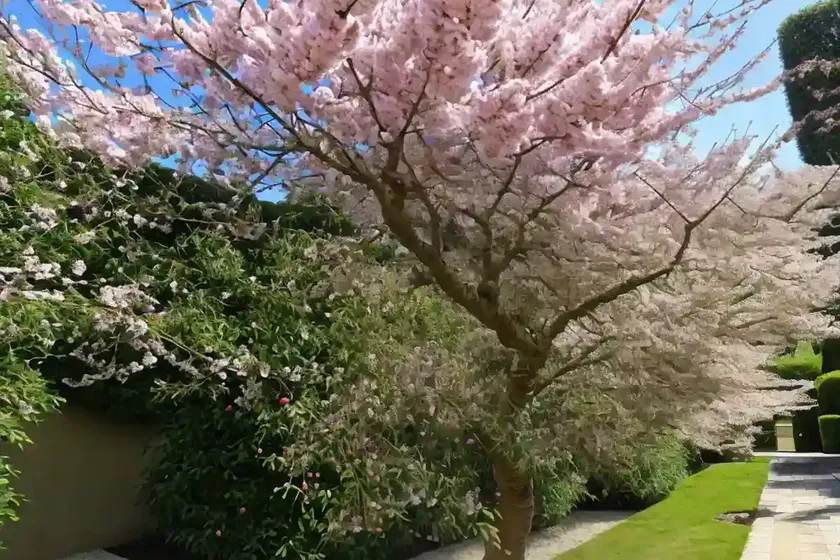
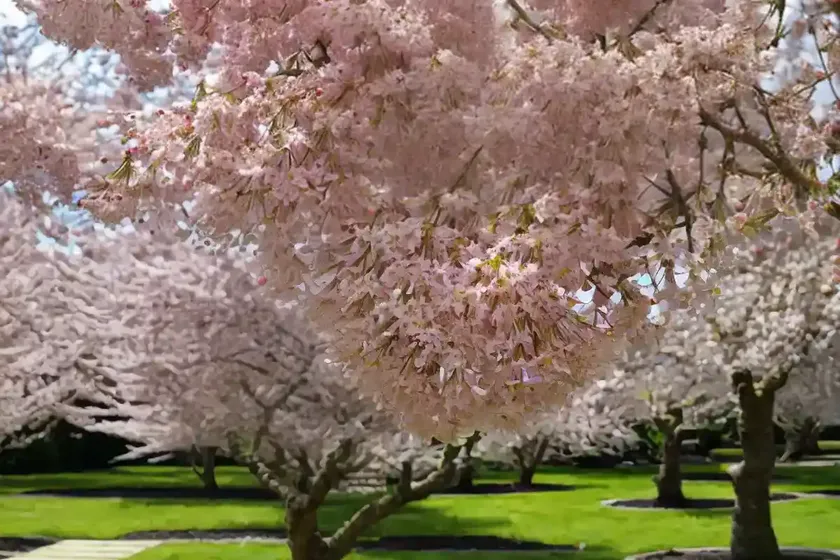
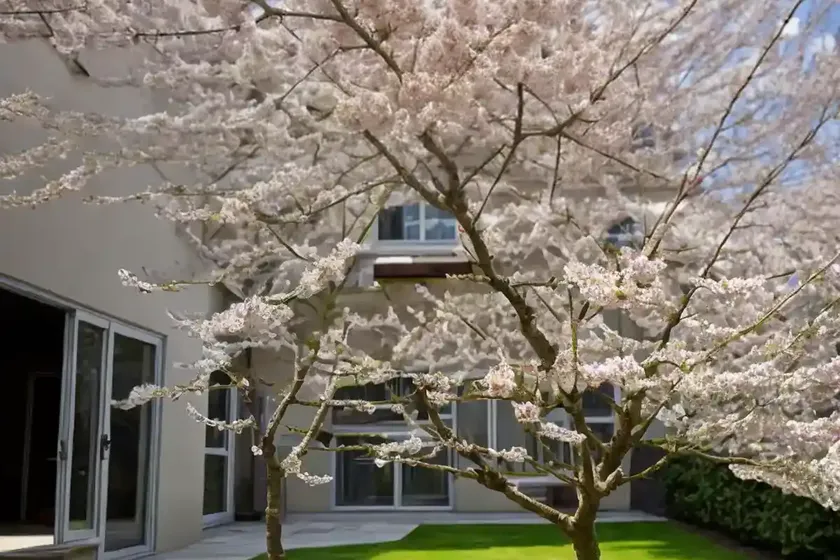
Prunus avium ‘Plena’, commonly known as Wild Cherry, is a stunning deciduous tree that belongs to the Rosaceae family. This beautiful tree is cherished for its ornamental value as well as for its fruit production. In this comprehensive guide, we will delve into the characteristics, cultivation, uses, care, and much more about Prunus avium ‘Plena’, with a keen focus on providing valuable insights for plant enthusiasts and horticulturists.
What is Prunus avium ‘Plena’ (Wild Cherry)?
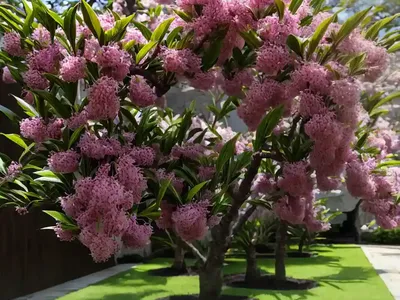
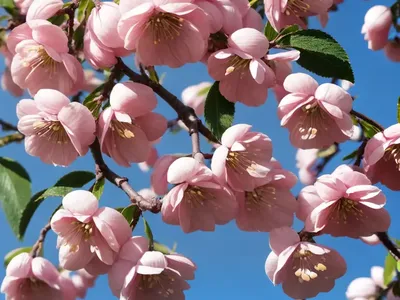
Prunus avium ‘Plena’ is a cultivar of the species Prunus avium, which is native to Europe, Western Asia, and parts of North Africa. This tree is cherished for its abundance of showy, double pink blossoms that adorn the landscape during the spring. As the name suggests, it is also an important wild species that bears delicious fruits. The Wild Cherry is a medium-sized tree, reaching heights of 15-30 meters, and evolves into a broad and domed crown.
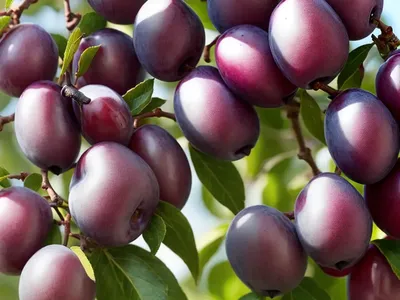
The botanical characteristics of Prunus avium ‘Plena’ include simple, ovate to orbicular leaves with finely serrated margins. The foliage is dark green in color, and during the autumn, it transforms into vibrant shades of yellow and red, lending a stunning visual appeal. The tree bears small, black fruits that are highly attractive to birds, enhancing its value in wildlife gardens.
Key Takeaways – Prunus avium ‘Plena’ (Wild Cherry)
1. Culture
Prunus avium ‘Plena’ thrives in well-draining soil with a preference for slightly acidic to neutral pH levels. This species is adaptable to various soil types and can grow in loamy, sandy, and clay soils. Additionally, it is essential to ensure proper air circulation around the tree to prevent the onset of common diseases.
2. Uses
- Ornamental Value: The double pink blossoms of Prunus avium ‘Plena’ make it a sought-after tree for ornamental planting in parks, gardens, and large landscapes.
- Fruit Production: The edible cherries produced by this species are highly prized for their flavor and are utilized in culinary applications, including jams and desserts.
- Wildlife Gardens: The fruit and foliage of Wild Cherry attract birds and wildlife, making it an ideal addition to wildlife-friendly gardens.
3. Water
Prunus avium ‘Plena’ has moderate water requirements and performs best in well-drained soil that retains moisture without becoming waterlogged. Adequate watering, especially during dry spells, is crucial for promoting healthy growth and fruit development.
4. Sunlight
This species thrives in full sun to partial shade, displaying the best floral and fruiting performance when provided with ample sunlight. It is important to ensure that the tree receives at least 6-8 hours of sunlight daily for optimal growth and flowering.
5. Fertilizer
Applying a balanced fertilizer in early spring can support the vigorous growth and blooming of Prunus avium ‘Plena’. A slow-release fertilizer, specifically formulated for flowering trees, can provide the necessary nutrients for healthy foliage and abundant blossoms.
6. Soil
Wild Cherry demonstrates adaptability to various soil types, but it thrives in well-draining, slightly acidic to neutral soils. Amending the soil with organic matter, such as compost or well-rotted manure, can enhance soil structure and fertility.
7. Pruning
Pruning is essential to maintain the desired shape, promote air circulation, and remove any dead or diseased wood. As part of the maintenance regimen, light pruning after the blooming period can help manage the tree’s size and shape while encouraging strong regrowth.
8. Propagation
Prunus avium ‘Plena’ can be propagated through hardwood cuttings or by grafting onto suitable rootstocks. Propagation by seeds is also possible, but it may not yield consistent results due to genetic variation in the offspring.
9. Container Popularity
While Wild Cherry can be grown in containers when young, it is important to eventually transplant the tree into a suitable outdoor location to accommodate its mature size and root system.
10. Common Diseases
Wild Cherry may be susceptible to fungal diseases such as powdery mildew, leaf spot, and canker diseases. Implementing cultural practices to promote tree vigor and employing disease-resistant cultivars can aid in disease management.
11. Disease Diagnosis
Regular examinations of the foliage, bark, and overall tree condition can aid in identifying any signs of disease or stress. Prompt diagnosis and appropriate treatment measures can prevent the spread and impact of diseases on the tree’s health.
12. Common Pests
Pests that may affect Prunus avium ‘Plena’ include aphids, caterpillars, and scale insects. Integrated pest management (IPM) strategies, encompassing natural predators and carefully selected pesticides, can effectively manage pest populations.
13. Botanist’s Tips
Examine the local climate and growing conditions to ascertain the suitability of planting Prunus avium ‘Plena’ in a specific area. Selecting disease-resistant cultivars and providing optimal care can enhance the tree’s resilience and longevity.
14. Fun Facts
- In folklore, the Wild Cherry tree is associated with themes of rebirth, resurrection, and love, making it a symbol of hope and renewal in various cultures.
- The attractive blossoms of Prunus avium ‘Plena’ not only beautify the landscape but also serve as a vital nectar source for pollinators such as bees and butterflies.
Links to External Resources
To further your knowledge about Prunus avium ‘Plena’ and related topics, consider exploring the following resources:
- Royal Horticultural Society – Prunus avium
- USDA Plants Database – Prunus avium
- The Wildlife Trusts – Wild Cherry
In the subsequent sections, we will delve deeper into the cultivation, care, and numerous aspects of Wild Cherry, aiming to provide a comprehensive understanding for plant enthusiasts and horticulturists.
This is just the beginning of the blog post. The subsequent sections will cover extensive details on the cultivation, benefits, and ecological significance of Prunus avium ‘Plena’ (Wild Cherry). Let me know if you’d like me to continue with the content.