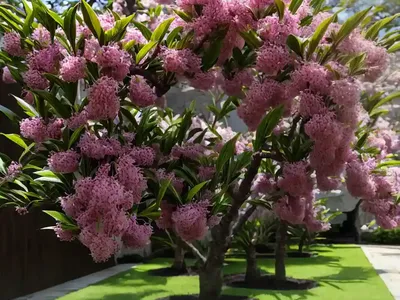
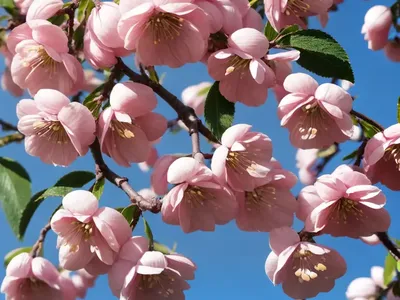
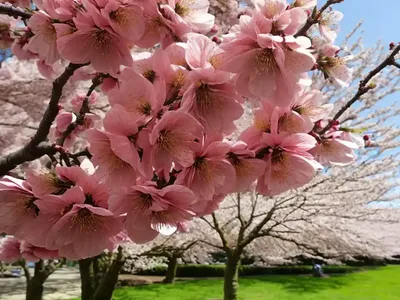
Cherries, Prunus - Flowering Cherry Tree
Prunus Americana (American Plum)
Prunus americana, commonly known as the American plum, is a deciduous fruit tree native to North America. It belongs to the Rosaceae family and is closely.
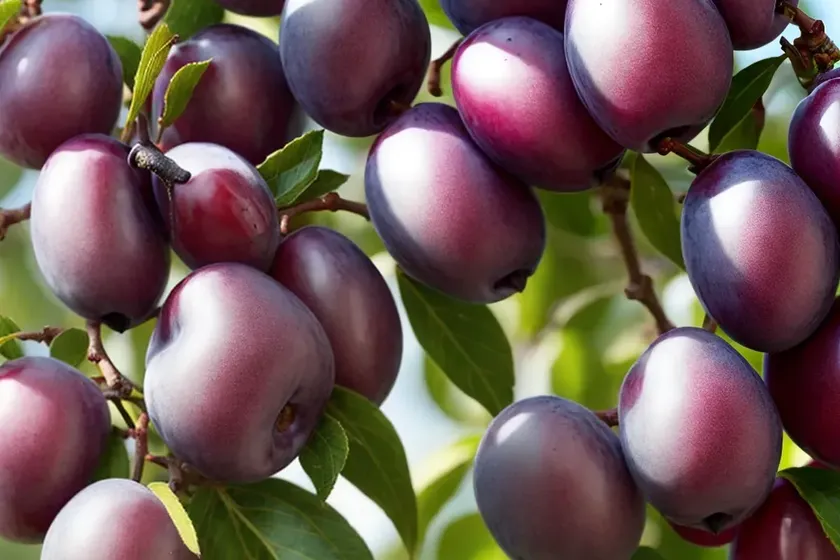
Prunus americana, commonly known as the American plum, is a deciduous fruit tree native to North America. It belongs to the Rosaceae family and is closely related to other popular fruit-bearing trees such as cherries, apricots, and peaches. The American plum is celebrated not only for its delicious fruits but also for its ecological importance, making it a valuable addition to both home gardens and natural habitats.
In this comprehensive guide, we will explore the characteristics of Prunus americana, its cultivation, care requirements, uses, ecological significance, and much more. Whether you are an experienced gardener or a novice enthusiast, this article will equip you with the knowledge to successfully grow and appreciate the American plum, contributing to the conservation of native species and the enhancement of landscapes.
What is Prunus americana (American Plum)?
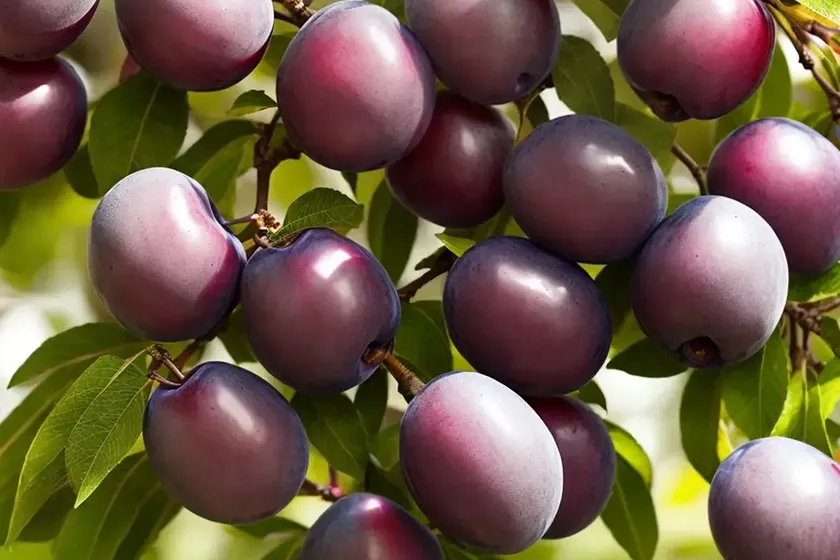
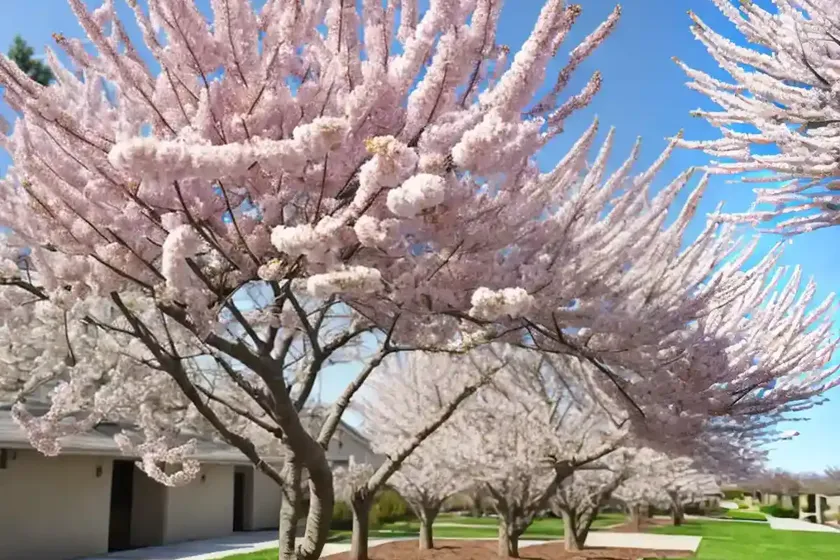
Prunus americana, the American plum, is a small to medium-sized deciduous tree that typically reaches heights of 20 to 40 feet. It is renowned for its profusion of fragrant white flowers in spring, followed by abundant fruit that transitions from green to yellow and finally to a deep purple when ripe. The fruits are highly appreciated for their sweet and tangy flavor, often used in jams, pies, and preserves.
The American plum is not only valued for its edible fruit but also for its ornamental features. Its showy blossoms, attractive foliage, and relatively small stature make it an excellent choice for home gardens, urban landscapes, and wildlife habitats.
Key Takeaways – Prunus americana (American Plum)
Before delving into the specifics of cultivation and care, let’s summarize the key takeaways about Prunus americana:
- Botanical Name: Prunus americana
- Common Name: American Plum
- Family: Rosaceae
- Height: 20 to 40 feet
- Fruit: Small, sweet, and tangy purple plums
- Flowering: Profuse white blossoms in spring
- Leaves: Oval, dark green, turning yellow in autumn
- Ecological Significance: Valuable for wildlife and conservation efforts
Now that we have an overview of the American plum, let’s explore the detailed aspects of its cultivation and care.
Cultivation
Water
The American plum tree is adaptable to a range of moisture conditions, making it suitable for various environments. However, to ensure optimal growth and fruit production, consistent watering, especially during the establishment phase and dry spells, is essential. Inadequate moisture can lead to reduced fruit yield and overall stress on the tree.
Watering Guidelines:
- Establishment Phase: Provide regular watering, keeping the soil consistently moist but not waterlogged.
- Dry Periods: Increase watering frequency during dry periods to support fruit development and overall tree health.
Sunlight
Prunus americana thrives in full sunlight, requiring at least six to eight hours of direct sunlight daily. Adequate sunlight exposure is crucial for flower and fruit production, as well as overall tree vigor. When selecting a planting site, prioritize locations with ample sunlight and minimal shade to maximize the tree’s productivity.
Sunlight Requirements:
- Full Sun: Optimal sunlight exposure for vigorous growth and abundant fruit production.
- Partial Shade: While tolerant of partial shade, reduced sunlight may impact fruit yield and overall vitality.
Soil
The American plum is adaptable to various soil types, including loamy, sandy, and clay soils. However, well-draining soil with a slightly acidic to neutral pH is ideal for promoting healthy root development and nutrient uptake. Prior to planting, it is beneficial to amend the soil with organic matter to improve its structure and fertility.
Soil Guidelines:
- Drainage: Ensure proper drainage to prevent waterlogging, which can lead to root rot and other moisture-related issues.
- pH: Aim for a slightly acidic to neutral pH range (6.0 to 7.0) for optimal nutrient availability and uptake.
Throughout the cultivation process, regular soil testing is recommended to monitor pH levels and nutrient content, allowing for timely adjustments to support the tree’s growth and fruiting capacity.
Uses
Culinary
One of the primary uses of Prunus americana is its delicious fruit, which is utilized in various culinary applications. The sweet and tangy flavor of American plums makes them ideal for fresh consumption, jams, jellies, pies, and other delectable creations. Whether enjoyed fresh off the tree or incorporated into mouthwatering recipes, the fruits of the American plum hold immense culinary appeal.
Wildlife Habitat
Beyond its culinary value, the American plum plays a pivotal role in supporting wildlife and biodiversity. The abundance of nectar-rich blossoms serves as a vital food source for pollinators, including bees and butterflies. Additionally, the fruits are eagerly consumed by birds, such as robins, bluebirds, and cedar waxwings, providing essential sustenance during the fruit-bearing season.
By planting Prunus americana, gardeners can actively contribute to the creation of wildlife-friendly environments, fostering the presence of beneficial insects and avian species. This ecological benefit further underscores the significance of integrating native plants, such as the American plum, into diverse landscapes.
Fertilizer
Nutrient Requirements
To support healthy growth and fruit production, Prunus americana benefits from balanced fertilization. Applying a well-balanced fertilizer in spring, prior to the onset of new growth, can provide essential nutrients for the tree’s development and flowering. Additionally, regular mulching with organic matter contributes to soil fertility and moisture retention, enhancing the overall health of the tree.
Fertilization Guidelines:
- Balanced Fertilizer: Apply a balanced fertilizer with an NPK ratio of 10-10-10 or similar composition in early spring.
- Mulching: Utilize organic mulch, such as compost or well-rotted manure, around the base of the tree to promote soil health and nutrient availability.
By incorporating a comprehensive fertilization regimen into the care routine, gardeners can ensure that Prunus americana receives the necessary nutrients to flourish and yield bountiful fruit.
Pruning
Pruning Objectives
Pruning is a fundamental aspect of American plum tree care, serving multiple objectives, including shaping the tree, promoting fruit production, and maintaining overall health. The following are key pruning objectives for Prunus americana:
- Structural Pruning: Establish a strong and well-balanced framework by removing damaged, crossing, or weak branches.
- Fruit Enhancement: Thin out excess growth and non-fruiting wood to concentrate the tree’s resources on fruit development.
- Disease Management: Prune out diseased or infested branches to prevent the spread of pathogens and maintain tree vitality.
Pruning Guidelines:
- Timing: Conduct major pruning during late winter or early spring before the onset of new growth.
- Sanitization: Use sharp, sterilized pruning tools to minimize injury and prevent the spread of disease.
Proper pruning not only enhances the aesthetic appeal of the American plum but also contributes to its long-term productivity and resilience.
Propagation
Methods of Propagation
Prunus americana can be propagated through various methods, allowing for the expansion of its presence in home gardens and natural settings. The following are common propagation techniques for the American plum:
- Seed Propagation: Harvest seeds from ripe fruits and plant them in well-prepared seedbeds or containers. Stratification—a period of cold, moist conditions—is often necessary to encourage germination.
- Cutting Propagation: Take semi-hardwood or hardwood cuttings from healthy, actively growing branches and root them under favorable conditions.
- Grafting: Utilize grafting techniques, such as whip-and-tongue or cleft grafting, to propagate desired cultivars onto suitable rootstocks.
Propagation Considerations:
- Cultivar Selection: When propagating from seeds, consider that the resulting plants may exhibit genetic variation and may not retain the exact characteristics of the parent tree.
- Rootstock Compatibility: When grafting, ensure compatibility between the scion (desired cultivar) and the rootstock to optimize growth and fruiting attributes.
By exploring and implementing suitable propagation methods, enthusiasts can propagate Prunus americana to expand its presence and incorporate diverse genetic traits within cultivated populations.
Container Popularity
Container Cultivation
While Prunus americana is commonly grown in traditional orchard settings, it also exhibits potential for container cultivation. Growing the American plum in containers offers various advantages, especially for those with limited garden space or individuals seeking to enhance their patio or balcony with a productive fruit tree.
Container Cultivation Benefits:
- Space Utilization: Ideal for urban and small-space gardening, allowing individuals to enjoy the beauty and fruits of the American plum.
- Portability: Containers offer flexibility, enabling the tree to be relocated as needed to optimize sunlight exposure and microclimatic conditions.
- Ornamental Appeal: Beyond its fruit-bearing capacity, the American plum adds aesthetic value to outdoor spaces with its blossoms and foliage.
When cultivating Prunus americana in containers, it is essential to select sizable pots, provide adequate drainage, and utilize high-quality potting mix to support the tree’s growth and productivity.
Common Diseases
Disease Management
While generally hardy, Prunus americana is susceptible to certain diseases, necessitating proactive management to maintain tree health and productivity. The following are common diseases that may affect the American plum:
- Black Knot (Apiosporina morbosa): Characterized by the formation of distinctive black, warty growths on branches, black knot can lead to reduced vigor and dieback if left unchecked.
- Brown Rot (Monilinia spp.): Particularly prevalent in humid conditions, brown rot can cause fruit decay and blossom blight, posing a threat to overall fruit quality.
- Plum Pockets (Taphrina communis): Plum pockets manifest as abnormal, hollow fruits, diminishing their commercial and culinary appeal.
Disease Management Practices:
- Sanitation: Promptly remove and destroy infected plant parts to prevent disease spread and minimize inoculum.
- Fungicidal Treatments: Apply appropriate fungicides preventively or as directed upon disease onset to mitigate pathogen impact.
- Cultural Practices: Maintain healthy tree vigor through proper watering, fertilization, and pruning to bolster natural disease resistance.
Implementing integrated disease management strategies is crucial for safeguarding the health and productivity of Prunus americana and preserving its ornamental and culinary value.
Disease Diagnosis
Symptoms and Identification
To effectively manage diseases affecting the American plum, it is essential to recognize and accurately diagnose symptoms associated with common pathogens. The following are key characteristics of prevalent diseases in Prunus americana:
- Black Knot:
- Warty, black swellings along branches, usually beginning as small, olive-green growths.
-
Progressive enlargement of knots with subsequent bark cracking and dieback.
-
Brown Rot:
- Fruit mummification, leading to a shriveled appearance and the presence of brown, powdery spore masses.
-
Blossoms may exhibit blighting and wilting, often with the development of tan lesions.
-
Plum Pockets:
- Formation of large, hollow fruits, devoid of seeds and filled with a spongy, light-colored mass.
- Distorted, irregular fruit shape, often leading to reduced marketability and consumer appeal.
Accurate disease diagnosis enables targeted management approaches, ensuring effective control and minimizing the impact of diseases on overall tree health and yield.
Common Pests
Pest Identification
Prunus americana is susceptible to various insect pests that can compromise tree health and fruit quality. Understanding the common pests and their respective lifecycles and feeding habits is essential for implementing effective pest management strategies. The following are prevalent pests that may affect the American plum:
- Plum Curculio (Conotrachelus nenuphar): Notorious for causing crescent-shaped scars on developing fruits and laying eggs within the fruit, leading to larval infestation.
- Eastern Tent Caterpillar (Malacosoma americanum): Constructing distinctive silk tents in branch crotches, eastern tent caterpillars defoliate trees and disrupt the tree’s aesthetic appeal.
Pest Management
Integrated pest management (IPM) practices are integral to mitigating pest pressures and minimizing reliance on chemical interventions. Effective pest management strategies for Prunus americana include:
- Monitoring: Regularly inspect trees for pest activity, focusing on branches, leaves, and developing fruits to detect early signs of infestation.
- Cultural Controls: Implement cultural practices, such as timely pruning and sanitation, to reduce pest habitat and overwintering sites.
- Biological Controls: Encourage natural enemies, such as parasitoids and predators, to regulate pest populations and maintain ecological balance.
By integrating diverse pest management tactics, gardeners can effectively safeguard the health and productivity of the American plum while minimizing environmental impact.
Botanist’s Tips
Maximizing Productivity and Health
To optimize the growth, fruiting, and overall resilience of Prunus americana, consider the following expert tips:
- Regular Pruning: Consistent pruning to remove deadwood, improve light penetration, and shape the canopy can enhance fruit quality and yield.
- Seasonal Care: Adhere to a comprehensive care schedule, including fertilization, watering, and pest and disease monitoring, to maintain tree vitality throughout the year.
- Ecological Integration: Embrace the ecological role of the American plum by fostering wildlife habitat, supporting pollinators, and enhancing biodiversity within the landscape.
By incorporating these botanical insights into the care and cultivation of Prunus americana, gardeners can elevate the tree’s performance and ecological contributions.
Fun Facts
- The American plum (Prunus americana) holds significance as a traditional wild fruit in Native American culture, appreciated for its culinary and medicinal uses.
- The fragrant blossoms of the American plum are an early source of nectar for bees and other pollinators, contributing to the ecological tapestry of early spring landscapes.
- Beyond its fruit-bearing capacity, Prunus americana adds ornamental value with its striking white blossoms and vibrant autumn foliage, enhancing the aesthetic appeal of diverse settings.
Conclusion
Prunus americana, the American plum, encapsulates a rich tapestry of culinary, ornamental, and ecological value. From its delectable fruits and showy blossoms to its role in supporting biodiversity, this native fruit tree holds immense appeal for gardeners, conservationists, and enthusiasts alike. By adhering to recommended cultivation, care, and ecological integration practices, individuals can celebrate the enduring allure of Prunus americana and contribute to the preservation of native flora and fauna.
Whether you are considering the addition of an American plum to your garden, seeking to enhance wildlife habitat, or simply intrigued by its cultural and ecological significance, the multifaceted nature of Prunus americana invites exploration, appreciation, and an enduring connection to the natural world.
Links to External Resources
For further information on Prunus americana and related topics, consider exploring the following external resources:
- National Wildlife Federation – American Plum
- USDA Plants Database – Prunus americana
- The American Plum – Texas A&M AgriLife Extension
- Insects and Diseases of American Plum – Penn State Extension
- Native Plants for Wildlife Habitat and Conservation Landscaping – U.S. Fish and Wildlife Service
These resources offer a wealth of knowledge on the cultivation, care, ecological significance, and wildlife interactions associated with Prunus americana, providing valuable insights and practical guidance for enthusiasts and conservation advocates.