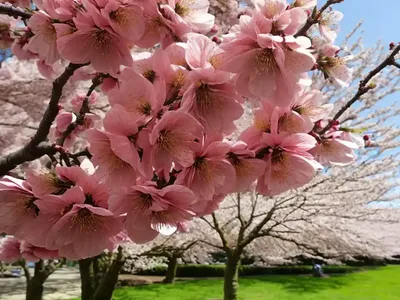
Cherries, Prunus - Flowering Cherry Tree
Prunus Caroliniana (Carolina Cherry Laurel)
Prunus caroliniana, commonly known as Carolina Cherry Laurel, is a versatile evergreen plant that is native to the southeastern United States. This species.
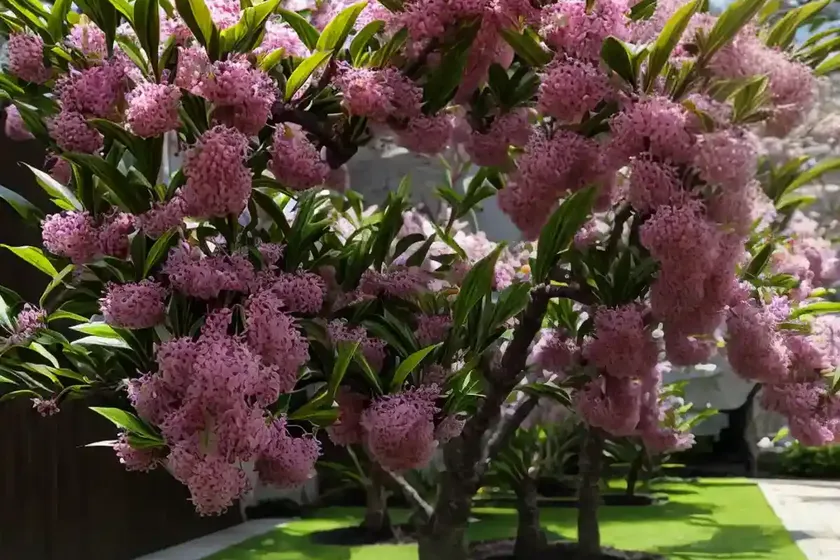
Prunus caroliniana, commonly known as Carolina Cherry Laurel, is a versatile evergreen plant that is native to the southeastern United States. This species belongs to the Rosaceae family and is appreciated for its ornamental value, wildlife support, and various landscaping applications. In this comprehensive guide, we will delve into the intricate details of Prunus caroliniana, including its cultural requirements, uses, diseases, pests, and much more. Whether you’re a botanist, gardener, or nature enthusiast, this article will provide valuable insights into the Carolina Cherry Laurel and its significance in the plant kingdom.
What is Prunus caroliniana (Carolina Cherry Laurel)?
Plant Description
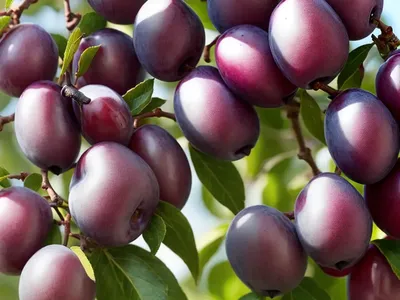
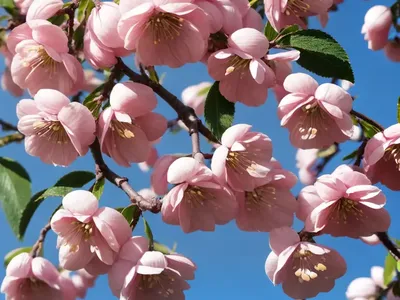
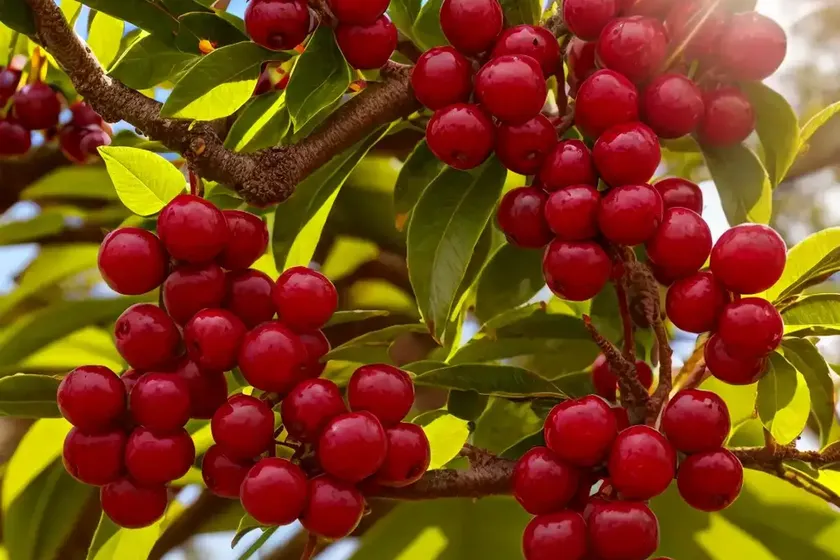
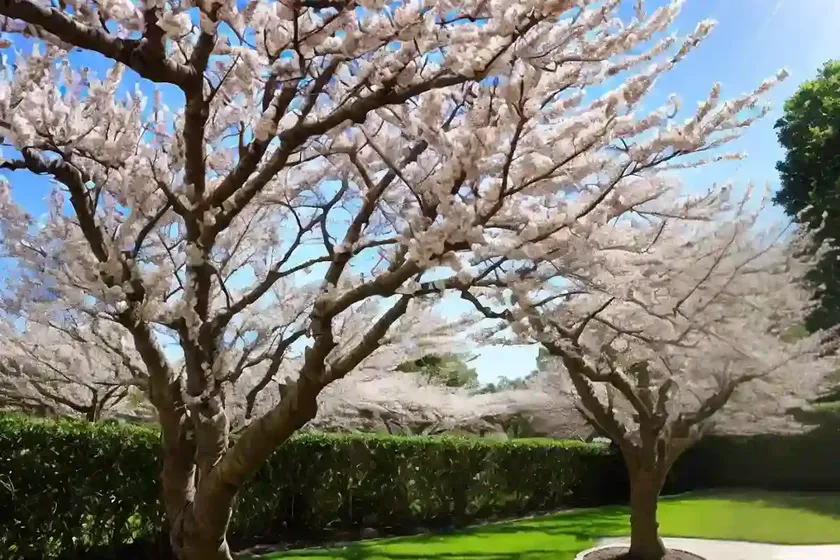
Prunus caroliniana is a species of flowering plant that typically grows as a small tree or large shrub. It can reach a height of 35 feet, with a spread of about 25 feet, making it an excellent choice for hedges, screens, and ornamental plantings. The plant features glossy, dark green foliage that provides year-round interest in landscapes. In spring, it produces fragrant white flowers, followed by small, black berries that are attractive to wildlife. The Carolina Cherry Laurel is characterized by its dense and bushy growth habit, which contributes to its popularity as a privacy screen or windbreak.
Native Habitat
This species is indigenous to the southeastern United States, where it flourishes in a variety of habitats, including woodlands, coastal plains, and upland areas. Its natural range extends from North Carolina to Florida and westward to Texas. The Carolina Cherry Laurel generally thrives in moist, well-drained soils and is often found near streams, swamps, and forest edges.
Wildlife Interaction
One of the distinctive features of Prunus caroliniana is its significance as a wildlife habitat. The plant provides shelter and nesting sites for birds, while its berries serve as a food source for various avian species. Additionally, the dense foliage offers protection for small mammals and contributes to the ecological balance of its native environment.
Key Takeaways – Prunus caroliniana (Carolina Cherry Laurel)
Before we delve into the specific aspects of Carolina Cherry Laurel, let’s summarize the key takeaways associated with this notable plant species:
- Prunus caroliniana is a versatile evergreen plant native to the southeastern United States.
- The plant features glossy, dark green foliage and produces fragrant white flowers and small black berries.
- It is widely used for hedges, screens, ornamental plantings, and wildlife support.
- Carolina Cherry Laurel thrives in moist, well-drained soils and is valued for its ecological contributions.
- Understanding its cultural requirements, uses, diseases, and pests is essential for successful cultivation and maintenance.
Culture
Water
Proper watering is essential for the health and vigor of Prunus caroliniana. While the plant has good drought tolerance once established, regular watering is necessary during the establishment period and in periods of prolonged dryness. Adequate moisture is particularly important during the flowering and fruiting seasons to support optimal growth and berry production.
Sunlight
Carolina Cherry Laurel thrives in full sun to partial shade. It performs best in a location that receives at least 4-6 hours of direct sunlight per day. However, it can tolerate varying light conditions, making it adaptable to different landscapes and microclimates.
Fertilizer
Applying a balanced, slow-release fertilizer in spring can contribute to the overall health and growth of Prunus caroliniana. Choose a fertilizer specifically formulated for evergreen plants to provide essential nutrients such as nitrogen, phosphorus, and potassium. Always follow the recommended application rates to prevent over-fertilization, which can be detrimental to the plant.
Soil
This species prefers well-drained, fertile soils with a slightly acidic to neutral pH range. Amending the soil with organic matter such as compost or peat moss can improve its structure and fertility, promoting healthy root development and overall plant vigor.
Pruning
Pruning Techniques
Pruning is an essential maintenance practice for Carolina Cherry Laurel, especially when used for hedges, screens, or formal plantings. Regular pruning helps maintain its shape, promote bushy growth, and control its size. Pruning should be conducted during the plant’s dormant season to minimize stress and encourage vigorous regrowth in the following spring. Remove any dead, damaged, or overgrown branches, and shape the plant according to your desired aesthetic or functional requirements.
Propagation
Prunus caroliniana can be propagated from seeds, softwood cuttings, or semi-hardwood cuttings. Seeds should be collected from ripe berries and sown in a prepared seedbed. Softwood and semi-hardwood cuttings can be taken during the active growth period and treated with a rooting hormone to enhance root development. Proper care and environmental conditions are essential for successful propagation, and it’s important to monitor the moisture levels and provide adequate protection from extreme temperatures during the propagation process.
Container Popularity
Due to its compact growth habit and ornamental appeal, Carolina Cherry Laurel is a popular choice for container gardening. It can be grown in large containers on patios, decks, or entrances to provide a striking evergreen display. When grown in containers, it’s important to ensure proper drainage, regular watering, and appropriate fertilization to support the plant’s growth and vitality. Choose a well-draining potting mix and monitor the plant’s moisture needs, especially during hot and dry periods.
Uses
Landscape Applications
Prunus caroliniana is widely utilized in landscaping for its versatility and aesthetic appeal. It is commonly featured as a hedge, screen, or windbreak due to its dense foliage and fast growth rate. Additionally, it can be used as a standalone ornamental tree or large shrub in residential and commercial landscapes. When planted in groups, the Carolina Cherry Laurel creates a lush and visually appealing backdrop for other flowering or ornamental plants.
Wildlife Support
The plant’s berries are highly attractive to birds, making it a valuable addition to wildlife gardens and naturalized landscapes. By providing food and shelter for avian species, Prunus caroliniana contributes to the ecological balance and biodiversity of its surroundings. The dense canopy also offers nesting sites and protection for birds and small mammals.
Common Diseases and Pests
Disease Diagnosis
While Prunus caroliniana is generally resistant to many diseases, it can be susceptible to certain fungal infections such as shot-hole disease (caused by the pathogen Wilsonomyces carpophilus) and leaf spot diseases. Proper sanitation, adequate air circulation, and monitoring for early symptoms are essential for disease management. Maintain good garden hygiene by removing and disposing of any infected plant debris, and consider using fungicidal treatments if necessary.
Common Pests
In terms of pests, Carolina Cherry Laurel may be affected by aphids, scale insects, and caterpillars. Regular inspection of the foliage can help detect infestations early, allowing for timely intervention to prevent widespread damage. Natural predators, such as ladybugs and lacewings, can aid in controlling aphid populations, while horticultural oils and insecticidal soaps can be utilized for managing scale insects and caterpillars.
Botanist’s Tips
Soil Requirements
When selecting a planting site for Prunus caroliniana, prioritize well-drained soils with good fertility. While the plant can tolerate a range of soil types, it performs best in moist, loamy soils with a slightly acidic to neutral pH. Conduct a soil test to assess the pH and nutrient levels, and make any necessary amendments to create an optimal growing environment for the Carolina Cherry Laurel.
Pruning Schedule
Establishing a consistent pruning schedule is crucial for maintaining the shape and health of Prunus caroliniana, especially when used for formal or structured plantings. Plan annual pruning sessions during the plant’s dormant season, typically in late winter or early spring, to remove any dead, damaged, or overgrown branches and shape the plant according to your desired design. Avoid aggressive pruning during the active growing season to prevent stress and potential regrowth issues.
Fun Facts
- The wood of Prunus caroliniana is valued for its use in woodworking, providing a durable and attractive material for various applications.
- Carolina Cherry Laurel was historically used for its medicinal properties, with different parts of the plant utilized in traditional herbal remedies.
- The fragrance of the plant’s flowers adds a delightful sensory element to gardens and outdoor spaces, attracting pollinators and enhancing the overall ambiance.
Links to External Resources
For further exploration on Prunus caroliniana and related topics, the following external resources provide valuable information and insights:
- North Carolina State University: Prunus caroliniana
- Clemson Cooperative Extension: Carolina Cherry Laurel
- Texas A&M AgriLife Extension: Carolina Laurel Cherry
As we conclude our journey into the world of Prunus caroliniana, it’s evident that this remarkable plant species embodies diverse attributes that contribute to its ecological, aesthetic, and practical significance. Whether adorning landscapes with its lush foliage, supporting wildlife with its berries, or adding a touch of elegance to container gardens, the Carolina Cherry Laurel stands as a testament to the intricate beauty and functionality found within the realm of plant life. Understanding its unique characteristics and requirements empowers us to appreciate and cultivate this species to its fullest potential, enriching our natural surroundings and fostering a deeper connection to the botanical world.