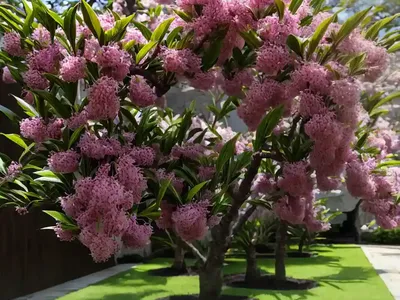
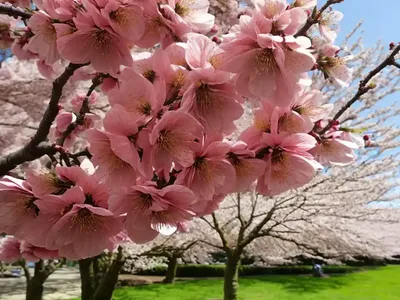
Cherries, Prunus - Flowering Cherry Tree
Prunus X Subhirtella ‘Autumnalis’ (Higan Cherry)
As a plant scientist, I have the privilege of delving into the intricate world of plants and understanding their biology, ecology, and their significance.
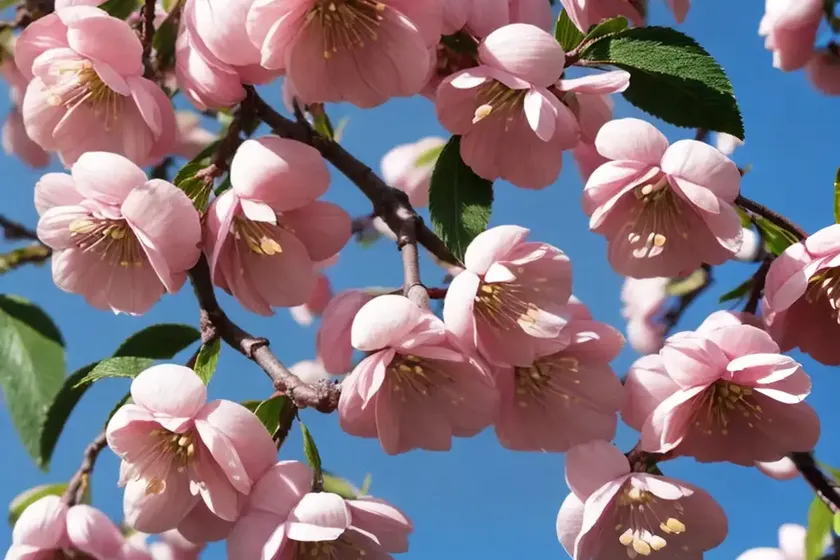
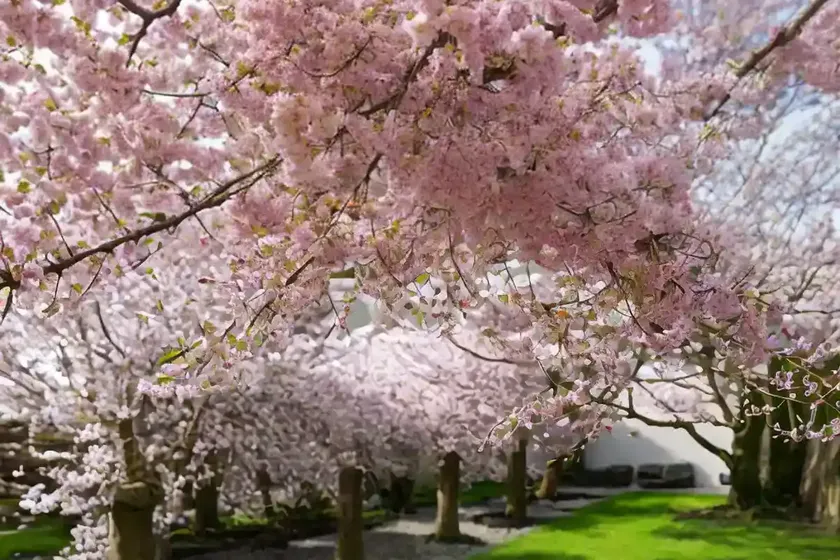
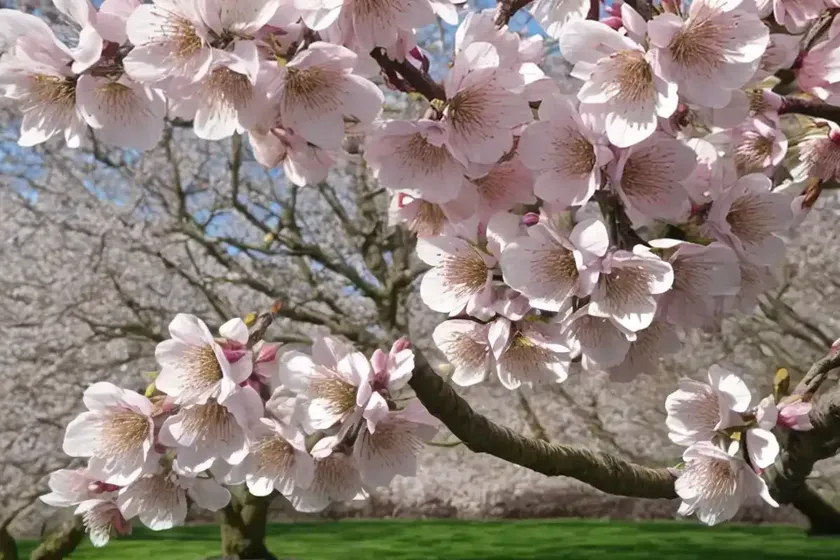
As a plant scientist, I have the privilege of delving into the intricate world of plants and understanding their biology, ecology, and their significance in our lives. Today, we are going to explore the fascinating Prunus x subhirtella ‘Autumnalis’ (Higan Cherry), also known as the Higan Cherry. This beautiful flowering tree has captivated the hearts of many gardeners and nature enthusiasts with its delicate blossoms and ornamental charm.
What is Prunus x subhirtella ‘Autumnalis’?
Prunus x subhirtella ‘Autumnalis’ is a deciduous flowering tree that belongs to the family Rosaceae. It is a hybrid cherry tree that is cultivated for its enchanting and abundant blooms, adding an ethereal touch to landscapes and gardens. The common name “Higan Cherry” is derived from the Japanese name “higan-zakura,” symbolizing the arrival of spring.
This cherry tree is renowned for its unique characteristic of flowering both in autumn and spring, hence its name ‘Autumnalis.’ Its ability to bloom during the colder months sets it apart from other cherry tree varieties, making it a valuable addition to any garden, providing bursts of color when most other trees are dormant.
Key Takeaways – Prunus x subhirtella ‘Autumnalis’ (Higan Cherry)
Before we immerse ourselves in the details of cultivating and caring for the Higan Cherry, let’s briefly touch upon the key takeaways of this exquisite tree.
- Scientific Name: Prunus x subhirtella ‘Autumnalis’
- Common Name: Higan Cherry
- Family: Rosaceae
- Bloom Time: Autumn and Spring
- Deciduous: Yes
- Flower Color: Pale pink
- Origin: Japan
- Notable Feature: Ability to bloom in autumn and spring
Culture
Understanding the culture of the Higan Cherry is essential for creating an environment where it can flourish and thrive. Let’s delve into various aspects of its culture to gain insights into the ideal conditions for this stunning flowering tree.
Uses
The Higan Cherry serves various purposes, contributing to both aesthetic and ecological aspects of a landscape. Some of its primary uses include:
- Ornamental Tree: The Higan Cherry is primarily cultivated for its ornamental value. Its delicate pink blossoms create a captivating display, making it a popular choice for gardens, parks, and urban landscapes.
- Wildlife Habitat: The flowers attract pollinators such as bees and butterflies, contributing to the local ecosystem. The tree also provides shelter for bird species.
Water
The water requirements of the Higan Cherry are crucial for its overall health and vitality. Adequate watering is essential, especially during its establishment phase and in dry periods. Here are some key points to consider:
- Establishment Phase: Newly planted Higan Cherry trees require regular watering to promote root establishment. Deep, thorough watering is recommended to encourage deep root growth and drought tolerance.
- Mature Trees: Once established, the tree exhibits moderate drought tolerance, but regular watering during prolonged dry spells is beneficial, especially in regions with hot summers.
Sunlight
Sunlight plays a vital role in determining the growth and blooming potential of Prunus x subhirtella ‘Autumnalis’. Understanding its sunlight requirements is essential for selecting an appropriate planting location.
- Full Sun: The Higan Cherry thrives in full sun, receiving at least 6 to 8 hours of direct sunlight daily. Adequate sunlight promotes robust growth, abundant flowering, and overall tree vigor.
- Partial Shade: While the tree prefers full sun, it can tolerate partial shade. However, reduced sunlight may result in diminished flowering and overall vigor.
Fertilizer
Fertilization is an essential aspect of caring for the Higan Cherry, providing the necessary nutrients for healthy growth and abundant blooms. Understanding the right type and application of fertilizer is crucial for optimal tree health.
- Timing: Fertilize the tree in early spring before the onset of new growth. Avoid late-season fertilization, as this can stimulate late growth that may be susceptible to damage in winter.
- Type of Fertilizer: A balanced, slow-release fertilizer specifically formulated for flowering trees is ideal. Avoid excessive nitrogen to prevent excessive vegetative growth at the expense of flowering.
Soil
The soil composition and quality play a fundamental role in the overall health and vigor of the Higan Cherry. Understanding the soil preferences and making necessary amendments is crucial for cultivating a thriving tree.
- Well-draining Soil: The Higan Cherry thrives in well-draining soil to avoid waterlogged conditions, which can lead to root rot.
- pH Level: The ideal soil pH for the Higan Cherry is slightly acidic to neutral (pH 6.0-7.0). Conduct a soil test to assess the pH and make necessary amendments using elemental sulfur or lime.
- Soil Amendments: Incorporating organic matter such as compost and well-rotted manure during planting and as mulch can improve soil structure, moisture retention, and nutrient availability.
Pruning
Pruning is a critical aspect of maintaining the health, form, and flowering potential of the Higan Cherry. Proper pruning practices help in shaping the tree, removing dead or diseased wood, and encouraging abundant blooms. Here are some essential points to consider:
- Timing: Prune the Higan Cherry immediately after flowering to avoid reducing the following season’s blooms. This is typically in late spring or early summer.
- Pruning Objectives: Remove dead, damaged, or crossing branches. Additionally, thinning the canopy can promote air circulation, reducing the risk of diseases.
Propagation
The propagation of the Higan Cherry allows for the expansion of its presence in gardens and landscapes. Understanding the methods of propagation is valuable for producing new trees and preserving specific cultivars.
Propagation Methods
- Seed Propagation: While possible, growing Higan Cherry trees from seed may result in genetic variation and may not yield true-to-type offspring.
- Grafting: Grafting onto compatible rootstock is the preferred method for propagating specific cultivars of Prunus x subhirtella ‘Autumnalis’. T-budding or whip-and-tongue grafting are common techniques used for propagation.
Container Popularity
The Higan Cherry is well-suited for container cultivation, allowing individuals with limited space to enjoy its captivating blossoms on patios, balconies, or small gardens.
- Container Selection: Choose a large, sturdy container with adequate drainage holes to prevent waterlogging.
- Soil: Utilize a well-draining potting mix formulated for trees and shrubs.
- Maintenance: Container-grown Higan Cherry trees may require more frequent watering and fertilization than those planted in the ground.
Common Diseases
While the Higan Cherry is relatively resistant to diseases, it is important to be aware of potential issues that may affect its health and vigor.
Disease Diagnosis
- Leaf Spot: This fungal disease can cause circular, dark spots on the leaves, leading to premature leaf drop.
- Powdery Mildew: A common fungal infection characterized by a powdery white coating on the leaves and shoots.
Common Pests
Pests can occasionally pose a threat to the health of the Higan Cherry, and early detection and intervention are key to managing pest infestations effectively.
- Aphids: These tiny, sap-sucking insects can cluster on the undersides of leaves, causing distortion and stunted growth.
- Scale Insects: Scale insects can attach themselves to the branches of the tree, feeding on sap and potentially weakening the tree over time.
Botanist’s Tips
As a plant scientist, here are some valuable tips for cultivating and caring for Prunus x subhirtella ‘Autumnalis’:
- Pruning: Regular pruning is essential to maintain the tree’s shape, promote healthy growth, and encourage abundant flowering.
- Adequate Watering: Pay attention to the tree’s water needs, especially during dry periods, and ensure that it receives sufficient moisture.
- Mulching: Apply a layer of organic mulch around the base of the tree to conserve soil moisture and suppress weed growth.
Fun Facts
- The Higan Cherry derives its name from the Higan festival in Japan, which coincides with the arrival of spring and the blooming of cherry blossoms.
- The flowers of the Higan Cherry are edible and can be used to add a delicate floral flavor to various culinary creations.
Links to External Resources
Expand your knowledge and explore more about the enchanting Higan Cherry with these external resources:
- The Complete Book of Pruning – A comprehensive guide to pruning techniques and practices.
- Royal Horticultural Society – An authoritative source for gardening and horticultural information.
By delving into the enchanting world of Prunus x subhirtella ‘Autumnalis’ (Higan Cherry), we gain a deeper appreciation for the beauty and resilience of this captivating flowering tree. Whether it’s the delicate blossoms, the cultural significance, or its ecological contributions, the Higan Cherry continues to mesmerize and inspire us, enriching our lives and the natural world around us.