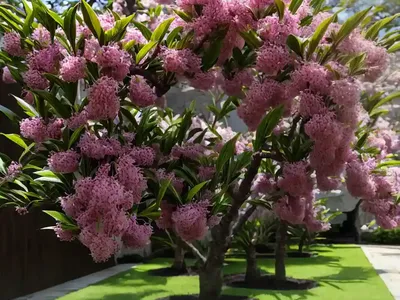
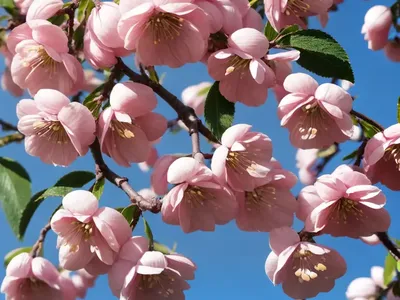
Cherries, Prunus - Flowering Cherry Tree
Prunus ‘Shirotae’ (Japanese Flowering Cherry)
Prunus ‘Shirotae’, commonly known as Japanese Flowering Cherry or Shirotae Cherry, is a deciduous tree that belongs to the Rosaceae family. Renowned for.
What is Prunus ‘Shirotae’?
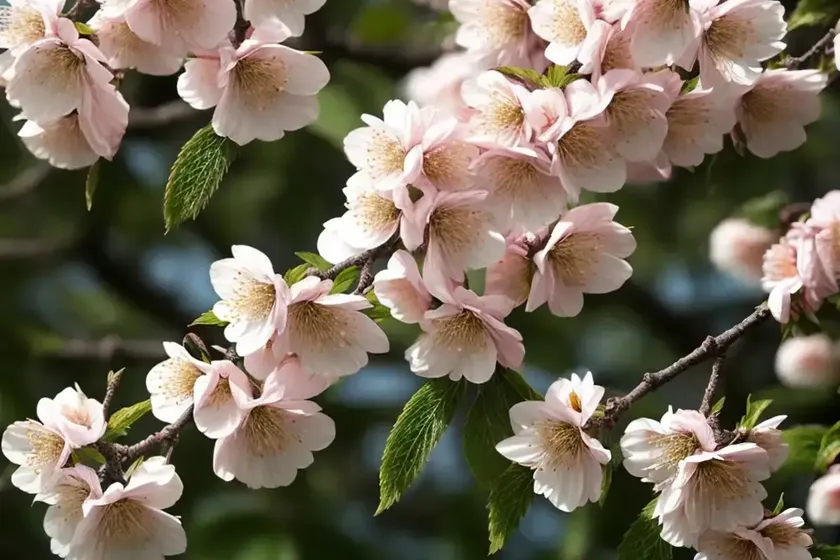
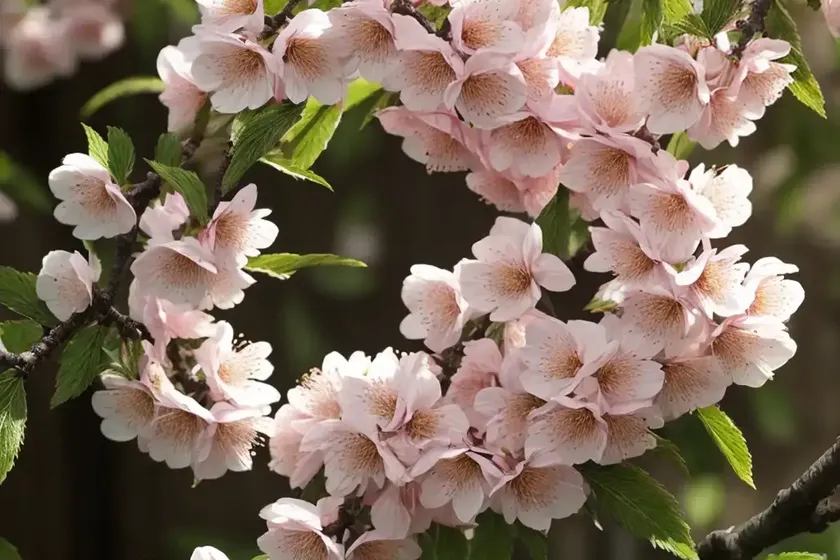
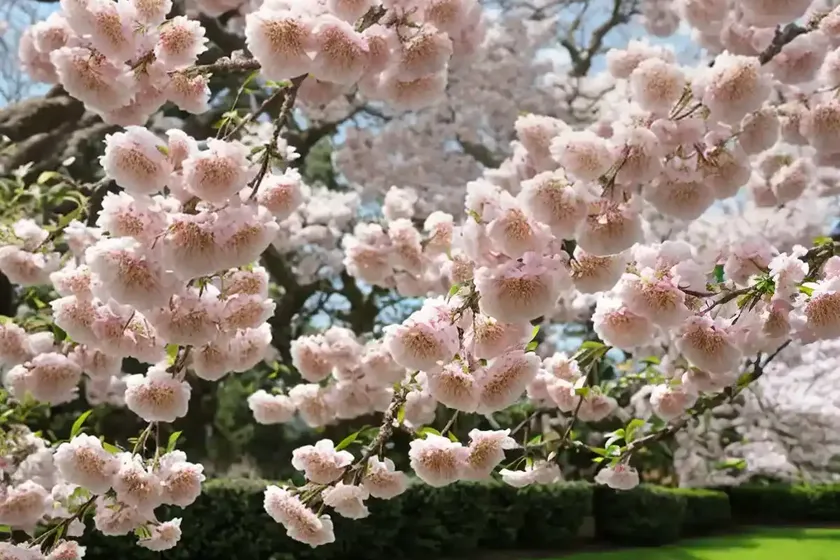
Prunus ‘Shirotae’, commonly known as Japanese Flowering Cherry or Shirotae Cherry, is a deciduous tree that belongs to the Rosaceae family. Renowned for its stunning display of white blossoms, this ornamental tree is native to Japan. It is a popular choice in landscaping and gardening due to its aesthetic appeal and cultural significance.
Key Takeaways – Prunus ‘Shirotae’
Before delving into the detailed aspects of this beautiful flowering cherry tree, let’s summarize the key takeaways:
- Name: Prunus ‘Shirotae’ (Japanese Flowering Cherry)
- Culture: Ornamental
- Uses: Landscaping, gardening, ornamental display
- Water: Moderate water needs
- Sunlight: Full sun to partial shade
- Fertilizer: Balanced fertilizer in early spring
- Soil: Well-draining, nutrient-rich soil
- Pruning: Minimal pruning required
- Propagation: Grafting, budding
- Container: Suitable for containers
- Popularity: Widely grown for its ornamental value
Now, let’s explore the various aspects of Prunus ‘Shirotae’, from its cultural requirements to maintenance and potential issues.
Culture
Uses
Prunus ‘Shirotae’ is primarily cultivated for its ornamental value. Its enchanting display of white blossoms makes it a sought-after tree for landscaping and gardening. With its cultural significance in Japan and beyond, it is often used to create serene and visually appealing outdoor spaces.
Water
The water needs of Prunus ‘Shirotae’ are moderate. It is essential to ensure adequate moisture, especially during the growing season and flowering period. However, it is crucial to avoid waterlogging, as this can lead to root rot and other related issues.
Sunlight
Japanese Flowering Cherry thrives in full sun to partial shade. When selecting a planting site, it is important to consider providing the tree with sufficient sunlight to support healthy growth and abundant flowering.
Fertilizer
For optimal growth and blooming, Prunus ‘Shirotae’ benefits from a balanced fertilizer application in early spring. This provides essential nutrients to support robust foliage and flowering. Before applying fertilizer, it is advisable to conduct a soil test to assess the specific nutritional requirements of the tree.
Soil
Well-draining and nutrient-rich soil is essential for the successful cultivation of Prunus ‘Shirotae’. The tree prefers soil with good fertility and a slightly acidic to neutral pH. It is important to avoid waterlogged or compacted soil, as these conditions can negatively impact the tree’s health.
Maintenance
Pruning
Pruning requirements for Japanese Flowering Cherry, such as Prunus ‘Shirotae’, are minimal. However, occasional pruning to remove dead or diseased branches, as well as shaping the tree for aesthetic purposes, can be beneficial. It is advisable to perform any necessary pruning after the tree has finished flowering to avoid interfering with the next year’s blossoms.
Propagation
Propagation of Prunus ‘Shirotae’ is commonly achieved through grafting and budding techniques. These methods allow for the production of new trees with desirable qualities, ensuring genetic continuity and propagating specific cultivars.
Container
While Japanese Flowering Cherry is often grown in gardens and outdoor landscapes, it can also thrive in containers. This versatility makes it an excellent choice for individuals with limited outdoor space or those looking to add a touch of natural beauty to patios, balconies, or other urban environments.
Popularity
Prunus ‘Shirotae’ is highly popular among gardeners, horticulturists, and enthusiasts of traditional Japanese horticulture. Its striking appearance during the flowering season, along with its cultural significance, has contributed to its widespread popularity in various regions around the world.
Common Diseases and Pests
Disease Diagnosis
Prunus ‘Shirotae’ is susceptible to certain diseases that can impact its health and flowering capacity. Common diseases that may affect the tree include:
- Powdery Mildew: This fungal disease can lead to a powdery, white coating on the leaves and shoots of the tree, affecting its overall health and appearance.
- Leaf Spot: Leaf spot diseases can manifest as dark spots or lesions on the foliage, potentially leading to defoliation and reduced vigor.
- Root Rot: Waterlogged or poorly drained soil can create conditions conducive to root rot, which can significantly harm the tree’s root system and overall health.
Common Pests
In addition to diseases, Prunus ‘Shirotae’ may also be vulnerable to certain pests, including:
- Aphids: These small, sap-sucking insects can infest the tree, leading to distorted growth and potential damage to the foliage and blossoms.
- Scale Insects: Scale insects can attach themselves to the tree and feed on its sap, potentially weakening the tree and causing yellowing or wilting of the foliage.
Botanist’s Tips
For successful cultivation and maintenance of Prunus ‘Shirotae’, it is essential to consider the following botanist’s tips:
- Regular Inspection: Regularly inspect the tree for signs of disease, pest infestations, or other issues that may impact its health.
- Appropriate Pruning: If pruning is necessary, ensure that it is conducted at the right time to avoid interfering with the tree’s blooming cycle.
- Balanced Nutrition: Provide the tree with balanced fertilization and ensure that its soil and nutrient requirements are met to support healthy growth and flowering.
Fun Facts
To further appreciate the beauty and cultural significance of Prunus ‘Shirotae’, here are some fascinating fun facts about this Japanese Flowering Cherry:
- In Japan, the blossoming of Prunus ‘Shirotae’ is celebrated during the annual tradition of Hanami, where people gather to admire the beauty of cherry blossoms – a practice dating back centuries.
- The stunning white blossoms of the Shirotae Cherry tree symbolize purity, beauty, and the ephemeral nature of life in Japanese culture.
- Prunus ‘Shirotae’ has been a popular cultivar for centuries, known for its exceptional floral display and graceful form.
Links to External Resources
For further information on Prunus ‘Shirotae’ and Japanese Flowering Cherry trees, you may find the following external resources valuable:
- Royal Horticultural Society – Prunus ‘Shirotae’
- University of Florida IFAS Extension – Flowering Cherry Trees for Florida Landscapes
- Missouri Botanical Garden – Prunus ‘Shirotae’
- The National Cherry Blossom Festival
In conclusion, the Prunus ‘Shirotae’ (Japanese Flowering Cherry) is a captivating and culturally significant tree cherished for its exquisite blossoms and ornamental value. By understanding its cultural requirements, maintenance needs, and potential challenges, gardeners and enthusiasts can cultivate and appreciate this beautiful tree while contributing to the preservation of its rich cultural heritage.
References
- Royal Horticultural Society. “Prunus ‘Shirotae’ (v).” https://www.rhs.org.uk/Plants/66898/i-Prunus-i-Shirotae/Details
- University of Florida IFAS Extension. “Flowering Cherry Trees for Florida Landscapes.” https://edis.ifas.ufl.edu/publication/ST352
- Missouri Botanical Garden. “Prunus ‘Shirotae’.” https://www.missouribotanicalgarden.org/PlantFinder/PlantFinderDetails.aspx?taxonid=289943&isprofile=0&
- The National Cherry Blossom Festival. https://www.nationalcherryblossomfestival.org/