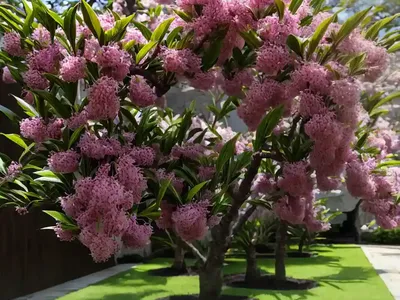
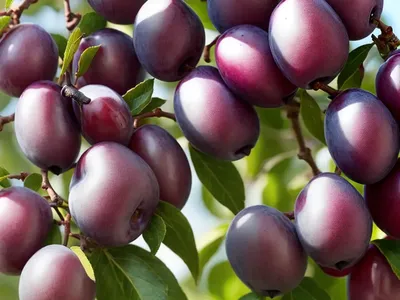
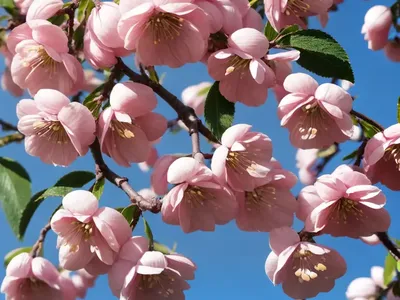
Cherries, Prunus - Flowering Cherry Tree
Prunus Virginiana (Chokecherry)
Prunus virginiana, commonly known as Chokecherry, is a deciduous shrub or small tree that is native to North America. It is a member of the Rosaceae family.
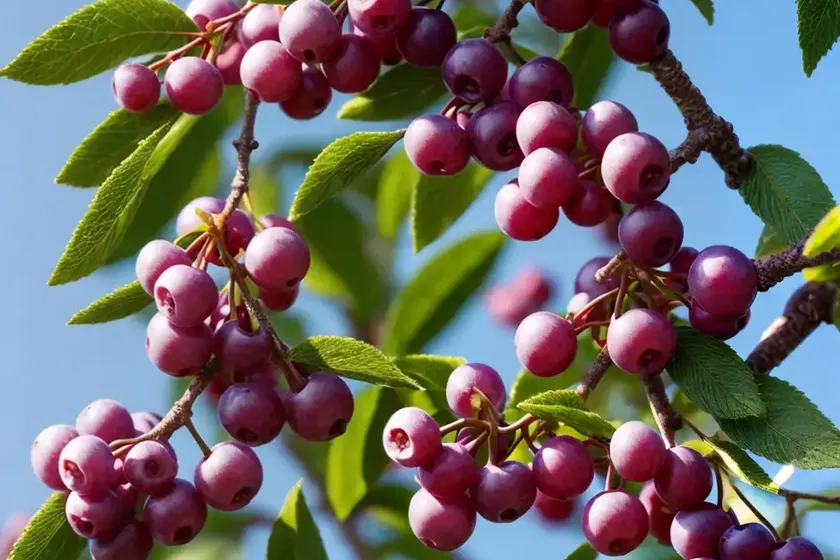
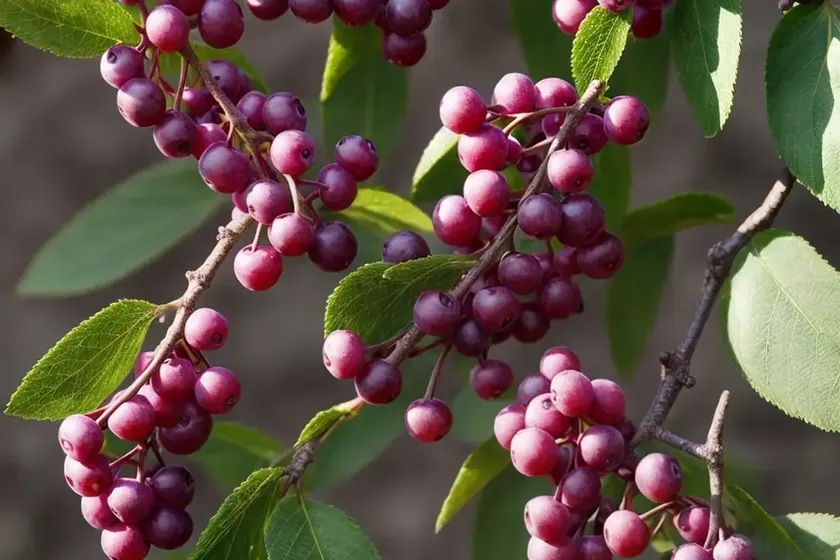
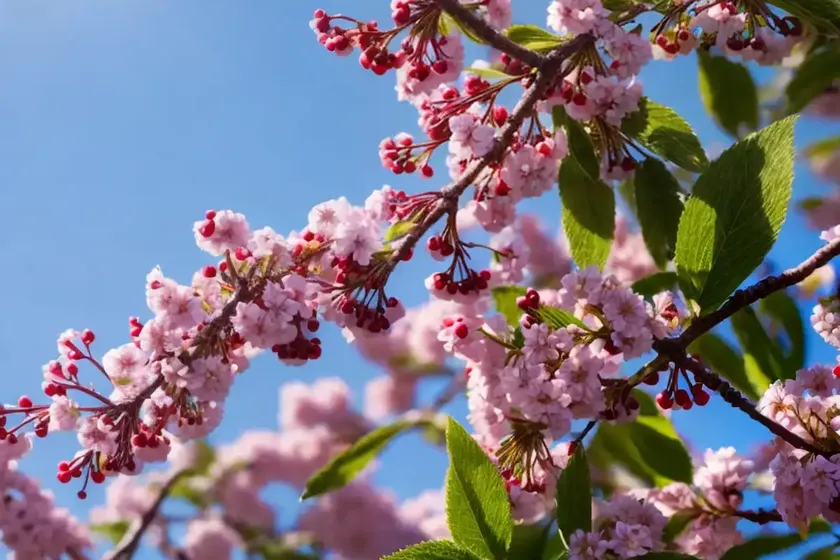
Prunus virginiana, commonly known as Chokecherry, is a deciduous shrub or small tree that is native to North America. It is a member of the Rosaceae family and is widely recognized for its aesthetic appeal, ecological significance, and culinary uses. In this comprehensive guide, we will delve into the various aspects of Chokecherry, covering its culture, uses, care requirements, propagation, common diseases, and much more.
What is Prunus virginiana (Chokecherry)?
Prunus virginiana, also referred to as Chokecherry, is a species of bird cherry native to North America. It is a versatile plant known for its striking display of white flowers in the spring and its deep red to purple fruit in late summer and fall. Chokecherry typically grows in a wide range of habitats, including open woodlands, riverbanks, and disturbed areas. The plant is characterized by its upright growth habit, with an average height of 20 to 30 feet and a spread of 15 to 25 feet.
The Chokecherry tree is a valuable resource in various aspects, from its ecological role in providing food and habitat for wildlife to its cultural significance and the numerous practical uses it offers.
Key Takeaways – Prunus virginiana (Chokecherry)
Before delving into specific aspects of Chokecherry, let’s take a moment to highlight some key takeaways, providing a comprehensive overview of its characteristics and significance.
- Scientific Name: Prunus virginiana
- Common Name: Chokecherry
- Family: Rosaceae
- Type: Deciduous shrub or small tree
- Native Habitat: North America
- Fruit: Dark red to purple berries
- Wildlife Value: Provides food and habitat for various bird and mammal species
- Culinary Uses: Jams, jellies, syrups, and wines
- Cultural Importance: Traditional uses in Native American cultures
- Growth Habit: Upright, with an average height of 20 to 30 feet
With these key takeaways in mind, let’s explore the various aspects of Chokecherry in detail.
Culture
The cultural aspects of Prunus virginiana encompass its historical significance, traditional uses, and role in contemporary landscapes. Understanding the cultural context of Chokecherry sheds light on its broader impact and relevance.
Traditional and Cultural Uses
1. Native American Traditions:
– Chokecherry has historical significance in Native American cultures, where it was traditionally used for various purposes, including food, medicine, and ceremonial practices.
– The fruit of the Chokecherry tree was used to make pemmican, a traditional food made from a mixture of dried meat, animal fat, and berries. This provided a high-energy and long-lasting food source that was vital for sustenance, especially during harsh winters.
– The plant also held ceremonial and symbolic importance in various tribes, representing different aspects of life and nature.
2. Contemporary Landscaping and Culinary Uses:
– In modern times, Chokecherry continues to be valued for its ornamental qualities, wildlife benefits, and culinary uses.
– It is often incorporated into landscaping to attract birds and butterflies, adding a naturalistic and ecologically beneficial element to gardens and urban green spaces.
Wildlife Habitat and Ecological Significance
1. Wildlife Food Source:
– Chokecherry serves as an important food source for various bird species, including robins, thrushes, and waxwings, as well as for small mammals like squirrels and chipmunks.
– The fruit provides vital nutrition for these animals, contributing to the overall biodiversity and ecological balance of the landscape.
2. Pollinator Attraction:
– The flowers of Prunus virginiana attract pollinators such as bees and butterflies, playing a role in supporting local ecosystems and biodiversity.
Historical and Cultural Symbolism
1. Symbol of Resilience:
– Chokecherry’s ability to thrive in a variety of habitats and its historical importance in sustaining communities during challenging times symbolizes resilience and adaptability.
Uses
Prunus virginiana offers a diverse range of uses, spanning from its culinary applications to its ecological contributions. Understanding the various uses of Chokecherry showcases its multifaceted value and significance in different contexts.
Culinary Uses
1. Chokecherry Jam and Jelly:
– The dark red to purple berries of Chokecherry are commonly used to make jams, jellies, and preserves.
– These products are prized for their rich flavor and deep color, often served on toast, paired with cheese, or incorporated into recipes for desserts and baked goods.
2. Syrups and Beverages:
– Chokecherry berries are also utilized in the preparation of syrups and beverages, adding a tangy and slightly tart flavor to drinks, cocktails, and culinary creations.
3. Wines and Liqueurs:
– The fruit can be fermented to produce Chokecherry wine or used in the preparation of liqueurs, offering a unique and regional twist to the world of artisanal beverages.
Wildlife and Ecological Uses
1. Wildlife Forage:
– Chokecherry fruit serves as a valuable food source for numerous bird and mammal species, contributing to the overall food web and supporting wildlife diversity.
2. Butterfly and Pollinator Habitat:
– The flowers of Prunus virginiana attract pollinators, making it a beneficial addition to gardens and natural landscapes, supporting local ecosystems and biodiversity.
Traditional and Medicinal Uses
1. Traditional Medicine:
– Historically, various Native American tribes used different parts of the Chokecherry tree for medicinal purposes, including the bark and roots.
– The plant was believed to have medicinal properties, and decoctions made from Chokecherry bark were used to treat various ailments.
2. Cultural Significance:
– Chokecherries held ceremonial and symbolic importance in various Native American traditions, representing sustenance, vitality, and cultural identity.
Care
The successful cultivation and maintenance of Prunus virginiana depend on providing the appropriate growing conditions, including water, sunlight, soil, and care practices such as pruning and fertilization. Let’s explore the key aspects of caring for Chokecherry.
Water
1. Watering Requirements:
– Chokecherry generally has moderate water needs and prefers well-draining soil. After the initial establishment period, it is relatively drought-tolerant and can withstand periods of dryness.
2. Irrigation:
– Newly planted Chokecherry trees benefit from regular watering during the first year to ensure proper root development and establishment. Once established, supplementary watering may be necessary during extended dry spells, especially in regions with limited rainfall.
Sunlight
1. Sun Exposure:
– Prunus virginiana thrives in full sun to partial shade, with a preference for at least 6 hours of direct sunlight per day. Adequate sunlight promotes healthy growth, flowering, and fruit production.
2. Site Selection:
– When choosing a location for planting Chokecherry, consider the sun exposure and potential for shading from nearby structures or trees. Select a site that allows for ample sunlight to reach the plant throughout the day.
Fertilizer
1. Nutrient Requirements:
– Chokecherry trees typically grow well in nutrient-rich soils without necessitating regular fertilization. However, if the soil quality is poor or lacking in essential nutrients, a balanced fertilizer can be applied in early spring to support healthy growth.
2. Organic Amendments:
– Organic matter such as compost or well-rotted manure can be incorporated into the soil around the Chokecherry tree to improve its fertility and provide a gradual release of nutrients over time.
Soil
1. Soil Composition:
– Chokecherry thrives in a range of soil types, including loamy, sandy, or clay soils, as long as they are well-draining. The plant is adaptable to various soil pH levels but performs best in neutral to slightly acidic soils.
2. Soil Moisture:
– Avoid waterlogged or excessively compacted soils, as they can impede root health and lead to issues such as root rot. Ensure adequate drainage to prevent water accumulation around the plant’s root zone.
Pruning
1. Maintenance Pruning:
– Periodic pruning of Chokecherry helps maintain a desirable shape, remove dead or damaged branches, and encourage proper airflow and light penetration within the canopy.
2. Timing:
– Pruning is best conducted during the plant’s dormant season in late winter or early spring, before new growth begins. This minimizes stress on the tree and allows for optimal healing of pruning wounds.
Propagation
The propagation of Prunus virginiana can be achieved through various methods, including seed sowing, cuttings, and suckering. Each approach offers unique advantages and considerations, contributing to the successful establishment of new Chokecherry plants.
Seed Propagation
1. Seed Collection:
– Collect ripe Chokecherry fruit in late summer or early fall, and extract the seeds for propagation.
– Clean the seeds and remove any fleshy pulp to prevent potential issues with fungal growth during storage and germination.
2. Seed Treatment:
– Some experts recommend stratifying Chokecherry seeds to enhance germination rates. Stratification involves cold treatment to simulate natural winter conditions, typically achieved by storing the seeds in a moist, refrigerated environment for a period of time.
Cutting Propagation
1. Stem Cuttings:
– Softwood or hardwood stem cuttings can be used to propagate Chokecherry, although success rates may vary.
– Select healthy, disease-free branches for cutting, and treat the cut ends with a rooting hormone to encourage root development.
2. Growing Medium:
– Plant the Chokecherry cuttings in a well-draining growing medium, such as a mix of sand and peat, and provide the appropriate environmental conditions to promote root formation.
Suckering and Division
1. Natural Suckers:
– Chokecherry has a tendency to produce suckers, which are shoots emerging from the plant’s root system. These can be separated and transplanted to establish new Chokecherry plants.
2. Division Method:
– In some cases, the Chokecherry root system can be carefully divided to create new plants, allowing for the expansion of the existing stand or the propagation of offspring.
Container Popularity
Prunus virginiana is also a popular choice for container cultivation, offering several advantages and opportunities for gardeners with limited space or specific design preferences. The ability to grow Chokecherry in containers expands its accessibility and allows for creative incorporation into various outdoor settings.
Advantages of Container Growth
1. Space Efficiency:
– Growing Chokecherry in containers is ideal for small gardens, balconies, patios, or urban spaces with limited ground area. It provides an opportunity to enjoy the beauty of Chokecherry in environments that may not accommodate traditional in-ground planting.
2. Versatile Design Options:
– Containers offer flexibility in terms of placement, allowing for strategic positioning to enhance visual interest or create focal points within a landscape design.
Container Considerations
1. Container Selection:
– Choose a large, sturdy container with adequate drainage holes to accommodate the Chokecherry’s root system and prevent waterlogging.
2. Growing Medium:
– Use a well-draining potting mix suitable for woody plants, ensuring that the container provides the necessary support and nutrients for healthy growth.
Maintenance and Care
1. Watering and Fertilization:
– Container-grown Chokecherry may require more frequent watering than those planted in the ground, as containers can dry out more quickly. Regular fertilization is also important, as potted plants may deplete nutrients more rapidly than those in the ground.
2. Pruning and Growth Control:
– Container-grown Chokecherry may benefit from occasional pruning to maintain a manageable size and shape, preventing overcrowding and ensuring a balanced appearance.
Common Diseases
Despite its overall hardiness, Prunus virginiana is susceptible to certain diseases and pests that can impact its health and vitality. Understanding the common diseases and their management is essential for maintaining the well-being of Chokecherry plants.
Disease Diagnosis
1. Black Knot (Apiosporina morbosa):
– Black knot is a fungal disease that affects various Prunus species, including Chokecherry, causing the formation of dark, warty growths on the branches. Infected branches should be pruned and destroyed to prevent further spread.
2. Fire Blight (Erwinia amylovora):
– Fire blight is a bacterial disease that can affect Chokecherry, causing wilting, blackened shoots, and cankers. Proper sanitation and removal of infected plant parts are critical for managing this disease.
3. Leaf Spot Diseases:
– Various fungal pathogens can cause leaf spotting on Chokecherry, leading to aesthetic decline and potential defoliation. Maintain good air circulation and consider applying appropriate fungicidal treatments if necessary.
Prevention and Management
1. Cultural Practices:
– Proper pruning, sanitation, and overall plant care are key to preventing and minimizing the impact of diseases. Remove and dispose of any infected plant material to reduce the spread of pathogens.
2. Fungicide Applications:
– In severe cases or under high disease pressure, targeted fungicidal treatments may be warranted to address specific diseases, following label instructions and guidelines.
Common Pests
In addition to diseases, Chokecherry is vulnerable to certain insect pests that can cause damage to its foliage, stems, or fruits. Monitoring for pests and implementing appropriate control measures is essential for preserving the health and aesthetics of Chokecherry plants.
Insect Pests
1. Tent Caterpillars (Malacosoma spp.):
– Tent caterpillars can defoliate Chokecherry trees, creating unsightly webs and impacting the plant’s overall vigor. Hand removal of egg masses and nests can help manage their populations.
2. Aphids (Various Species):
– Aphids can infest Chokecherry, causing distorted growth, honeydew secretion, and sooty mold development. Insecticidal soaps or horticultural oils can be used to reduce aphid populations.
3. Borers (Various Species):
– Wood-boring insects can target the stems and branches of Chokecherry, leading to structural damage and potential decline. Proper pruning and removal of infested wood are essential for management.
Integrated Pest Management (IPM)
1. Monitoring and Identification:
– Regularly inspect Chokecherry plants for signs of pest activity, such as leaf damage, frass, or unusual growth. Proper identification of pests is crucial for implementing targeted control measures.
2. Natural Predators:
– Encouraging beneficial insects and natural predators, such as ladybugs and lacewings, can help keep pest populations in check, supporting an ecological balance within the garden.
Botanist’s Tips
As a professional botanist, I have extensive experience working with various plant species, including Prunus virginiana. Based on my expertise, here are some valuable tips and insights to help you successfully grow and appreciate Chokecherry in your landscape.
Growing Recommendations
1. Soil Preparation:
– Prior to planting Chokecherry, conduct a soil test to assess the pH and fertility of the site. Amend the soil as needed to create an optimal growing environment for the plant.
2. Wildlife Considerations:
– When designing with Chokecherry, consider its potential to attract birds, butterflies, and other wildlife. Incorporate it into wildlife-friendly gardens or naturalistic landscapes to maximize its ecological impact.
Seasonal Maintenance
1. Pruning Best Practices:
– While pruning Chokecherry is essential for maintenance, it is crucial to exercise caution and avoid excessive or unnecessary cutting. Focus on removing dead, damaged, or crossing branches to maintain the plant’s natural form.
2. Seasonal Observations:
– Take the time to observe the changing characteristics of Chokecherry throughout the year, from its spring blossoms to fall foliage and winter silhouette. Appreciating its seasonal nuances enhances the overall gardening experience.
Fun Facts
Uncover some fascinating and lesser-known aspects of Prunus virginiana through these intriguing fun facts.
- Bird Attraction: Chokecherry’s fruit and flowers are known for attracting various bird species, contributing to the lively avian activity in gardens and natural areas.
- Multiple Uses: The versatility of Chokecherry is reflected in its numerous uses, from ornamental landscaping to culinary creations and ecological support.
- Cultural Echoes: The historical and cultural significance of Chokecherry resonates in its traditional uses, folklore, and enduring symbolism in Native American cultures.
- Resilience Symbolism: Chokecherry’s ability to withstand diverse environmental conditions and its role in supporting wildlife symbolize resilience, adaptability, and ecological interconnectedness.
- Visual Appeal: Beyond its practical value, Chokecherry’s picturesque beauty in bloom and its vibrant fruit showcase its aesthetic allure.
Links to External Resources
For further exploration and learning, here are valuable external resources offering additional information and guidance on Prunus virginiana, including care tips, culinary inspiration, and ecological insights.
- USDA Plants Database – Prunus virginiana
- National Wildlife Federation – Chokecherry
- University of Wisconsin-Madison Extension – Growing Chokecherries
- Missouri Botanical Garden – Prunus virginiana
- Ducks Unlimited – The Value of Chokecherry for Wildlife
Conclusion
Prunus virginiana, or Chokecherry, embodies a rich tapestry of culture, ecology, and practical uses that contribute to its enduring appeal. Its significance spans from its historical and cultural ties to its ecological contributions and culinary versatility. By understanding and appreciating the diverse facets of Chokecherry, we can cultivate a deeper connection to this remarkable plant, incorporating it into our landscapes, preserving its valuable role in wildlife habitats, and savoring its culinary delights.
As we continue to explore the multifaceted nature of Prunus virginiana, we are reminded of the interconnectedness between plants, wildlife, and human traditions, fostering a deeper appreciation for the natural world around us.
Remember