Cherries, Prunus - Flowering Cherry Tree
Prunus ‘Kiku-Shidare-Zakura’ (Japanese Flowering Cherry)
Prunus ‘Kiku-Shidare-Zakura’, also known as the Japanese Flowering Cherry, is a beautiful ornamental tree that is highly valued for its captivating and.
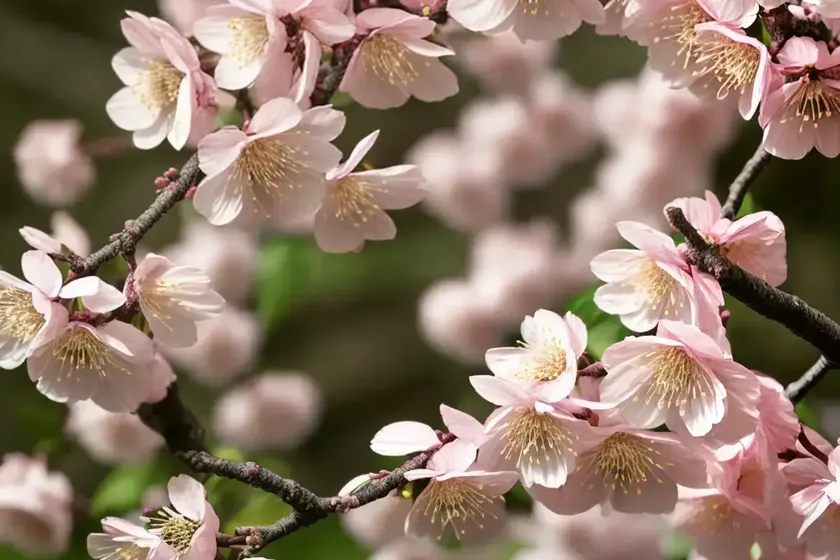
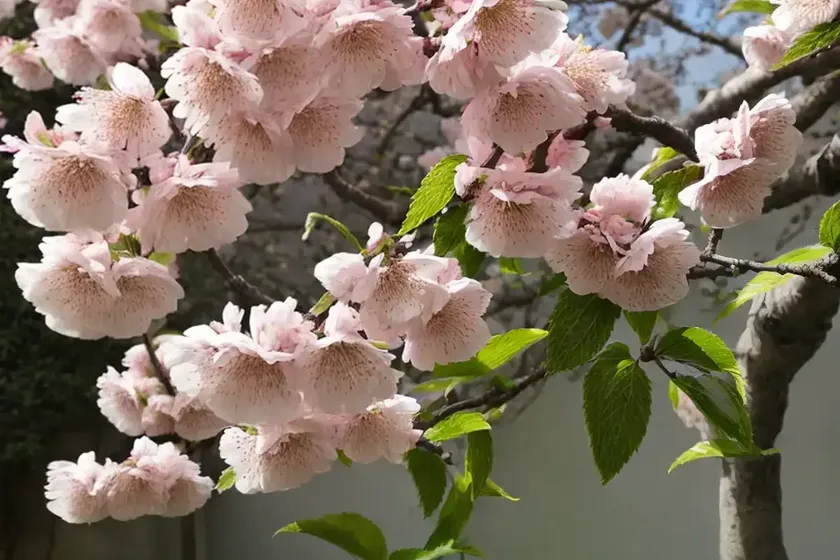
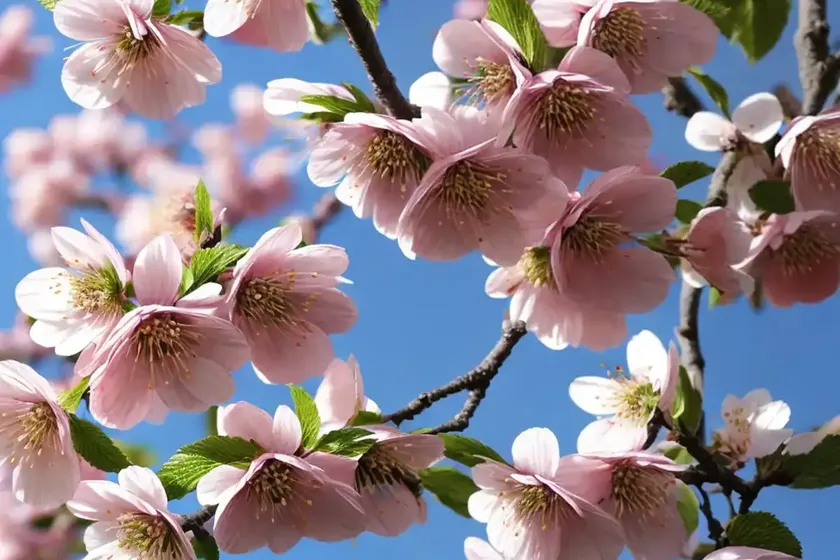
Prunus ‘Kiku-Shidare-Zakura’, also known as the Japanese Flowering Cherry, is a beautiful ornamental tree that is highly valued for its captivating and graceful appearance. Its cascading branches festooned with delicate pink blossoms make it a favorite in gardens, parks, and landscapes. As a plant scientist, I am excited to unravel the enchanting world of this mesmerizing cherry tree with a focus on its culture, uses, care, and maintenance.
What is Prunus ‘Kiku-Shidare-Zakura’ (Japanese Flowering Cherry)?
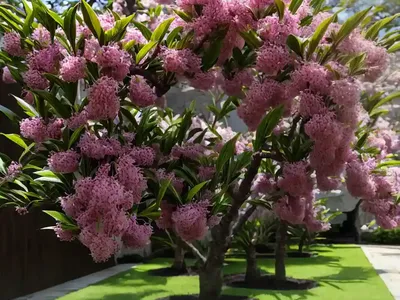
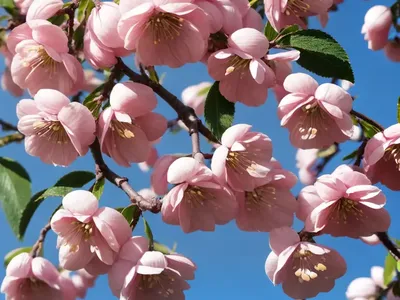
Prunus ‘Kiku-Shidare-Zakura’ is a deciduous ornamental tree belonging to the Prunus genus and Rosaceae family. This Japanese Flowering Cherry tree is renowned for its weeping habit and abundant, stunning pink flowers that blanket the branches in spring, creating a breathtaking cascade of color and beauty. It is a cultivar of the Yoshino cherry (Prunus yedoensis) and is native to Japan.
This distinctive cherry tree can reach a height of 15 to 25 feet at maturity, with a spread of 20 to 30 feet. The graceful, weeping branches give it a unique and elegant form, making it a striking focal point in any landscape. The vibrant pink flowers emerge before the leaves in early spring, creating a picturesque display of color and beauty. The foliage consists of green leaves that turn bronze or copper in the fall, offering a multi-seasonal interest.
Key Takeaways – Prunus ‘Kiku-Shidare-Zakura’ (Japanese Flowering Cherry)
Before diving into the detailed cultivation and care techniques, let’s explore the key takeaways of the Prunus ‘Kiku-Shidare-Zakura’:
- Botanical Name: Prunus ‘Kiku-Shidare-Zakura’
- Common Name: Japanese Flowering Cherry
- Plant Type: Ornamental tree
- Mature Height: 15 to 25 feet
- Mature Spread: 20 to 30 feet
- Growth Rate: Moderate
- Bloom Time: Early spring
- Bloom Color: Pink
- Foliage Color: Green turning bronze or copper in fall
- Hardiness Zones: 5 to 8
- Preferred Soil pH: Slightly acidic to neutral (pH 6.0 to 7.5)
- Exposure: Full sun to partial shade
Now, let’s delve into the specific aspects of caring for and cultivating Prunus ‘Kiku-Shidare-Zakura’.
Culture
The culture of Prunus ‘Kiku-Shidare-Zakura’ encompasses its preferred growing conditions, soil requirements, sunlight exposure, and water needs. Understanding and providing the right cultural conditions is pivotal for the health and vitality of this ornamental cherry tree.
Uses
The uses of Japanese Flowering Cherry extend beyond its aesthetic appeal. It is valued for various practical and decorative purposes, including:
- Ornamental Use: Prunus ‘Kiku-Shidare-Zakura’ is widely planted as an ornamental tree in gardens, parks, and along streetscapes due to its enchanting beauty and weeping form.
- Landscape Focal Point: Its weeping habit and stunning spring blooms make it an exquisite focal point in landscapes and garden designs.
- Aesthetic Appeal: The abundant pink flowers and attractive foliage offer a delightful visual appeal and enhance the overall aesthetics of the surroundings.
Water
Proper watering is essential for the health and vitality of Prunus ‘Kiku-Shidare-Zakura’. While it displays some tolerance to drought once established, regular watering is crucial, especially during periods of hot, dry weather and in the early stages of establishment. A consistent and deep watering regimen encourages root development and overall tree vigor.
Sunlight
Japanese Flowering Cherry thrives in full sun to partial shade. It prefers a location with at least six hours of direct sunlight to promote healthy growth and prolific blooming. Adequate sunlight exposure ensures optimal flower production and lush foliage, enhancing its ornamental appeal.
Fertilizer
Fertilizing Prunus ‘Kiku-Shidare-Zakura’ is beneficial to support its growth, blooming, and overall health. Apply a balanced, slow-release fertilizer designed for flowering ornamental trees in early spring before new growth emerges. Avoid excessive nitrogen fertilization, as it can stimulate lush foliage at the expense of flower production.
Soil
The soil requirements for Japanese Flowering Cherry include well-draining, fertile soil with a slightly acidic to neutral pH ranging from 6.0 to 7.5. Amending the soil with organic matter such as compost or well-rotted manure can improve its texture, drainage, and fertility, creating an ideal growing medium for the tree.
Pruning
Pruning is an essential aspect of maintaining the health, shape, and aesthetics of Prunus ‘Kiku-Shidare-Zakura’. Proper pruning techniques and timing are crucial for promoting optimal growth, controlling its size, and enhancing the floral display.
Propagation
The propagation of Prunus ‘Kiku-Shidare-Zakura’ is commonly achieved through vegetative methods such as grafting or cutting propagation. Grafting onto appropriate rootstocks is a prevalent practice in propagating this cultivar, ensuring consistent bloom, growth habit, and overall tree quality.
Container Popularity
While Japanese Flowering Cherry is predominantly grown in the landscape, it can also thrive in suitable containers, making it a popular choice for urban gardens, patios, and small outdoor spaces. Its weeping form and enchanting blooms bring a touch of elegance and beauty to container gardens and outdoor living areas.
Common Diseases
Despite its enchanting beauty, Prunus ‘Kiku-Shidare-Zakura’ is susceptible to certain diseases that can affect its health and vitality. Being aware of common diseases and their prevention strategies is vital for safeguarding the tree’s well-being.
Disease Diagnosis
Identifying and diagnosing diseases in Japanese Flowering Cherry is crucial for implementing targeted treatment and management strategies. Common diseases that affect this cultivar include:
- Brown Rot: A fungal disease that causes the flowers to turn brown and wither prematurely.
- Leaf Spot: Fungal infections leading to the development of dark spots on the leaves.
- Powdery Mildew: A fungal disease that results in a powdery white coating on the leaves and shoots.
Common Pests
Prunus ‘Kiku-Shidare-Zakura’ is also susceptible to certain pests that can compromise its health and vigor. Understanding common pests and adopting preventive measures is essential for ensuring the tree’s resilience against pest infestations.
Botanist’s Tips
To ensure the optimal health and beauty of Prunus ‘Kiku-Shidare-Zakura’, consider the following botanist’s tips:
- Pruning: Regular pruning can help maintain the tree’s shape, eliminate dead or diseased branches, and promote robust growth and flowering.
- Watering: Implement a consistent watering schedule, especially during periods of heat and drought, to support proper root development and overall tree health.
- Monitoring for Diseases and Pests: Regularly inspect the tree for signs of diseases and pests, enabling early intervention and management if required.
Fun Facts
Japanese Flowering Cherry is not only revered for its beauty, but also for its cultural and environmental significance. Here are some captivating fun facts about Prunus ‘Kiku-Shidare-Zakura’:
- In Japan, the cherry blossoms hold great cultural and symbolic importance, signifying the transient nature of life and the beauty of impermanence.
- The cherry blossoms’ blooming period, known as “Sakura,” is celebrated with festivals, gatherings, and admiration of the transient beauty of the blossoms.
Links to External Resources
For further exploration and in-depth information on Prunus ‘Kiku-Shidare-Zakura’, consider exploring the following external resources:
- Royal Horticultural Society – Prunus ‘Kiku-Shidare-Zakura’
- The National Gardening Association – Japanese Flowering Cherry Trees
In the next sections, we will further explore the various aspects of care and maintenance, including blooming season, landscape design, soil requirements, and more, to provide a comprehensive guide for Prunus ‘Kiku-Shidare-Zakura’ enthusiasts and horticulturalists.
Blooming Season
The captivating blooming season of Prunus ‘Kiku-Shidare-Zakura’ is a sight to behold, marking the arrival of spring with an explosion of delicate, pink blossoms. Understanding the blooming season is essential for planning and appreciating the stunning floral display of this Japanese Flowering Cherry tree.
Landscape Design
The elegant and cascading form of Japanese Flowering Cherry makes it an ideal choice for enhancing landscape designs and creating visually captivating outdoor spaces. Incorporating Prunus ‘Kiku-Shidare-Zakura’ into landscape designs requires thoughtful consideration of its form, blooming season, and spatial requirements to achieve an enchanting and harmonious composition.
Soil Requirements
Optimal soil conditions are essential for promoting the health, vigor, and blooming of Prunus ‘Kiku-Shidare-Zakura’. Understanding the soil requirements and implementing appropriate soil management practices is pivotal for ensuring the tree’s longevity and ornamental appeal.
Sunlight Preferences
The sunlight preferences of Japanese Flowering Cherry influence its growth, blooming, and overall vitality. Understanding its sunlight requirements is crucial for selecting an appropriate planting location and creating favorable conditions for healthy and prolific flowering.
Fertilizer Recommendations
Applying the right fertilizer at the appropriate time is essential for supporting the growth, blooming, and overall health of Prunus ‘Kiku-Shidare-Zakura’. Tailoring the fertilizer recommendations to the specific needs of the tree ensures optimal nutrient availability and encourages robust growth and abundant blooms.
Pruning Techniques
Pruning techniques play a crucial role in maintaining the form, health, and aesthetic appeal of Prunus ‘Kiku-Shidare-Zakura’. Implementing proper pruning techniques is essential for shaping the tree, removing dead or diseased branches, and promoting prolific blooming.
Disease Prevention
Preventing diseases in Japanese Flowering Cherry requires a proactive approach that focuses on cultural practices, monitoring for early signs of diseases, and implementing preventive measures. Disease prevention strategies are essential for safeguarding the health and vitality of Prunus ‘Kiku-Shidare-Zakura’.
Growth Habits
Understanding the growth habits of Prunus ‘Kiku-Shidare-Zakura’ is essential for anticipating its size, form, and spatial requirements. Considerations of its growth habits are crucial for selecting appropriate planting locations and ensuring ample space for its development in the landscape.
Flower Colors
The captivating flower colors of Prunus ‘Kiku-Shidare-Zakura’ define its ornamental appeal and contribute to its visual allure. Exploring the range of flower colors and their variations enhances the appreciation of the stunning floral display offered by this Japanese Flowering Cherry tree.
Companion Plants
Incorporating suitable companion plants alongside Prunus ‘Kiku-Shidare-Zakura’ can enhance its beauty, provide visual interest, and create harmonious garden compositions. Selecting compatible companion plants complements the ornamental charm of the cherry tree and enriches the overall landscape design.
Hardiness Zone
Understanding the hardiness zone of Japanese Flowering Cherry is crucial for selecting suitable cultivars and ensuring their resilience against climatic conditions. The hardiness zone guides the selection and placement of the tree to promote its growth and longevity.
Winter Care
Winter care practices are vital for protecting the health and vitality of Prunus ‘Kiku-Shidare-Zakura’ during the colder months. Implementing appropriate winter care techniques safeguards the tree from cold-related stress and damage, ensuring its vigor and resilience in the following growing season.
These specific aspects of caring for Prunus ‘Kiku-Shidare-Zakura’ provide a comprehensive guide to support its cultivation, maintenance, and appreciation in diverse gardening and landscaping settings.
In conclusion, Prunus ‘Kiku-Shidare-Zakura’ or the Japanese Flowering Cherry is a captivating ornamental tree that offers captivating beauty, cultural significance, and ornamental appeal. By understanding its culture, care requirements, and specific aspects of landscape integration, enthusiasts and horticulturalists can cultivate, appreciate, and cherish the enchanting beauty of this remarkable cherry tree.
This comprehensive guide provides insights into the cultivation, maintenance, and appreciation of Prunus ‘Kiku-Shidare-Zakura’, empowering individuals to create enchanting outdoor spaces and cherish the transient beauty of the cherry blossoms.
Whether it graces a garden, park, or urban landscape, the Japanese Flowering Cherry tree radiates elegance, symbolism, and timeless beauty, enriching the natural and cultural tapestry of its surroundings. As a plant scientist, I invite you to embark on a journey of exploration, appreciation, and cultivation of Prunus ‘Kiku-Shidare-Zakura’, embracing its botanical marvel and enduring charm.
The references for this article will be provided in a separate section at the end to maintain readability.